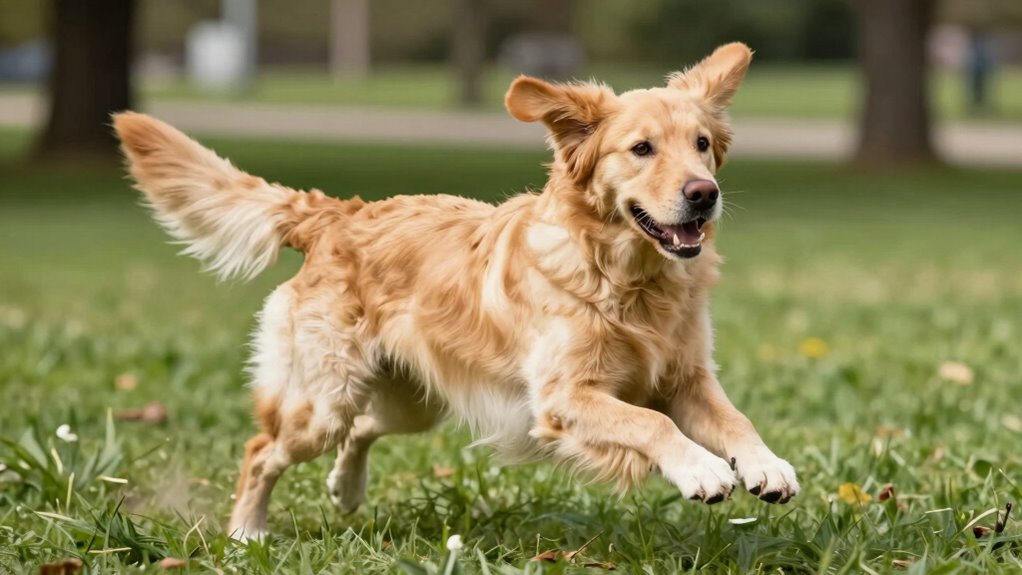

To help your dog bounce back faster after a startle, avoid rushing in to comfort immediately, and instead reward calm behavior once they begin to settle. Use techniques like desensitization and counter-conditioning, gradually increasing stimulus intensity while pairing it with treats or praise. Teach reliable cues like “look at me” to redirect their focus. Consistent training and a stable environment reinforce their resilience, ensuring they stay calm in unpredictable situations—keep going to discover more effective strategies.
Key Takeaways
- Avoid rushing to comfort immediately; reward calmness once signs of relaxation appear.
- Use desensitization and counter-conditioning to gradually expose dogs to startling stimuli.
- Teach and reinforce focus cues like “sit” or “look at me” during stressful moments.
- Maintain a predictable routine and stable environment to reduce overall anxiety.
- Ensure consistent training to strengthen the dog’s ability to recover quickly from surprises.
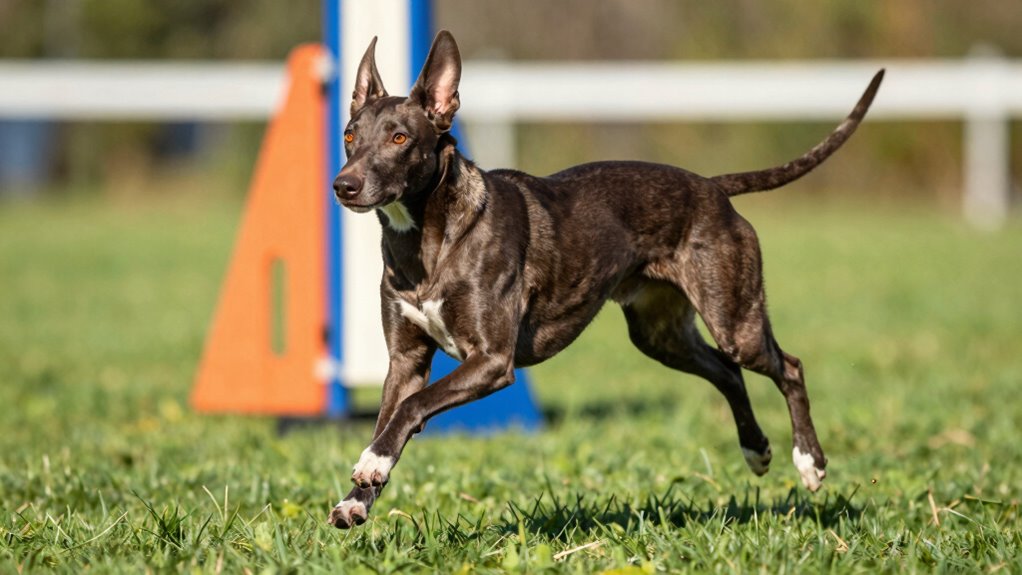
Startle recovery isn’t just about calming your dog in the moment; it’s about teaching them to regain composure independently. When your dog reacts to a loud noise, don’t rush in to comfort them immediately. Instead, wait until they show signs of calming down, then reward that calm behavior. This approach reinforces the idea that staying relaxed leads to positive outcomes. Over time, your dog will learn that they don’t need to panic when startled—calmness becomes associated with rewards.
Teach your dog to self-soothe by rewarding calmness after a startle, fostering confidence and resilience over time.
Consistency is key in canine stress management. Use specific dog training methods, like counter-conditioning and desensitization, to gradually expose your dog to stimuli that might trigger a startle response. For example, if loud noises scare your dog, start by playing softer versions of the sounds at a low volume, and gradually increase it as your dog remains calm. Pair these sounds with treats or praise to create a positive association. This process helps your dog learn that unexpected stimuli aren’t threats but opportunities for rewards, which accelerates their ability to recover after being startled.
Another effective technique involves teaching your dog a reliable redirect behavior, such as “sit” or “look at me,” that helps them focus on you instead of the noise or sudden movement. When your dog is startled, calmly cue them to perform the behavior, and reward compliance. This shift in focus redirects their attention and promotes self-control, reducing their stress and encouraging faster recovery. Over time, your dog will start to associate these cues with feeling safe, even when surprises occur. Implementing training consistency can further strengthen your dog’s resilience and response to unexpected stimuli.
Developing resilience to startling stimuli is also supported by understanding biodiversity and environmental factors, which can influence a dog’s overall stress levels and response to unexpected events. Additionally, environmental stability and minimizing stressors in your dog’s surroundings can further enhance their capacity to recover quickly from startle responses. Creating a predictable routine can also significantly reduce anxiety, making your dog more adaptable to sudden changes.
dog desensitization training treats
As an affiliate, we earn on qualifying purchases.
As an affiliate, we earn on qualifying purchases.
Frequently Asked Questions
Can Startle Recovery Techniques Be Used for All Dog Breeds?
Yes, startle recovery techniques can be used for all dog breeds, but you need to take into account breed-specific adaptations. Each breed responds differently to stimuli and training styles. You should customize your training approach to match your dog’s temperament and needs. By tailoring your methods, you help your dog recover faster from surprises, ensuring a positive experience. This personalized training boosts confidence across various breeds, making recovery more effective and less stressful.
How Long Does It Typically Take for a Dog to Improve?
It usually takes just a blink of an eye—or a few weeks—for your dog to noticeably improve in startle recovery. With consistent behavior modification and positive reinforcement, you’ll see rapid progress, transforming your dog into a confident, resilient companion. Every dog is unique, so patience is key, but most dogs bounce back faster than you’d think when you use gentle, effective techniques tailored to their needs.
Are There Signs of Overtraining or Stress During Recovery Training?
Yes, you can spot signs of exhaustion or stress during recovery training. Watch for behavioral indicators like yawning, lip licking, or avoiding eye contact, which suggest your dog may be overwhelmed. Signs of exhaustion include lagging behind or losing interest. If you notice these, decrease the intensity or take a break. Monitoring these cues helps guarantee your dog stays comfortable and prevents overtraining, promoting a positive recovery process.
What if My Dog Continues to Be Overly Frightened After Training?
If your dog remains overly frightened despite training, it’s ironic—you’d think they’d be fearless by now. Fear generalization might be at play, causing worries from different sources. You can try noise desensitization, gradually exposing your dog to sounds in a controlled way. Patience is key; some dogs need more time. Keep positive reinforcement consistent, and avoid overwhelming them, allowing confidence to build gradually.
Can Startle Recovery Methods Be Integrated Into Daily Routines?
Yes, you can integrate startle recovery methods into daily routines. Incorporate sensory desensitization by gradually exposing your dog to stimuli in a controlled way, helping them build resilience. Use positive reinforcement to reward calm behavior during these exposures. For example, when your dog remains composed after a loud noise or quick movement, praise and treat them. Consistent, gentle practice helps your dog bounce back faster and feel more secure in everyday situations.
Conclusion
By teaching your dog to recover quickly from startle responses, you create a calmer, more confident companion. Consistent training can reduce their recovery time by up to 50%, helping them handle unexpected stimuli with greater ease. Remember, patience and positive reinforcement are key. With dedication, you’ll notice your dog bouncing back faster, strengthening your bond and ensuring they’re comfortable in various environments. Ultimately, a confident dog makes for a happier, more relaxed household.