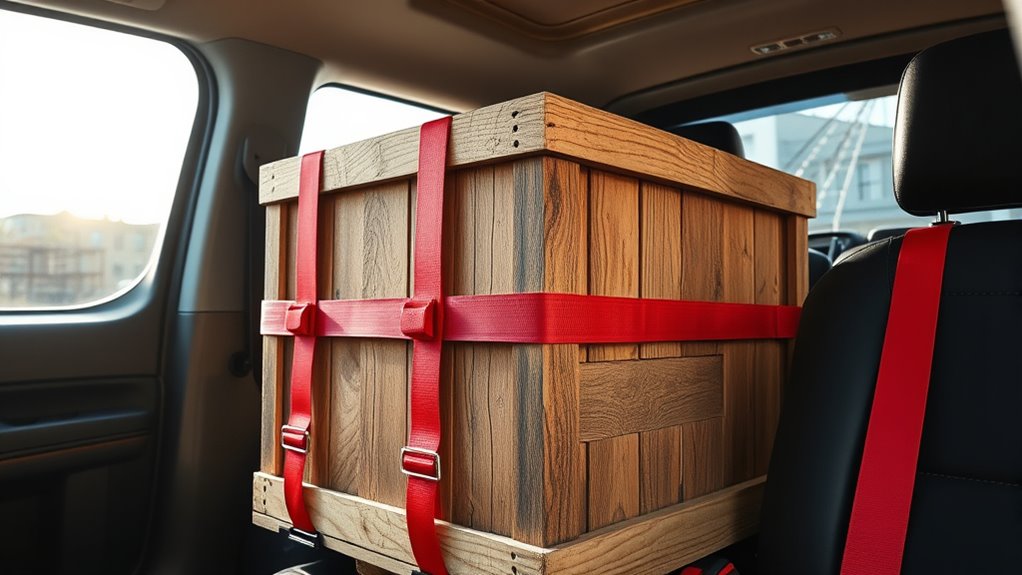

To stay safe during travel, always use proper crates, seat belts, and restraints. Secure pets in well-ventilated, sturdy crates and fasten them with straps or seat belts. Buckle up yourself with properly adjusted seat belts, especially for children using car seats or booster seats. Restrain pets with harnesses or seat belts to prevent distraction and injuries. Ensuring these safety measures are correctly used and maintained makes your journey safer—continue to discover more essential tips for safe travel.
Key Takeaways
- Always secure pets in well-ventilated crates to prevent distraction and injury during travel.
- Properly adjust and fasten seat belts and restraints for all passengers, including children and pets.
- Use appropriate car seats or booster seats for children to ensure maximum safety on the road.
- Regularly inspect safety equipment for damage and ensure correct installation before each trip.
- Incorporate advanced safety features and double-check restraints to enhance overall travel safety.

Are you prepared to keep yourself safe while traveling? Ensuring safety isn’t just about watching the road; it’s about using the right equipment to protect yourself and your loved ones. Crates, seat belts, and restraints are essential tools that can make a significant difference in preventing injuries during unexpected events or accidents. When used correctly, these safety devices provide a secure environment, giving you peace of mind so you can focus on the journey ahead.
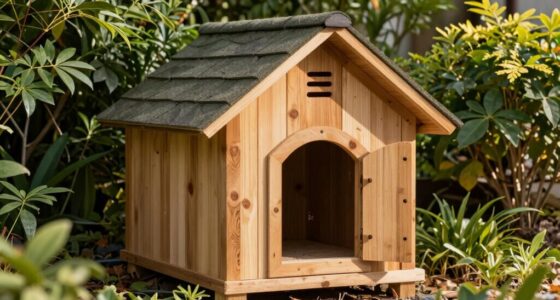
Start with crates, especially if you’re traveling with pets. A sturdy, well-ventilated crate keeps your animal secure and prevents movement that could distract you or cause injury during sudden stops or collisions. Make sure the crate is appropriately sized—your pet should be able to stand, turn around, and lie down comfortably. Secure the crate with seat belts or straps to prevent it from shifting during transit. This not only keeps your pet safe but also ensures you aren’t distracted trying to manage their movement. Never leave your pet loose in the vehicle, as loose animals can be a hazard to both themselves and everyone else on the road.
Seat belts are the most fundamental safety feature you have. Always buckle up, regardless of how short the trip is. Many accidents happen close to home, and wearing a seat belt drastically reduces the risk of severe injury or death. Adjust the belt so it fits snugly across your hips and chest—loose belts won’t protect you effectively. Modern cars often have additional safety features like shoulder and lap belts, so make sure everyone in the vehicle uses their seat belt correctly. Children should be secured in age-appropriate car seats or booster seats, which are designed to keep them safe and properly restrained. Never underestimate the importance of seat belts; they are your first line of defense in any crash. Additionally, incorporating advanced safety features can further enhance protection during collisions.
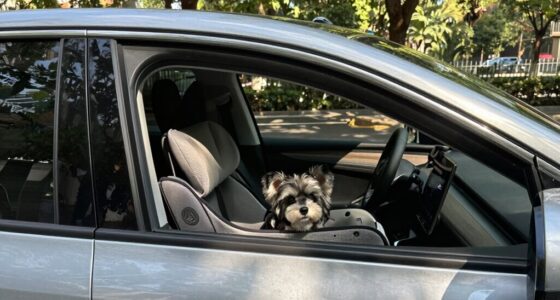
Restraints extend beyond seat belts and crates. For children, booster seats and harnesses are vital, and for pets, harnesses that attach to seat belts offer extra security. When traveling with pets, avoid letting them sit on your lap or roam freely in the vehicle. Using the right restraints keeps everyone safe and prevents injuries caused by sudden stops or accidents. Additionally, always double-check that restraints are in good condition and properly fitted before starting your trip. Regular maintenance and proper installation are key to making certain these safety devices work effectively when needed.

Petmate Vari Dog Kennel – Portable Dog Carriers & Crates for Medium Dogs, Airline-Friendly, Durable Plastic, Pet Carrier For Home and Travel, 28 Inches, Taupe and Black
- Secure and Safe Door: Sturdy wire door with tamper-proof holes
- Airline-Friendly Design: Meets airline cargo specifications with ventilation
- Suitable for Medium Dogs: Fits dogs 20-30 lbs with spacious interior
As an affiliate, we earn on qualifying purchases.
As an affiliate, we earn on qualifying purchases.
Frequently Asked Questions
Are There Specific Crate Sizes for Different Dog Breeds?
Yes, there are specific crate sizes for different dog breeds. You should choose a crate that allows your dog to stand, turn around, and lie comfortably. Measure your dog’s height, length, and weight, then select a crate that provides ample space for movement. Proper sizing guarantees safety and comfort during travel, preventing injuries and making the journey more pleasant for your dog. Always prioritize your dog’s specific needs when selecting a crate.
How Often Should Seat Belts Be Checked for Wear?
You should check your seat belts for wear at least once every six months. Regular inspections help identify frayed straps, damaged buckles, or weakened stitching that could compromise safety. If you notice any signs of damage, replace the seat belt immediately. Also, after any accident or significant impact, it’s wise to inspect the belt thoroughly. Keeping your seat belts in good condition guarantees your safety and that of your passengers during travel.
Are There Legal Requirements for Pet Restraints in All Countries?
You might be surprised to learn that over 40 countries have specific laws requiring pet restraints during travel. In some places, failing to secure your pet could lead to hefty fines or even criminal charges. Laws vary widely, so it’s essential to check local regulations before traveling. By securing your pet properly, you protect both their safety and avoid legal trouble, ensuring a smooth journey wherever you go.
Can Children Use Adult Seat Belts Safely in Vehicles?
Yes, children can use adult seat belts safely in vehicles if they are of appropriate size and weight. However, it’s important to make sure the seat belt fits correctly—across the shoulder and chest, not the neck or stomach. For younger or smaller children, use booster seats or child safety seats to provide proper protection. Always follow your local laws and vehicle manufacturer guidelines to keep your child safe during travel.
What Materials Are Safest for Pet Travel Crates?
You should choose pet travel crates made from sturdy, non-toxic materials like high-quality plastic or metal. These materials provide durability and safety during travel, preventing your pet from escaping or getting injured. Look for crates with secure latches and proper ventilation. Avoid flimsy or toxic materials that could break or harm your pet. By selecting a well-constructed crate, you guarantee your pet’s safety and comfort throughout your journey.
Conclusion
Remember, your safety during travel is no small matter—it’s the key to avoiding chaos and turning your trip into a smooth, stress-free adventure. Always use crates, seat belts, and restraints; they’re your best allies against the unpredictable. Think of them as your personal squad, ready to protect you from a travel disaster of epic proportions. Stay vigilant, stay secure, and enjoy your journey knowing you’re as prepared as a travel superhero—because nothing beats the peace of mind that comes with being safe.