
To protect your pets during transit, don’t rely solely on open windows, as temperatures can quickly spike inside your vehicle. Use temperature monitoring devices that sync with your phone, allowing you to respond swiftly. Add fans, sunshades, and ventilated crates to improve airflow and regulate heat. Always secure your pet with harnesses or crates and avoid leaving them alone in parked cars. Stay informed and take proactive steps—more tips await if you keep exploring.
Key Takeaways
- Use pet temperature monitoring devices to track interior vehicle temperatures in real-time.
- Employ ventilation accessories like portable fans and reflective sunshades for effective cooling.
- Plan trips during cooler times and avoid leaving pets unattended in parked cars.
- Secure pets with harnesses or crates to prevent injury and ensure safety during transit.
- Regular hydration breaks and active monitoring help prevent heat-related stress and illness.
Have you ever considered how hot your car can get when transporting your pets? Even on seemingly mild days, the temperature inside your vehicle can quickly rise to dangerous levels, putting your furry friend at risk. This is why guaranteeing proper heat protection for pets in transit is so essential. Relying solely on open windows is not enough; it may provide some airflow, but it doesn’t regulate the temperature and can even pose additional dangers, such as the risk of your pet jumping out or debris entering the vehicle. Instead, focus on all-encompassing strategies that prioritize dog car safety and keep your pet cool and comfortable.
One of the most effective ways to protect your pet is through pet temperature monitoring devices. These tools give you real-time updates on your pet’s environment, alerting you if temperatures begin to reach unsafe levels. Many of these devices are designed to sync with your smartphone, providing peace of mind even when you’re not directly watching over your pet. With pet temperature monitoring, you can respond quickly if the temperature inside the car becomes too high, whether by turning on the air conditioning or moving to a cooler location.
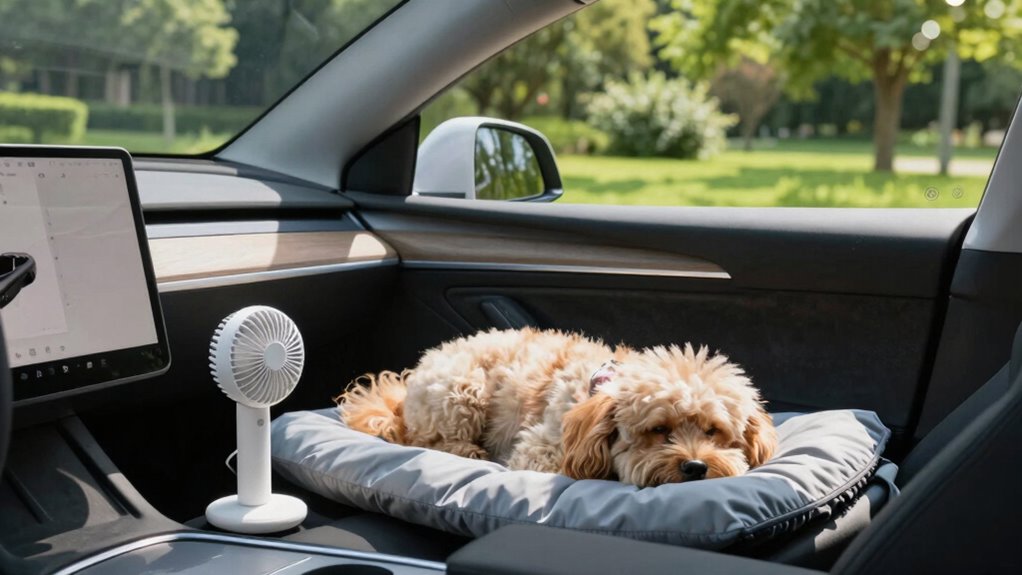
In addition to monitoring, consider investing in pet-specific car accessories that promote better airflow and cooling. Portable fans, reflective sunshades, and ventilated crates help regulate temperature and reduce the risk of overheating. Always plan your trips during cooler parts of the day, such as early mornings or late evenings, and avoid leaving your pet alone in the car, even for a few minutes. Remember, heat can build up fast, especially if your car is parked in direct sunlight. Proper heat regulation is essential for preventing heat-related stress or illness, particularly during summer months. Incorporating ventilation solutions can further improve airflow and temperature control inside your vehicle. Additionally, understanding vehicle interior temperatures can help you anticipate how quickly heat can rise in parked cars and take appropriate precautions. Being aware of ambient temperature levels outside your vehicle can also inform your decisions about timing and safety measures. It’s also helpful to know that heat buildup can occur rapidly, so proactive measures are always better than reactive ones.
Furthermore, practicing good dog car safety is vital. Secure your pet properly with harnesses or crates to prevent injury during sudden stops or accidents. Never let your pet ride in the front seat where airbags can pose a threat. Also, bring water and offer frequent hydration breaks to keep your pet well-hydrated and comfortable during longer journeys. These precautions, combined with vigilant temperature monitoring and appropriate vehicle accessories, greatly reduce the risk of heat-related stress or illness.
Ultimately, protecting your pet during transit involves more than just opening the windows. It requires active measures—using technology, proper equipment, and safe driving habits—to guarantee your pet stays safe and cool. When you prioritize dog car safety and keep a close eye on the temperature inside your vehicle, you demonstrate genuine care for your pet’s health and well-being on every trip.
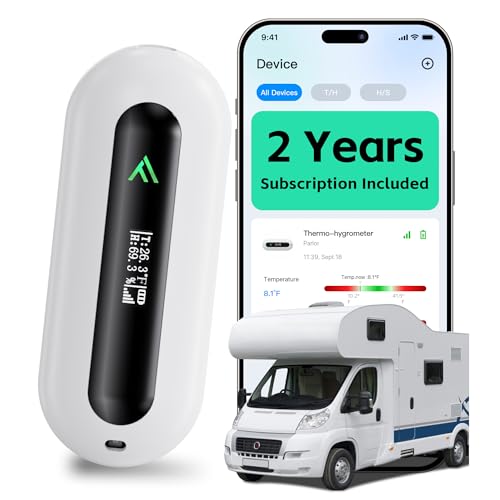
Cellular Temperature Monitor for RV Pet Safety – 4G Remote Temperature, Humidity & Power Outage Monitor for Vacation Home & Server Room | App Controlled | No WiFi | 2 Year Subscription Included
- Includes 2 Years Cellular Service: No WiFi needed, supports major networks
- Real-Time Alerts: App, SMS, email notifications for thresholds
- Unlimited Alert Notifications: 230 free SMS/month, unlimited app/email alerts
As an affiliate, we earn on qualifying purchases.
As an affiliate, we earn on qualifying purchases.
Frequently Asked Questions
How Can I Tell if My Pet Is Overheated During Transit?
You can tell if your pet is overheated during transit by watching for signs like excessive panting, drooling, weakness, or vomiting. Keep an eye on their behavior and check for rapid or labored breathing. Use temperature monitoring tools if available, and make sure they stay hydrated with regular hydration tips. If you notice any symptoms, immediately cool your pet down and seek veterinary care to prevent heatstroke.
Are There Specific Carriers Better for Heat Protection?
Choosing a carrier with clever construction counts. Look for carriers with superior insulation to shield against scorching temperatures and ample ventilation features to promote fresh airflow. These features work together to keep your pet cool and comfortable during transit. Select carriers that prioritize safety, featuring breathable materials and secure closures. By focusing on insulation and ventilation, you guarantee your pet stays protected and peaceful, even when the heat heats up around you.
What Signs Indicate My Pet Is Suffering From Heat Stress?
If your pet shows signs of heat stress, like heavy panting, drooling, weakness, or rapid heartbeat, act quickly. Make sure they stay hydrated with proper hydration strategies, offer cooling accessories like damp cloths or cooling mats, and move them to a cooler spot. Watch for lethargy or disorientation, and consult a vet immediately if symptoms worsen. Staying vigilant helps prevent heat-related emergencies during transit.
How Often Should I Check on My Pet During Transit?
You should check on your pet every 15 to 30 minutes during transit to guarantee their safety and comfort. Some might worry frequent checks disrupt travel, but prioritizing travel safety and pet comfort reduces stress for your furry friend. Regular checks help you spot signs of heat stress early and adjust conditions if needed. Staying attentive minimizes risks, making the journey safer and more comfortable for your pet.
Can Certain Breeds Tolerate Heat Better Than Others?
Some breeds have better heat resilience due to breed differences, but no breed is fully immune to heat stress. Dogs with thick coats, brachycephalic breeds, or those with darker fur tend to tolerate heat less effectively. You should always monitor your pet closely, guarantee proper ventilation, and provide plenty of water during transit. Even breeds considered more heat-tolerant still need protection to prevent overheating and ensure a safe journey.
Conclusion
Remember, your car isn’t just a vessel—it’s a tiny universe where your pet’s safety depends on your vigilance. Think of open windows as mere whispers against a roaring summer storm; they’re not enough. Instead, take proactive steps to shield your furry friend from the blazing sun’s fury. By doing so, you’re not just transporting a pet—you’re safeguarding a loyal companion’s comfort and life, turning every trip into a safe, cool oasis amid the heat’s relentless blaze.