TL;DR

Get pet supplies delivered free with Prime
- Fast, free delivery on millions of items
- Prime Video, Amazon Music and more included
- Member-only deals all year
A Springfield veterinarian has issued a warning about the dangers of heat exposure for pets, highlighting risks of paw burns and heat stroke. Owners are advised to take precautions during hot weather to protect their animals.
A Springfield veterinarian has issued a public warning about the increased risks of paw burns and heat stroke for pets during the current heatwave, emphasizing the importance of pet heat safety precautions as temperatures rise.
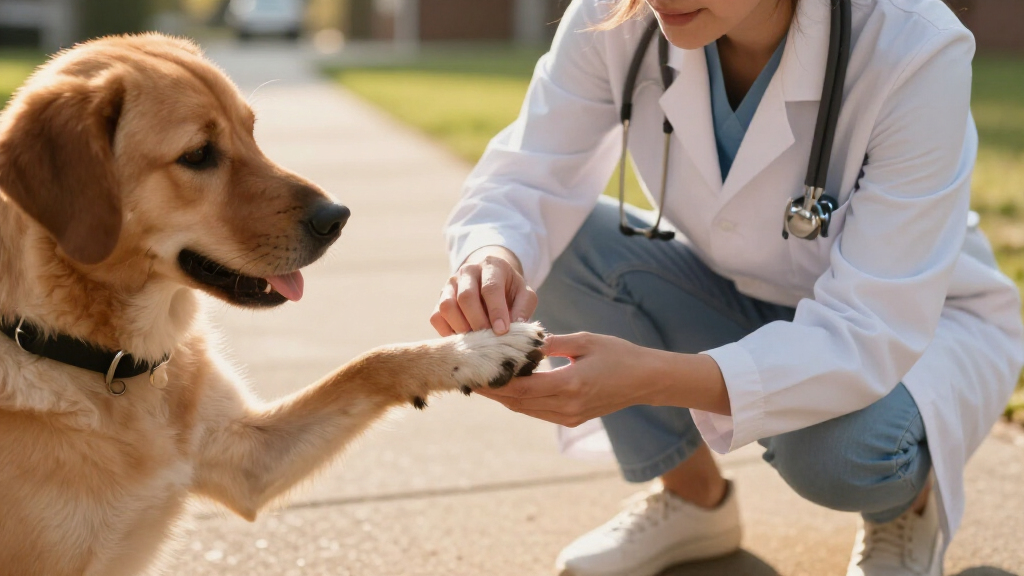
Dr. Lisa Carter, a veterinarian at Springfield Animal Care, stated that pets are at heightened risk of paw burns from walking on hot pavement and heat stroke during prolonged exposure to high temperatures. She urged owners to avoid walking pets during peak heat hours and to check pavement temperature before walks.
According to Dr. Carter, signs of heat stroke in pets include excessive panting, drooling, weakness, and collapse. She emphasized that immediate veterinary attention is critical if symptoms appear. The warning comes as Springfield experiences temperatures exceeding 90°F for several consecutive days.
Why Pet Heat Safety Is Critical This Summer
This warning highlights the health risks that extreme heat poses to pets, including heat stroke and burned paw pads. With temperatures rising, pet owners must take proactive steps to prevent serious injuries or fatalities, making this information vital for community safety and animal welfare.
Products Worth Considering

PETLIBRO Automatic Pet Feeder with 1080p Camera and Stainless Steel Slow-Feed Bowl

PetSafe Microchip Cat Door, Interior/Exterior, Multi-Pet, 4-Way Lock

Shark Pet Cordless Stick Vacuum, 40-Minute Runtime, Grey, IX141
As an affiliate, we earn on qualifying purchases.
Springfield’s Rising Temperatures and Pet Safety Concerns
Springfield has experienced a series of heatwaves this summer, with daytime temperatures consistently above 90°F. Veterinarians and animal advocates have reported an increase in heat-related emergencies among pets. Past summers have seen similar warnings, but this year’s sustained high temperatures amplify the risks.
Experts recommend avoiding outdoor walks during peak heat and providing pets with ample shade and water. Local shelters and veterinary clinics have also issued advisories to the community.
“Pets are especially vulnerable during hot weather. Owners should be cautious about pavement temperatures and watch for signs of heat stroke. Immediate action can save lives.”
— Dr. Lisa Carter, Springfield Animal Care
Uncertain Extent of Long-Term Impact and Specific Risks
It is not yet clear how many pets have been affected by heat-related injuries this season or whether specific breeds are more vulnerable. Data collection on incidents is ongoing, and veterinarians are monitoring trends.
Pet owners are advised to follow safety tips, such as avoiding outdoor activity during peak heat hours and checking pavement temperature. Local authorities plan to continue public awareness campaigns and may implement additional measures if heatwaves persist.
Veterinary clinics will remain on alert for heat-related emergencies, and community outreach efforts are expected to increase in the coming weeks.
Key Questions
How can I tell if my pet has heat stroke?
Signs include excessive panting, drooling, weakness, vomiting, and collapse. Immediate veterinary care is essential if these symptoms are observed.
What precautions can I take to protect my pet from paw burns?
Avoid walking your pet on hot pavement, especially during midday. Test pavement temperature with the back of your hand; if it’s too hot for your skin, it’s too hot for their paws.
Are certain breeds more at risk during hot weather?
While all pets are vulnerable, brachycephalic breeds (short-nosed dogs) and older animals may be more susceptible to heat stroke. Consult your veterinarian for breed-specific advice.
What should I do if I suspect my pet has heat stroke?
Move your pet to a shaded, cool area immediately, offer water if they can drink, and seek emergency veterinary care without delay.
Source: rss