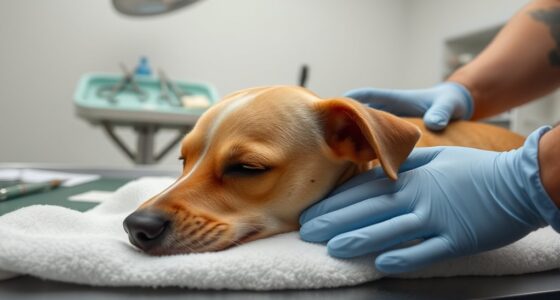

Your dog’s coat type considerably influences how often you should bathe them to protect their skin. Short-haired dogs usually need baths every 8-12 weeks, while long or curly coats benefit from baths every 4-6 weeks to prevent matting and skin issues. Overbathing strips natural oils and can cause dryness or irritation. By understanding your dog’s specific coat needs, you can maintain healthy skin and fur—keep exploring to learn more about tailoring the right routine.
Listen free for 30 days with Audible
Thousands of audiobooks and originals — cancel anytime.
As an affiliate, we earn on qualifying purchases.
Key Takeaways
- Long and curly-coated dogs typically need baths every 4-6 weeks to prevent matting and skin issues.
- Short-haired breeds generally require baths every 8-12 weeks, based on odor and dirt buildup.
- Overbathing can strip natural oils, causing dryness, irritation, and increased risk of skin infections.
- Use gentle, dog-specific shampoos and avoid harsh chemicals to maintain skin health.
- Regular grooming and monitoring coat condition help determine appropriate bathing frequency without overdoing it.
dog grooming shampoo for sensitive skin
As an affiliate, we earn on qualifying purchases.
As an affiliate, we earn on qualifying purchases.
Why Your Dog’s Coat Type Affects Bathing Needs
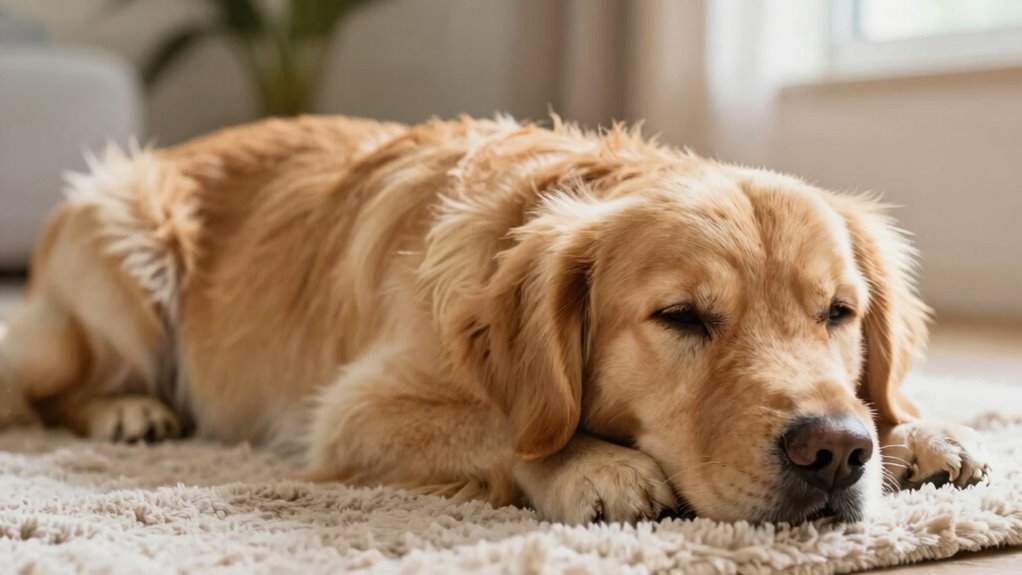
Your dog’s coat type directly influences how often you should bathe them because different coats have unique needs for cleanliness and maintenance. For effective dog grooming, understanding your dog’s specific coat helps you determine the right bathing schedule. Long or curly coats tend to trap dirt and debris more easily, requiring regular baths to keep them clean and healthy. Conversely, short-haired dogs usually don’t need frequent baths since their coat naturally resists dirt buildup. Proper coat maintenance depends on these differences, ensuring your dog stays comfortable and free of skin issues. Overbathing can strip natural oils, leading to dryness or irritation, so tailoring your grooming routine to your dog’s coat type is key to maintaining their health and appearance. Additionally, selecting energy-efficient grooming tools can help minimize environmental impact while caring for your pet.
How Often Should Short-Haired Dogs Be Bathed?
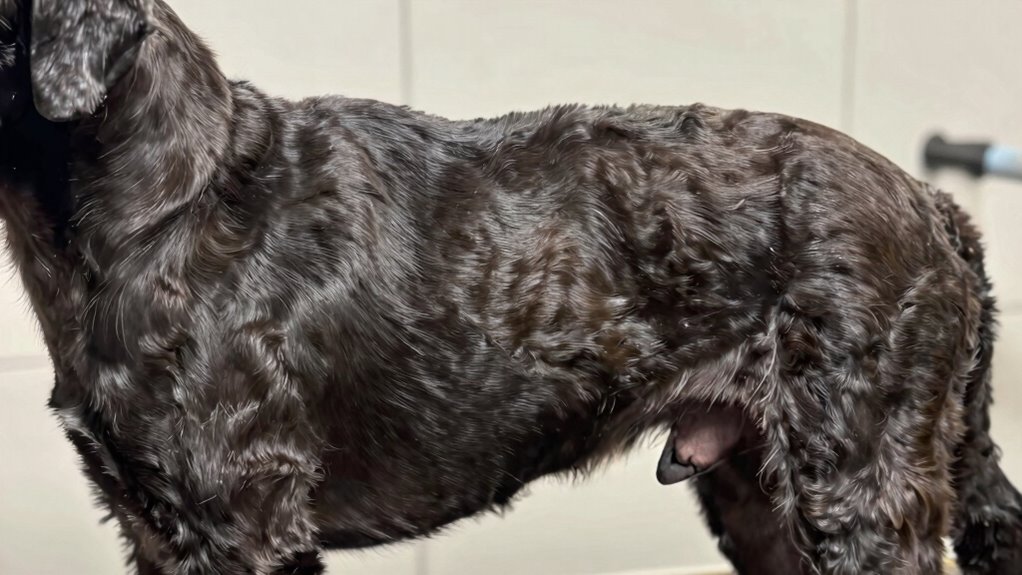
Short-haired dogs generally require less frequent bathing than their long-haired counterparts, but the right schedule still depends on their lifestyle and environment. If your dog spends a lot of time outdoors or rolls in dirt, more frequent baths may be necessary for proper coat maintenance. Conversely, if they stay mostly indoors and have minimal odor, bathing every 8-12 weeks suffices. To visualize how different factors influence bathing needs:
| Lifestyle | Bathing Frequency |
|---|---|
| Outdoor adventures | Every 4-6 weeks |
| Indoor, minimal odor | Every 8-12 weeks |
| Active in dirt | Every 4-6 weeks |
| Calm, clean environment | Every 8-12 weeks |
| Sensitive skin | Consult your vet |
Regular bathing not only helps keep your dog clean but also supports the health of their skin barrier, reducing the likelihood of irritation or infections. Adjust your dog grooming routine accordingly to keep your short-haired pup healthy, comfortable, and well-maintained. Proper grooming practices are essential for keeping your dog comfortable and preventing skin problems, especially when considering the importance of piercing care and hygiene for overall health. Additionally, choosing the right shampoo type can make a significant difference in managing your dog’s skin condition and coat appearance.
Bathing Tips for Long and Curly-Coated Dogs
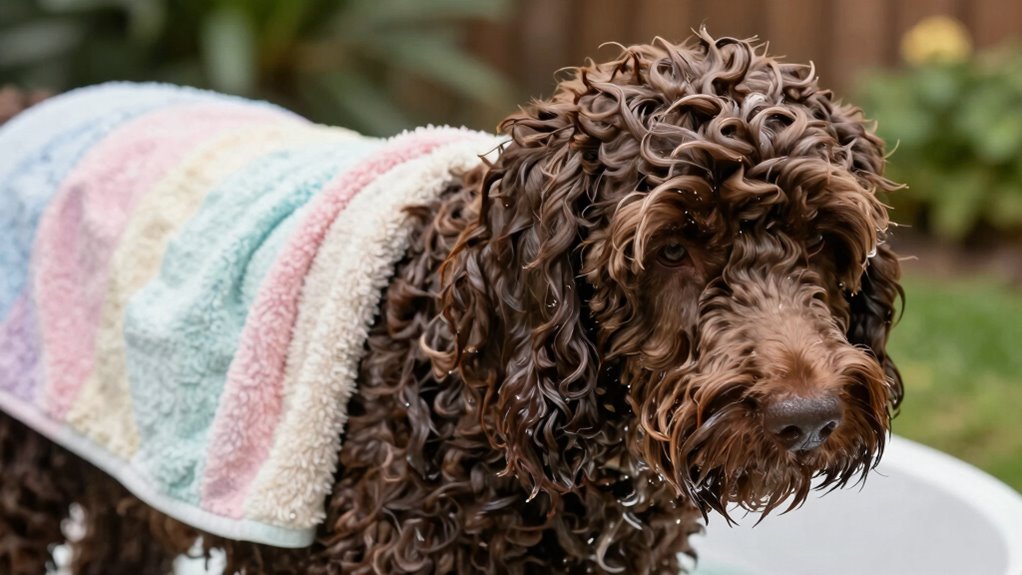
Long and curly-coated dogs require a different approach to bathing than their short-haired counterparts, mainly because their coats tend to trap dirt, debris, and moisture more easily. To keep their coat healthy, focus on proper coat maintenance and grooming routines.
Here are some tips:
- Bathe your dog every 4-6 weeks to prevent matting and skin issues.
- Use a gentle, moisturizing shampoo designed for curly coats.
- Comb and brush thoroughly before and after baths to remove tangles and loose hair.
- Dry the coat completely to prevent moisture from causing skin problems.
- Regular grooming routines are essential for long and curly-coated dogs to stay comfortable and happy, helping to maintain coat health and reduce the risk of skin irritation. Incorporating proper bathing frequency can also prevent overexposure to water and harsh chemicals, which may lead to skin problems, especially since skin health is influenced by bathing practices.
When to Change Your Dog’s Bathing Routine Based on Skin and Coat
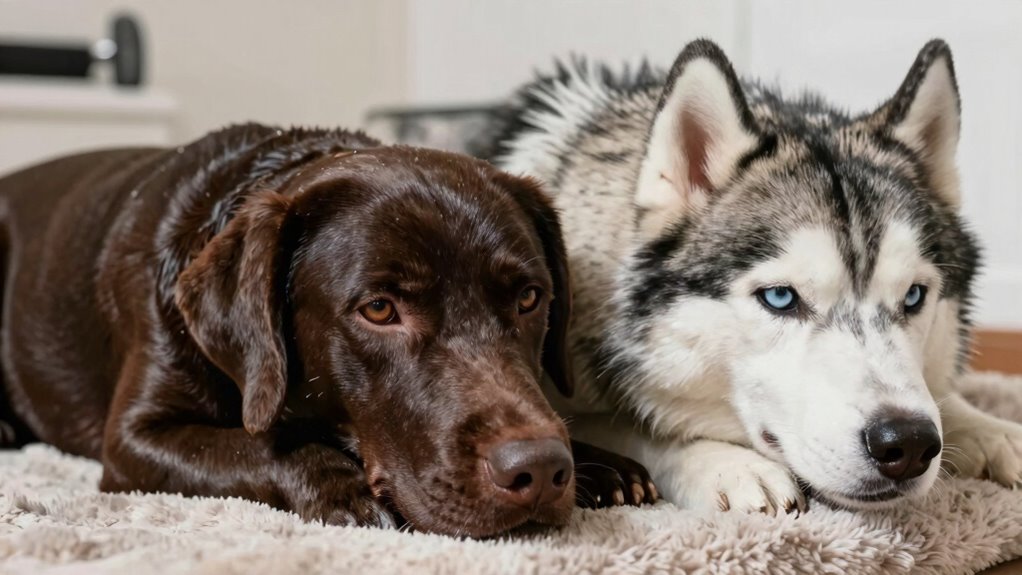
You should reconsider your dog’s bathing routine if you notice signs of skin issues or changes in coat condition. Flaky, irritated skin or dull, brittle fur can indicate that adjustments are needed. Staying alert to these signs helps keep your dog healthy and comfortable. Additionally, understanding the importance of a balanced Free Floating approach can prevent overbathing and maintain your dog’s natural skin oils. Recognizing skin health indicators can guide you in tailoring an appropriate bathing schedule that supports your pet’s well-being. Being aware of water chemistry factors can also influence the effectiveness of bathing routines and skin health. Incorporating the right filtration techniques can further protect your dog’s skin from potential irritants in the water.
Signs of Skin Issues
How can you tell if your dog’s skin is giving you warning signs? Watch for changes that indicate skin issues, which might be linked to diet or bathing habits. Here are some signs to look out for:
- Excessive scratching or licking, possibly caused by irritation or allergies.
- Redness, inflammation, or rashes that don’t improve with regular baths.
- Dry, flaky, or greasy skin that suggests underlying problems.
- Hair loss or bald patches, which can be signs of skin infections or poor nutrition from dog food.
- Pay attention to skin health fundamentals to better understand how bathing and diet can influence your dog’s skin condition.
- Maintaining an appropriate bathing schedule based on coat type helps prevent skin irritation, which is essential for overall skin health. Additionally, understanding coat type can guide tailored grooming routines.
- Regular check-ins with a veterinarian can help identify underlying causes of skin issues early on. Recognizing problematic signs promptly can lead to more effective treatments and better skin health for your dog.
Coat Condition Changes
Changes in your dog’s coat, such as dullness, excessive shedding, or greasy patches, often signal that it’s time to reassess their bathing routine. A dull coat may reduce its natural shine or coat sheen, indicating overbathing or the need for a different grooming approach. If you notice increased shedding patterns, it could mean your current routine isn’t supporting healthy skin or coat condition. Greasy patches suggest too frequent washing or using the wrong shampoo, which can strip natural oils. Adjusting your bathing frequency or switching to a conditioner suited for their coat type can restore shine and reduce shedding. Monitoring these coat condition changes helps you maintain ideal skin health and keeps your dog’s coat looking vibrant and well-kept. Using color accuracy and other factors from home cinema projectors can help you better understand the appropriate bathing frequency based on your dog’s coat type and regional factors. Additionally, understanding coat health indicators can guide you in selecting proper grooming practices to support your dog’s overall well-being. Recognizing skin sensitivity signs can further refine your grooming routine to prevent irritation and maintain comfort, especially when considering breed-specific needs that may influence grooming frequency and products used.
Common Mistakes That Lead to Overbathing and Skin Problems
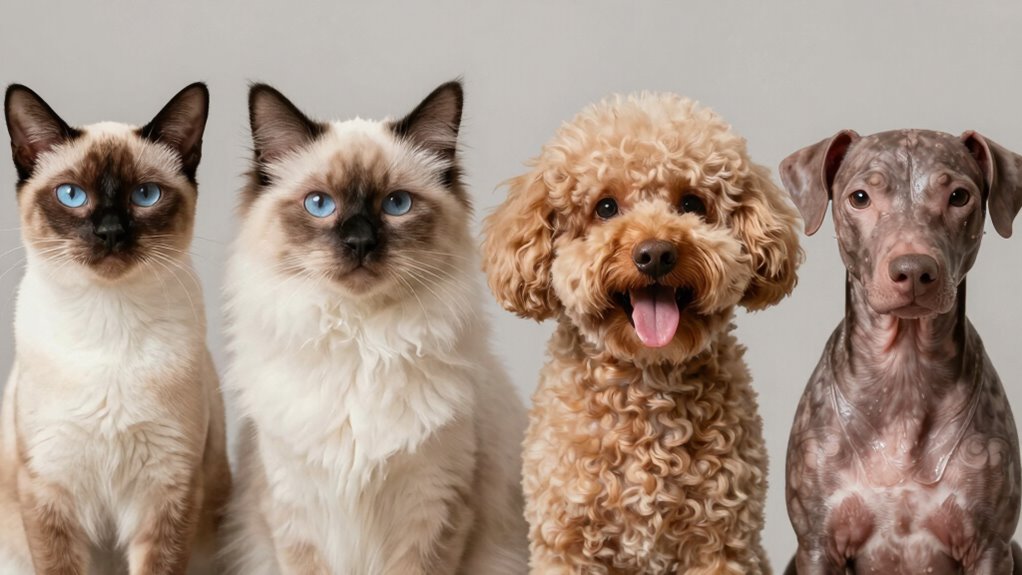
Overbathing can strip your dog’s natural oils, leading to dry, itchy skin. Using harsh shampoos or inconsistent grooming routines can further irritate their coat and skin. Avoid these mistakes to keep your dog healthy and comfortable.
Overbathing Destroys Natural Oils
When you wash your dog too frequently, you risk stripping away their natural oils, which serve as a vital barrier against dirt, dryness, and skin irritation. Overbathing can lead to excessive oil removal, weakening your dog’s coat health. This can cause dryness, itchiness, and increased susceptibility to skin infections. To avoid this, be mindful of these common mistakes:
- Using too frequent baths, especially with harsh shampoos
- Picking shampoos that don’t match your dog’s coat type
- Neglecting to rinse thoroughly, leaving residues that strip oils
- Not using conditioner or coat-specific products to replenish natural oils
- Ignoring the importance of proper drying techniques, which can also impact skin health. Additionally, understanding your dog’s coat type can help determine the ideal bathing frequency to maintain healthy skin and fur. Incorporating smart grooming tools can assist in achieving consistent and gentle bathing routines that support skin health.
Maintaining a proper bathing routine helps preserve those essential oils, keeping your dog’s coat shiny, healthy, and protected.
Using Harsh Shampoos
Using harsh shampoos can quickly damage your dog’s skin and coat, especially if you bathe too often. These shampoos strip away natural oils, leading to dryness, irritation, and coat damage. Always choose gentle, dog-specific formulas that suit your pet’s coat type. Avoid products with artificial fragrances, alcohol, or strong detergents. Using the wrong shampoo can cause long-term skin issues and worsen existing problems. Recognizing the impact of harsh shampoos helps prevent overbathing and maintains healthy skin. Here’s a quick comparison:
| Shampoo Type | Effect | Coat Damage Risk |
|---|---|---|
| Harsh Shampoos | Strips oils, irritates | High |
| Gentle Shampoos | Cleans without damage | Low |
| Medicated Shampoos | Treats issues, mild | Moderate |
| Natural Shampoos | Nourishes, soothes | Low |
Inconsistent Grooming Practices
Inconsistent grooming routines can lead to overbathing, which often causes skin irritation and damage. When grooming consistency isn’t maintained, you might bathe your pet too frequently or irregularly, upsetting their skin’s natural balance. This inconsistency can also result in missed spots or over-cleaning key areas, further harming their skin. To avoid these issues, stick to a steady bathing routine suited for your pet’s coat type. Here are common mistakes to watch out for:
- Varying bathing intervals without a plan
- Switching shampoos frequently
- Over-cleaning or under-cleaning specific areas
- Ignoring your pet’s skin response to grooming changes
Maintaining consistent grooming practices helps protect your pet’s skin and promotes healthier, happier skin.
How to Bathe Your Dog Without Removing Natural Oils
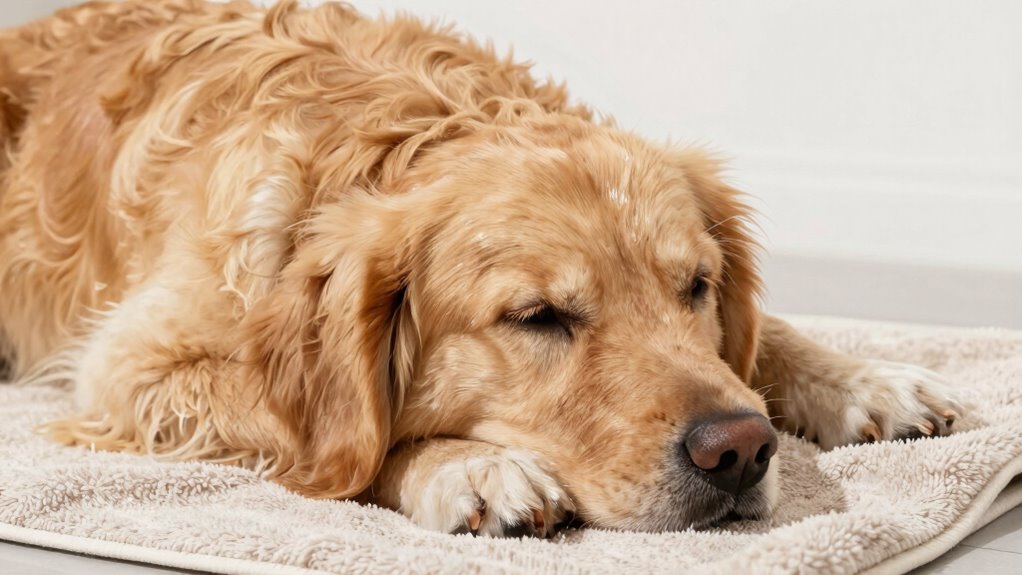
To keep your dog’s coat healthy and shiny, it’s essential to bathe them in a way that preserves their natural oils. These oils are crucial for maintaining skin health and protecting against dryness and irritation. Use lukewarm water and gentle, moisturizing dog shampoos designed to support skin barrier function. Avoid over-scrubbing or using harsh shampoos, which can strip away these oils. Instead, focus on thoroughly rinsing the shampoo to prevent residue buildup that can cause dryness. Limit baths to the necessary frequency based on your dog’s coat type, and consider applying a conditioner or natural oil treatment afterward to replenish lost moisture. By taking these steps, you help keep your dog’s skin healthy, their coat shiny, and their natural oils intact.
Signs Your Dog Needs More or Less Frequent Baths
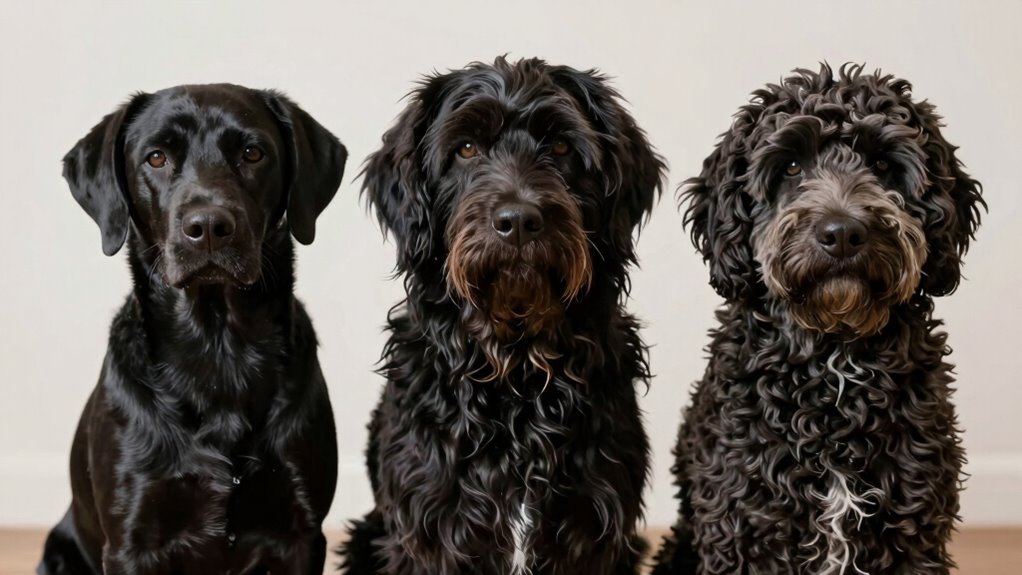
Wondering if your dog’s bathing schedule is on point? Pay attention to signs that indicate whether your dog needs more or less frequent baths to maintain proper coat maintenance.
Here are four key indicators:
- Itchy or irritated skin – Frequent scratching or redness suggests overbathing or a reaction to harsh products.
- Unpleasant odor – A persistent smell may mean your dog needs more regular baths or a different grooming routine.
- Oily or greasy coat – Excess oil buildup signals you might be bathing too infrequently.
- Dry, flaky skin – Over-bathing can strip natural oils, causing dryness and discomfort.
Monitoring these signs helps you adjust your dog grooming routine, keeping your pet comfortable and their coat healthy.
Creating a Custom Bathing Schedule for Your Dog’s Coat Type
Understanding your dog’s coat type is key to developing a bathing schedule that keeps them comfortable and healthy. Breed-specific grooming guides help you determine how often to bathe and what products suit their coat. For example, double coats require less frequent baths to preserve natural oils, while dogs with oily or sensitive skin may need more regular cleaning. Incorporate coat maintenance routines tailored to your dog’s needs, avoiding overbathing that can strip essential oils. Regular brushing also plays a crucial role in reducing dirt buildup, so consider it part of your overall grooming plan. By customizing your dog’s bath frequency based on their breed and coat type, you’ll promote a healthy, shiny coat and prevent skin issues.
Frequently Asked Questions
How Can I Tell if My Dog Is Overbathing?
You can tell if your dog is overbathing by noticing signs like skin irritation or coat dryness. If their skin becomes red, flaky, or shows signs of discomfort, you might be overdoing it. Additionally, a dull or brittle coat suggests too much bathing. To prevent this, stick to a bathing schedule recommended for your dog’s coat type and use gentle, moisturizing shampoos. Always observe your dog’s skin health and adjust accordingly.
Are There Natural Alternatives to Frequent Bathing?
Think of your dog’s skin like a delicate garden needing gentle care. Instead of frequent baths, try natural remedies like oatmeal or apple cider vinegar rinses, which soothe and clean without stripping oils. Use soothing alternatives such as herbal wipes or brushing to remove dirt and loose fur. These methods help maintain your dog’s natural balance, preventing overbathing and supporting healthy skin without harsh chemicals.
Does Diet Influence My Dog’s Skin Health?
Yes, your diet influences your dog’s skin health. Focus on nutrition tips like adding omega-3 fatty acids or vitamin E to promote a shiny coat and healthy skin. These supplement benefits help reduce dryness, itching, and inflammation. Avoid excessive treats or human food that may upset their balance. By feeding a balanced, nutrient-rich diet, you support your dog’s skin from the inside out, leading to a healthier, more comfortable coat.
Can Bathing Frequency Affect My Dog’s Allergy Symptoms?
Gently, you might find that bathing your dog too often can gently compromise their skin barrier, leading to increased coat dryness and heightened allergy symptoms. By striking a balance, you help maintain natural oils, supporting healthier skin and reducing irritation. Regular, appropriate baths prevent excess dryness and keep allergens at bay, ensuring your dog feels comfortable and less prone to allergy flare-ups. Proper bathing therefore plays a key role in managing their overall skin health.
What Products Are Best for Sensitive Skin Types?
For sensitive skin, you should choose gentle cleansers that are free from harsh chemicals and fragrances. Look for products with soothing ingredients like oatmeal, aloe vera, or chamomile, which help calm irritation and maintain your dog’s skin barrier. Always opt for formulations designed specifically for sensitive skin, and consult your veterinarian to make certain the products suit your pet’s unique needs, preventing further irritation or allergic reactions.
Conclusion
Remember, refining your routine is key to caring for your canine’s coat. By balancing baths based on coat type, you prevent problems and preserve natural oils. Pay attention to your dog’s skin signals and stay mindful of overbathing. With a thoughtful, tailored timetable, you’ll keep your pup’s coat clean, healthy, and comfortable. Consistency, care, and a keen eye create a comfortable, coat-conscious charm that charms both you and your furry friend.
Fall Picks
fall essentials
As an affiliate, we earn on qualifying purchases.