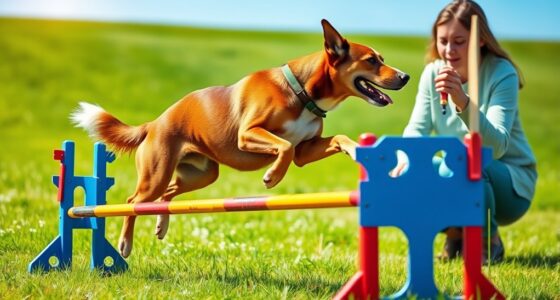

After agility sessions, give your dog a balanced meal rich in high-quality proteins and healthy fats to support recovery. Allow gentle cooldown activities like slow walking and check for signs of fatigue or discomfort. Make certain they have access to fresh water and a calm environment to relax. Monitor for injuries or overexertion to prevent future issues. Keep their safety in focus to help them stay healthy and ready for next time—more tips await to help you care even better.
Open a free Amazon Business account
Business pricing, bulk buying and tax-exempt orders.
As an affiliate, we earn on qualifying purchases.
Key Takeaways
- Provide a balanced, portion-controlled meal rich in high-quality protein and healthy fats to aid recovery.
- Offer fresh water and ensure proper hydration to prevent dehydration and support bodily functions.
- Incorporate gentle cool-down activities like slow walking or light stretching to ease muscle stiffness.
- Monitor for signs of fatigue, discomfort, or overexertion, and allow rest if needed.
- Check paws and body for injuries, and ensure the environment remains calm and comfortable for recovery.
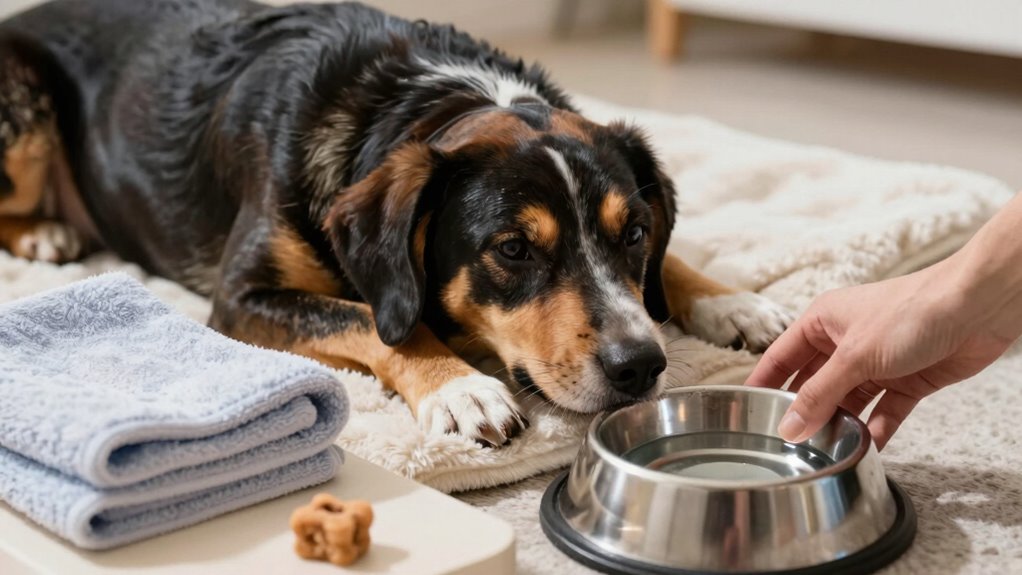
After an agility session, your dog needs proper recovery to stay healthy and prevent injuries. Restoring their energy and ensuring they recover safely is essential, and that means paying attention to their body’s needs. One of the most important aspects of post-activity care is considering dog nutrition. After intense exercise, your dog requires a balanced meal that replenishes lost energy and supports muscle recovery. Providing a meal rich in high-quality proteins, healthy fats, and essential nutrients helps repair tissues and rebuild glycogen stores. Hydration is equally critical, so make sure your dog has access to fresh water to prevent dehydration and maintain ideal bodily functions. Avoid overfeeding immediately after exercise, but don’t withhold nourishment either — timing and portion control matter to avoid digestive upset.
Post-agility recovery needs balanced nutrition, hydration, and gentle rest to keep your dog healthy and injury-free.
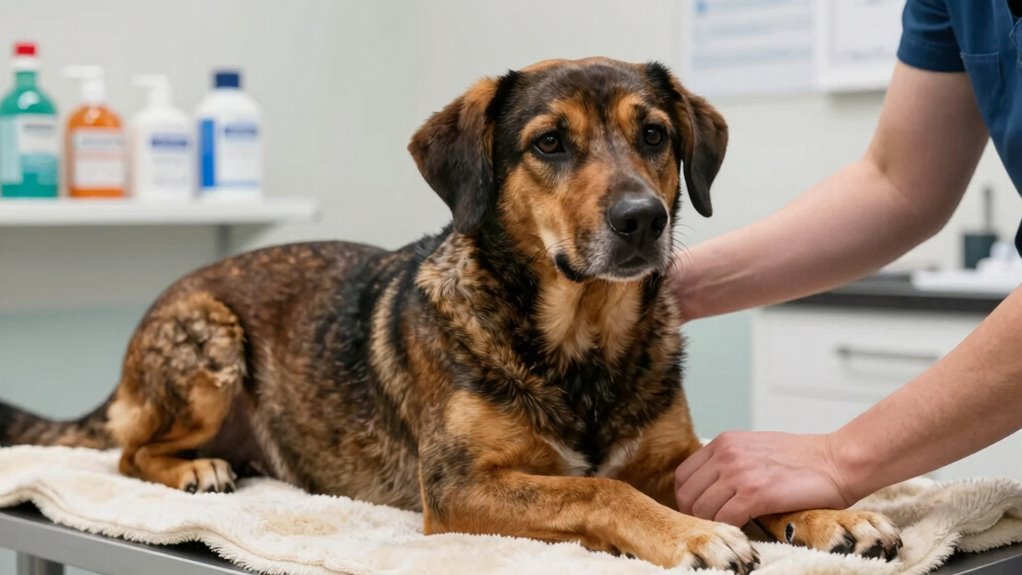
Exercise safety is another key element in post-agility recovery. It’s essential to monitor your dog for signs of fatigue or discomfort. If they seem overly tired, limping, or showing signs of pain, give them time to rest and consult a veterinarian if necessary. Overexertion can lead to injuries like strained muscles or joint issues, so always tailor their post-activity routine to their age, breed, and fitness level. Incorporating gentle cool-down activities, such as slow walking or light stretching, is important to gradually lower their heart rate and prevent stiffness. Never abruptly stop activity; easing them into rest helps reduce the risk of muscle soreness.
Paying attention to your dog’s body language after an agility session can tell you a lot about their recovery needs. If they’re panting heavily or seem reluctant to move, it’s a sign they need more rest. Keep their environment calm and comfortable to help them relax. Using cooling mats or fans can assist in lowering their body temperature, especially in hot weather. Regularly checking their paws for cuts, abrasions, or foreign objects is also part of good exercise safety, as agility can be tough on their feet. If your dog has any pre-existing health conditions, follow your veterinarian’s specific advice for post-exercise care. Recognizing signs of overexertion is essential to prevent injury and fatigue, ensuring your dog remains healthy and ready for future activities. Additionally, understanding the importance of biodiversity in canine health can help you provide a more holistic approach to their well-being. Incorporating proper recovery techniques can also enhance your dog’s overall resilience and performance in future agility sessions.
Ultimately, supporting your dog’s recovery after agility isn’t just about giving them water or a meal. It’s about understanding their individual needs, respecting their limits, and ensuring their safety throughout the process. Proper dog nutrition combined with careful exercise safety measures helps your dog stay healthy, happy, and ready for the next session. By paying close attention to these details, you’ll help prevent injuries and promote long-term agility success.
dog recovery food high protein healthy fats
As an affiliate, we earn on qualifying purchases.
As an affiliate, we earn on qualifying purchases.
Frequently Asked Questions
How Long Should Recovery Take After Agility Training?
Recovery time after agility training varies, but typically it takes 24 to 48 hours for your dog to fully rest and recover. During this period, monitor their behavior and watch for signs of fatigue or soreness. Incorporate proper training techniques and guarantee equipment safety to prevent injuries. Give your dog plenty of water, gentle exercise, and rest. If you notice persistent issues, consult your veterinarian for tailored advice.
Are There Specific Signs of Serious Injury to Watch For?
Keep your eyes peeled for signs of serious injury, like limping, swelling, or sudden weakness—that’s your first clue. Injury prevention matters, so always monitor your dog closely after training. In case of an emergency, be prepared with a first aid kit and know how to act swiftly. If you notice any of these signs, don’t hesitate to consult your vet immediately to guarantee your dog’s safety and speedy recovery.
Can I Give My Dog Pain Medication at Home?
You shouldn’t give your dog pain medication at home without consulting your veterinarian first. Dog pain management requires proper dosage and type of medication to avoid risks. Home remedy safety is essential, as some human medications can be toxic to dogs. Instead, contact your vet for guidance on safe pain relief options, ensuring your dog’s recovery is both effective and safe. Never administer medication without professional advice.
What Diet Is Best During the Recovery Period?
During recovery, you should focus on diet considerations that promote healing, like easily digestible, high-quality proteins and balanced nutrients. Incorporate nutritional supplements, such as omega-3 fatty acids, to reduce inflammation and support joint health. Avoid treats or foods high in fat or fillers. Always follow your vet’s guidance to tailor the diet to your dog’s specific needs, ensuring they get the right nutrients for a smooth and healthy recovery.
When Should I Consult a Veterinarian Post-Recovery?
Think of your dog as a finely-tuned instrument needing regular tuning. You should consult a veterinarian right after recovery if you notice unusual dog behavior, such as lethargy or loss of appetite, or if training adjustments aren’t yielding expected progress. Think of this visit as a safety net, catching any hidden issues early. Regular check-ins guarantee your dog’s recovery remains smooth, like a well-played melody, keeping your agility partner healthy and happy.
Conclusion
After your dog’s agility session, think of their recovery as a gentle tide, ebbing and flowing with care. Offer water like a soothing stream, let their muscles rest like a peaceful shore, and monitor their energy as a steady heartbeat. With patience and love, you’ll help them bounce back, ready to chase new heights. Remember, a well-tended pup is a happy, healthy star shining brightly in the agility sky.
NFL season / tailgating Picks
team gear
As an affiliate, we earn on qualifying purchases.