

Punishment may make your reactivity seem better at first by temporarily suppressing emotional responses, giving the illusion that behaviors are improving. However, it often pushes negative feelings underground instead of resolving underlying issues. This superficial compliance masks unresolved emotional turmoil, which can reappear more intensely later. Over time, your reactions may become more volatile or rebellious. If you want to understand how to address these deeper issues for lasting change, keep exploring this connection.
Key Takeaways
- Punishment temporarily suppresses outward reactions, making reactivity appear reduced before underlying emotional issues resurface.
- It creates an illusion of improved behavior without addressing root emotional causes.
- Surface compliance can mask unresolved feelings, leading to a false sense of progress.
- Punishment may initially calm reactivity but can intensify emotional responses over time.
- Short-term suppression can hide underlying dysregulation, making reactivity seem “better” before it worsens.

Punishment is often used as a tool to modify behavior, but its effectiveness can be considerably influenced by individual reactivity. When you apply punishment, you’re aiming to discourage unwanted actions, but how your reactions are perceived and internalized depends heavily on your personal reactivity. This means that, for some, punishment might initially seem to improve their behavior, but that improvement can be deceptive, masking underlying issues like emotional dysregulation that need more nuanced attention.
At first glance, you might notice that punishment suppresses certain behaviors, making them appear less frequent or less intense. This temporary suppression can give the illusion of effective behavior modification. However, what’s really happening is that you’re often shifting the emotional response rather than addressing the root cause. If you don’t consider emotional regulation, the punishment might just push negative feelings underground, leading to surface-level compliance rather than genuine change. The individual might seem to behave better, but underneath, unresolved emotional reactions are still present, waiting for an opportunity to surface later in a more intense or unpredictable way.
Punishment may hide emotions temporarily but doesn’t address underlying issues, risking surface compliance over genuine change.
This phenomenon occurs because punishment can trigger heightened reactivity, especially if you’re sensitive to criticism or correction. Your emotional regulation strategies come into play here—if you’re unable to manage the feelings of shame, frustration, or fear that punishment evokes, your reactive responses may intensify instead of diminish. In such cases, what looks like “better” behavior on the surface is often a masking of internal turmoil. Over time, this can lead to more volatile reactions or even rebellion, as the underlying emotional responses remain unaddressed and continue to influence behavior. Recognizing the impact of emotional responses can help in developing more effective approaches.
What’s essential to recognize is that initial improvements in behavior are often superficial if emotional regulation isn’t part of the solution. Instead of fostering genuine change, punishment might just be suppressing reactive responses temporarily. The role of individual reactivity is crucial here because it influences how someone responds to correction and how sustainable the behavioral change will be. The true goal of behavior modification should involve helping you develop healthier emotional regulation techniques, so you can respond more calmly and thoughtfully, even in challenging situations. When you focus on emotional regulation, the improvements become more sustainable because they’re rooted in internal change rather than external suppression. Recognizing the role of individual reactivity can help tailor approaches that promote lasting behavioral and emotional growth.
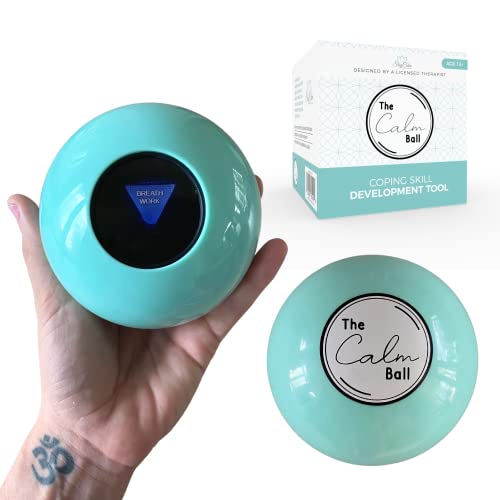
The Calm Ball – Therapist-Designed Coping Skills Ball with Guidebook
- Engaging Therapist-Designed Tool: Fun, innovative coping skills game
- 20 Calming Strategies: Includes journaling, meditation, tapping, more
- Guidebook Included: Provides tips and explanations for strategies
As an affiliate, we earn on qualifying purchases.
As an affiliate, we earn on qualifying purchases.
Frequently Asked Questions
How Does Punishment Impact Long-Term Behavior Change?
Punishment can temporarily suppress unwanted behavior, but it often hampers true behavior reinforcement and emotional regulation over the long term. When you rely on punishment, you may see short-term compliance, but it rarely teaches the underlying skills needed for lasting change. Instead, it can increase reactivity and fear, making long-term behavior change difficult. To foster genuine growth, focus on positive reinforcement and helping individuals develop healthier emotional regulation strategies.
What Are Alternative Methods to Punishment for Reducing Reactivity?
You can reduce reactivity by using positive reinforcement and fostering emotional regulation. When you reward calm, constructive responses, you encourage better behavior over time. Teaching yourself or others emotional regulation skills helps manage reactions more effectively, reducing impulsivity. Instead of punishment, focus on acknowledging progress and reinforcing desired behaviors. This approach builds trust and resilience, making reactivity less likely to escalate and more manageable in the long run.
Can Punishment Worsen Reactivity in Some Cases?
Sure, punishing someone can temporarily hide emotional responses, making reactions seem calmer. But in reality, it often worsens reactivity long-term, causing motivation shifts and increased emotional turmoil. You might think you’re winning, but you’re just building frustration and avoidance. Punishment can make reactivity look “better” on the surface, but underneath, it’s like putting a band-aid on a deep wound—things will only get worse if you don’t address the real cause.
How Does Individual Temperament Influence Reactions to Punishment?
Your individual temperament influences how you react to punishment, especially through emotional sensitivity. If you’re highly emotionally sensitive, punishment might trigger stronger reactivity, leading to frustration or fear. Conversely, someone with a calmer temperament may respond more quietly or withdraw. Recognizing your emotional sensitivity helps you understand your reactions to punishment, allowing you to develop healthier coping strategies and avoid escalating reactivity. This awareness can foster better emotional regulation over time.
What Role Does Consistency Play in the Effectiveness of Punishment?
Consistency is the superhero of effective punishment, turning the punitive effects into a powerful tool for change. When you’re unwavering, your discipline becomes a clear signal, establishing behavioral consistency that helps your actions stick. Without it, punishment becomes a confusing rollercoaster, mimicking temporary improvements while hiding underlying issues. You need steady, predictable responses to truly shape behavior, or else the punitive effects may seem effective but ultimately fall apart, causing more confusion than progress.
Conclusion
So, next time you consider punishing someone to curb their reactivity, remember—what seems like an immediate improvement might hide a darker truth. The surface may look calmer, but beneath it, unresolved tensions simmer, waiting to resurface even stronger. Will you truly understand what’s happening beneath the calm facade? Or will you be caught off guard when the storm breaks again, perhaps even worse than before? Sometimes, what’s visible isn’t the whole story—just the quiet before the inevitable.