
TL;DR

Get pet supplies delivered free — and shop member deals
- Fast, free delivery on millions of items
- Access to Prime Big Deal Days deals on October 6–7
- Prime Video, Amazon Music and more included
Pet experts warn that extreme heat can rapidly become dangerous for dogs, leading to heatstroke and death. Owners are advised to take extra precautions during hot weather to protect their pets.
Extreme heat can quickly become life-threatening for dogs, according to veterinary experts and animal rescue organizations. The warning comes amid recent heatwaves across multiple regions, highlighting the urgent need for owners to take precautions to prevent heatstroke and other heat-related illnesses in their pets.
Pet health professionals have emphasized that dogs are particularly vulnerable to high temperatures because they cannot sweat to cool themselves effectively. Instead, they rely on panting and limited sweat glands, making them susceptible to heat exhaustion and heatstroke during periods of extreme heat. Recent reports from veterinary clinics and animal rescue groups indicate a surge in heat-related emergencies in dogs, especially during daytime hours when temperatures peak.
According to Dr. Lisa Martinez, a veterinarian based in California, “Dogs can develop heatstroke within minutes if left in hot cars or exposed to high temperatures without shade or water.” Authorities are advising pet owners to avoid walking dogs during the hottest parts of the day, ensure access to shade and water, and never leave pets unattended in parked vehicles. The American Veterinary Medical Association (AVMA) has issued guidelines emphasizing these precautions, noting that heatstroke can cause organ failure and death if not treated promptly.
This warning is significant because it highlights a preventable cause of pet death during heatwaves. As climate change leads to more frequent and intense heat events, the risk for dogs increases, especially for owners unaware of the signs of heatstroke. Immediate action can save lives, but many owners remain uninformed about the dangers and necessary precautions.
Public awareness is crucial to reduce pet fatalities during heatwaves. The surge in emergency cases underscores the need for more education and proactive measures by pet owners, local authorities, and animal welfare organizations.
As an affiliate, we earn on qualifying purchases.
Recent Heatwaves and Rising Pet Emergency Cases
Over the past month, several regions in the U.S. and Europe have experienced record-breaking temperatures, prompting heat advisories and warnings. Veterinary clinics have reported a spike in heat-related emergencies among dogs, including symptoms such as excessive panting, weakness, vomiting, and collapse. Historically, heatstroke cases tend to increase during heatwaves, but recent data suggest the situation is worsening, possibly due to increased urban heat and lack of awareness among pet owners.
Animal rescue organizations have also reported a rise in dogs found in parked cars or exposed to direct sunlight without shade. Authorities have issued multiple warnings about the dangers of leaving pets in vehicles, which can reach lethal temperatures within minutes.
Unclear Extent of Long-Term Impact and Owner Awareness
It is not yet clear how widespread the long-term health impacts of heatstroke are among dogs after recent heatwaves. Additionally, the level of awareness among pet owners about the specific dangers and preventive measures remains uncertain, with some reports indicating gaps in knowledge and preparedness.
Next Steps for Protecting Dogs During Heatwaves
Veterinary groups and animal welfare organizations plan to launch targeted public awareness campaigns to educate owners about the signs of heatstroke and safe practices. Authorities are also expected to increase monitoring of parked vehicles and public spaces to prevent heat-related incidents. Further research into the long-term health effects of heat exposure in dogs is anticipated to better inform future guidelines.
Key Questions
What are the first signs of heatstroke in dogs?
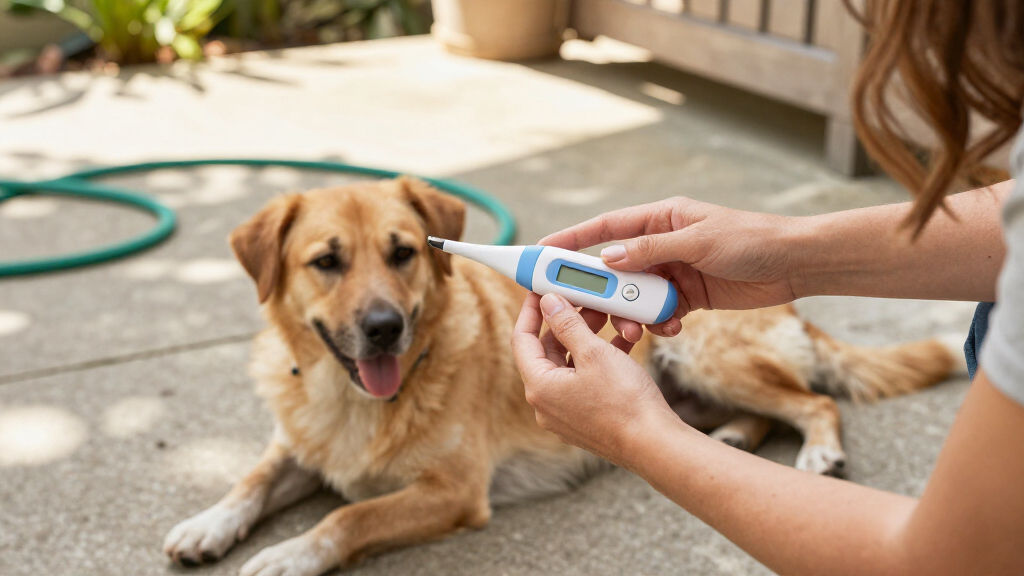
Signs include excessive panting, drooling, weakness, vomiting, diarrhea, and collapse. Immediate veterinary attention is required if these symptoms appear.
How can I protect my dog during a heatwave?
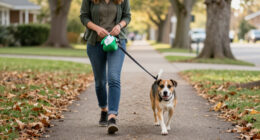
Keep your dog indoors during peak temperatures, provide plenty of shade and fresh water, avoid walking during the hottest parts of the day, and never leave your pet in a parked vehicle.
Are some breeds more vulnerable to heatstroke?
Yes, brachycephalic breeds (such as Bulldogs and Pugs) are more susceptible due to their shorter airways, but all dogs can be at risk during extreme heat.
What should I do if I suspect my dog has heatstroke?
Move your dog to a cooler area immediately, offer water if they can drink, and seek veterinary care urgently. Do not attempt to cool them down with ice or cold water excessively, as this can cause shock.
Source: rss
Halloween Picks
halloween
As an affiliate, we earn on qualifying purchases.