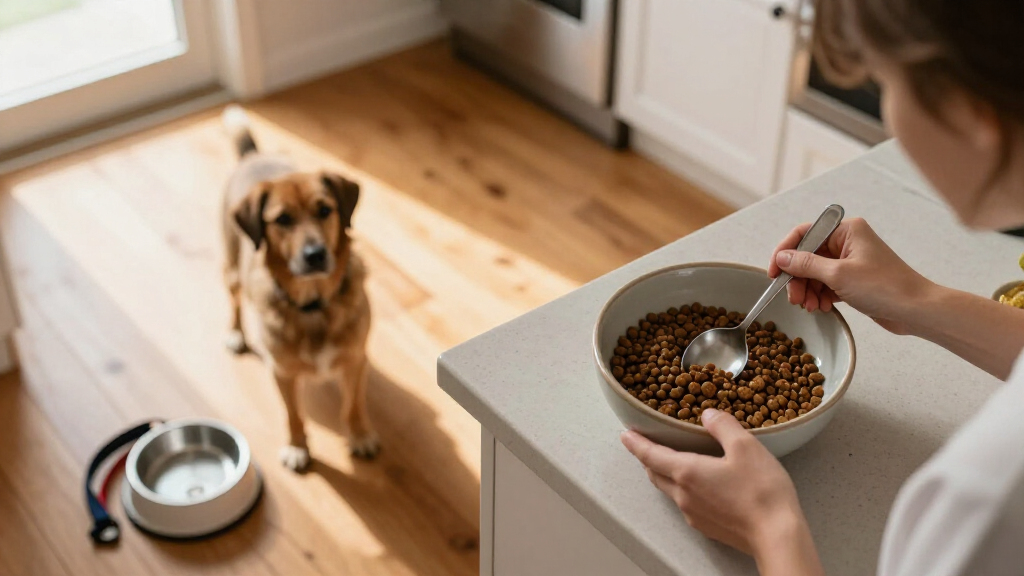

TL;DR
The supplied Veterinary Practice News material includes the headline “Healthy stool in as little as 24 hours,” but provides no report text explaining what caused the result or how it was measured. The claim cannot be independently assessed from the available information, and readers should not treat it as veterinary guidance.
A Veterinary Practice News page is headed “Healthy stool in as little as 24 hours,” but the material provided for this report does not identify the animal, product, intervention or evidence behind that statement. The headline signals a rapid outcome, yet the available page text is not enough to establish that healthy stool was achieved, how the result was assessed or whether the claim applies beyond a particular case.

Get pet supplies delivered free with Prime
- Fast, free delivery on millions of items
- Prime Video, Amazon Music and more included
- Member-only deals all year
The supplied source is a Veterinary Practice News webpage. Its text, however, consists largely of site promotions and listings: an upcoming veterinary-practice growth session, a newsletter sign-up, subscription content and an advertisement about practice management software. It contains no article body explaining the stool-related headline.
No study, clinical trial, veterinary expert, pet owner, manufacturer or treatment is named in the material. It gives no information about species, symptoms, sample size, comparison group or follow-up. It also does not describe what “healthy stool” means, how that status was checked, or whether the 24-hour period refers to a measured outcome or a marketing claim.
Those omissions mean the headline is the only supplied basis for the apparent health claim. The claim should not be recast as a verified result or as a recommendation for treatment. The available text does not establish that a food, supplement, medication or other intervention can reliably change an animal’s stool within that time.
Why a 24-Hour Stool Claim Needs Evidence
Changes in stool can be a visible sign of an animal’s health, so a promise of improvement within 24 hours may influence what owners feed or give their pets and whether they seek veterinary care. Without details of the underlying report, readers cannot tell whether the headline describes a specific observed case, a controlled test or a generalized product claim.
That distinction matters because an improvement in stool appearance alone does not establish the cause of a problem or show that it has resolved. Owners should not delay care or change a pet’s diet or medication based solely on a headline. A veterinarian can assess the animal’s symptoms and advise on appropriate next steps; this source excerpt supplies no clinical guidance.
Products Worth Considering

PETLIBRO RFID Automatic Cat Feeder with Collar Sensor

PetSafe Guardian GPS 2.0 Dog Fence and Tracking Collar

PETLIBRO Automatic Cat Feeder with 1080P Camera and Night Vision
As an affiliate, we earn on qualifying purchases.
What the Supplied Page Contains
The source is identified as an Original report from Veterinary Practice News, with a link to a page whose title refers to healthy stool in as little as 24 hours. The text included alongside that reference does not reproduce the relevant report. Instead, it shows unrelated publisher content, including a promotional notice for a veterinary business session dated October 22, 2026.
That promotional date belongs to the listed event; it does not establish when the stool-related page was published. The supplied material also gives no timeline for the purported 24-hour outcome. As a result, the report’s publication timing and the circumstances behind the headline remain unverified from the text available here.
Evidence Behind the Headline Is Absent
The supplied text does not show who made the claim, which animals it concerns, what intervention was involved or how stool health was defined. It provides no study methods, results, veterinary commentary or disclosures that would allow the claim to be checked. It is also unclear whether the headline refers to a news report, a product promotion or another type of content.
Without the article’s full text and any cited evidence, the claim cannot be evaluated for reliability or general relevance. No conclusion about effectiveness, safety or likely timing is supported by the information supplied. The headline alone should not be taken as proof that an animal’s stool will become healthy within a day.
Full Report Needed to Verify Claim
The next step is to review the complete Veterinary Practice News article and any research or source material it cites. That would be needed to identify the intervention, population, measurement criteria and limits of the reported finding. The supplied excerpt does not state whether additional reporting or a follow-up is planned.
Until those details are available, the claim remains unverified in the material provided. Pet owners concerned about diarrhea, constipation or another change in stool should contact a veterinarian for advice based on the animal’s condition rather than rely on the headline.
Key Questions
Does the supplied source prove that healthy stool can be achieved in 24 hours?
No. The supplied material includes the headline, but no study results, case details or supporting evidence.
What treatment or product is associated with the headline?
The provided text does not identify a treatment, food, supplement or product connected to the claim.
Which animals does the claim refer to?
The source material provided does not specify a species, age group or health condition.
Should a pet owner wait 24 hours before seeking veterinary advice?
The headline is not veterinary guidance. Owners concerned about a pet’s symptoms or stool changes should ask a veterinarian for advice appropriate to that animal.
Source: rss