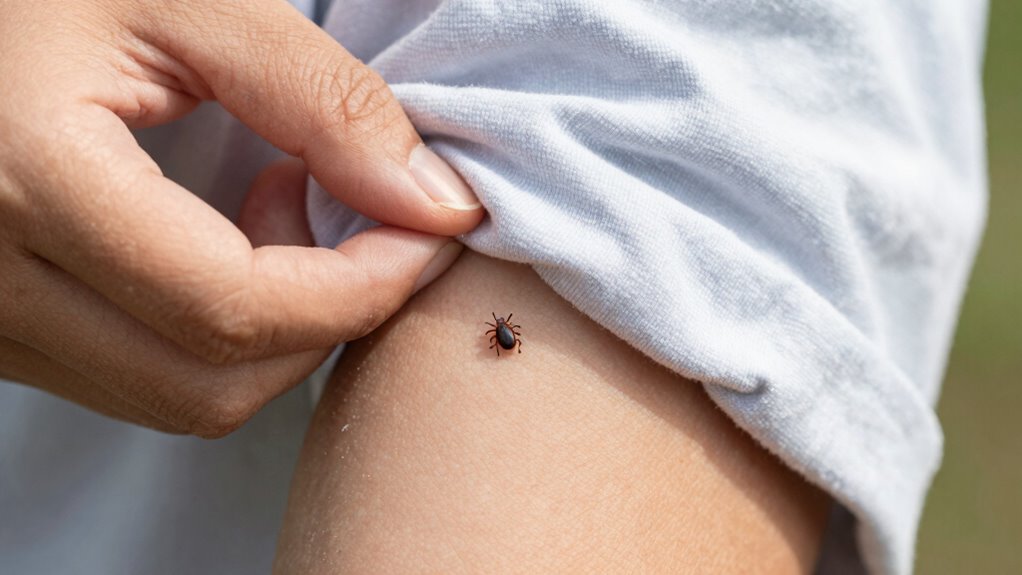

Ticks hide in tall grasses, shrubs, leaf litter, and moist, shady areas like wooded edges. After outdoor activities, thoroughly check your body, focusing on skin folds, behind ears, underarms, and groin, using a mirror or magnifier. Inspect your clothing and gear for ticks too. If you spot one, remove it carefully with tweezers, clean the area, and watch for symptoms. Continue exploring to learn more about safe tick habits and prevention tips.
Key Takeaways
- Ticks prefer grassy, leaf litter, shrubs, and moist shaded areas near woods and forest edges.
- Common hiding spots on the body include behind ears, underarms, groin, and skin folds.
- Conduct thorough checks of skin, clothing, and gear after outdoor activities, especially in high-risk habitats.
- Use fine-tipped tweezers or removal hooks to grasp the tick close to skin and pull steadily without twisting.
- Watch for symptoms like rash or fever after removal; seek medical care if symptoms develop or tick was attached over 24 hours.

Acronde 3 Pack Tick Remover Tool Set Stainless Steel Tick Remover Kit
- Complete Tick Removal Kit: Includes tweezer, hook, and fine-tip tools
- Safe and Effective: Removes ticks from pets and humans of all sizes
- User-Friendly Design: No instructions needed, easy to use
As an affiliate, we earn on qualifying purchases.
As an affiliate, we earn on qualifying purchases.
Where Do Ticks Live and Hide?

Have you ever wondered where ticks tend to hide? These pests prefer specific tick habitats that make them hard to spot. They often cling to grassy areas, leaf litter, and shrubs near wooded regions. Ticks seek out hiding spots where they can easily latch onto a passing host, such as deer, rodents, or even humans. You’re most at risk in areas with tall grass or dense vegetation, especially during warm months. They tend to crawl onto your clothes or skin when you brush against these environments. Ticks don’t jump or fly; instead, they wait patiently in their hiding spots until a host passes by. Recognizing these common hiding spots helps you understand where to be extra cautious during outdoor activities. Additionally, understanding tick habitats can aid in preventing bites and potential disease transmission.
How to Perform a Tick Check After Outdoor Activities
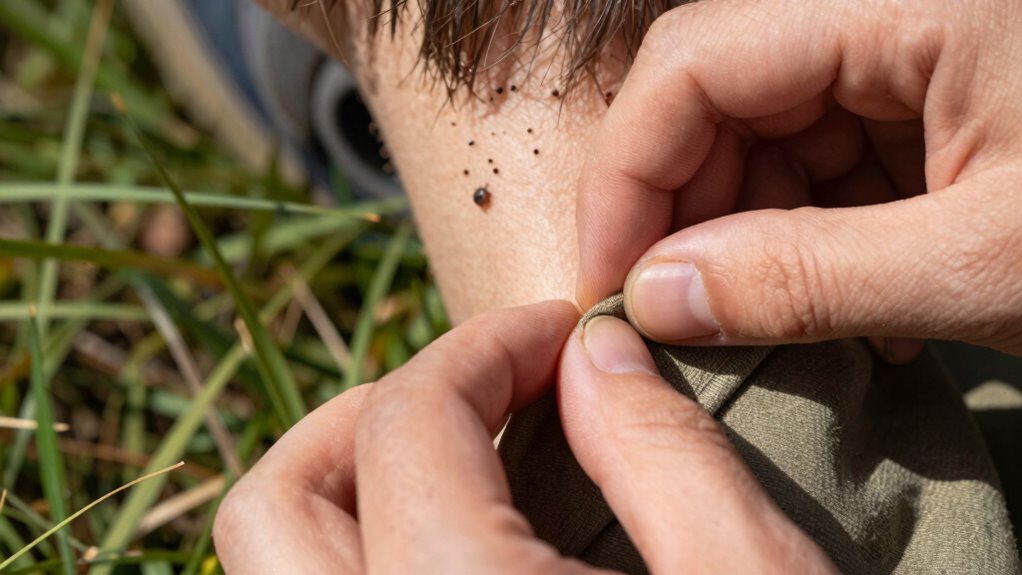
After outdoor activities, you should carefully check your body for ticks, focusing on common areas like the scalp, behind the ears, and around the waistband. Use proper removal techniques if you find a tick, ensuring you grasp it close to the skin and pull steadily without twisting. Doing thorough tick checks helps prevent potential infections and keeps you safe. Additionally, inspecting areas where ticks are more likely to hide, such as skin folds or hair, can be crucial for effective removal. Understanding tick habitats can also help you identify the most common hiding spots and reduce your risk of bites. Being aware of reliable backup power options can ensure you’re prepared for emergencies, just as thorough tick checks prepare you for outdoor safety. Proper removal techniques are essential to ensure the entire tick is removed without leaving mouthparts behind.
Focus on Common Areas
Wondering where ticks like to hide? They often cling to common areas where your skin comes into contact with tick habitats, like behind your ears, under your arms, around your waist, and in your groin area. Ticks can also hide on your outdoor clothing, especially in folds, seams, or cuffs. Carefully check these spots after outdoor activities, paying close attention to every fold and crease. Don’t forget to examine your scalp and neck, as ticks often latch onto hair or skin folds. Ticks prefer warm, moist areas, so be thorough in these regions. Taking time to focus on these common areas ensures you catch any ticks early, reducing the risk of bites and potential disease transmission.
Use Proper Removal Techniques
To effectively remove ticks, you need to perform a thorough and careful check of your entire body and clothing after outdoor activities. Pay close attention to common tick habitats like your scalp, behind your ears, underarms, and groin. If you find a tick, use proper removal tools such as fine-tipped tweezers or a tick removal hook. Grasp the tick as close to your skin as possible and pull upward with steady, even pressure. Avoid twisting or squeezing the tick, which can cause infection. After removal, clean the bite area and your hands with soap and water or alcohol. Proper removal techniques minimize the risk of disease transmission and ensure the entire tick, including its mouthparts, is removed completely. Additionally, understanding tick habitats can help improve your chances of finding and removing ticks before they latch on. Being aware of tick behavior can further assist in preventing bites and potential illnesses. Regularly performing body checks after outdoor exposure is essential, especially in high-risk environments.
What to Do If You Find a Tick on Your Body
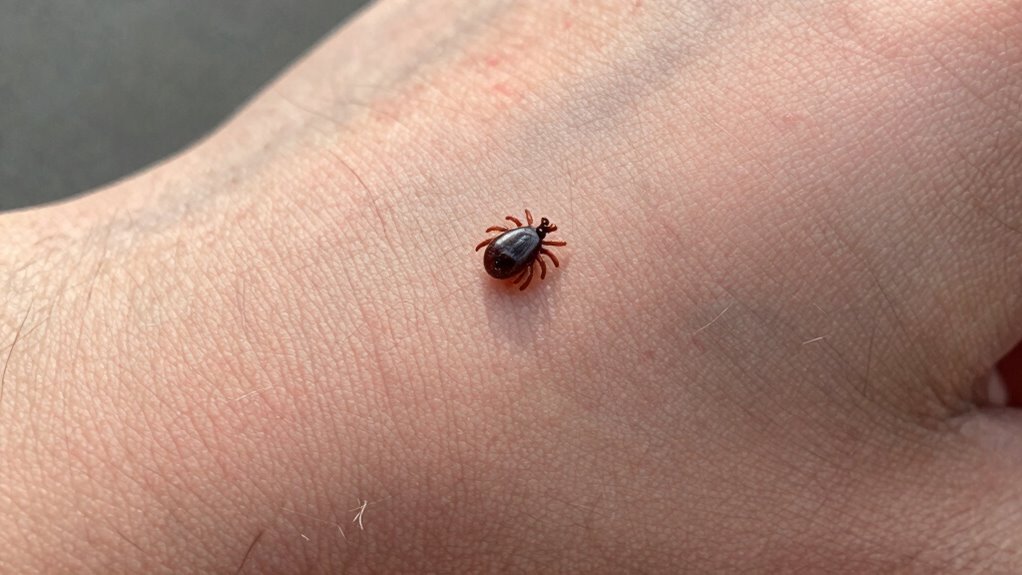
If you find a tick on your body, it’s important to remove it carefully using proper techniques to guarantee leaving parts behind. After removal, keep an eye on your symptoms and watch for any signs of illness. Taking these steps helps ensure your safety and reduces the risk of infection. Additionally, understanding tick-borne disease prevention and how to properly manage your assets can be beneficial if you are considering long-term financial planning. Proper knowledge of natural habitats and outdoor safety measures can further reduce the likelihood of tick encounters during outdoor activities. Implementing smart outdoor monitoring devices can also help alert you to potential tick habitats in your yard or outdoor spaces.
Safe Removal Techniques
When you find a tick attached to your skin, it’s crucial to remove it promptly and correctly to reduce the risk of disease transmission. Ticks often hide in areas with dense tick habitat, like behind ears, underarms, or groin, where their behavior keeps them attached for blood meals. To remove a tick safely, use fine-tipped tweezers and grasp it as close to your skin’s surface as possible. Pull upward with steady, even pressure—avoid twisting or squeezing, which can cause mouthparts to break off. After removal, clean the bite area and your hands with rubbing alcohol or soap and water. Proper removal minimizes the chance of infection and ensures the tick doesn’t remain embedded or leave behind mouthparts. Understanding tick behavior can help you better identify and avoid hiding spots during outdoor activities, especially in high-risk environments where ticks are more prevalent. Being aware of zodiac traits can also influence your vigilance during outdoor adventures, particularly for those with personalities inclined to overlook safety precautions.
Monitoring for Symptoms
After removing a tick, it’s important to monitor your body for any signs of illness over the following days or weeks. Recognize symptoms early to ensure prompt treatment. Pay close attention to flu-like symptoms, rash, fever, or fatigue. Use this chart to help with health monitoring:
| Symptom to Watch | When to Seek Help | Possible Disease |
|---|---|---|
| Rash | Within 3-30 days | Lyme disease |
| Fever | Within 1-2 weeks | Babesiosis |
| Fatigue | Any time | Tick-borne illness |
| Muscle Pain | Any time | Other infections |
Being aware of disease symptoms can help you identify potential health issues early. Recognizing vector-borne diseases is crucial for timely intervention and treatment. Additionally, understanding how tick habitats vary can aid in preventing future bites and exposure. Proper removal techniques and awareness of tick behavior are also essential components of effective prevention.
The Best Ways to Remove a Tick Safely
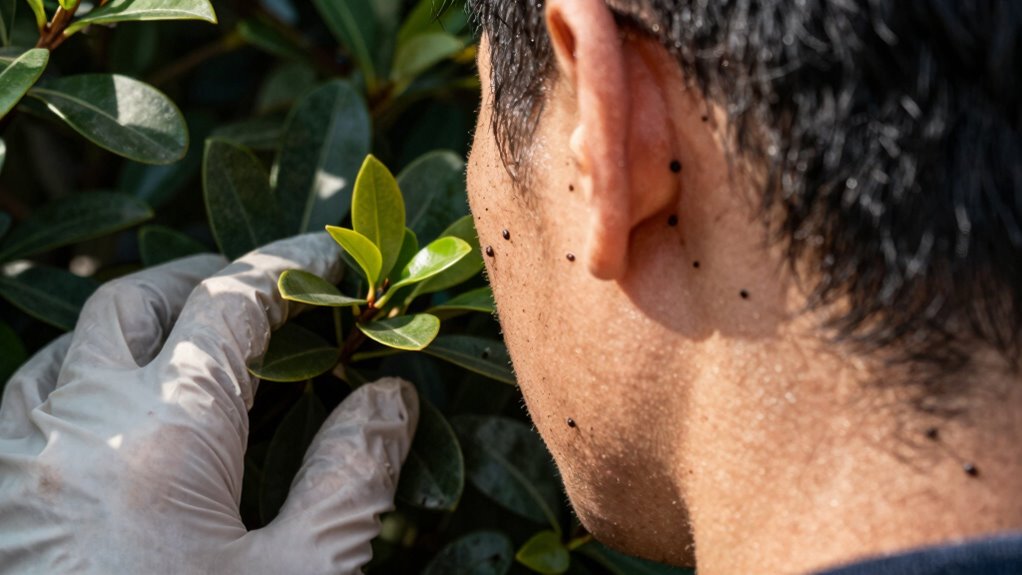
Removing a tick safely is essential to prevent the transmission of diseases. To do this effectively, use proper removal methods that minimize the risk of squeezing the tick or leaving parts behind. First, grab fine-tipped tweezers and grasp the tick close to your skin, avoiding its body. Pull upward with steady, even pressure without twisting. It’s important to stay aware of the tick habitat, as ticks tend to latch onto areas like the scalp, behind the ears, or underarms. After removal, disinfect the bite area and your hands thoroughly. Avoid using folk remedies like burning or applying oils, which can cause the tick to burrow deeper. Correct removal methods guarantee you eliminate the tick safely and reduce your risk of infection. Additionally, understanding how everyday kitchen tools work can help you stay prepared for emergencies like tick bites, ensuring you respond quickly and effectively. Being familiar with first aid techniques can further assist in managing bites until you get proper medical attention. Knowing symptoms of tick-borne illnesses can help you identify if medical care is needed promptly. Remember, practicing safe removal techniques can greatly lower the chance of disease transmission.
Tips to Prevent Ticks During Hikes and Outdoor Recreation
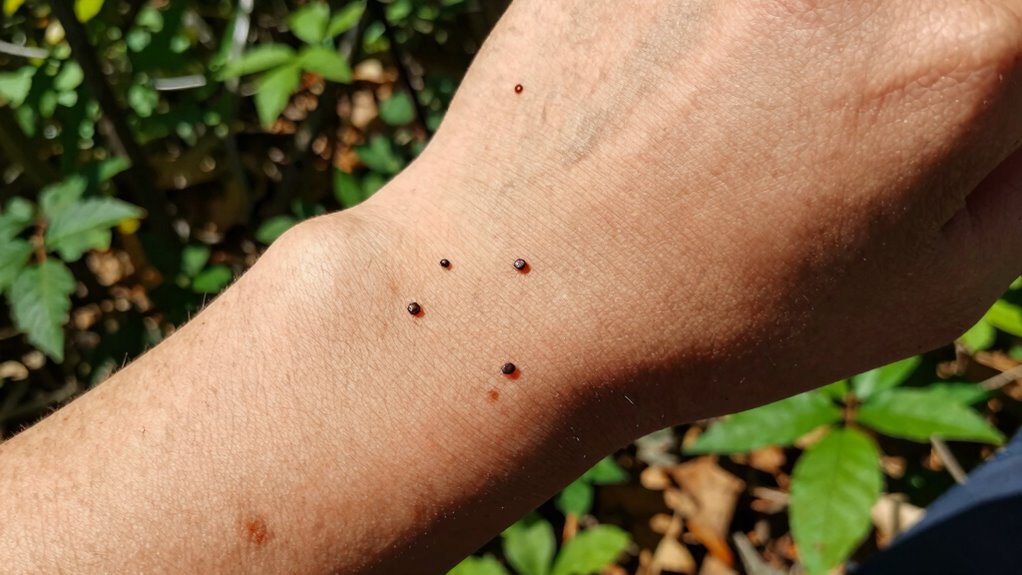
To reduce your risk of tick bites during outdoor activities, it’s important to take preventive measures before heading into tick habitat areas. Start by wearing long sleeves, pants tucked into your socks, and closed-toe shoes to minimize exposed skin. Use insect repellent containing DEET or permethrin on clothing and gear for added protection. Stick to well-maintained trails and avoid tall grasses, leaf litter, and brush where ticks commonly hide. Regularly check your clothing and gear for ticks during breaks. After your hike, shower promptly and conduct a thorough tick check on yourself and your gear. These prevention tips can notably lower your chances of tick bites and reduce the risk of tick-borne illnesses during outdoor recreation.
When to See a Doctor After a Tick Bite

It’s important to see a doctor promptly if you notice symptoms such as fever, rash, fatigue, muscle aches, or joint pain within a few days to weeks after a tick bite, as these can be signs of tick-borne illnesses like Lyme disease. Don’t ignore these warning signs, especially if you’ve been in areas with high tick habitat awareness. Early medical attention can help prevent complications. You should also seek medical care if:
- The tick was attached for more than 24 hours
- The bite site becomes red or swollen
- You develop flu-like symptoms
- You’re unsure about the tick’s identification or removal process
Being vigilant after a tick bite is vital for your health and helps catch any tick-borne illnesses early.
Diseases Transmitted by Ticks You Should Know
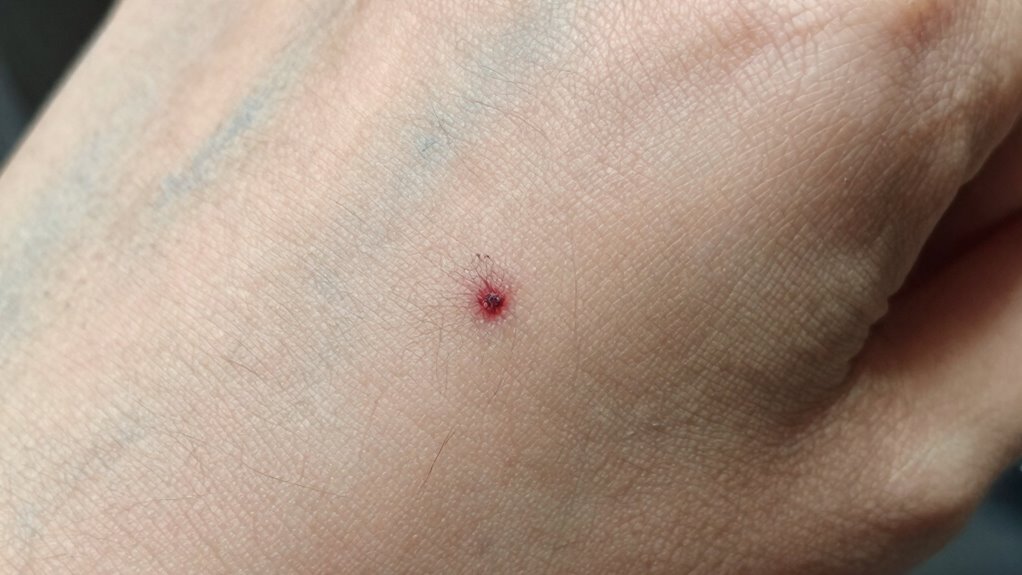
Ticks can transmit a variety of serious diseases, making it essential to understand the risks involved after a bite. These tick-borne diseases can cause symptoms ranging from mild flu-like signs to severe health issues. Knowing which illnesses to watch for helps with disease prevention and timely treatment. Common tick-borne diseases include Lyme disease, Rocky Mountain spotted fever, anaplasmosis, and babesiosis. Here’s a quick overview:
| Disease | Symptoms | Risk if untreated |
|---|---|---|
| Lyme disease | Fever, rash, fatigue | Chronic health problems |
| Rocky Mountain fever | Fever, headache, rash | Serious complications |
| Anaplasmosis | Fever, chills, muscle aches | Severe illness if ignored |
| Babesiosis | Fever, anemia, fatigue | Blood complications |
Stay vigilant, remove ticks promptly, and practice disease prevention. Additionally, understanding tick habitats can help reduce exposure and improve prevention efforts.
Tools and Products to Make Tick Checks Easier
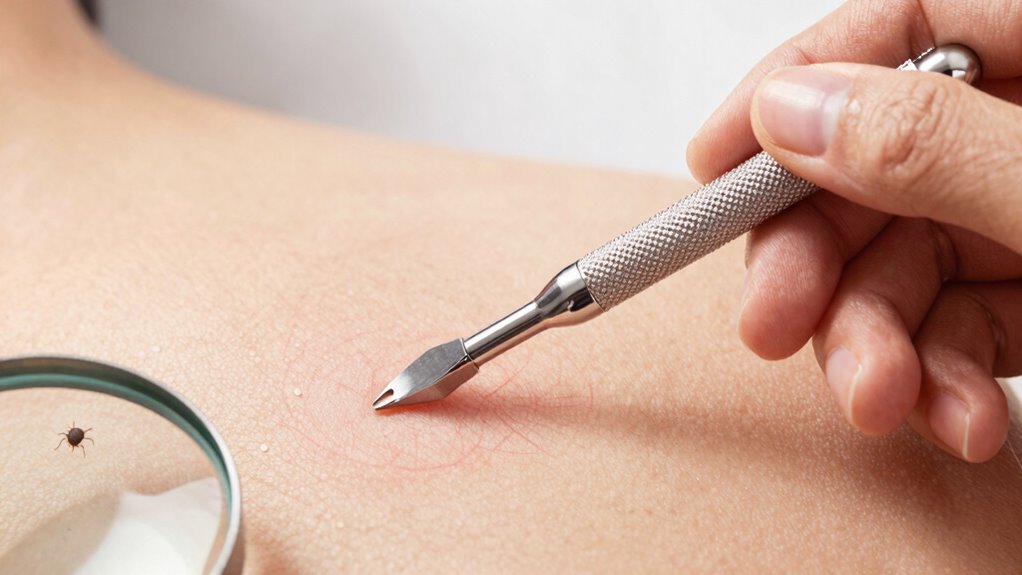
Keeping your skin clear of ticks after outdoor activities can be challenging, but the right tools and products make the process much easier. Using tick repellents before heading outside can reduce your chances of getting bitten, while carrying a magnifying glass helps you spot tiny ticks that might hide in hair or clothing. A tick removal tool, like fine-point tweezers, makes it simple to grasp and remove ticks safely. Additionally, a mirror can help you check hard-to-see areas. Invest in a tick check kit that includes these essentials to streamline your inspection routine. With these tools, you can confidently identify and remove ticks quickly, reducing your risk of disease transmission and ensuring a safer outdoor experience.
- Tick repellents
- Magnifying glasses
- Fine-point tweezers or tick removal tools
- Portable mirror
Common Tick Habitats and How to Recognize Them
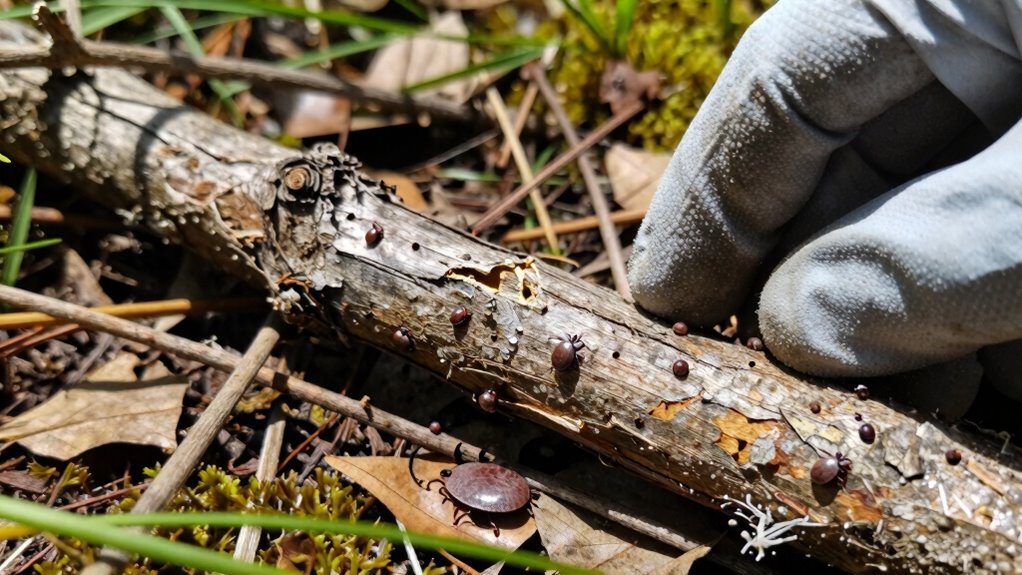
Understanding where ticks live is key to avoiding them during outdoor activities. Ticks thrive in specific habitats, so recognizing these areas helps you stay safe. Look for tick habitats like tall grasses, leaf litter, wooded edges, and shrubs. These environments provide the moisture and host animals ticks need. To improve habitat recognition, note these common features:
| Habitat Type | Features | Risks |
|---|---|---|
| Tall grasses | Dense, shady, moist areas | High tick concentration |
| Leaf litter | Decaying leaves on the ground | Increased contact risk |
| Shrubs & bushes | Low-hanging branches, thick foliage | Easy tick access |
| Forest edges | Transition zones between woods and fields | Common tick gathering spots |
Frequently Asked Questions
How Long Does a Tick Need to Be Attached to Transmit Disease?
A tick typically needs to be attached for at least 24 hours to transmit disease, but some can do so in as little as 12 hours. The key is understanding the tick attachment duration and disease transmission threshold; the longer it stays, the higher the risk. So, you should check your body thoroughly and remove ticks promptly to reduce your chances of illness. Always act quickly once you find a tick.
Are There Any Natural Remedies to Repel Ticks Effectively?
You can try natural repellents like citronella, eucalyptus, or tea tree oil, which are effective herbal solutions to deter ticks. Apply these herbal solutions to your skin and clothing before heading into tick-prone areas. While they may not be as strong as chemical repellents, many people find them a safer, eco-friendly option. Reapply regularly, especially after sweating or swimming, to maintain their repellent effects.
Can Pets Carry Ticks Into the Home Unnoticed?
Did you know that pets can carry ticks into your home unnoticed? Regular pet grooming helps spot ticks early, reducing your risk. Using effective tick prevention products is essential; they create a barrier that keeps ticks off your pets and out of your home. Stay vigilant—check your pets after outdoor activities and maintain consistent grooming routines to protect your family from tick-borne illnesses.
What Are the Symptoms of Tick-Borne Illnesses?
You might notice symptoms like fever, headache, fatigue, and a rash if you have Lyme disease or Rocky Mountain spotted fever. Lyme disease symptoms often include a bull’s-eye rash, joint pain, and muscle aches, while Rocky Mountain spotted fever signs include a rash starting on your wrists and ankles, fever, and muscle pain. If you experience these, see a healthcare provider promptly for diagnosis and treatment.
How Often Should I Check for Ticks During Outdoor Activities?
You should check for ticks every couple of hours during outdoor activities, especially if you’re wearing proper clothing and tick-proof gear. Make it a habit to do thorough tick checks after spending time in grassy, wooded, or bushy areas. Focus on areas like your scalp, behind your knees, and around your waist. Regular checks help catch ticks early, reducing the risk of tick-borne illnesses.
Conclusion
By staying vigilant and knowing where ticks hide, you become a fortress against unseen invaders. Regular tick checks are your shield, and quick removal keeps danger at bay. Remember, a simple action can save you from a world of trouble—like catching a tiny, lurking shadow before it slips away. With the right tools and awareness, you’re the guardian of your outdoor adventures, turning the wilderness into a safe haven rather than a hidden threat.