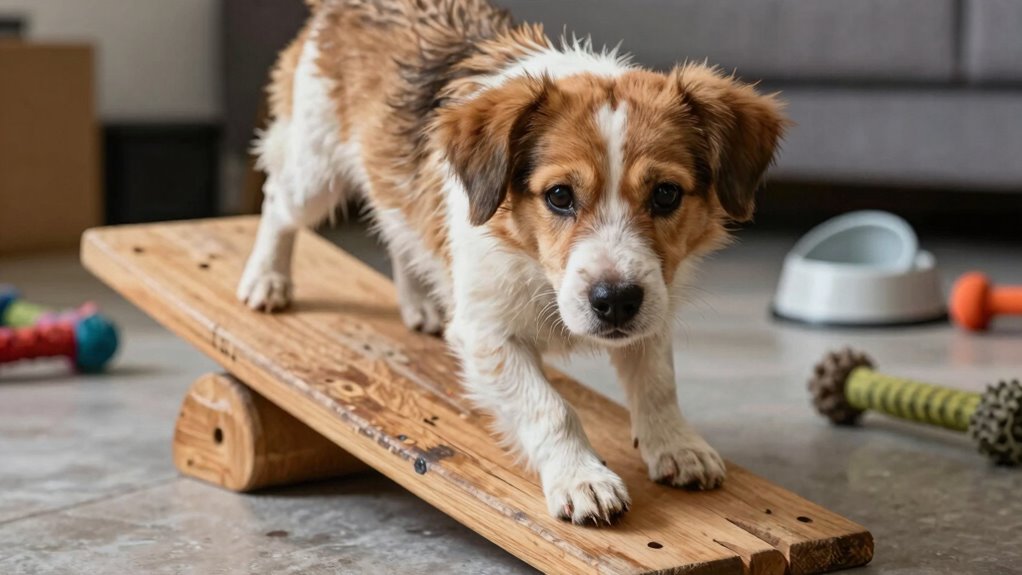

Using a balance board for your dog the wrong way can increase stress and cause injuries, especially if you push too hard or rush progress. Forcing your dog or using punishment damages trust and can create negative associations. Always supervise training, guarantee the board is stable, and focus on positive reinforcement. Patience and proper setup are key to building confidence safely. Keep these tips in mind, and you’ll discover more ways to make training both safe and enjoyable.

Get pet supplies delivered free — and shop member deals
- Fast, free delivery on millions of items
- Access to Prime Big Deal Days deals on October 6–7
- Prime Video, Amazon Music and more included
Key Takeaways
- Pushing dogs too hard on the board can increase stress and reduce confidence.
- Using balance boards as punishment fosters negative feelings and mistrust.
- Lack of supervision or unstable surfaces heighten injury risks during training.
- Rushing or forcing complex movements may cause hesitation and setbacks.
- Neglecting positive reinforcement can hinder progress and damage the dog’s enjoyment.
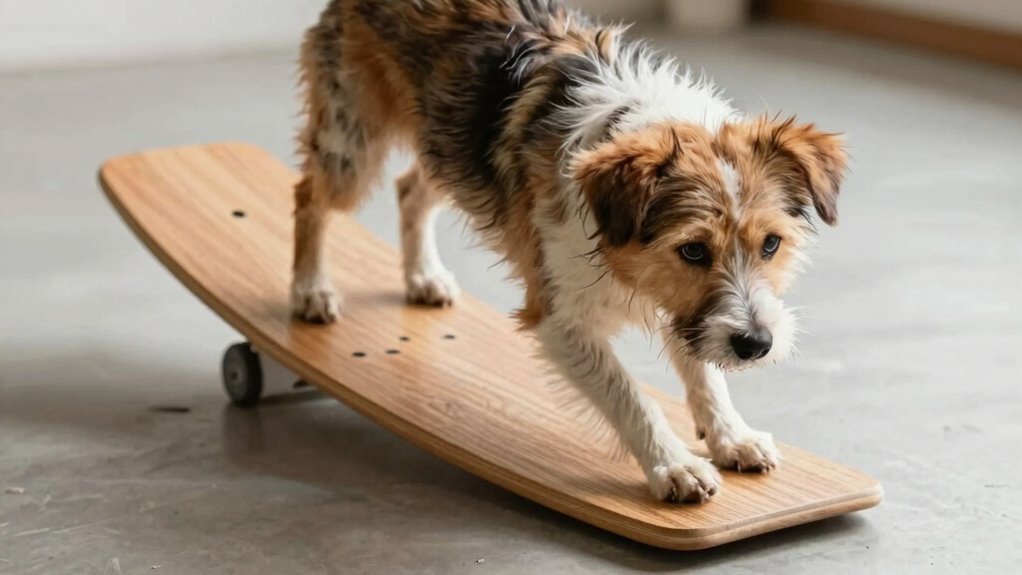
One of the biggest errors you can make is pushing your dog too hard, too fast. If your dog isn’t comfortable or confident on the board, forcing them to stay on longer or to perform complex movements can increase their stress. This approach undermines their confidence instead of building it. Remember, dog training should be positive and patient. You want your dog to associate the balance board with fun, not fear. Start with short sessions and plenty of praise, allowing your dog to explore at their own pace. Rushing can cause your dog to become hesitant or even develop a negative association with the equipment.
Another common mistake is neglecting proper supervision and safety measures. If the balance board is unstable or placed on slippery surfaces, your dog could slip and hurt themselves. Make sure the board is secure and on a non-slip surface. Never leave your dog unsupervised on the balance board, especially during initial attempts. An unsteady or unpredictable environment can lead to falls and injuries, which not only set back your training but may also discourage your dog from participating in future exercises. Proper safety precautions are essential to prevent accidents and ensure a positive training experience. Additionally, understanding the benefits of balance training can motivate you to maintain safety and consistency. Incorporating canine physical health considerations can further enhance your training approach and prevent injuries. Recognizing the importance of patience in training can help you stay calm and consistent, making the experience more effective for your dog.
Furthermore, avoid using the balance board as a form of punishment, as it can create negative associations. If your approach involves scolding or punishing your dog for not staying on the board or for falling off, you’ll create negative associations. Instead, focus on rewarding your dog for successfully balancing or for making progress, no matter how small. This positive reinforcement helps your dog associate balance exercises with good feelings and keeps training enjoyable. Building trust and confidence is crucial, and positive reinforcement techniques are fundamental in achieving this. Remember, patience and consistency are key to successful balance training.
As an affiliate, we earn on qualifying purchases.
Frequently Asked Questions
Can Balance Boards Help With My Senior Dog’s Joint Issues?
Balance boards can help your senior dog’s joint issues if used correctly, but only under supervision. They promote gentle strengthening and improve stability, which may ease discomfort. However, you need to prioritize balance board safety to prevent accidents. If your dog shows signs of dog anxiety or discomfort, stop immediately. Always consult your vet before starting, ensuring exercises are safe and appropriate for your senior dog’s health.
Are There Specific Breeds That Benefit Most From Balance Boards?
You’re barking up the right tree by asking about breed suitability for balance board benefits. Small breeds like Chihuahuas and Dachshunds can gain from improved coordination and muscle strength, but larger or more active breeds, like Border Collies or Labs, often see the most significant gains. However, always tailor the use of balance boards to your dog’s individual needs, and consult your vet to avoid making things worse.
How Long Should My Dog Use the Balance Board Each Session?
You should start with short sessions, around 5 minutes, and gradually increase as your dog becomes comfortable. Use proper training techniques to guide them safely, and always prioritize safety precautions, like supervising your dog closely. Watch for signs of fatigue or discomfort, and stop if needed. Keep sessions positive and calm, ensuring your dog enjoys the activity without risking injury or frustration.
Can Balance Boards Replace Regular Exercise Routines?
Balance boards shouldn’t replace your dog’s regular exercise routines. They’re great for training safety and improving balance, but they lack the cardiovascular and muscle-building benefits of walks or play. Rely on balance boards as a supplement, not a substitute, to guarantee your dog stays healthy and active. Also, choose durable equipment that can withstand regular use. Proper training and supervision are essential to avoid injury and maximize benefits.
What Signs Indicate My Dog Is Uncomfortable or Scared on the Board?
You’ll notice signs like trembling, whining, or attempts to jump off if your dog is uncomfortable or scared on the balance board. Puppy anxiety and leash training can heighten their stress, making them hesitant or fearful. Pay attention to their body language—ears back, tail tucked, or avoiding eye contact. If these signs appear, stop immediately, offer reassurance, and gradually reintroduce the board to build their confidence safely.
Conclusion
Using balance boards the wrong way is like walking a tightrope—you risk falling and causing more harm than good. To keep your dog safe and help them truly benefit, always follow proper guidelines and consult a vet if you’re unsure. When used correctly, balance boards can be a game-changer, boosting your pup’s strength and confidence. So, approach with care and watch your furry friend thrive, just like a acrobat mastering their act with steady steps.
Evergreen bestsellers Picks
bestsellers
As an affiliate, we earn on qualifying purchases.