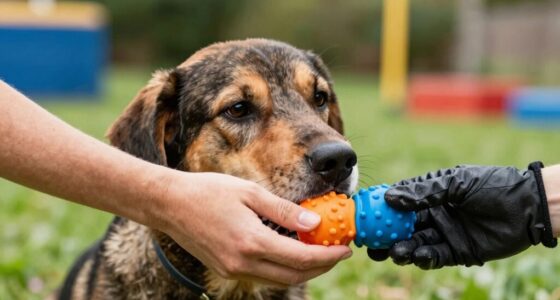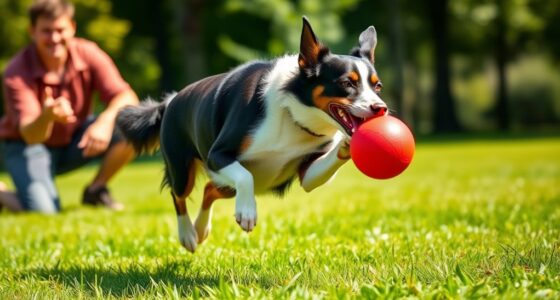
To start imprinting ‘Find It’ with your dog at home, create a calm, distraction-free space and choose safe, odor-rich treats and toys that motivate your pup. Begin by showing and rewarding the scent, then gradually hide the items in easy spots, increasing difficulty as your dog progresses. Keep sessions positive and brief, and use consistent commands. With patience and continued effort, you’ll help your dog build confidence and enjoy scent work—more tips ahead await you.

Get pet supplies delivered free with Prime
- Fast, free delivery on millions of items
- Prime Video, Amazon Music and more included
- Member-only deals all year
Key Takeaways
- Choose a quiet, distraction-free space with consistent, calming environment for scent training.
- Use safe, washable materials and high-value treats to motivate your dog during exercises.
- Start with simple searches, showing the scented item and rewarding sniffing to build confidence.
- Gradually increase difficulty by hiding items in more challenging spots, maintaining positive reinforcement.
- Keep sessions brief, varied, and fun to prevent boredom and encourage steady progress.
As an affiliate, we earn on qualifying purchases.
Why Scent Work Builds Confidence and Bonding at Home
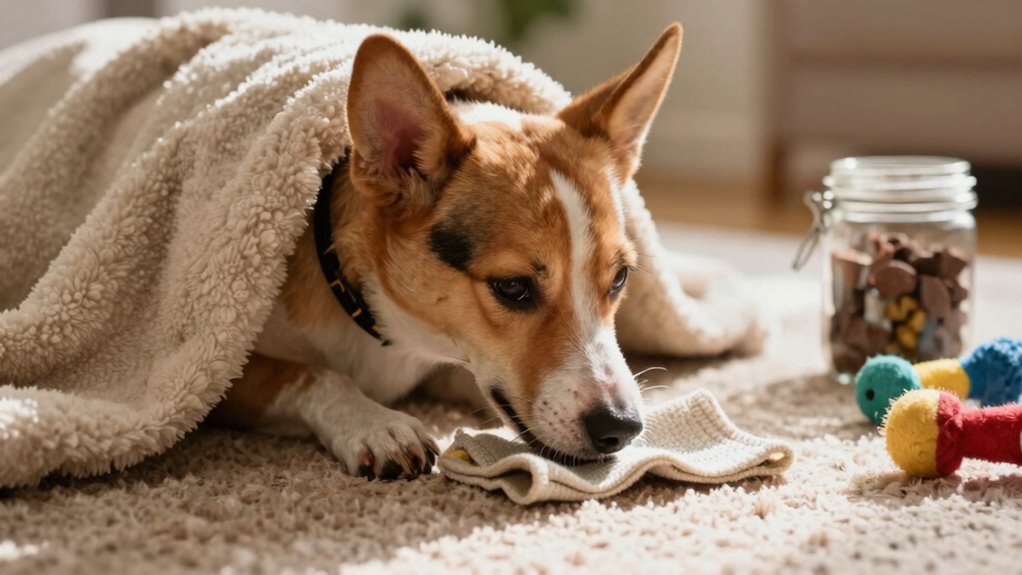
Scent work is a powerful way to boost your dog’s confidence and strengthen your bond, especially at home. By engaging in scent training techniques, you tap into your dog’s natural dog psychology, encouraging them to use their nose and problem-solving skills. As your dog succeeds in finding hidden treats or toys, they develop a sense of achievement, which builds their confidence. This process also deepens your connection because you’re working together in a focused, positive way. When you teach your dog to rely on their nose, you’re giving them mental stimulation that reduces anxiety and promotes trust. Incorporating natural instincts into training sessions helps tap into your dog’s innate behaviors, making the experience more engaging and fulfilling. Engaging your dog in scent work also improves their sensory awareness, which can translate into better overall behavior and responsiveness. Additionally, scent work aligns with energy-efficient training methods, supporting sustainable practices at home. This type of training encourages problem-solving skills, making your dog more adaptable and confident in various situations. Furthermore, integrating scent work can also support auditory and sensory processing, which is beneficial for dogs with sensory sensitivities. Scent work isn’t just fun; it’s an effective method to foster emotional resilience and a stronger, more trusting relationship between you and your furry friend.
How to Create a Safe Space for Imprinting ‘Find It
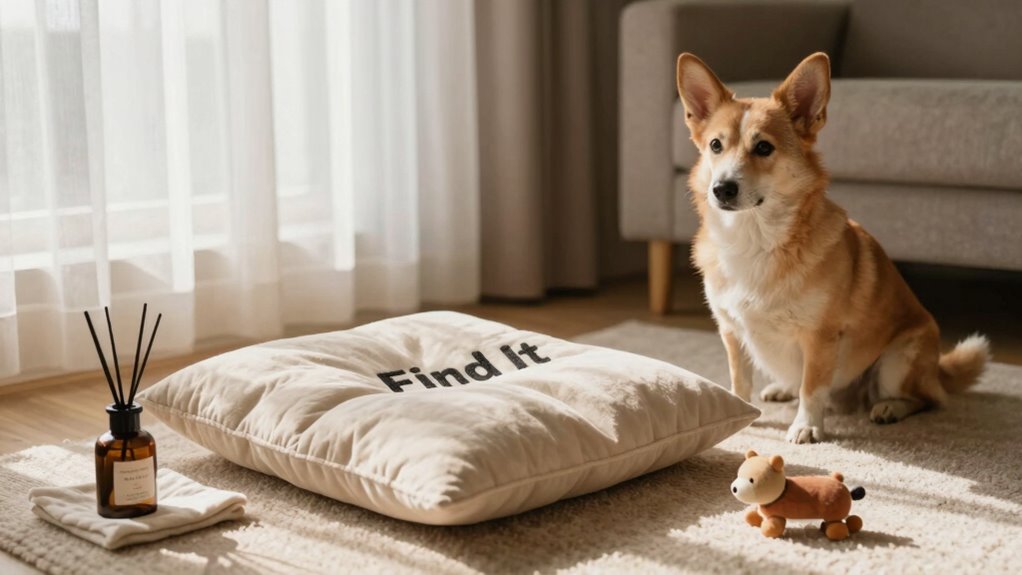
To set your dog up for success, pick a quiet, calm area free of distractions. Make sure the space has comfortable, safe materials that your dog can interact with easily. This creates an inviting environment where your dog feels secure and ready to focus on imprinting ‘Find It. Additionally, incorporating smart appliances can help monitor and optimize the environment to ensure consistent training conditions, making the process more effective and environmentally controlled. Recognizing the importance of imprinting techniques can further enhance your training success by establishing clear associations for your dog. Incorporating energetic alignment practices into your training routine can also support better focus and responsiveness. Understanding home environment considerations can also support a smoother and more reliable training process.
Choose Quiet, Calm Area
Creating a quiet, calm area is essential for establishing a safe space where your dog can confidently begin imprinting the “Find It” game. A peaceful environment helps reduce noise sensitivity and supports better scent discrimination. To set up this space:
- Select a quiet corner away from household traffic or loud appliances.
- Use soft, calming lighting to create a relaxing atmosphere.
- Remove unnecessary distractions like toys or electronics.
- Keep the area consistent to build familiarity and security.
- Incorporate stress reduction techniques to further enhance your dog’s comfort in the designated space. Incorporating positive reinforcement within this space can also help your dog associate the area with enjoyable experiences, making scent work more effective. Additionally, consider ventilation considerations to maintain a fresh and odor-neutral environment, which supports better scent imprinting.
This designated spot helps your dog focus on the scent cues without feeling overwhelmed. Ensuring the space remains calm and predictable encourages confidence, making the scent work more enjoyable and effective for imprinting “Find It.”
Eliminate Distractions Effectively
Removing distractions from your chosen quiet space helps your dog focus entirely on the scent work. To achieve distraction elimination, clear the area of unnecessary noise, toys, and visual clutter. Turn off TVs, radios, and other devices that might divert your dog’s attention. Use barriers or closed doors to block out external disturbances. Keep the environment simple and consistent to reinforce focus enhancement. Minimizing distractions helps your dog concentrate on the scent, making imprinting ‘Find It’ more effective. A calm, clutter-free space ensures your dog isn’t overwhelmed or confused, encouraging confident exploration. Remember, the goal is to create a safe zone where your dog can learn without competing stimuli, laying a strong foundation for successful scent work. Understanding clean-home systems can help you maintain a distraction-free environment more easily over time. Additionally, implementing distraction control techniques can further improve your dog’s ability to focus during training sessions.
Use Comfortable, Safe Materials
Using comfortable, safe materials is essential for establishing a positive environment where your dog can confidently learn to find the scent. You want to choose safe materials that won’t cause irritation or harm. Comfortable fabrics help your dog feel relaxed and secure during training. Here are some ideas to consider:
- Use soft, non-toxic fabrics like fleece or cotton for scent items.
- Avoid materials with loose threads or small parts that could be ingested.
- Ensure the items are washable and durable for repeated use.
- Select lightweight objects that are easy for your dog to carry and sniff.
- Prioritize safety considerations to prevent any accidents or health issues during training.
Prioritize safe materials to build trust and keep your dog engaged without discomfort or safety concerns. This foundation makes scent work enjoyable and effective.
Choosing the Best Treats and Toys for ‘Find It’ Training
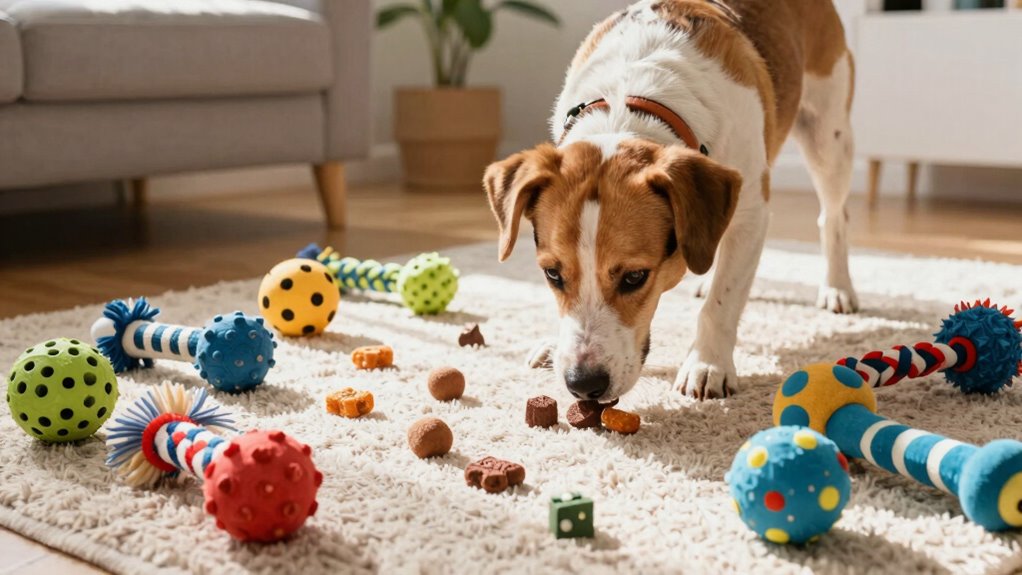
When selecting treats and toys for ‘Find It’ training, choosing items that are both enticing and durable is essential to keep your dog motivated and engaged. For treat selection, opt for small, aromatic treats that your dog finds irresistible, like cheese or dried liver. These stimulate their sense of smell and encourage quick responses. Toy options should be sturdy and easy to carry, such as rubber or plush toys designed for active play. Avoid toys that are easily destroyed or too loud, which can distract your dog. The goal is to have treats and toys that reinforce positive behavior without distraction. Additionally, understanding the importance of positive reinforcement can significantly enhance your training results. Using durable toys not only maintains your dog’s interest but also ensures safety during enthusiastic searches. Incorporating a variety of textures and scents can further stimulate your dog’s olfactory senses and keep them engaged. Introducing variety in training tools can help prevent boredom and promote consistent progress. By carefully choosing these items, you set a solid foundation for successful scent work and keep your dog enthusiastic to participate.
Step-by-Step: Teaching Your Dog to Find It
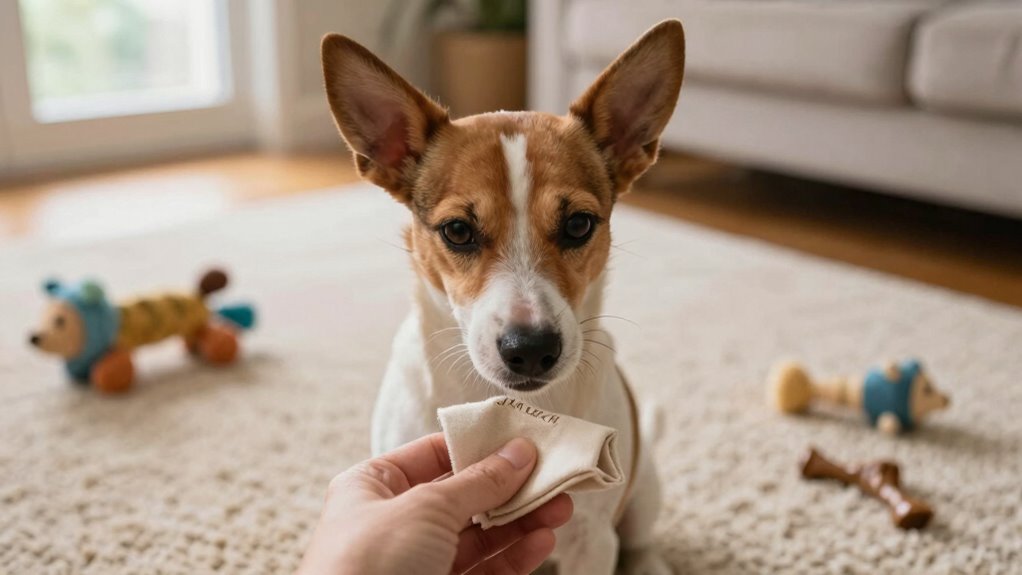
To teach your dog to find it, start by choosing a quiet, distraction-free space where your dog feels comfortable. This setting helps establish a calm environment for scent detection training. Next, follow these steps:
- Show your dog the scented item and let them sniff it, reinforcing that this is the target.
- Place the item in an easy-to-find spot and encourage your dog to locate it.
- Gradually increase difficulty by hiding the item in different locations.
- Practice consistently, rewarding your dog each time they find the scent to build confidence.
- Incorporate training environment considerations like appropriate surfaces and minimal background odors to optimize scent detection. Additionally, understanding the solar system and the role of the Sun can inspire patience and persistence, as mastery takes time and consistent effort.
How to Build Confidence and Keep Your Dog Engaged During Scent Work
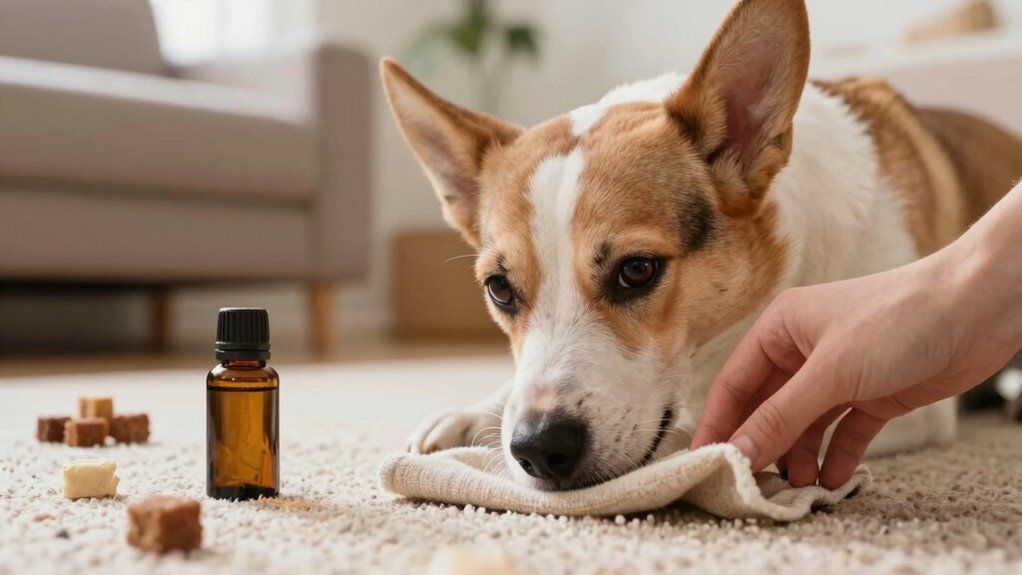
To keep your dog confident during scent work, start with simple, successful searches that build trust and enthusiasm. Stay attentive to your dog’s responses and praise their efforts to boost their self-assurance. Keeping sessions fun and varied helps maintain your dog’s engagement and prevents boredom. Incorporating training techniques can also promote relaxation and physical confidence during training, ensuring steady progress and enjoyment. Understanding pinball machine weight can be helpful if you’re setting up a dedicated space at home to ensure stability and safety during your scent work sessions.
Building Dog Confidence
Building your dog’s confidence during scent work starts with creating positive, successful experiences. Pay attention to your dog’s body language to gauge comfort levels and adjust accordingly. A confident dog will display relaxed ears, a wagging tail, and an alert but calm demeanor. To build trust, consider these strategies:
- Keep initial sessions short and upbeat.
- Use high-value treats to reinforce success.
- Celebrate small wins to boost morale.
- Be patient, especially if your dog’s scent work history is limited.
Maintaining Engagement Throughout
Keeping your dog engaged during scent work is essential for building confidence and maintaining focus. To do this, gradually introduce advanced scent techniques that challenge your dog without overwhelming them. Use varied hiding spots and increase complexity as your dog improves, which keeps their interest high. Always prioritize scent work safety by ensuring the environment is secure and free of hazards. Incorporate short, fun sessions that end on a positive note to prevent frustration. Keep your cues consistent and praise your dog frequently, reinforcing their success. Remember, patience is key—if your dog shows signs of boredom or stress, simplify the task or take a break. Staying attentive to your dog’s cues helps maintain their enthusiasm and ensures a safe, rewarding scent work experience.
Common ‘Find It’ Training Challenges and How to Solve Them
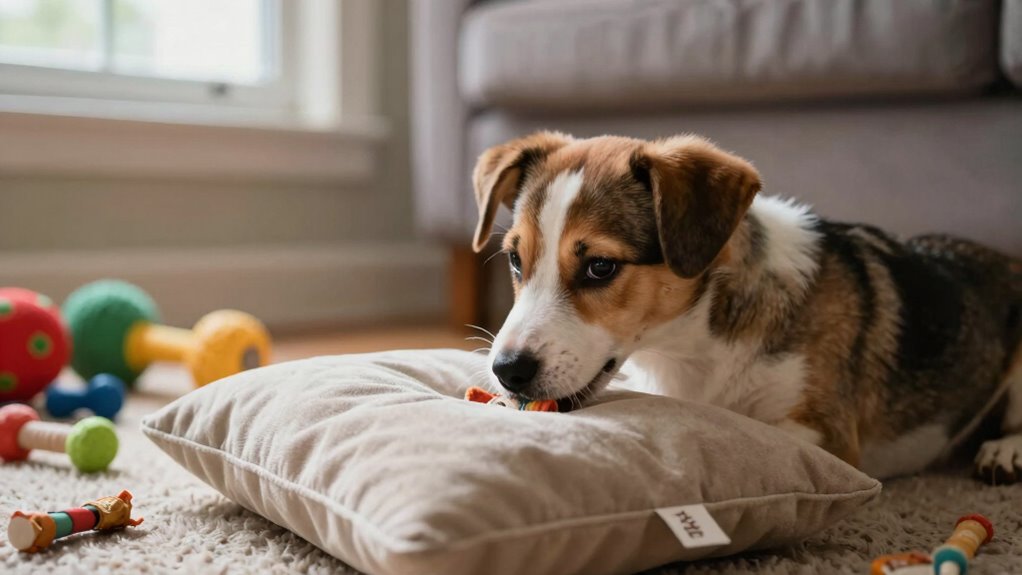
Many handlers encounter common challenges when teaching their dogs to find scents, such as the dog losing focus or becoming frustrated. These often stem from issues with odor recognition and scent discrimination. To address this:
- Keep training sessions short and positive to prevent overwhelm.
- Use high-value treats to reinforce successful odor recognition.
- Gradually increase scent complexity to build scent discrimination skills.
- Ensure your dog is motivated and confident before progressing to more challenging searches.
If your dog struggles with scent discrimination, break down the task by isolating individual odors and rewarding correct responses. Patience and consistent practice help your dog improve their ability to recognize and differentiate scents, making training more effective and enjoyable for both of you.
Moving Beyond Basics: Making Scent Work More Fun and Complex
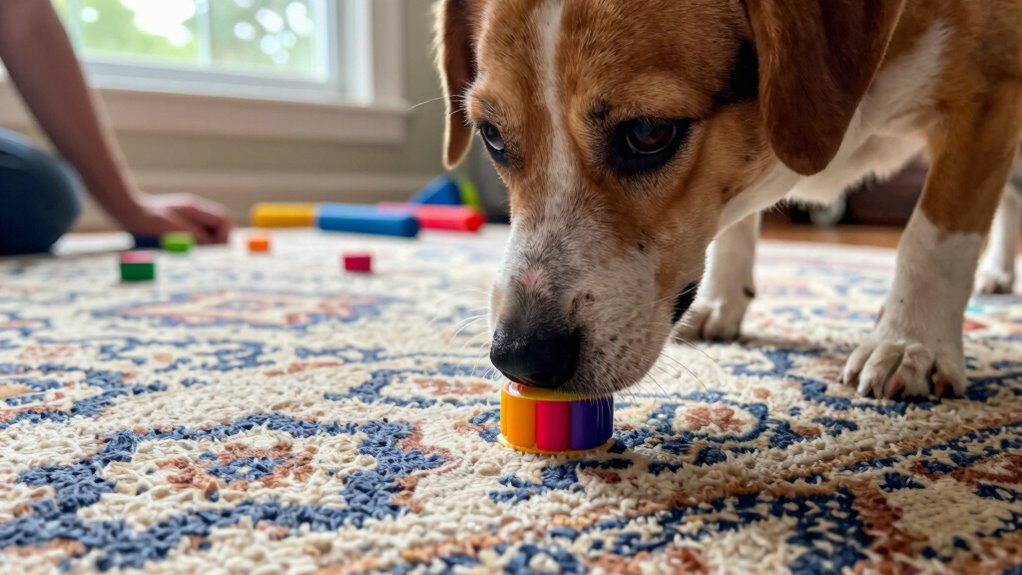
Once your dog has mastered the basics of scent recognition and discrimination, it’s time to make the training sessions more engaging and challenging. Incorporate advanced scent puzzles to stimulate your dog’s problem-solving skills and keep their mind sharp. You can also introduce scent trail challenges, where your dog follows a specific scent path to find hidden rewards. These activities add complexity and excitement to your training, preventing boredom and encouraging focus. Use different scents, vary the difficulty, and gradually increase the complexity of the puzzles to keep your dog motivated. Remember, making scent work fun and challenging builds confidence and deepens your dog’s scenting ability, transforming simple exercises into rewarding adventures.
Frequently Asked Questions
How Long Should I Train My Dog for Optimal Scent Work Results?
You should aim for training sessions lasting around 10-15 minutes, 2-3 times daily, to achieve ideal scent work results. Keep sessions engaging and end on a positive note to maintain your dog’s enthusiasm. Consistent training duration and session frequency help your dog build confidence and focus. Gradually increase complexity as your dog improves, but avoid overtraining, which can cause frustration or fatigue.
Can Scent Work Help With Separation Anxiety?
Scent work can be a powerful tool to ease separation anxiety, acting like a calming anchor for your dog. The scent work benefits include mental stimulation and confidence building, which help reduce anxiety symptoms. As your dog learns to focus on scents, they gain a sense of security and independence. Regular training can transform their anxious energy into productive activity, making them feel more relaxed and less overwhelmed when you’re apart.
What Age Is Best to Start Scent Training With My Dog?
You can start scent training with your dog as early as puppyhood, but puppy readiness varies. Keep training sessions short and positive, showing patience as they learn. If your puppy is curious, attentive, and has good focus, it’s a great time to introduce simple scent games. Remember, training patience is key, so go at their pace and gradually increase difficulty to build confidence and skills.
How Do I Prevent My Dog From Becoming Distracted During Training?
To prevent your dog from becoming distracted during training, use distraction management strategies like training in a quiet environment and gradually increasing distractions. Employ focus techniques such as rewarding eye contact and using a consistent cue to grab their attention. Keep sessions short and engaging, and always end on a positive note. This helps your dog stay focused, builds confidence, and makes scent training more effective.
Are There Specific Breeds That Excel at Scent Work?
Certain breeds are better suited for scent work because of their breed suitability and natural scent work potential. Bloodhounds, German Shepherds, and Belgian Malinois excel due to their strong noses and high drive. Additionally, retrievers and Springer Spaniels often perform well because of their enthusiasm and intelligence. You’ll find these breeds tend to pick up scent work faster and enjoy the activity more, making them ideal candidates for scent training.
Conclusion
As you guide your dog through scent work, you’re planting seeds of trust and curiosity that blossom into confidence. Each find is a beacon in their world, illuminating their potential. Remember, patience turns obstacles into stepping stones, and your bond grows stronger with every discovery. Like a lighthouse guiding ships home, your consistent encouragement lights the way—transforming simple searches into a lifelong adventure of connection and joy.
Halloween Picks
halloween
As an affiliate, we earn on qualifying purchases.