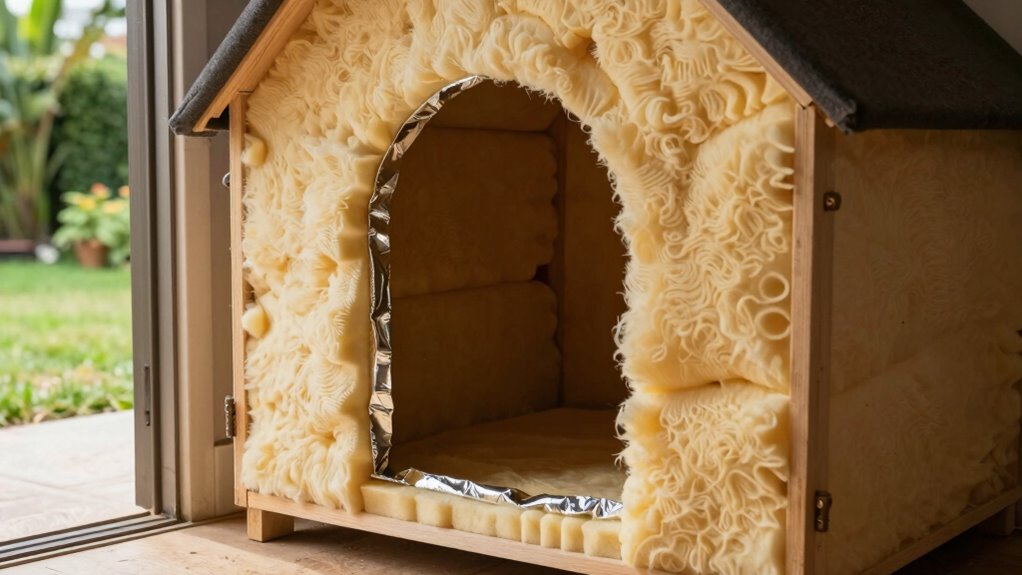
To keep your dog comfortable year-round, it’s important to use insulation with high R-values, which simply means better protection against temperature changes without complex jargon. Thicker, denser materials like foam panels or spray foam block heat transfer more effectively, keeping your pet warm in winter and cool in summer. Properly sealing gaps enhances insulation, while good ventilation prevents moisture buildup. Want to discover simple ways to choose the best insulation for your dog’s house? Keep exploring.
Key Takeaways
- R-values measure how well insulation resists heat transfer; higher R-values mean better insulation.
- Choose insulation materials with suitable R-values to keep your dog comfortable year-round.
- Foam panels and spray foam generally have higher R-values than straw or hay.
- Proper sealing and installation maximize the insulation’s effectiveness regardless of R-value.
- Balance insulation with good ventilation to prevent moisture buildup and ensure a healthy environment.
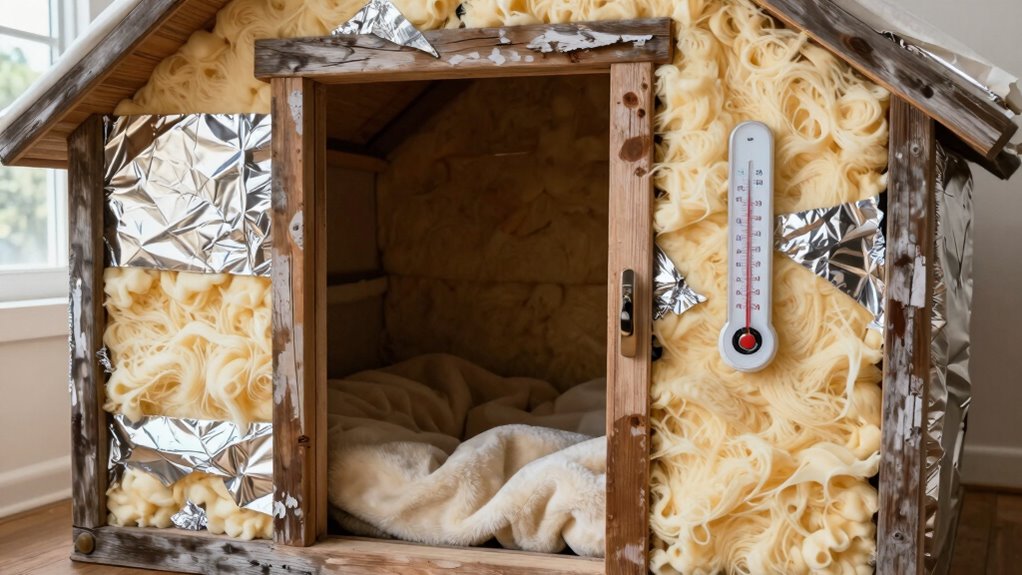
If you want your dog to stay comfortable and safe year-round, understanding the basics of dog house insulation is essential. Good insulation helps regulate temperature, keeping your pup warm in winter and cool in summer. One key aspect often overlooked is dog house ventilation. Proper ventilation ensures fresh air circulates, preventing moisture buildup and reducing the risk of mold or cold drafts. You’ll want to balance insulation with ventilation to create a cozy, healthy environment. If the dog house is too airtight, moisture can accumulate, making it damp and uncomfortable. If it’s too drafty, your dog might struggle to stay warm. Installing small vents or adjustable openings can help maintain airflow without sacrificing warmth.
Proper ventilation balances insulation, preventing moisture buildup and drafts for a healthier, more comfortable dog house.
When comparing insulation materials, it’s helpful to think in terms of R-values, which measure a material’s resistance to heat transfer. Higher R-values mean better insulation. Popular options include foam panels, spray foam, straw, and thick bedding. Foam panels are lightweight, easy to install, and offer high R-values, but they can be expensive and less eco-friendly. Spray foam provides excellent insulation but requires careful application to avoid gaps or leaks. Straw or hay can be a natural, cost-effective choice, offering decent insulation, but it might not be as durable or resistant to moisture. Straw, in particular, can also contribute to moisture control if not properly managed. Incorporating eco-friendly insulation materials can be a sustainable choice that benefits both your pet and the environment. Additionally, selecting sustainable and eco-friendly options can reduce your environmental impact while providing safe insulation for your dog. Using insulation materials with a low environmental impact can also contribute to a healthier surrounding environment for your pet.
It’s also important to consider how the materials work together with your dog house’s structure. For example, adding a layer of insulation inside the walls can significantly improve temperature regulation. Combining insulation with good ventilation prevents heat from escaping in winter and keeps the interior cool in summer. Also, remember that insulation isn’t just about materials—proper sealing of gaps, the orientation of the dog house, and roof design all contribute to maintaining a stable environment. An understanding of biodiversity and sustainable practices can inspire you to choose eco-friendly insulation options that are safe for your pet and the environment. A well-insulated, ventilated dog house isn’t just about comfort; it’s about health and safety. Your dog will be less prone to cold stress, overheating, or respiratory issues if you pay attention to these details.
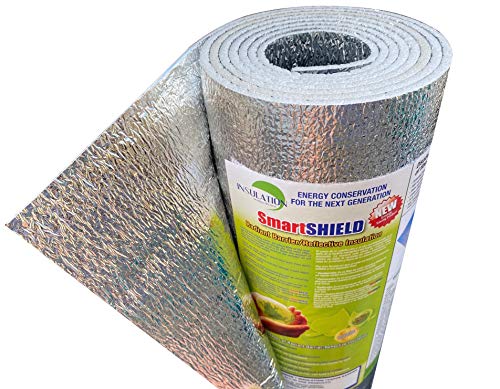
INSULATION MARKETPLACE SmartSHIELD -3mm 16inx10Ft ReflectiveINSULATION roll, Foam Core Radiant Barrier, ThermalINSULATION Shield – Engineered Foil
EXTREMELY EFFECTIVE – reflect 95% of radiant energy, perfect RADIANT BARRIER.
As an affiliate, we earn on qualifying purchases.
As an affiliate, we earn on qualifying purchases.
Frequently Asked Questions
How Often Should I Replace Dog House Insulation?
You should replace your dog house insulation when it shows signs of wear, damage, or decreased insulation durability. Typically, seasonal insulation updates are a good idea to guarantee your pet stays warm in winter and cool in summer. Check for moisture, mold, or compression, and replace insulation as needed. Regular inspections help maintain a comfortable environment, especially if you notice your dog seeking warmth or showing signs of discomfort.
Can Insulation Harm My Dog?
Insulation toxicity is a concern, but it’s like a wolf in sheep’s clothing—you’re safe if you choose non-toxic options. If your dog chews insulation, it could be harmful, especially if they ingest fibers or chemicals. To prevent this, opt for pet-safe insulation and make sure it’s properly sealed. Regularly check for damage and discourage chewing, keeping your furry friend safe from any potential harm.
What’s the Best Insulation Material for Extreme Cold?
For extreme cold, you should choose insulation materials with high thermal efficiency, like spray foam or rigid foam boards. These materials trap heat effectively, keeping your dog warm even in harsh weather. Spray foam offers excellent insulation and seals gaps, while rigid foam boards provide durability and high R-values. Both options outperform traditional materials, ensuring your pup stays cozy and protected during the coldest months.
How Do I Know if My Dog House Is Properly Insulated?
You can tell if your dog house is properly insulated by checking its ability to maintain a comfortable temperature, especially during cold weather. Feel inside the house—if it stays warm and cozy, that’s a good sign. Confirm the insulation material is durable and sealed properly to prevent drafts. Proper insulation promotes effective temperature regulation and withstands weather conditions, keeping your dog safe and comfortable no matter the season.
Is Insulation Necessary in Mild Climates?
In mild climates, insulation isn’t always necessary, but don’t buy into insulation myths that it’s pointless. About 60% of pet comfort depends on proper insulation, even in moderate weather. Insulation helps regulate temperature and keeps your dog comfortable, preventing stress and health issues. If your pet spends significant time outdoors or if temperatures fluctuate, adding insulation can make a noticeable difference, ensuring your furry friend stays cozy year-round.

SmartSHIELD -5mm 24" x50ft R15 Reflective Foam Core Insulation roll, Cold and Heat Shield, Radiant Barrier, Thermal Insulation – White / FOIL
EXTREMELY EFFECTIVE – reflects 95% of radiant energy, R15 insulation.
As an affiliate, we earn on qualifying purchases.
As an affiliate, we earn on qualifying purchases.
Conclusion
Now that you understand the basics of dog house insulation and R-values, you’re equipped to create a cozy, weatherproof haven for your furry friend. Think of insulation as a warm blanket wrapping your pup in comfort, no matter how harsh the weather gets. With a little effort, you’ll turn an ordinary dog house into a sanctuary—protecting your pet and showing your love. After all, isn’t a happy, comfortable dog worth it?

Fostaugh 2 inch 50mm Inline Duct Ventilation Fan Dog House, Pet Indoor Vent Blower Air Vent Check Valve for Greenhouse Bathroom Tent Room Basement Attic Kitchen, White
【TECHNICAL DATA】Our extractor fan is supplied with a 2 inch diameter, 14700 rpm, power 6W, air volume: 36m3/h…
As an affiliate, we earn on qualifying purchases.
As an affiliate, we earn on qualifying purchases.
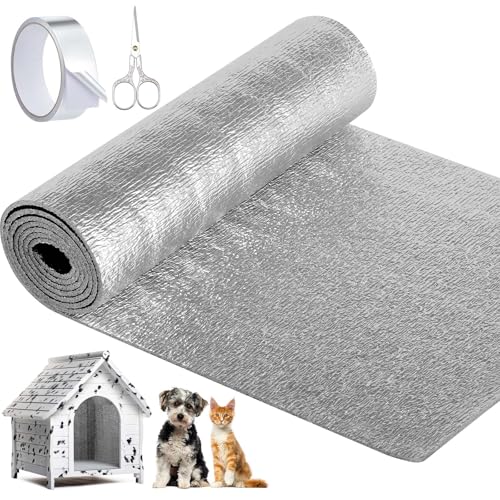
SmoothNovelty Pet Aluminum Foil Insulation Kit Include 15.7 in x 6.6 ft Foam Core Radiant Barrier, 1 Sealing Tape and 1 Stainless Steel Scissors for Window, Garage Door, RV, Roof(1 Roll)
Package: This Pet Insulated Comfort Pad Kit contains a piece of aluminum foil insulation, a roll of aluminum…
As an affiliate, we earn on qualifying purchases.
As an affiliate, we earn on qualifying purchases.