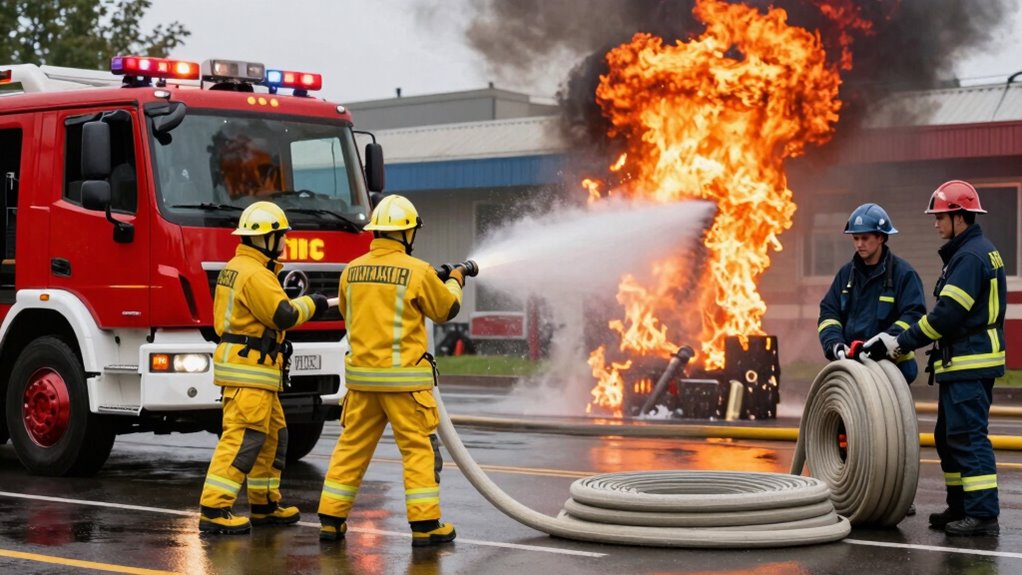

To build a life-saving recall system, recognize the key difference: emergency recalls are for urgent safety threats that require immediate action, while regular recalls handle less critical issues. Trigger an emergency recall as soon as evidence shows imminent harm, such as contamination or defect risks. Focus on clear communication, quick alerts, and thorough response plans. Effective strategies can prevent tragedies, and if you keep exploring, you’ll discover how to create a system that keeps consumers safe and responds fast.
Key Takeaways
- Emergency recalls are triggered by imminent safety threats, requiring rapid response, unlike regular recalls which address less urgent issues.
- Recognize signs of urgent hazards to initiate quick, life-saving communication and product removal processes.
- Build a recall system with real-time data monitoring, automated hazard detection, and clear protocols prioritizing consumer safety.
- Use multi-channel, clear messaging—visual cues, multilingual alerts, digital platforms—for swift, effective communication.
- Regularly test and update recall procedures, incorporating stakeholder incentives, to ensure readiness and rapid life-saving action.
What’s the Difference Between Emergency and Regular Recalls?

Have you ever wondered how emergency recalls differ from regular ones? The main difference lies in urgency. Emergency recalls are initiated when a product poses an immediate threat to safety, requiring swift action to protect consumers. They prioritize product safety above all, often involving rapid communication and removal processes. Additionally, risk management in recall procedures illustrates how critical immediate action can be in safeguarding quality and safety, emphasizing the importance of swift responses in emergency situations. Regular recalls, on the other hand, address less urgent issues and typically follow standard procedures for compliance with safety standards. These recalls focus on correcting problems that don’t pose an immediate danger but still violate compliance standards. The key distinction is the level of risk involved; emergency recalls demand quick responses to mitigate harm, ensuring that safety remains the top priority. Moreover, recognizing the product safety distinctions in recall types can help organizations develop more effective response strategies. Understanding these differences is vital for effective recall planning and ensuring consumer trust.
When Should You Trigger an Emergency Recall?

You should trigger an emergency recall immediately when evidence suggests that a product poses an imminent threat to consumer safety. Quick action is vital for effective crisis management and safeguarding product safety. Recognize situations where delay could result in harm, such as contamination or a defect causing injury. Implementing timely communication strategies can help inform consumers quickly and reduce risks. Promptly initiating an effective recall process can significantly reduce the risk of harm and demonstrate your commitment to consumer protection. Additionally, understanding the importance of risk assessment ensures that decisions to recall are based on accurate evaluations of potential dangers. Prioritizing consumer safety measures is essential to prevent further harm and maintain trust in your product management practices.
What Are the Key Elements of a Life-Saving Recall Strategy?
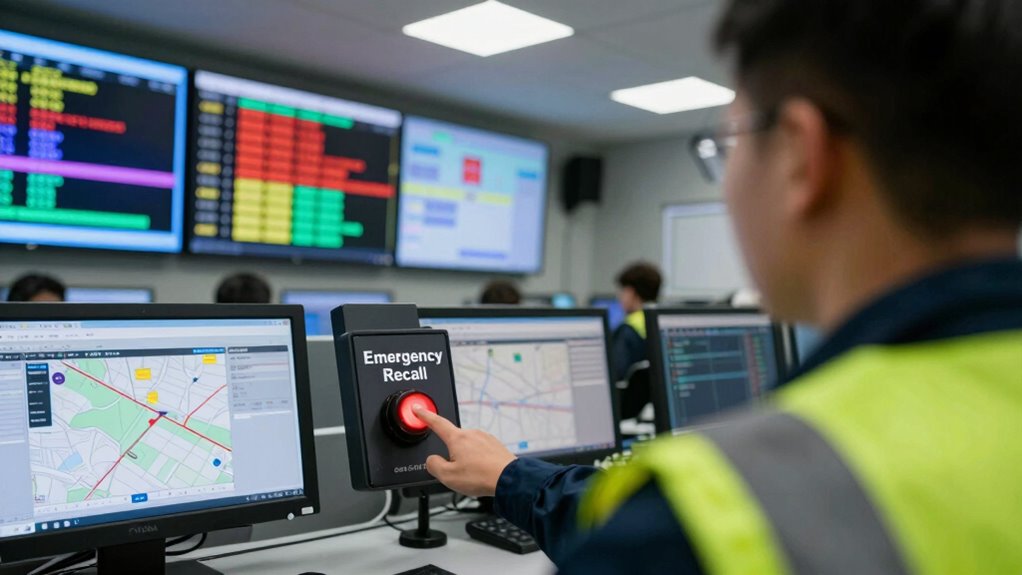
Implementing a life-saving recall strategy requires identifying and prioritizing key elements that guarantee swift and effective action. Product safety is paramount; you must ensure that all products are thoroughly vetted and that any defects posing risks are promptly addressed. Product safety protocols should include comprehensive testing and quality assurance processes to prevent potential hazards before products reach consumers. Free crypto opportunities can sometimes be used to incentivize compliance and participation during recalls, especially in engaging stakeholders. Regulatory compliance is equally critical, as adhering to laws and guidelines prevents legal repercussions and builds consumer trust. Establishing recall procedures that are clear and well-practiced ensures a coordinated response when a defect is identified. You need a well-defined plan that minimizes delays, with designated teams ready to act immediately. Regular training ensures everyone understands their role during a recall. Additionally, understanding water safety measures can be crucial in certain product contexts involving aquatic environments. Ultimately, combining a focus on product safety with strict regulatory adherence creates a strategy capable of saving lives and maintaining your reputation.
How to Communicate Recall Alerts Clearly and Quickly?

Effective communication is vital once a recall is initiated. To guarantee your alert reaches everyone quickly, focus on these strategies:
- Use clear visual cues, like bright colors and symbols, to attract immediate attention.
- Implement multilingual messaging to accommodate diverse audiences and eliminate language barriers.
- Choose multiple channels—such as SMS, email, and social media—to maximize reach and speed.
- Incorporate timeless style guidance to ensure your messaging aligns with professional and trustworthy communication standards.
- Emphasize clear messaging that is concise and easy to understand, reducing the chance of misinterpretation during emergencies.
- Prioritize effective communication strategies that consider the needs of all recipients to ensure no one is left uninformed.
- Utilize smart home technology to automate and enhance alert dissemination, ensuring rapid and reliable delivery to all connected devices.
These methods help your message stand out and ensure safety instructions are understood. Visual cues quickly convey urgency, while multilingual messaging guarantees no one is left behind due to language differences. Combining these approaches allows you to communicate recall alerts clearly and quickly, reducing risks and saving lives during critical moments.
How to Build a Recall System That Keeps Consumers Safe and Acts Fast?

How can manufacturers guarantee their recall system responds swiftly and keeps consumers safe? First, establish a proactive plan that includes real-time monitoring of product safety data. Implement automated detection tools for potential hazards, reducing reaction time. Develop clear protocols for immediate action, prioritizing consumer safety and minimizing product liability risks. Train your team to act swiftly and communicate transparently. Maintain accurate records of all recalls to streamline responses. Use multiple channels to alert consumers quickly—email, SMS, social media, and traditional media. Regularly test your recall procedures to identify gaps. A robust system not only prevents harm but also demonstrates your commitment to consumer safety, reducing liability and building trust. Incorporating effective communication strategies ensures that all stakeholders are well-informed during a recall. Integrating a comprehensive tracking system can further enhance your ability to respond effectively. Ensuring your system aligns with regulatory compliance is essential for legal and operational integrity. A real-time data monitoring approach allows for quicker detection of issues, enabling faster response times. Fast, decisive action is your best defense in protecting consumers and your brand.
Frequently Asked Questions
How Do Emergency Recalls Impact Brand Reputation Long-Term?
Emergency recalls can markedly impact your brand trust and consumer loyalty long-term. When you respond swiftly and transparently, you demonstrate responsibility, which strengthens trust. However, if you delay or handle it poorly, it can damage your reputation and reduce loyalty. Proactively managing emergency recalls shows your commitment to safety, reassuring consumers and reinforcing your brand’s integrity, ultimately encouraging long-term loyalty even amid crises.
What Legal Considerations Are Involved in Emergency Recall Procedures?
Think of legal considerations as your shield during an emergency recall. You must guarantee legal compliance with regulations like the Consumer Product Safety Act, which guides your actions. Proper documentation and transparent communication help manage liability and demonstrate responsible liability management. Ignoring these legal steps can lead to lawsuits or fines, risking your brand’s reputation. Stay proactive, consult legal experts, and follow protocols strictly to protect your company and consumers effectively.
How Can Technology Enhance the Speed of Emergency Recall Alerts?
You can enhance emergency recall alerts with technology by utilizing automated notifications that instantly reach all affected parties. Incorporate real-time tracking to monitor who receives and acknowledges the alert, ensuring swift action. These tools speed up communication, reduce delays, and improve response times during critical situations. By leveraging automation and tracking, you create a more reliable, efficient system that saves lives when every second counts.
What Training Is Necessary for Staff During a Recall Crisis?
You need to train your staff in crisis communication and emergency recall procedures to guarantee quick, effective responses. Focus on staff preparedness by conducting regular drills and simulations, so they understand their roles during a recall crisis. Emphasize clear communication channels and protocols, empowering your team to act swiftly. Continuous training helps staff stay confident, minimizes errors, and ultimately saves lives during critical moments.
How Do International Regulations Influence Recall Strategies?
International regulations shape your recall strategies like a massive invisible net, ensuring safety across borders. You must prioritize regulatory compliance to meet diverse country standards, which can feel overwhelming. Cross-border coordination becomes essential, requiring clear communication and synchronized actions. By understanding these rules and working seamlessly across jurisdictions, you enhance your recall effectiveness, ultimately safeguarding lives worldwide and maintaining your company’s reputation in the global market.
Conclusion
In the end, mastering the art of emergency recalls means you’re ready to act swiftly—think of it as your modern-day Hippocratic oath for safety. By understanding the differences, triggering recalls at the right moments, and communicating clearly, you guarantee consumer protection and trust. Remember, in this fast-paced world, a well-built recall system isn’t just good practice; it’s your best defense against potential disasters. Stay vigilant and keep the safety torch burning bright.