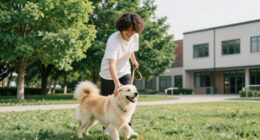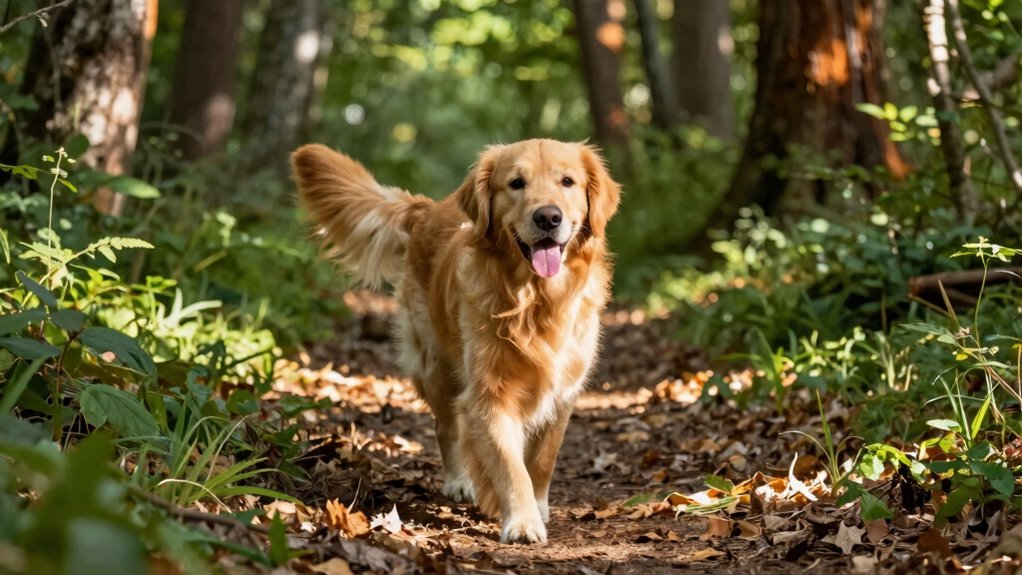

A decompression walk is a gentle, calming outing designed to help your dog reset from stress and feel more relaxed. If your dog shows signs of anxiety like restlessness, excessive barking, or hesitation, offering a slow-paced walk in a peaceful environment can help. During these walks, focus on calm energy, allow your dog to explore at their own pace, and provide positive reinforcement. Keep going to discover more ways to make stress relief walks truly effective for your dog’s wellbeing.
Key Takeaways
- Decompression walks provide dogs with a calm environment to reset their nervous system and reduce stress.
- Recognizing signs of overwhelm ensures timely implementation of decompression walks for stress relief.
- Proper leash training and slow pacing help create a secure, anxiety-reducing experience during these walks.
- Varying environments and observing responses boost confidence, resilience, and overall mental health.
- Routine and positive reinforcement during decompression walks promote long-term relaxation and well-being.
As an affiliate, we earn on qualifying purchases.
Understanding Dog Stress and How Decompression Walks Help
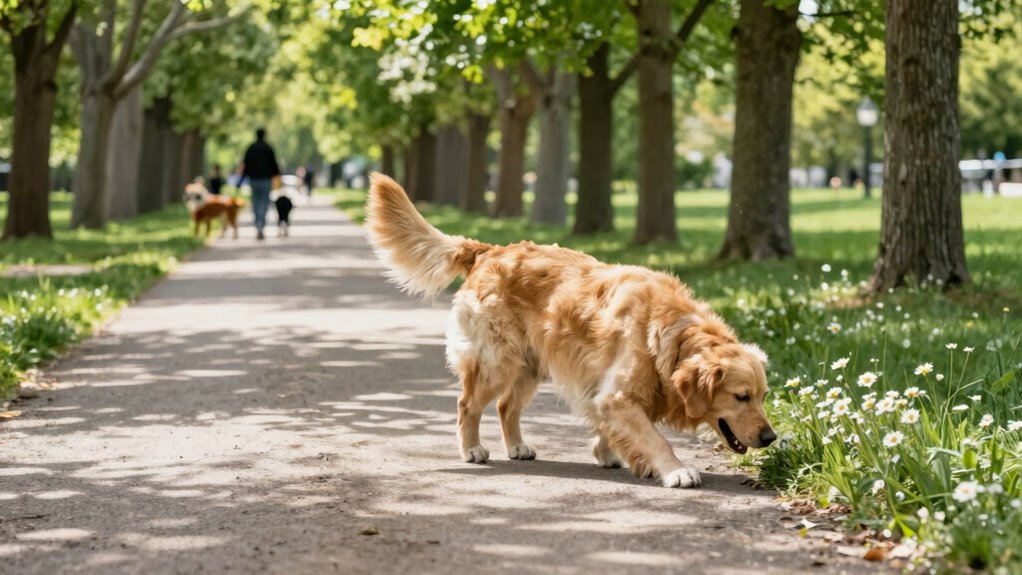
Dogs can easily become overwhelmed by loud noises, crowded places, or sudden changes in their environment, which can lead to stress. This stress often manifests as dog anxiety, affecting their behavior and well-being. Proper leash training helps your dog feel secure during walks, reducing their anxiety in unfamiliar or chaotic settings. A decompression walk provides a calm, controlled environment where your dog can gradually experience new sights and smells without feeling overwhelmed. These walks help reset their nervous system, easing tension and promoting relaxation. By understanding your dog’s stress triggers, you can tailor walks to support their emotional health. Incorporating modern training techniques can further enhance your dog’s comfort during outings. Additionally, comprehensive client support ensures you receive guidance tailored to your dog’s unique needs. Over time, consistent decompression walks build confidence, improve leash training, and create a positive association with outdoor outings.
Spotting Signs That Your Dog Needs a Stress-Relief Walk
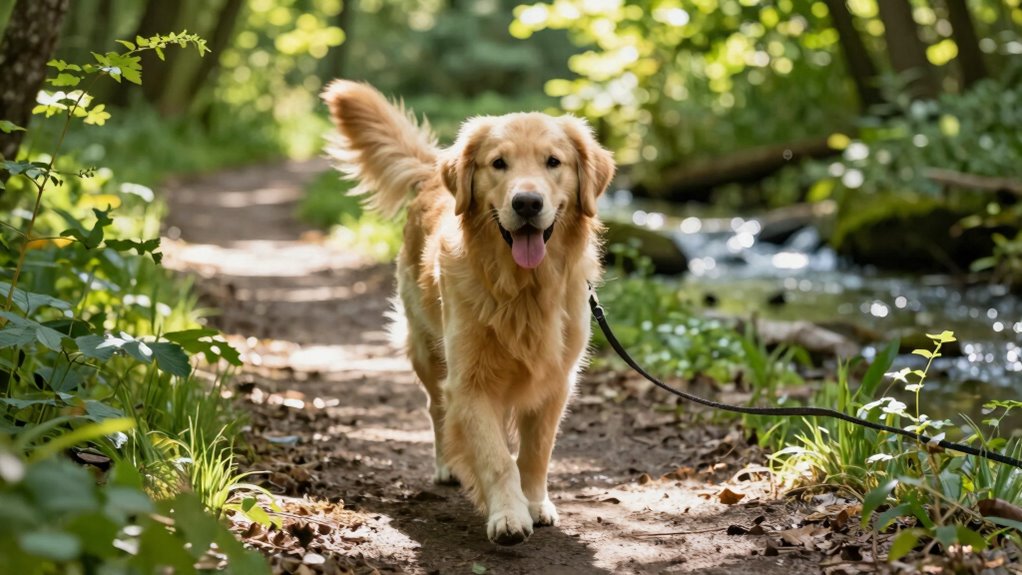
Recognizing when your dog needs a stress-relief walk is essential for supporting their emotional health. Look for signs like restlessness, excessive barking, yawning, or lip licking, which indicate they’re overwhelmed. If your dog seems hesitant or pulls on the leash during walks, it might be a sign they need a calming break. Practice leash safety by keeping control and avoiding sudden pulls that can increase stress. Incorporate treat training to reinforce positive associations with walks, helping your dog feel more secure. If your dog shows signs of agitation or nervousness, a decompression walk can help reset their mood. Paying attention to these cues allows you to respond promptly, ensuring your dog gets the calming relief they need to relax and reset. Understanding home cinema projectors and their features can also help create a peaceful environment at home for your dog to unwind. Creating a calm and soothing environment through appropriate soundproofing techniques can further enhance their relaxation during quiet times. Additionally, engaging in activities like landscaping your yard with comforting elements can promote a sense of security outside of walks.
Preparing Your Dog for a Relaxing Decompression Walk
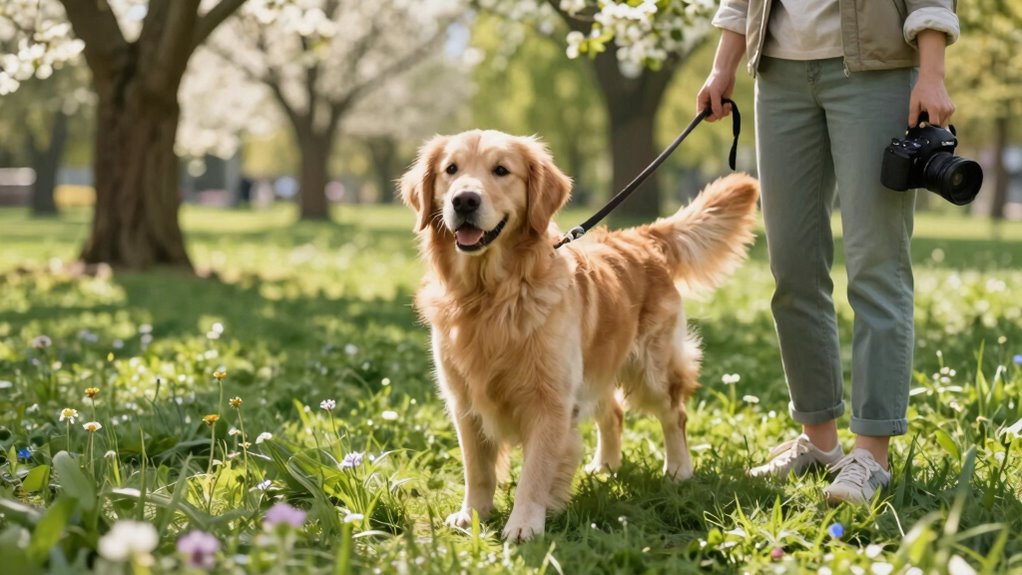
To guarantee your dog enjoys a calming decompression walk, start by setting the stage with a few simple preparations. Facilitate your dog is familiar with leash training so they feel comfortable and secure during the walk. Practice gentle leash manners beforehand to reduce pulling or anxiety. Incorporate dog enrichment activities before heading out, such as offering a puzzle toy or a treat-filled snuffle mat, to tire their mind and reduce excess energy. A well-prepared dog is more likely to relax and enjoy the walk, making it easier for both of you to unwind. Keep your approach calm and positive, reinforcing good behavior with praise. Incorporating smart appliances and connected devices can help monitor your pet’s comfort levels remotely, ensuring a stress-free experience. Utilizing training techniques can further reinforce calm behavior during walks and help your dog associate the activity with positive feelings. With these steps, you’ll create a peaceful environment that helps your dog ease into a relaxing decompression walk.
How to Conduct a Calm and Soothing Decompression Walk
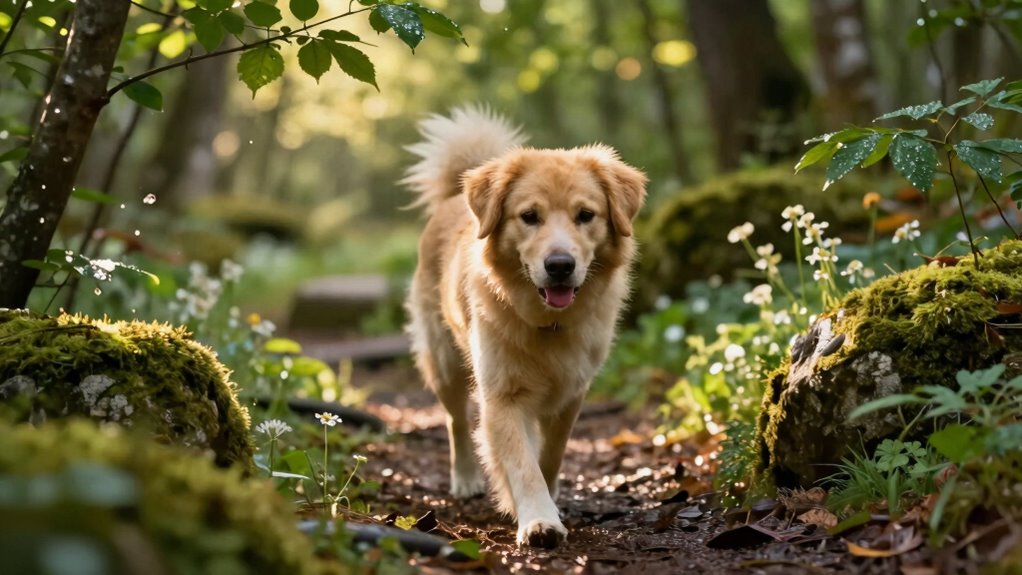
Once your dog is comfortable with leash manners and has had some mental and physical activity, it’s time to focus on creating a calm atmosphere during your walk. Keep your pace slow and steady, avoiding sudden movements or loud sounds that might overstimulate your dog. Use gentle, soothing voice commands and avoid pulling on the leash, especially during puppy training, to reinforce calm behavior. Allow your dog to sniff and explore at their own pace, which helps them relax and process their environment. Stay relaxed yourself, as your calm energy influences your dog’s state of mind. If your dog gets excited, pause and take deep breaths until they settle. Incorporating mindful breathing techniques such as mindful breathing can help you maintain a peaceful demeanor. Recognizing the importance of dog behavior in creating a successful decompression walk can lead to better overall training outcomes. Paying attention to body language cues can also help you gauge your dog’s comfort level and adjust your approach accordingly. Remember that consistent, responsible practices create a more effective and enjoyable decompression experience for both of you. This approach helps transform a walk into a true decompression experience.
Why Regular Decompression Walks Benefit Your Dog’s Mind and Body
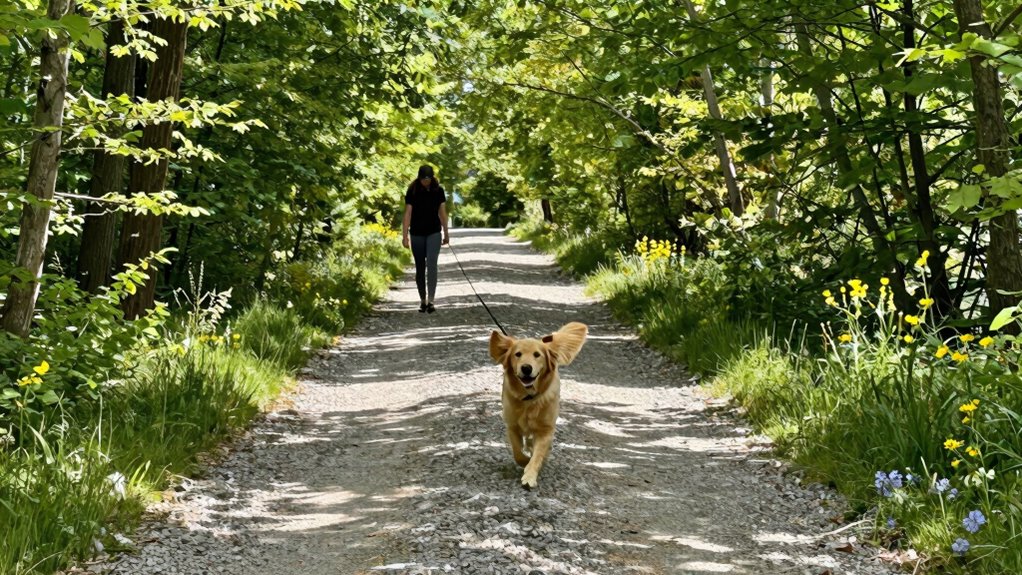
Regular decompression walks offer vital benefits for your dog’s well-being by calming their mind and strengthening their body. These walks provide essential dog enrichment, stimulating their senses and mental sharpness. They also promote canine relaxation, reducing stress and anxiety. Incorporating simple routines into your daily schedule can further enhance your dog’s overall sense of security and comfort.
Common Mistakes to Avoid During Your Dog’s Stress-Relief Walks
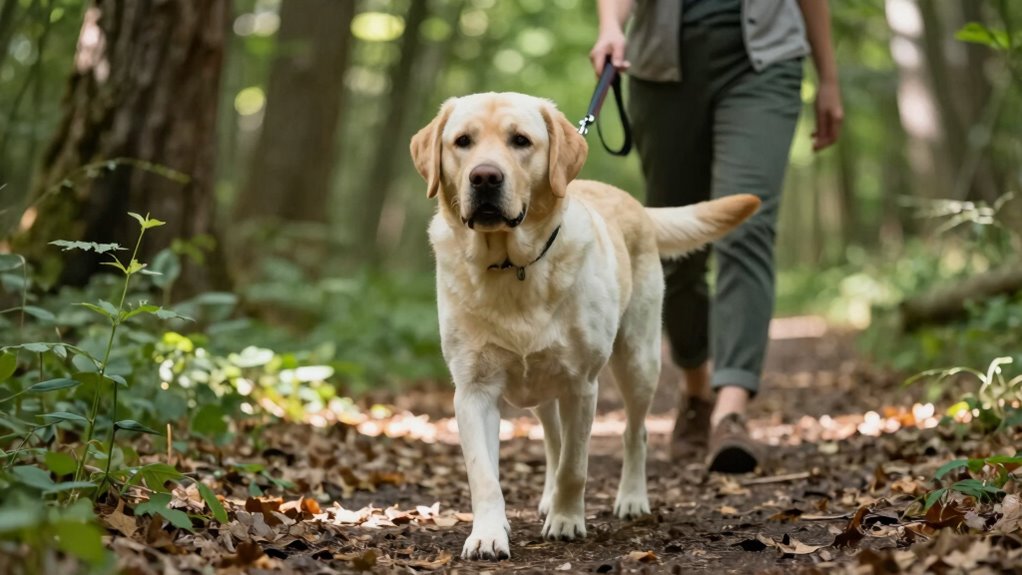
Even with the best intentions, it’s easy to make mistakes that can undermine your dog’s stress-relief walks. One common error is rushing through the walk instead of focusing on your dog’s cues, which can hinder puppy socialization and make your dog anxious. Overly tight leash training can also cause discomfort and restrict natural movement, preventing your dog from relaxing. Another mistake is exposing your dog to too many new environments or overstimulating situations, which can increase stress rather than reduce it. Additionally, neglecting to bring treats or toys can lead to frustration. Remember, these walks are about calming your dog, so avoid pushing them too hard or rushing the process. Focusing on training techniques that promote relaxed walking can help your dog feel more secure. Incorporating positive reinforcement during walks can further enhance your dog’s comfort and trust. Focus on gentle, relaxed pacing to maximize stress relief. Using seasonal checklists for maintenance can help ensure your walk environment remains safe and comfortable for your dog.
Making Decompression Walks a Routine for Long-Term Wellbeing
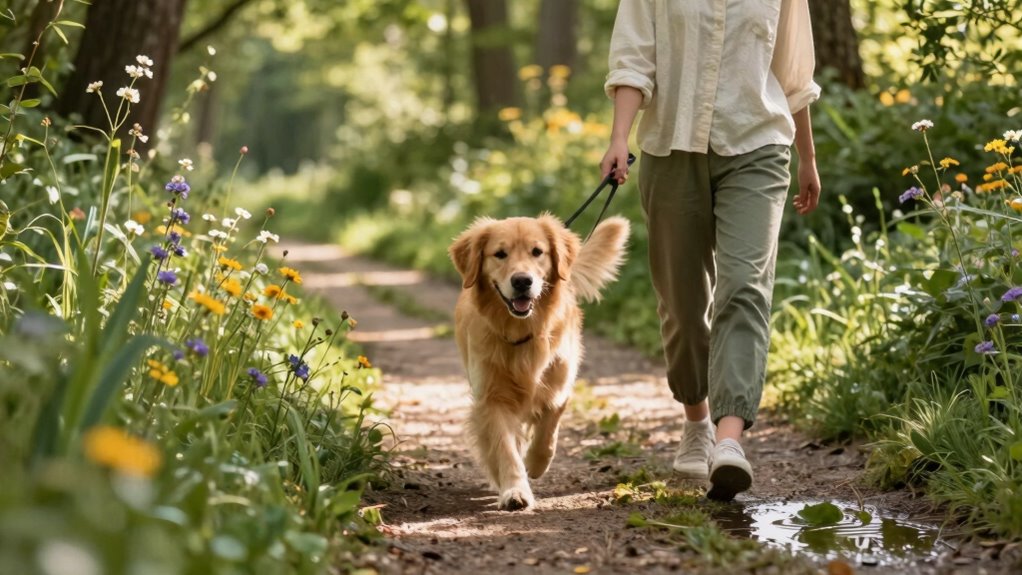
To make decompression walks a lasting part of your dog’s wellbeing, establish a consistent routine that fits your schedule. Mix up the environments you visit to keep your dog engaged and comfortable, and always watch for signs of how they’re responding. This approach helps create a reliable, calming habit that benefits your dog’s long-term health. Incorporating originality and personal touches can further enhance your dog’s experience and strengthen your bond.
Establish Consistent Routine
Creating a consistent routine for decompression walks helps your dog feel secure and reduces stress over time. When you stick to a regular schedule, your dog learns what to expect, which eases anxiety. To make these walks effective, consider these steps:
- Set specific times each day for walks, establishing predictability.
- Practice proper leash etiquette, keeping walks calm and controlled to reinforce good behavior.
- Incorporate gentle dog training during walks, like commands or cues, to strengthen your bond and reinforce calmness.
- Consistent routines also support mental challenges and cognitive well-being, making the experience more enriching for your dog.
Incorporate Varied Environments
Incorporating varied environments into your dog’s decompression walks can considerably enhance their long-term wellbeing. Visiting different settings like a lively dog park or bustling urban streets keeps your dog mentally stimulated and comfortable with new sights and sounds. A dog park offers a safe space for socialization and playful exploration, helping your dog build confidence. Urban streets expose your dog to diverse stimuli, such as traffic, pedestrians, and street noises, which can reduce future stress in busy environments. Changing scenery prevents your dog from becoming habituated to a single routine, encouraging curiosity and resilience. By regularly introducing new environments, you help your dog develop adaptability, making decompression walks a valuable tool for fostering overall mental health and calmness over time.
Observe Behavioral Responses
Observing your dog’s behavioral responses during decompression walks is essential for ensuring their long-term wellbeing. By paying close attention, you can identify signs of stress or comfort, helping you tailor your routines effectively. For example:
- Watch for signs of puppy play, like wagging tail or playful leaps, indicating your dog feels safe and relaxed.
- Notice if they pull on the leash or show hesitation, which suggests the need to reinforce leash training or adjust the environment.
- Observe their focus and curiosity—engaging with new sights and smells can boost confidence, but excessive fear or avoidance signals discomfort.
- Evaluating the performance ratings of your vacuum can help maintain a clean environment, which contributes to your dog’s health and comfort.
These responses guide you in creating a calming, enriching experience. Regularly observing helps you adapt your decompression walks, ensuring they remain a positive routine for your dog’s long-term health.
Frequently Asked Questions
How Long Should a Decompression Walk Typically Last?
A decompression walk should generally last around 20 to 30 minutes, following duration guidelines that balance activity variety and relaxation. Keep the pace calm and include gentle sniffing or exploring to help your dog unwind. If your dog is especially anxious or energetic, you might extend the walk slightly. Remember, the goal is to create a stress reset, so pay attention to your dog’s cues and keep the walk enjoyable.
Can Decompression Walks Replace Regular Exercise for Dogs?
Decompression walks shouldn’t replace regular exercise, but they complement it by promoting dog socialization and leash training in calm settings. These walks help your dog relax and process daily stress, which improves behavior and strengthens your bond. While regular exercise keeps your dog physically fit, decompression walks focus on mental well-being. Use them together for a balanced approach that supports both your dog’s physical health and emotional stability.
Are There Specific Breeds That Benefit More From Decompression Walks?
Certain breeds with high energy levels or strong behavioral differences, like Border Collies or Jack Russells, benefit more from decompression walks. You’ll notice these walks help address breed-specific needs by calming hyperactivity and reducing stress. For breeds prone to anxiety or overexcitement, regular decompression walks can be essential, offering a tailored way to meet their unique behavioral differences and promote a calmer, happier dog.
Should I Adjust Decompression Walk Routines for Anxious Versus Hyperactive Dogs?
Yes, you should adjust decompression walk routines based on your dog’s temperament. For anxious dogs, keep walk duration shorter and focus on calming, steady pacing to prevent overstimulation. For hyperactive dogs, longer walks at a brisk pace can help burn excess energy. Observe their responses and modify walk duration accordingly, ensuring each walk effectively resets their stress levels without causing further anxiety or hyperactivity.
What Safety Precautions Should I Take During a Stress-Relief Walk?
During a stress-relief walk, prioritize leash safety by ensuring it’s secure and comfortable, preventing escapes. Stay aware of your environment, avoiding busy streets or potential hazards like aggressive dogs or toxic plants. Watch your dog’s body language closely, and keep a safe distance from distractions. Always carry waste bags and water, and stay calm yourself to create a relaxed atmosphere. These precautions help keep both you and your dog safe and stress-free.
Conclusion
Incorporating regular decompression walks into your dog’s routine can substantially reduce stress and boost overall well-being. By paying attention to their signals and creating calm, enjoyable outings, you’ll help your furry friend stay balanced and happy. Isn’t their peace of mind worth the extra effort? Remember, a relaxed dog is a happy dog—and a happier life for both of you starts with simple, mindful walks.