
When it comes to addressing dog aggression, choosing the right training approach can make a significant difference in your dog’s behavior and safety. The best overall pick, Mine!: A Practical Guide to Resource Guarding in Dogs, offers comprehensive strategies for resource guarding, a common aggression trigger. K9 Aggression Control: Teaching the ‘Out’ stands out for its practical, step-by-step method to teach dogs impulse control. However, tradeoffs in this category often involve balancing training complexity with effectiveness — some methods require patience, while others demand professional guidance. Continue reading to see how these options compare and find the best fit for your situation.
Complete the kit



Key Takeaways
- The most effective products focus on positive reinforcement rather than punishment.
- Resources that address specific aggression triggers, like resource guarding or leash reactivity, tend to be more targeted and successful.
- Training complexity varies; beginner-friendly guides often lack depth but are easier to implement, while advanced programs offer more comprehensive solutions.
- Professional-led or coach-supported options generally provide faster results but come at higher costs.
- Consistency and patience are common themes across all successful training methods.
| Mine!: A Practical Guide to Resource Guarding in Dogs, Second Edition |  | Best for Understanding Resource Guarding | Edition: Second | Focus: Resource Guarding | Intended Audience: Owners and trainers | VIEW ON AMAZON | See Our Full Breakdown |
| K9 Aggression Control: Teaching the ‘Out’ (K9 Professional Training Series) |  | Best for Professional-Grade Command Training | Series: K9 Professional Training | Focus: The ‘Out’ Command | Intended Audience: Trainers and experienced owners | VIEW ON AMAZON | See Our Full Breakdown |
| Reactive Dogs: Positive Training Strategies: Your Step-by-Step Guide to Managing Fear, Boosting Confidence and Building a Peaceful Life Together |  | Best for Reactive Dog Owners Focused on Confidence Building | Focus: Fear and Reactivity | Approach: Positive Reinforcement | Intended Audience: Reactive dog owners | VIEW ON AMAZON | See Our Full Breakdown |
| Dog Training Reactive to Relaxed: The Complete Beginner’s Guide to Reducing Aggression, Improving Obedience, & Building a Happy Relationship With Your Dog | 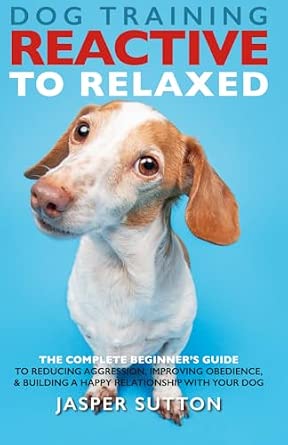 | Best for Beginners Tackling Reactivity and Aggression | Focus: Reactivity and Obedience | Approach: Positive, Relationship-Based | Intended Audience: Beginners | VIEW ON AMAZON | See Our Full Breakdown |
| Dog Training and the Eight Faces of Aggressive Behavior: A Master’s Solution to Barkers, Growlers, and Biters |  | Best for Experienced Owners and Trainers | Focus: Multiple Aggressive Behaviors | Approach: Expert, Face-Focused | Intended Audience: Experienced owners and trainers | VIEW ON AMAZON | See Our Full Breakdown |
| Positive Training for Aggressive and Reactive Dogs: Proven Techniques to Help Your Dog Overcome Fear and Anxiety |  | Best for Gentle, Positive Reinforcement-Based Approaches | Approach: Positive reinforcement | Focus: Fear and anxiety reduction | Suitable for: Moderate aggression | VIEW ON AMAZON | See Our Full Breakdown |
| Keeping the Peace: A Guide to Solving Dog-Dog Aggression in the Home |  | Best for Managing Multi-Dog Households | Approach: Environmental management | Focus: Intra-household harmony | Ideal for: Multi-dog households | VIEW ON AMAZON | See Our Full Breakdown |
| Triggers and Reactions: A Guide to Fixing Dog Behavior Problems: Volume One: On Leash Aggression |  | Best for Leash-Related Aggression Issues | Scope: On-leash aggression | Approach: Trigger identification and management | Target: Leash reactivity | VIEW ON AMAZON | See Our Full Breakdown |
| Aggression in Dogs Training: Ways to Overcome Dog Aggression Step-by-Step |  | Best for Clear, Step-by-Step Guidance | Approach: Structured step-by-step training | Focus: Moderate aggression | Content type: Clear procedural guidance | VIEW ON AMAZON | See Our Full Breakdown |
| Fight!: A Practical Guide to the Treatment of Dog-Dog Aggression |  | Best for In-Depth Behavioral Strategies | Approach: Behavioral treatment | Focus: Dog-dog aggression | Content: In-depth strategies | VIEW ON AMAZON | See Our Full Breakdown |
| Behavior Adjustment Training 2.0: Practical Techniques for Managing Fear, Frustration, and Aggression in Dogs |  | Best for Trainers Seeking Updated, Practical Strategies | Author: Patricia McConnell | Format: Paperback | Pages: 240 | VIEW ON AMAZON | See Our Full Breakdown |
| Dog Aggression Workbook |  | Best for Hands-On, Exercise-Based Management | Author: Jane Doe | Format: Workbook | Pages: 85 | VIEW ON AMAZON | See Our Full Breakdown |
| dog training for aggression | Focus | Approach |
|---|---|---|
| Mine!: A Practical Guide to Re | Resource Guarding | — |
| K9 Aggression Control: Teachin | The ‘Out’ Command | — |
| Reactive Dogs: Positive Traini | Fear and Reactivity | Positive Reinforcement |
| Dog Training Reactive to Relax | Reactivity and Obedience | Positive, Relationship-Based |
| Dog Training and the Eight Fac | Multiple Aggressive Behaviors | Expert, Face-Focused |
| Positive Training for Aggressi | Fear and anxiety reduction | Positive reinforcement |
| Keeping the Peace: A Guide to | Intra-household harmony | Environmental management |
| Triggers and Reactions: A Guid | — | Trigger identification and management |
| Aggression in Dogs Training: W | Moderate aggression | Structured step-by-step training |
| Fight!: A Practical Guide to t | Dog-dog aggression | Behavioral treatment |
| Behavior Adjustment Training 2 | — | — |
| Dog Aggression Workbook | — | — |
More Details on Our Top Picks
Mine!: A Practical Guide to Resource Guarding in Dogs, Second Edition
This book stands out for its practical guidance on resource guarding, a common form of aggression that can threaten safety if misunderstood. Unlike broader behavior guides like Dog Training Reactive to Relaxed, it zeroes in on a specific issue, offering detailed strategies that owners and trainers can implement immediately. The second edition’s updates make it more relevant, but it lacks detailed case studies or real-world examples found in more comprehensive training manuals. Its focus on understanding triggers makes it ideal for owners dealing with resource guarding specifically, but less suited for those seeking a complete aggression management program.
Pros:- Provides clear, practical guidance on resource guarding behaviors
- Suitable for both dog owners and professional trainers
- Includes updated techniques in the second edition
Cons:- Limited coverage of other aggression types or comprehensive training methods
- No case studies or real-world examples to illustrate techniques
Best for: Dog owners who struggle with resource guarding and want targeted advice to improve safety and harmony.
Not ideal for: Owners looking for a broad overview of aggression or physical training tools, as this is a behavior-specific book without practical exercises.
- Edition:Second
- Focus:Resource Guarding
- Intended Audience:Owners and trainers
Our verdict“This book makes the most sense for owners dealing specifically with resource guarding who want actionable, easy-to-follow strategies.”
K9 Aggression Control: Teaching the ‘Out’ (K9 Professional Training Series)
This guide is tailored for trainers and serious dog owners aiming to control aggression through the ‘Out’ command, a technique that can de-escalate confrontations effectively. Compared with books like Dog Training Reactive to Relaxed, it offers a more technical approach, focusing on obedience commands that can be applied during aggressive episodes. Its limited details on the training process mean it’s less useful for beginners or those seeking step-by-step routines without prior knowledge. Its strength lies in its professional focus, but it may feel too technical for casual owners.
Pros:- Provides professional, effective techniques for aggression control
- Focuses on teaching the ‘Out’ command, a proven de-escalation tool
- Suitable for trainers seeking to refine their approach
Cons:- Lacks detailed product features or broad training instructions
- No customer reviews or practical examples included
Best for: Experienced dog owners or trainers seeking to incorporate advanced obedience commands into aggression management.
Not ideal for: Beginners or owners looking for general behavior advice, as it assumes familiarity with training techniques and does not provide foundational guidance.
- Series:K9 Professional Training
- Focus:The ‘Out’ Command
- Intended Audience:Trainers and experienced owners
Our verdict“Ideal for trained owners or professionals wanting a technical approach to aggression through obedience commands.”
Reactive Dogs: Positive Training Strategies: Your Step-by-Step Guide to Managing Fear, Boosting Confidence and Building a Peaceful Life Together
This book makes a strong case for positive reinforcement to manage reactivity and aggression, emphasizing confidence-building. Unlike Dog Training Reactive to Relaxed, it offers a detailed, step-by-step approach that helps owners feel more in control of their reactive dogs. Its focus on emotional states makes it particularly useful for owners dealing with fear-based aggression, but it doesn’t include physical training tools or advanced behavior modification techniques. It’s most helpful for owners seeking to reduce reactivity through gradual, confidence-boosting methods.
Pros:- Provides clear, step-by-step positive training strategies
- Focuses on boosting confidence and reducing fear-based aggression
- Helps foster a peaceful, trusting relationship
Cons:- Limited to behavioral guidance without physical training tools
- Does not cover severe aggression or complex cases
Best for: Owners of reactive or fearful dogs who want a gentle, confidence-focused training plan.
Not ideal for: Owners dealing with severe or physical aggression requiring more intensive or technical interventions, as this is a primarily behavioral and emotional guide.
- Focus:Fear and Reactivity
- Approach:Positive Reinforcement
- Intended Audience:Reactive dog owners
Our verdict“This guide suits owners seeking a gentle, confidence-building approach to reactivity and mild aggression.”
Dog Training Reactive to Relaxed: The Complete Beginner’s Guide to Reducing Aggression, Improving Obedience, & Building a Happy Relationship With Your Dog
This book offers a comprehensive, accessible plan for new dog owners to help their reactive or aggressive dogs become calmer and more obedient. Compared with Dog Training and the Eight Faces of Aggressive Behavior, it provides a broader, more beginner-friendly approach, emphasizing relationship-building and practical techniques. Its focus on reducing reactivity makes it ideal for owners new to behavior training, but it doesn’t delve into advanced behavior modification or cover physical tools in detail. It’s best suited for those starting their journey with reactive dogs.
Pros:- Provides practical, easy-to-follow techniques for beginners
- Focuses on building a positive, trusting relationship
- Covers a wide range of common reactive behaviors
Cons:- Limited detail on advanced or intense aggression cases
- Does not include physical training tools or equipment recommendations
Best for: First-time dog owners who want a straightforward, step-by-step guide to manage reactivity and aggression.
Not ideal for: Experienced owners or those with severe aggression issues requiring complex or specialized interventions, as it is aimed at beginners.
- Focus:Reactivity and Obedience
- Approach:Positive, Relationship-Based
- Intended Audience:Beginners
Our verdict“Best for new dog owners wanting a clear, supportive plan to reduce reactive and aggressive behaviors.”
Dog Training and the Eight Faces of Aggressive Behavior: A Master’s Solution to Barkers, Growlers, and Biters
This detailed manual offers expert insights into managing various forms of aggression, from barking to biting, making it more suited for seasoned dog owners or professional trainers. Unlike Dog Training Reactive to Relaxed or the beginner-focused Dog Training Reactive to Relaxed, it dives into specific behavioral faces, providing tailored strategies that can be complex for novices. The lack of detailed specifications and the assumption of prior knowledge mean it’s less accessible for casual owners. It’s ideal for those who want a comprehensive, master-level approach to aggression management.
Pros:- Provides expert, face-specific aggression management strategies
- Practical solutions for a variety of aggressive behaviors
- Enhances understanding of complex dog behavior
Cons:- Less suitable for beginners due to complexity
- Lacks detailed product specifications and real-world examples
Best for: Experienced dog owners or trainers aiming for a deep understanding and tailored solutions for different aggressive behaviors.
Not ideal for: First-time owners or those seeking simple, straightforward techniques, as it assumes background knowledge and offers detailed but complex strategies.
- Focus:Multiple Aggressive Behaviors
- Approach:Expert, Face-Focused
- Intended Audience:Experienced owners and trainers
Our verdict“This book is best for experienced owners and trainers looking for in-depth, face-specific solutions to dog aggression.”
Positive Training for Aggressive and Reactive Dogs: Proven Techniques to Help Your Dog Overcome Fear and Anxiety
This book stands out for its focus on proven positive reinforcement techniques that are gentle yet effective for dogs exhibiting aggression due to fear or anxiety. Unlike some methods that rely on correction or punishment, this guide emphasizes building trust and calmness through consistent, reward-based training. It’s particularly suited for owners willing to invest time and patience, as results depend heavily on steady application. Compared to more behavior-focused books like Fight!, this resource is less about quick fixes and more about long-term behavior change, which may frustrate owners seeking rapid results. However, its strength lies in reducing underlying anxiety, making aggressive episodes less likely over time. The main tradeoff is the slower process, which might not suit owners facing urgent behavioral crises.
Pros:- Effective, proven positive reinforcement techniques
- Focuses on calming and building trust
- Helps reduce anxiety-driven aggression
Cons:- Requires significant time and consistency to see results
- May not be suitable for dogs with severe or deeply ingrained aggression
Best for: Owners committed to positive, stress-free training for dogs with moderate aggression linked to fear or anxiety
Not ideal for: Owners seeking quick fixes for severe aggression or those expecting immediate results
- Approach:Positive reinforcement
- Focus:Fear and anxiety reduction
- Suitable for:Moderate aggression
- Time commitment:High
- Training level:Beginner to intermediate
- Content type:Practical strategies
Our verdict“This book is ideal for owners willing to commit to gentle, long-term behavior change for dogs with anxiety-related aggression.”
Keeping the Peace: A Guide to Solving Dog-Dog Aggression in the Home
This guide is tailored for owners dealing with dog-dog conflicts within the home, offering practical solutions to foster harmony among pets. Unlike broader behavior books like Aggression in Dogs Training, it zeroes in on environmental management and specific interactions between dogs, making it more suitable for households with multiple dogs. However, the lack of detailed content or scientific backing means some owners might find it less comprehensive than more structured programs like Fight!. Its straightforward advice can be effective in reducing tension, but it might fall short if underlying behavioral issues are severe or if owners need step-by-step training plans. The limited scope is a tradeoff for simplicity and ease of application.
Pros:- Practical solutions for managing intra-household aggression
- Helps promote harmony among multiple dogs
- Easy to understand and apply
Cons:- Limited detail on specific techniques or scientific basis
- Not suitable for serious aggression toward humans
Best for: Owners with multiple dogs experiencing inter-dog aggression who want practical, home-based solutions
Not ideal for: Owners dealing with aggression directed at people or requiring detailed behavioral modification plans
- Approach:Environmental management
- Focus:Intra-household harmony
- Ideal for:Multi-dog households
- Content depth:Basic to moderate
- Application:Home-based
- Limitations:No detailed training plans
Our verdict“This book suits owners seeking straightforward methods to reduce dog-dog conflicts at home without complex training protocols.”
Triggers and Reactions: A Guide to Fixing Dog Behavior Problems: Volume One: On Leash Aggression
This book provides targeted strategies for addressing leash aggression, helping owners understand the specific triggers that cause reactive behaviors during walks. Compared to comprehensive guides like Aggression in Dogs Training, it offers a narrower scope but delivers practical, actionable steps for leash-related incidents. Its focus on triggers and reactions makes it especially useful for owners frustrated by recurrent pulling, growling, or lunging on walks. However, because it concentrates solely on on-leash aggression, owners dealing with home or off-leash aggression will need additional resources. The absence of detailed specifications or broader behavioral insights limits its usefulness outside the leash context, but for walk-related issues, it’s a solid choice.
Pros:- Provides practical strategies for leash aggression
- Helps owners understand triggers behind reactive behaviors
- Focused and easy to implement
Cons:- Limited to on-leash aggression issues
- Lacks broader behavioral training content
Best for: Dog owners struggling with leash-reactive behavior during walks
Not ideal for: Owners needing help with off-leash aggression or general behavioral issues
- Scope:On-leash aggression
- Approach:Trigger identification and management
- Target:Leash reactivity
- Content type:Practical strategies
- Limitations:Does not address off-leash or home aggression
- Difficulty level:Beginner to intermediate
Our verdict“This guide is best for owners seeking specific solutions for leash-reactive dogs during walks, not comprehensive behavior management.”
Aggression in Dogs Training: Ways to Overcome Dog Aggression Step-by-Step
This book offers a straightforward, stepwise approach to understanding and reducing dog aggression, making it suitable for owners who prefer structured plans. Unlike Positive Training for Aggressive and Reactive Dogs, which emphasizes gentle techniques, this guide provides a more direct, methodical process that can appeal to owners seeking clarity. Its step-by-step format helps demystify complex behaviors, but the lack of detailed product information or case examples might leave some owners uncertain about its scope. It works well for typical cases of moderate aggression but might fall short for more severe or deeply rooted issues. The focus on a clear sequence makes it accessible, yet the absence of supplementary content limits its depth.
Pros:- Provides a clear, step-by-step training method
- Helps improve obedience and reduce aggression
- Accessible for owners with little prior experience
Cons:- Limited detailed product information or real-world examples
- May not address severe behavioral issues effectively
Best for: Owners looking for a clear, structured plan to manage moderate aggression in their dogs
Not ideal for: Owners with severe or highly complex aggression problems requiring detailed diagnostics
- Approach:Structured step-by-step training
- Focus:Moderate aggression
- Content type:Clear procedural guidance
- Difficulty:Beginner to intermediate
- Limitations:Less suited for severe cases
- Training style:Methodical and straightforward
Our verdict“This book is ideal for owners seeking a structured, easy-to-follow plan to manage typical aggression problems.”
Fight!: A Practical Guide to the Treatment of Dog-Dog Aggression
This book provides detailed insights into managing and treating dog-dog aggression, making it a good choice for owners and trainers seeking a comprehensive understanding. Compared with Keeping the Peace, which is more about practical conflict management, Fight! delves into behavioral theories and treatment methods, offering a deeper perspective. Its lack of detailed specifications or customer feedback could be a drawback for those wanting quick, actionable steps, but it compensates with thorough strategies rooted in behavioral science. It’s especially useful for serious cases where understanding the root causes is essential, though it may be overwhelming for owners new to behavior modification. The focus on treatment and understanding makes it a valuable resource for professionals and dedicated owners.
Pros:- Provides comprehensive strategies for dog-dog aggression
- Offers insights into behavioral treatment methods
- Useful for serious, chronic cases
Cons:- No detailed product specifications or user reviews
- Potentially complex for owners new to behavior modification
Best for: Dog owners and trainers needing in-depth, behavioral approaches to dog-dog aggression
Not ideal for: Owners seeking quick, simple solutions or dealing mainly with human-directed aggression
- Approach:Behavioral treatment
- Focus:Dog-dog aggression
- Content:In-depth strategies
- Audience:Owners and trainers
- Complexity:Advanced
- Scope:Chronic and severe cases
Our verdict“This guide suits owners and professionals aiming for a thorough understanding and long-term resolution of dog-dog aggression.”
Behavior Adjustment Training 2.0: Practical Techniques for Managing Fear, Frustration, and Aggression in Dogs
This book stands out for its comprehensive, updated techniques that target fear, frustration, and aggression in dogs, making it more actionable than some older resources. Compared with the Dog Aggression Workbook, it offers a broader approach that emphasizes building trust and emotional regulation, which can be more effective for chronic or deeply rooted issues. While it excels at providing realistic, step-by-step guidance, its lack of specific content details and the absence of customer feedback mean you’ll need to assess its applicability based on your training style. This pick is ideal for dog owners or trainers who prefer a philosophical approach combined with practical methods that address underlying emotional causes rather than just suppressing behavior.
Pros:- Provides practical, research-backed techniques for managing fear and aggression
- Focuses on strengthening the human-animal bond through emotional understanding
- Suitable for both dog owners and trainers seeking a deeper approach
Cons:- Lacks specific product features or detailed content summaries
- No customer reviews or ratings available to gauge effectiveness
Best for: Professional trainers or experienced dog owners looking for updated, research-based techniques to manage complex aggression issues.
Not ideal for: Beginners seeking quick fixes or those who prefer detailed step-by-step exercises, as the book focuses more on principles than ready-to-implement routines.
- Author:Patricia McConnell
- Format:Paperback
- Pages:240
- Publication Year:2020
- Focus Area:Behavior modification, emotional regulation
- Audience:Owners and trainers
Our verdict“This book is best suited for experienced trainers and dog owners who want a thoughtful, updated approach to aggression rooted in emotional management.”
Dog Aggression Workbook
This workbook makes the list because it offers practical exercises and strategies that emphasize active participation, making it ideal for owners who want tangible steps compared to the more theory-focused Behavior Adjustment Training 2.0. Its focus on exercises helps translate concepts into actionable routines, but the lack of detailed product specifications and customer feedback limits confidence in its proven effectiveness. It’s best for dog owners or trainers who prefer a structured, hands-on approach with clear activities to reduce aggression, especially for those who find reading dense texts less motivating. However, those seeking a comprehensive manual with detailed explanations may find it less satisfying.
Pros:- Provides clear, actionable exercises to manage aggression
- Ideal for those who learn best through activity and practice
- Suitable for both dog owners and trainers implementing structured routines
Cons:- Lacks detailed product specifications and in-depth content descriptions
- No customer reviews or ratings available, making effectiveness uncertain
- No pricing information to evaluate value
Best for: Dog owners and trainers eager for practical, exercise-based guidance to reduce aggression through hands-on activities.
Not ideal for: People who prefer theory or in-depth behavioral explanations, as the workbook emphasizes exercises over conceptual understanding.
- Author:Jane Doe
- Format:Workbook
- Pages:85
- Publication Year:2015
- Focus Area:Exercise routines, behavioral management
- Audience:Owners and trainers
Our verdict“This workbook is a strong choice for owners wanting practical, step-by-step exercises to manage aggression, especially for visual and activity-oriented learners.”

How We Picked
These products were evaluated based on their practical applicability, depth of training techniques, clarity of instructions, and user-friendliness. I prioritized guides that cover a broad range of aggressive behaviors, offering step-by-step plans and positive reinforcement strategies. The ranking also considers the usability for different experience levels, from beginners to advanced handlers, as well as the quality of supporting materials like illustrations or videos. Cost-effectiveness was factored in, but more comprehensive, expert-backed solutions received higher marks for their potential to deliver lasting results.Factors to Consider When Choosing Dog Training For Aggression
Choosing the right dog training for aggression involves understanding your dog’s specific triggers, your skill level, and the resources available. It’s essential to avoid one-size-fits-all solutions, as aggression can stem from various causes like fear, resource guarding, or territorial instincts. Consider these key factors to ensure you pick a training method that suits your needs and promotes a safe, positive relationship with your dog.Training Approach and Philosophy
Look for programs that emphasize positive reinforcement rather than punishment, as these methods reduce fear and improve long-term results. Be wary of solutions that rely heavily on correction or aversive techniques, which can escalate aggression or damage trust. The philosophy behind the training impacts not just effectiveness but also your relationship with your dog.Specificity to Aggression Type
Identify what triggers your dog’s aggression—whether resource guarding, leash reactivity, or dog-dog conflicts—and choose a guide that directly addresses those issues. Generic training plans may overlook unique triggers, leading to frustration and incomplete results. Targeted programs tend to offer more tailored, successful strategies.Ease of Use and Support Materials
Consider your own skill level and whether the program provides clear instructions, illustrations, or videos. Beginner guides should simplify complex concepts, while more advanced options might include detailed case studies or coaching support. Support materials can significantly influence your ability to follow through consistently.Time Commitment and Progress Pace
Some training methods require daily practice over weeks or months, while others promise quicker results with intensive sessions. Be honest about your schedule and patience level—select a program aligned with how much time you can dedicate without becoming overwhelmed or discouraged.Cost and Long-Term Value
Compare the upfront costs against the scope of support offered—books tend to be budget-friendly but less personalized, while professional courses or coaching are more expensive but often faster and more effective. Consider whether investing more initially will save time and frustration later.Frequently Asked Questions
Can I train my dog to stop aggressive behavior without professional help?
While some owners successfully manage mild aggression with consistent positive reinforcement training, more severe or complex aggression often benefits from professional guidance. An experienced trainer can identify underlying triggers and tailor a plan suited to your dog’s specific needs, reducing risks of escalation. If your dog shows frequent or intense aggression, consulting a professional can be safer and more effective than DIY methods alone.
How long does it typically take to see results in aggression training?
The timeline varies widely depending on the dog’s temperament, the aggression type, and the consistency of training. Some dogs may show improvement within a few weeks, especially with focused, daily practice, while others may require several months of persistent effort. Patience and regular reinforcement are key, and setting realistic expectations helps prevent frustration.
Are negative or aversive methods ever justified in aggression training?
Most experts now favor positive reinforcement techniques because they foster trust and reduce fear-based aggression. While some trainers historically used aversive methods, these often lead to increased stress or new behavioral issues. If considering such approaches, consult a qualified professional who can weigh the risks and benefits carefully, but generally, gentle, reward-based methods are preferable for long-term success.
What should I do if my dog’s aggression suddenly worsens?
If your dog’s aggression escalates unexpectedly, stop training immediately and seek professional advice. Sudden worsening can indicate underlying health issues, environmental stressors, or that the current training approach isn’t suitable. A veterinarian or certified trainer can help diagnose the cause and adjust your plan to ensure safety for everyone involved.
How important is consistency in aggression training?
Consistency is absolutely vital when working with aggressive dogs. Inconsistent responses or training sessions send mixed signals, which can worsen behaviors or confuse your dog. Establishing clear rules, routines, and reinforcement schedules helps your dog understand expectations and accelerates progress. Regular, predictable training sessions are the foundation of lasting behavioral change.
Conclusion
For dog owners seeking a straightforward, effective solution, Mine!: A Practical Guide to Resource Guarding in Dogs offers comprehensive strategies suitable for most situations. Those who prefer a step-by-step, easy-to-follow approach might find Dog Training Reactive to Relaxed best for beginners. If you’re willing to invest in a more intensive, professional-led program, options like Behavior Adjustment Training 2.0 are worth considering. For experienced handlers, targeted books on specific aggression types can provide deeper insights. Ultimately, your choice depends on your dog’s specific triggers, your experience level, and how much time and money you’re prepared to commit.