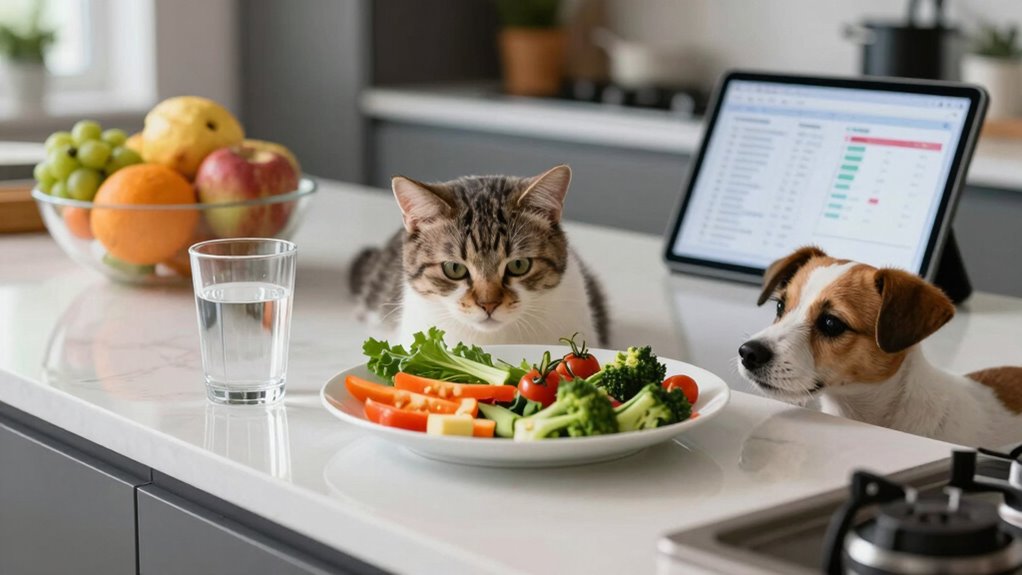

Appetite changes in your pet are more than just a sign of picky eating; they can indicate serious health problems like illness or hormonal imbalances. Sudden loss or increase in eating habits often come with other behavioral clues, such as lethargy or irritability. Recognizing these subtle signs early can save your pet’s life by prompting prompt veterinary care. If you want to understand what these signals mean for your pet’s health, keep going.

Get pet supplies delivered free with Prime
- Fast, free delivery on millions of items
- Prime Video, Amazon Music and more included
- Member-only deals all year
Key Takeaways
- Appetite changes can signal underlying health issues requiring prompt veterinary attention.
- Small shifts in eating habits often precede more serious medical conditions.
- Recognizing behavioral cues alongside appetite helps early detection of illness.
- Monitoring appetite regularly allows for timely intervention, improving treatment outcomes.
- Ignoring appetite fluctuations risks worsening health and complicating recovery.
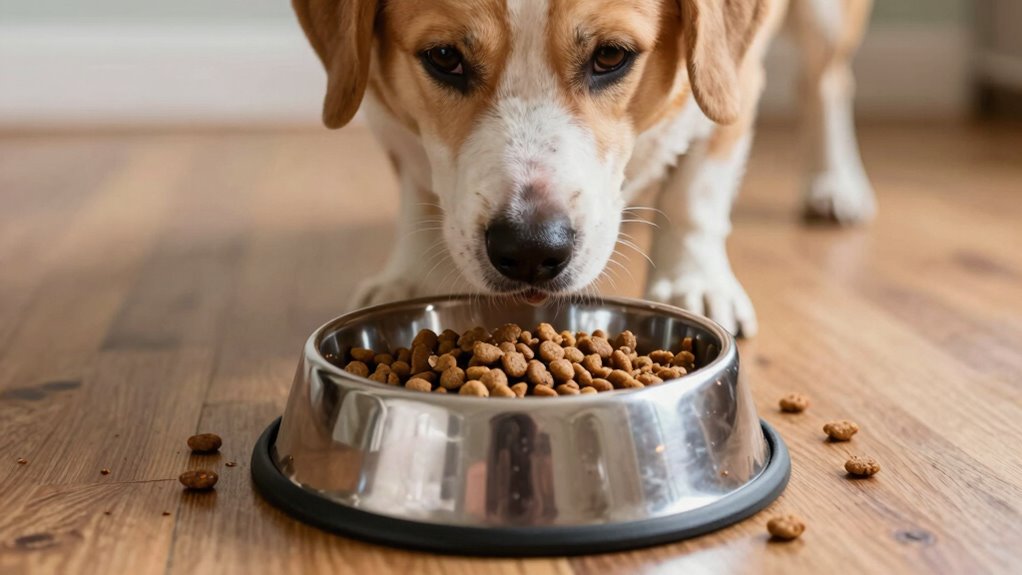
Appetite changes might seem insignificant at first, but they can signal underlying health issues that need attention. When your pet stops eating or suddenly starts eating way more than usual, it’s easy to dismiss these behaviors as temporary or minor. However, these behavioral signs can be early indicators of serious health problems. Recognizing and understanding these changes is vital because they often serve as the first clues that something’s amiss. If your pet isn’t showing normal eating habits, it’s time to pay closer attention and consider a veterinary consultation. Delaying medical evaluations can allow potential issues to worsen, making treatment more complicated and less effective.
Your pet’s eating patterns are closely linked to their overall health. A sudden loss of appetite could be a sign of illness, pain, or discomfort, while increased hunger might indicate metabolic or hormonal imbalances. These shifts in behavior are often subtle but should never be ignored. They can also be accompanied by other behavioral signs, such as lethargy, irritability, or changes in activity levels. Recognizing these signs early helps you understand that your pet isn’t just being picky or lazy; they might be trying to tell you something important about their health. Small changes in appetite can escalate into more serious conditions if left unaddressed, so acting promptly is essential. Additionally, understanding the importance of health indicators can help you better interpret your pet’s behavior and seek timely veterinary care. Recognizing subtle behavioral cues can make a significant difference in early diagnosis and treatment. Being aware of early warning signs can ultimately save your pet’s life by prompting quicker intervention. Moreover, paying attention to vital signs can provide further insight into your pet’s overall well-being. Monitoring these key health signals regularly can help catch issues before they become critical.
As an affiliate, we earn on qualifying purchases.
Frequently Asked Questions
Can Minor Appetite Changes Indicate Serious Health Issues?
Minor appetite changes can indeed signal serious health issues. When you notice your pet eating less or more, it might be due to nutritional deficiencies or behavioral triggers linked to underlying problems. Ignoring these subtle shifts can lead to worsening health. Stay alert, monitor their habits, and consult your vet if changes persist. Early intervention helps address potential concerns before they develop into more severe conditions.
How Quickly Should Owners Act on Appetite Changes?
You should act immediately if you notice appetite changes, especially if behavioral cues suggest discomfort or illness. Even subtle shifts could signal underlying health issues or medication effects. Don’t wait; consult your veterinarian promptly to determine the cause. Quick action guarantees your pet gets the necessary care, preventing minor issues from escalating. Monitoring your pet closely and responding swiftly is key to maintaining their health and well-being.
Are Appetite Changes More Common in Certain Breeds?
Yes, appetite changes are more common in certain breeds due to breed predispositions and genetic factors. For example, some breeds like Labrador Retrievers or Beagles may have a naturally higher or more variable appetite, while others might be prone to appetite loss due to inherited health issues. Recognizing these breed tendencies helps you monitor your pet’s health more effectively and seek prompt veterinary advice when you notice unusual appetite changes.
What Dietary Adjustments Can Influence Appetite?
Oh, surely, because your pet’s appetite is just a minor detail, right? To influence it, tweak their feeding schedule—offer smaller, more frequent meals or adjust timing. Nutritional supplements can also stimulate hunger or address deficiencies. Be clever: a well-planned diet, with variety and consistency, often works wonders. Remember, a happy appetite isn’t just about food; it’s about understanding your pet’s unique needs and respecting their taste buds.
Do Appetite Changes Signal Emotional or Environmental Stress?
Yes, appetite changes often signal emotional triggers or environmental factors. When your pet experiences stress, anxiety, or changes in their environment, it can affect their desire to eat. You might notice a decreased or increased appetite during these times. Recognizing these signals helps you address underlying issues, providing comfort or reducing stressors, which can restore normal appetite. Paying attention to these cues makes certain your pet’s emotional well-being and overall health.
Conclusion
Remember, a little change in appetite can whisper that something’s off. Don’t brush it aside—it’s your pet’s way of telling you they need help. As the saying goes, “Forewarned is forearmed.” Paying attention now can prevent bigger health issues later. Stay observant, trust your instincts, and consult your vet if you notice anything unusual. Your attentiveness can make all the difference in keeping your furry friend happy and healthy for years to come.
Columbus Day / Indigenous Peoples' Day Picks
long weekend sales
As an affiliate, we earn on qualifying purchases.