

Some dogs need more choices in training because rigid, obedience-focused methods can cause them stress or resistance. Dogs with sensitive or independent temperaments often learn better when they feel in control and can decide whether to engage. This approach builds their confidence, reduces anxiety, and strengthens your bond. Allowing your dog options makes training more positive and effective. If you want to understand how tailoring choices benefits your dog, you’ll find helpful insights ahead.
Get ready for Prime Big Deal Days — try Prime free
Exclusive member deals on October 6–7, plus fast free delivery. Cancel anytime.
As an affiliate, we earn on qualifying purchases.
Key Takeaways
- Some dogs have independent or sensitive temperaments that respond better to voluntary participation than strict commands.
- Providing choices reduces stress and anxiety, making training a positive and engaging experience for the dog.
- Dogs motivated by natural instincts or preferences thrive when they can decide when to engage or reward.
- Allowing choice builds confidence and trust, fostering a stronger bond between dog and trainer/owner.
- Tailoring training to individual dog personalities promotes better behavior and a happier, more confident canine.
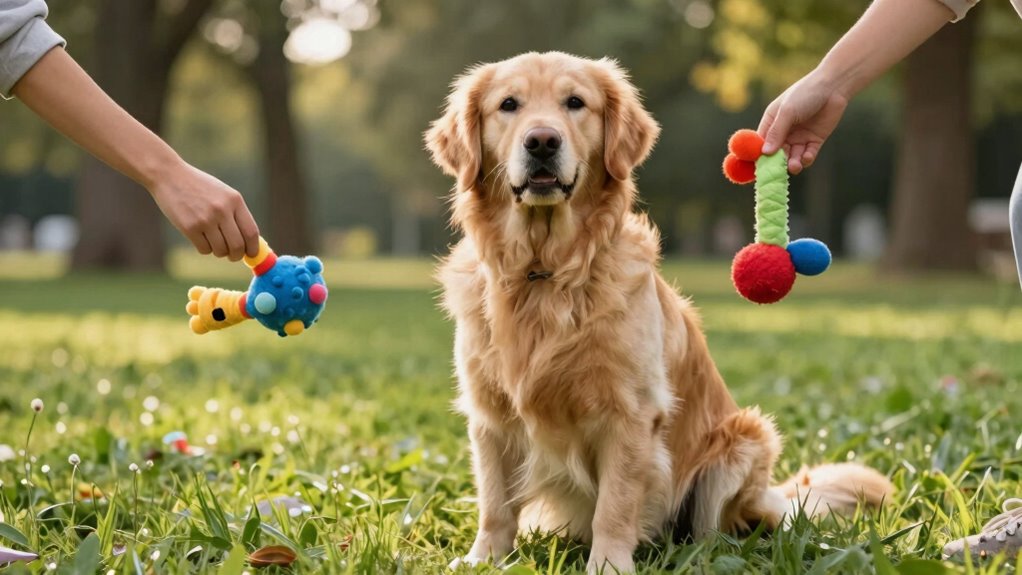
Not all dogs respond well to strict, command-based training methods. If you’ve tried a rigid approach and noticed your dog becoming anxious, distracted, or even resistant, it’s a clear sign that traditional training methods might not suit their personality. Some dogs are naturally more independent or sensitive, making them less receptive to commands that demand immediate obedience. In these cases, understanding dog behavior is essential. You need to recognize that your dog’s motivation and comfort level play a significant role in their ability to learn. When training feels stressful or forced, it can hinder progress rather than promote it. That’s why providing more choice during training sessions can be highly effective.
Not all dogs thrive with strict training—understanding their personality and giving choices fosters better learning and trust.
Incorporating more choice means giving your dog options rather than insisting on strict compliance. Instead of expecting immediate sit or stay commands, you might allow your dog to decide whether to engage or not. This approach fosters a sense of control, reduces stress, and strengthens the bond between you. It also makes learning a positive experience, encouraging your dog to participate willingly rather than out of obligation. For some dogs, the pressure of traditional training methods can trigger unwanted behaviors or even cause them to shut down altogether. By offering choices, you help your dog feel safer and more confident, which naturally improves their overall dog behavior.
Training methods that include choices often work better because they tap into a dog’s natural instincts and preferences. You might use treats, toys, or praise as rewards, but give your dog the power to decide when they want to work or take a break. For example, instead of forcing a sit, you can wait until your dog naturally offers the behavior, then reward it. This reinforces a positive connection and helps your dog associate training with fun, rather than stress. Remember, each dog is unique, and understanding their individual needs is key. Some dogs thrive with structured routines, while others flourish when they have more freedom to explore and make choices. Recognizing a dog’s natural instincts can help tailor training approaches that are more effective and enjoyable.
Adapting your training approach to include more options shows respect for your dog’s personality and enhances their willingness to learn. It’s not about abandoning commands altogether but about creating a balanced environment where your dog feels empowered to participate. This method can lead to better dog behavior, happier training sessions, and a more trusting relationship. When your dog feels safe and in control, they’re more likely to be engaged and enthusiastic to learn. Ultimately, giving your dog more choice isn’t just good for their well-being; it’s a smarter way to help them develop into well-behaved, confident companions. Recognizing the importance of dog behavior and natural instincts can make a significant difference in your training success.
dog training treat dispensing toys
As an affiliate, we earn on qualifying purchases.
As an affiliate, we earn on qualifying purchases.
Frequently Asked Questions
How Can I Tell if My Dog Needs More Training Choices?
You can tell your dog needs more training choices if they seem bored or frustrated during puppy socialization or leash training techniques. If your dog shows signs of anxiety, pulls excessively, or avoids commands, they might benefit from more options to engage and learn. Offering choices, like different treats or activities, helps boost their confidence and keeps training sessions positive. Watch for their reactions to determine when they need more variety or control.
What Signs Indicate a Dog Prefers More Training Options?
If your dog shows enthusiasm and engagement during training, it indicates a preference for more options, boosting their training motivation and behavioral flexibility. Signs include keen participation, quick learning, and curiosity about new challenges. Conversely, disinterest or boredom suggests they might need varied approaches. Recognizing these cues helps you tailor training to keep your dog motivated, fostering better learning and a positive training experience.
Are Certain Breeds More Suited for Choice-Based Training?
Certain breeds are indeed more suited for choice-based training due to their breed compatibility and training flexibility. For instance, intelligent breeds like Border Collies or Poodles thrive with this approach because they enjoy problem-solving and decision-making. You’ll find that these dogs respond well to giving them options, which keeps them engaged and motivated. Tailoring your training to their breed traits helps improve learning and strengthens your bond.
How Do I Introduce More Choices Without Confusing My Dog?
To introduce more choices without confusing your dog, start with small, clear options that reinforce training flexibility and choice motivation. Use consistent cues and gradually increase choices as your dog becomes comfortable. Observe their reactions, and offer choices in a calm, positive manner. This helps your dog understand that making decisions is rewarding, building confidence and trust, while keeping the training process clear and engaging.
Can Lack of Choice Lead to Behavioral Issues in Dogs?
Lack of choice can definitely lead to behavioral issues in dogs, as they may feel frustrated or overwhelmed. When you give your dog more options, it boosts their confidence and helps them learn better. By maintaining training consistency and using positive reinforcement, you create a supportive environment that encourages good behavior. Giving choices fosters trust and reduces anxiety, making your dog more willing to cooperate and thrive in their training.
Conclusion
Just like a garden needs varied sunlight and soil to thrive, each dog benefits from having choices in training. When you give your dog options, you’re watering their confidence and curiosity, allowing their true personality to blossom. Remember, forcing a square peg into a round hole only stifles growth. Embrace flexibility, and you’ll cultivate a trusting, happy companion who’s enthusiastic to learn—because, sometimes, the best training is the one that lets your dog find their own path.
NFL season / tailgating Picks
team gear
As an affiliate, we earn on qualifying purchases.