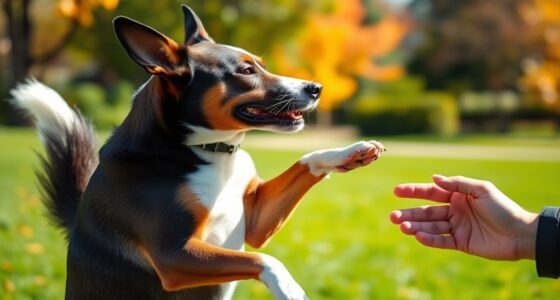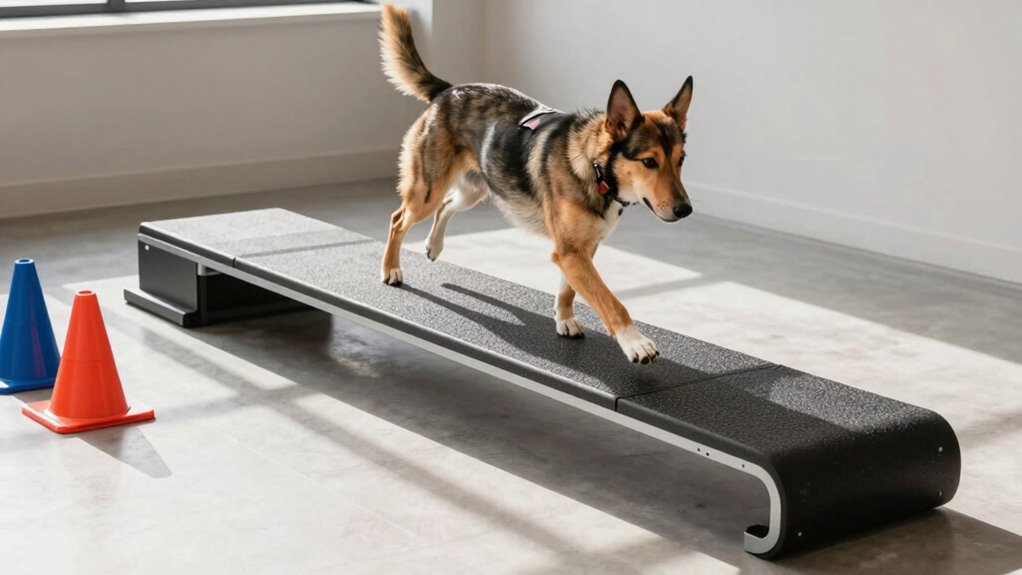
When choosing conditioning equipment for your dog, prioritize balance exercises first. Focus on stability tools like balance boards or low ramps to build strength, coordination, and muscular stability, reducing injury risk. As your dog gains confidence and control, you can safely introduce speed or more advanced routines. Ensuring proper equipment use and safety measures is essential throughout. Keep in mind, mastering balance is key to safe and effective training—continue exploring to learn more about creating a solid foundation.

Get pet supplies delivered free — and shop member deals
- Fast, free delivery on millions of items
- Access to Prime Big Deal Days deals on October 6–7
- Prime Video, Amazon Music and more included
Key Takeaways
- Prioritize balance exercises to develop muscular stability and prevent injuries before increasing speed training.
- Use stable, non-slip equipment like ramps and balance boards to ensure safe balance training.
- Gradually introduce controlled movements to build confidence and coordination in dogs.
- Regularly inspect and maintain equipment to ensure safety during balance-focused routines.
- Incorporate balance training as a foundation for more advanced, speed-focused conditioning.
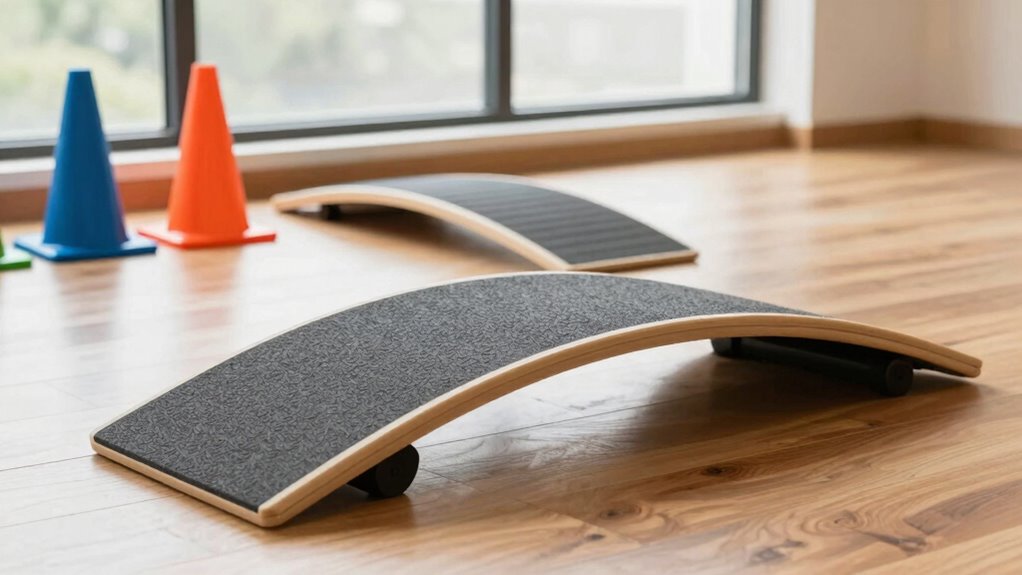
If you’re looking to keep your dog healthy and active, investing in the right conditioning equipment can make a significant difference. Properly used, this equipment helps improve your dog’s strength, endurance, and agility, but it’s essential to start with a focus on balance before speed. Before diving into intense routines, you should familiarize yourself with effective training techniques that emphasize gradual progress. Building a solid foundation ensures your dog develops good habits and minimizes the risk of injury. For example, teaching your dog to perform controlled movements, such as slow climbs or steady jumps, helps them learn proper mechanics and prevents overstressing their joints.
Start with balance exercises to build strength and prevent injury before progressing to more advanced routines.
Safety precautions are paramount when working with conditioning equipment. Always check the equipment for stability and ensure it’s suitable for your dog’s size and breed. Use non-slip surfaces to prevent slips and falls, especially on ramps or elevated platforms. Avoid pushing your dog beyond their comfort zone; instead, observe their reactions and look for signs of fatigue or discomfort. Incorporating muscular stability can help you tailor exercises that support your dog’s overall body strength. Developing a balanced muscle structure can enhance your dog’s athletic performance and reduce injury risk. Additionally, paying close attention to your dog’s movement patterns ensures that exercises are performed with proper form, reducing strain on joints and muscles. Incorporating regular conditioning routines can also promote overall health and prevent long-term issues.
When using conditioning equipment, focus on proper technique to maximize benefits and prevent injuries. For example, when guiding your dog up a ramp or onto a balance board, encourage slow, deliberate movements rather than rushing. Use positive reinforcement to motivate your dog and reinforce good behavior. Keep training sessions consistent but varied to maintain interest and challenge your dog safely. Remember, patience is key; rushing progress can lead to setbacks or accidents. Incorporating progressive training methods can help your dog develop confidence and resilience over time.
Incorporating training techniques that prioritize balance first helps your dog develop coordination and muscular stability, laying the groundwork for more advanced exercises later. Always supervise your dog closely during workouts and adjust routines based on their age, breed, and fitness level. If you’re unsure about a specific exercise or equipment, consult a professional trainer or veterinarian. Ultimately, the goal is to foster a safe, enjoyable environment that promotes your dog’s overall health while respecting their individual limits. By focusing on balance before speed, you set your dog up for a long, active, and happy life with fewer setbacks or injuries.
As an affiliate, we earn on qualifying purchases.
Frequently Asked Questions
How Often Should Dogs Use Conditioning Equipment?
You should use conditioning equipment for dogs about 3 to 4 times a week, ensuring you balance agility training with proper rest. This helps improve balance and strength without overtaxing their muscles. Always consider your dog’s nutritional needs, providing a balanced diet to support their activity level. Pay attention to signs of fatigue, and gradually increase intensity to prevent injuries, keeping training safe and effective.
What Age Is Best for Starting Dog Conditioning Training?
You should start puppy training around 8 weeks old, considering age considerations for safe, gentle conditioning. Early exposure helps build balance and confidence without rushing into speed-focused routines. Keep activities age-appropriate, focusing on fun and foundational skills. As your pup matures, gradually introduce more structured conditioning equipment, ensuring each step nurtures their growth comfortably. Patience and attentiveness during puppy training set the stage for healthy, balanced development.
Are There Any Safety Tips for Using Conditioning Equipment?
To guarantee safety when using conditioning equipment, always wear appropriate safety gear like harnesses and helmets for your dog. Regularly check and maintain the equipment to prevent any wear or damage that could cause injury. Keep sessions short and monitor your dog closely for signs of fatigue or discomfort. Never push your dog too hard, and always prioritize their health and safety over speed or intensity.
Can Conditioning Equipment Help With Specific Dog Breeds?
Imagine training a Border Collie with breed-specific exercises on customized equipment—this approach truly enhances their agility and focus. Conditioning equipment can definitely help with specific dog breeds by tailoring exercises to their unique needs. You should customize the equipment to match the breed’s size and activity level, ensuring safe, effective workouts that improve performance and reduce injury risk. This personalized method maximizes your dog’s training potential.
How Do I Know if My Dog Is Overtraining?
You’ll know your dog is overtraining if their fitness progress stalls or declines, and they show signs of fatigue like excessive panting, limping, or reluctance to continue activity. Overtraining can increase injury risk, so monitor their behavior closely. Make sure you’re providing adequate rest and recovery. By balancing training intensity and duration, you support injury prevention and help your dog make steady fitness progress without risking burnout.
Conclusion
Just like Icarus had to master the basics before reaching great heights, you must prioritize balance over speed when conditioning your dog. Focus on proper equipment and steady progress, and you’ll build a strong foundation for future success. Remember, a well-balanced dog isn’t just faster—it’s healthier and happier. So, take it step by step, and soon you’ll see your furry friend soar to new heights, grounded in the perfect blend of strength and stability.
Fall Picks
fall essentials
As an affiliate, we earn on qualifying purchases.