TL;DR
Prime for Young Adults — start your free trial
Fast free delivery, streaming and member deals for eligible 18–24 year olds.
Try it freeAs an affiliate, we earn on qualifying purchases.
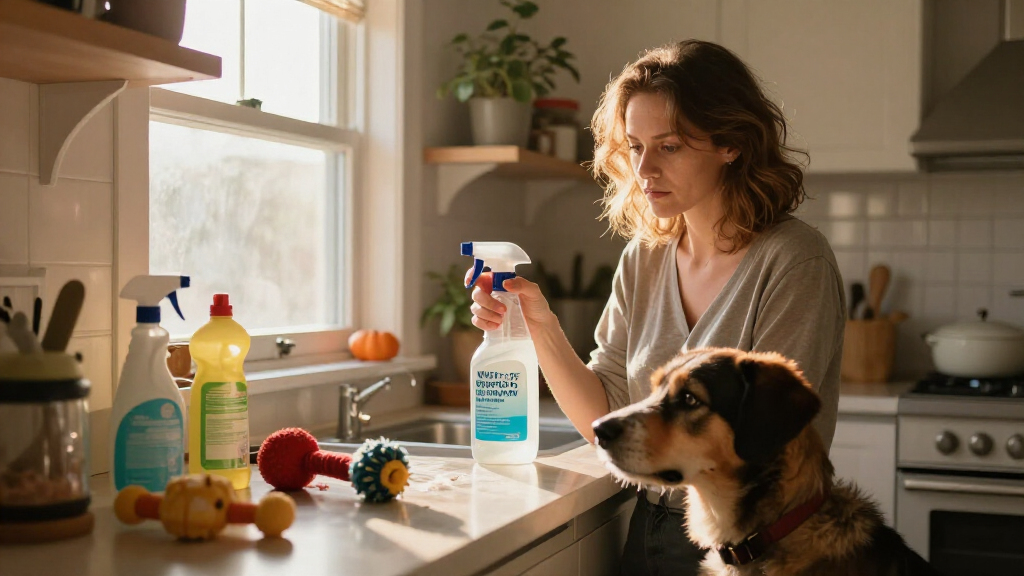
Search interest in household corrosive products is rising, driven by increased pet exposure concerns. Experts warn pet owners to be vigilant and store chemicals safely to prevent poisoning incidents.
Pet owners are increasingly concerned about the risks posed by household corrosive products after a spike in online searches and safety alerts. Experts warn that accidental ingestion or contact can cause severe injuries or poisoning in pets, making proper storage and awareness essential.
Recent data shows a significant rise in online searches related to household corrosive substances, such as cleaning agents, drain cleaners, and certain disinfectants. Veterinary professionals emphasize that even small amounts of these chemicals can cause serious harm to pets, including burns, internal damage, or poisoning. Veterinary professionals emphasize that even small amounts of these chemicals can cause serious harm to pets, including burns, internal damage, or poisoning.
According to the American Veterinary Medical Association (AVMA), accidental ingestion is the most common route of poisoning in pets, especially in households where chemicals are stored within reach of animals. Experts advise pet owners to keep all corrosive products in secure, high cabinets and to use child-proof locks on storage areas.
Ingesting or coming into contact with corrosive substances can lead to symptoms like vomiting, drooling, difficulty breathing, abdominal pain, or lethargy. Pet owners should also consider proper pet care products to keep their animals safe. Immediate veterinary attention is critical if poisoning is suspected. The AVMA recommends contacting a vet or the Pet Poison Helpline right away for guidance.
Why Pet Owners Must Recognize Household Chemical Hazards
This issue matters because accidental exposure to corrosive household products can result in severe health consequences for pets, including life-threatening injuries. As many pet owners are unaware of the dangers, increased awareness can prevent emergencies and save lives. Proper storage and handling are simple yet effective measures to reduce risks, making this a vital concern for anyone with animals at home.
As an affiliate, we earn on qualifying purchases.
Rising Concern Over Household Chemical Incidents in Pets
Over the past year, veterinary clinics and animal poison control centers have reported an uptick in cases involving pets exposed to household chemicals. While specific data on the spike related to corrosive substances is limited, the trend aligns with increased public interest in pet safety and household toxin prevention. Historically, most poisoning incidents involve common cleaning agents, which are often stored improperly or within easy reach of animals.
This pattern underscores the importance of preventive measures and increased public education on chemical safety in homes with pets. The trend appears to be driven by heightened awareness and concern, although the precise cause of the recent spike remains unconfirmed.
Extent and Causes of the Recent Search Spike Unclear
While data shows increased online interest in household corrosive products, it is not yet confirmed whether this reflects a rise in actual poisoning incidents or heightened public concern. The specific causes of the trend are still under investigation, and authorities have not issued official reports linking the spike to a surge in pet injuries.
Monitoring and Public Education Efforts Expected to Increase
Animal safety organizations and veterinary groups are expected to launch awareness campaigns emphasizing safe storage and handling of household chemicals. Researchers and authorities will likely analyze incident data to determine if the trend indicates an actual rise in poisoning cases. Pet owners are advised to review safety protocols and stay alert for updates from veterinary and public health sources.
Key Questions
What household products are most dangerous to pets?
Cleaning agents, drain cleaners, disinfectants, and certain acids are among the most corrosive and hazardous household products for pets. Always keep these out of reach and in secure containers.
What are the signs of poisoning in pets?
Symptoms include vomiting, drooling, difficulty breathing, abdominal pain, lethargy, and loss of appetite. Immediate veterinary care is essential if poisoning is suspected.
How can I prevent my pet from accessing household chemicals?
Store all hazardous chemicals in high cabinets, use child-proof locks, and never leave cleaning products unattended. Regularly check storage areas to ensure chemicals are secure.
What should I do if I suspect my pet has ingested a corrosive substance?
Contact your veterinarian or the Pet Poison Helpline immediately. Do not attempt to induce vomiting or give any home remedies without professional guidance.
Source: rss
NFL season / tailgating Picks
team gear
As an affiliate, we earn on qualifying purchases.