

Ignoring your puppy’s fear periods can lead to long-term anxiety, behavioral issues, and difficulty trusting others. During these critical stages, puppies are especially sensitive to unfamiliar stimuli and need gentle support and positive reinforcement. Forcing them into scary situations or neglecting their signs of fear can cause lasting worries. If you want to understand how to avoid these mistakes and raise a confident dog, keep exploring for helpful tips and strategies.
Key Takeaways
- Ignoring puppy fear periods can lead to long-term anxieties and behavioral issues.
- Forcing puppies into scary situations during these phases increases trauma and fear retention.
- Overreacting or excessive comforting may inadvertently reinforce fear responses.
- Neglecting early signs of fear prevents timely support, risking chronic anxiety.
- Proper, gentle socialization and positive reinforcement during fear periods build confidence and resilience.
What Are Puppy Fear Periods and Why Are They Important?
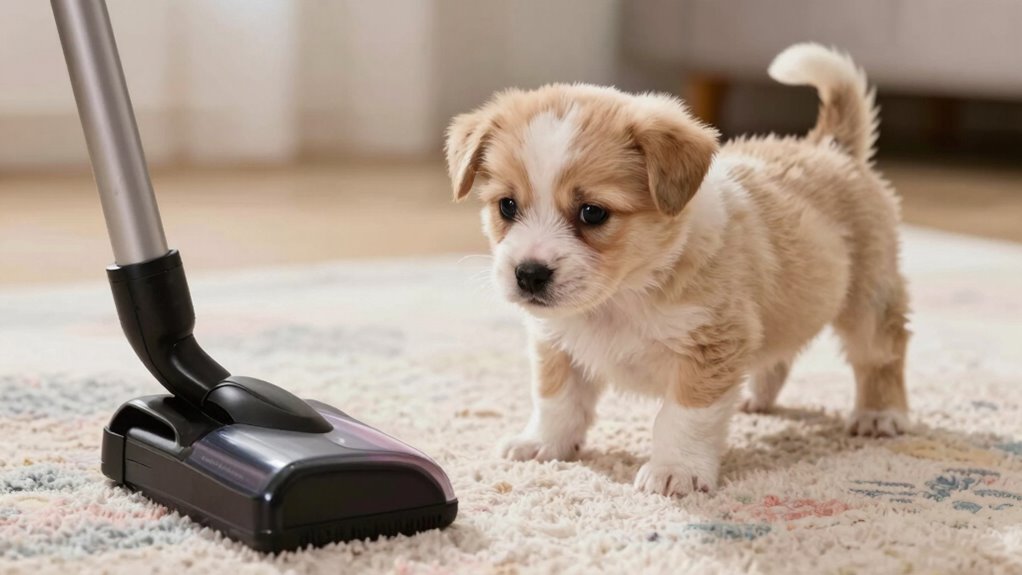
Have you ever wondered why puppies sometimes react fearfully to new people or objects? That’s because of puppy fear periods—natural, developmental stages when your puppy becomes especially sensitive to unfamiliar sights, sounds, and experiences. During these times, socialization setbacks can occur if you don’t introduce new stimuli properly, leading to long-term fears or anxiety. Recognizing these periods is vital because they’re prime opportunities for confidence building. Proper socialization during this window can help your puppy develop a balanced, fearless temperament. If ignored, your puppy might struggle with fearfulness later in life. Understanding what these fear periods are allows you to support your puppy’s emotional growth, ensuring positive experiences that foster resilience and trust. Natural developmental stages play a crucial role in shaping your puppy’s behavior and emotional health. Being aware of these stages also helps prevent the creation of lingering fears, which can be difficult to overcome later. Additionally, knowing about these sensitive periods enables you to tailor your training approaches to support healthy emotional development, as these stages are similar to the critical windows seen in other developmental processes.
How Can You Recognize When Your Puppy Is Feeling Scared?

You can tell your puppy is scared by paying attention to their body language, like tucking their tail or flattening their ears. Vocalizations such as whining, barking, or trembling sounds also indicate fear. Recognizing these cues helps you respond gently and reassure your puppy in stressful situations. Being aware of supportive environments can further help reduce anxiety during these moments. Additionally, understanding puppy fear periods can prevent behaviors from becoming lifelong worries. Monitoring your puppy’s reactions during market trends and insights can also provide insight into their comfort levels in various situations. Recognizing the historical development of pinball machines can also give you a broader perspective on how they evolved and became a popular pastime, which might help you relate to your puppy’s need for reassurance during unfamiliar or transitional phases.
Body Language Cues
Recognizing when your puppy feels scared is essential for helping them feel safe and secure. Body language cues are key indicators of their emotional state. Look for signs like tucked tails, pinned-back ears, or avoiding eye contact. These are common calming signals that your puppy uses to communicate discomfort or stress. You might notice yawning, lip licking, or a lowered body posture, all of which suggest they’re feeling overwhelmed. Sometimes, they’ll freeze or turn away to create distance from what’s frightening them. Paying attention to these cues helps you respond appropriately, providing reassurance and creating a safe environment. By understanding and respecting these body language signals, you can prevent fear from intensifying and build a trusting bond with your puppy.
Vocalizations and Sounds
Puppies often communicate their feelings through vocalizations and sounds, which can reveal when they’re feeling scared or overwhelmed. Pay attention to vocalization cues like whining, whimpering, or trembling barks, as these signals often indicate distress. Puppies with sound sensitivities may react strongly to loud noises or unfamiliar sounds, showing signs of fear through their vocal responses. You might notice them trembling or trying to hide when they hear loud noises, or they may freeze and emit high-pitched sounds. Recognizing these vocal cues early helps you understand your puppy’s emotional state and respond appropriately. Addressing sound sensitivities with gentle exposure and positive reinforcement can help prevent fear from developing into lifelong worries. Stay observant, and your puppy will feel safer and more secure.
Common Mistakes Owners Make During Puppy Fear Periods
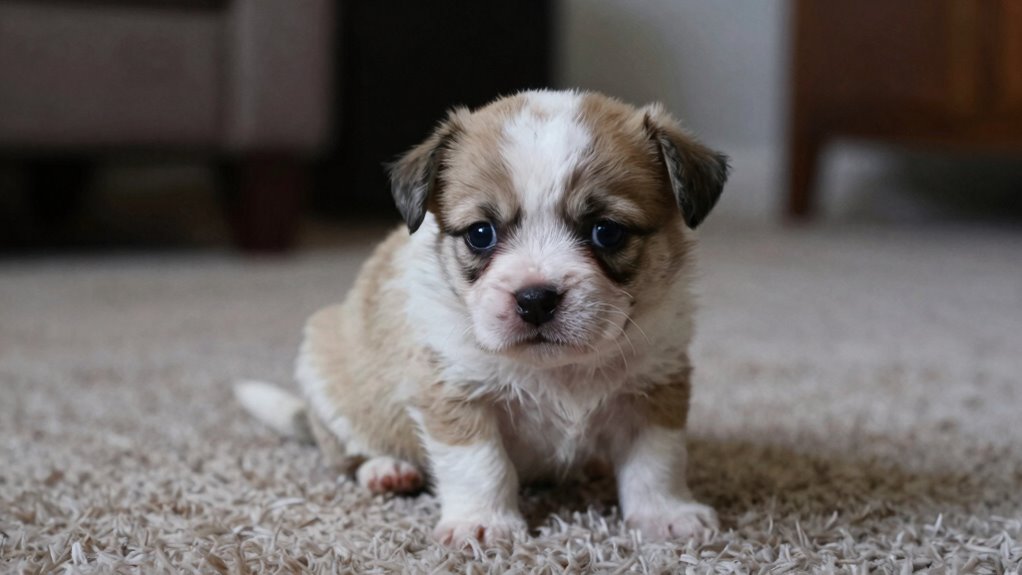
One common mistake owners make during puppy fear periods is to inadvertently reinforce a puppy’s fear by overreacting or comforting excessively when they show signs of anxiety. This can cause your puppy to become more fearful, hindering critical puppy socialization and risking training setbacks. To avoid this:
- Giving too much attention to fearful behaviors may signal that fear is okay.
- Forcing your puppy to confront scary situations can increase trauma.
- Ignoring signs of fear might leave your puppy feeling unsupported.
- Using punishment instead of gentle encouragement can worsen anxiety.
- Providing appropriate dog beds can offer comfort and security during stressful times.
- Understanding fear responses helps owners respond appropriately and avoid unintentionally reinforcing negative behaviors.
- Being aware of dog behavior cues allows owners to better interpret their puppy’s emotional state and respond accordingly.
- Recognizing body language signs in your puppy can help prevent escalation of fear and promote a sense of safety.
Simple Ways to Support Your Puppy During Fear Phases

Supporting your puppy effectively during fear phases involves gentle, consistent actions that build trust and confidence. Start with socialization techniques that introduce new experiences gradually, ensuring your puppy feels safe while exploring. Use calming strategies like gentle petting, a soothing voice, or offering a favorite toy to help reduce anxiety. Keep interactions positive and predictable, avoiding force or punishment. Create a calm environment by minimizing loud noises or sudden movements. When your puppy shows signs of fear, step back and give them space to process, reinforcing that they’re safe. Consistency is key—regular routines and gentle exposure help your puppy develop resilience. Engaging in aquatic exercise can also be beneficial, as water-based activities promote relaxation and reduce stress. Additionally, understanding dog temperament traits can help tailor your approach to your puppy’s unique needs. Recognizing the importance of reconditioning techniques can further support your puppy’s emotional growth and confidence. Being aware of ear wax odor or other sensory cues can help you better interpret your puppy’s emotional state, fostering a more responsive caregiving style. Over time, these simple approaches foster a secure bond and help your puppy navigate fear phases with confidence.
What Are the Long-Term Effects of Handling Fear Periods Poorly?
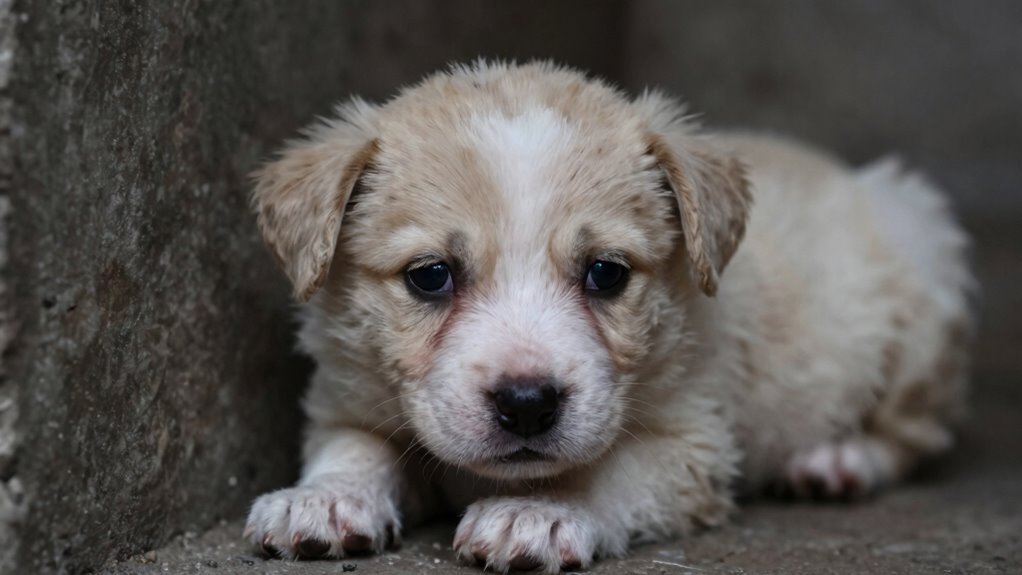
If you handle your puppy’s fear periods poorly, they might develop lasting anxiety that affects their daily life. You could also see behavioral issues that stick around and make training more difficult. Additionally, socialization problems may emerge, making it harder for your dog to interact confidently with others. Proper management and understanding of fear periods can help prevent these long-term issues and promote healthier emotional development. Recognizing the importance of emotional resilience during these phases can be crucial in supporting your puppy’s overall well-being. Being attentive to early signs of fear can allow for timely interventions that foster confidence and reduce future worries. Understanding how positive reinforcement techniques influence emotional responses during these periods can greatly improve your puppy’s long-term adjustment.
Increased Anxiety Risks
Handling a puppy’s fear periods poorly can lead to long-lasting anxiety that affects their behavior well into adulthood. This increased anxiety puts your dog at risk of developing social anxiety, making social interactions stressful. It can cause training setbacks, as fearful dogs often resist learning new commands or obeying commands out of fear. Additionally, neglected fear periods may result in:
- Persistent nervousness around new people or environments
- Overreactions to sudden noises or movements
- Avoidance behaviors that hinder socialization
- Heightened stress levels that impair daily functioning
Proper handling during these critical periods is essential to prevent lifelong worries and foster confidence and resilience. Recognizing and understanding fear periods is vital for ensuring your puppy’s emotional development and long-term well-being. Being aware of positive reinforcement techniques during these times can significantly help mitigate long-term issues. Moreover, understanding behavioral development stages can guide you in providing appropriate support during these sensitive times.
Behavioral Challenges Persist
When fear periods are neglected or managed poorly, many of the behavioral issues that emerge can become ingrained, leading to long-term challenges for your dog. These challenges include socialization setbacks and training setbacks that can persist into adulthood. Without proper support, your dog may develop fears or anxieties that hinder learning and interactions. This can lead to avoidance behaviors, aggression, or difficulty trusting people. Recognizing these issues early is vital. The table below highlights how poor handling impacts long-term behavior:
| Issue | Cause | Consequence |
|---|---|---|
| Socialization setbacks | Lack of positive exposure | Fear of new people/animals |
| Training setbacks | Inconsistent handling | Poor obedience |
| Anxiety | Ignoring early signs | Chronic stress |
| Aggression | Fear responses | Difficult to manage |
| Avoidance behaviors | Reinforced fears | Limited social skills |
Socialization Difficulties
Poor management of fear periods can substantially hinder your dog’s social development, leading to long-lasting difficulties in interacting with people and other animals. When puppies miss critical socialization, their puppy social skills suffer, making them anxious in new situations. This can result in:
- Avoidance of strangers, leading to poor stranger interactions
- Fearful responses around unfamiliar dogs or animals
- Difficulty building trust and confidence in social settings
- Increased likelihood of aggressive or withdrawn behavior
These socialization difficulties can persist into adulthood, creating barriers to enjoyable experiences and training. Without proper exposure during this sensitive period, your dog may develop lifelong fears that affect their happiness and your bond. Early intervention is essential to prevent these long-term struggles, especially through socialization techniques that promote positive interactions.
Tips for Raising a Confident, Well-Adjusted Dog After the Fear Periods

After your puppy’s fear periods have passed, it’s essential to focus on building their confidence through positive experiences and gentle socialization. Consistently expose your dog to new people, environments, and objects at a comfortable pace to enhance puppy confidence and support healthy fear management. Use praise and treats to reinforce calm behavior during these encounters, making new experiences feel safe and rewarding. Avoid forcing your puppy into situations that cause stress; instead, let them approach new stimuli voluntarily. Maintain a predictable routine to foster security and trust. Remember, patience is key. By providing a supportive environment and encouraging curiosity, you’ll help your puppy develop resilience, confidence, and the ability to handle future challenges with ease.
Frequently Asked Questions
How Can Improper Handling During Fear Periods Affect My Dog Long-Term?
If you mishandle your puppy during fear periods, it can lead to long-term issues like heightened anxiety or aggression. Socialization mistakes and inconsistent handling can reinforce fear instead of building confidence. You might unintentionally create lifelong worries by exposing your pup to stressful situations or not providing gentle, positive experiences. To avoid this, handle your puppy calmly, supportively, and gradually introduce new experiences, ensuring they develop into a confident, well-adjusted dog.
Are There Breed-Specific Differences in Puppy Fear Periods?
Yes, breed sensitivity and temperament variations influence puppy fear periods. Some breeds, like toy or herding breeds, tend to be more sensitive and may experience fear periods more intensely or frequently. Others, like working or retriever breeds, often show resilience and less pronounced fear responses. You should recognize these breed-specific differences to tailor your handling, ensuring your puppy feels safe and confident during these critical developmental stages.
What Training Techniques Are Best to Minimize Fear Responses?
You should focus on positive reinforcement and gradual exposure to help minimize your puppy’s fear responses. Use treats and praise to reward calm behavior, making new experiences positive. Slowly introduce your puppy to new people, places, and objects, giving them time to adapt without feeling overwhelmed. Consistency and patience are key, ensuring your puppy builds confidence and learns to handle unfamiliar situations comfortably.
Can Fear Periods Be Delayed or Shortened With Specific Interventions?
Did you know that early socialization can considerably impact the duration of fear periods? With proper behavior modification, you can often delay or shorten these phases. Consistently exposing your puppy to new experiences in a positive, controlled manner helps them build confidence. By starting early socialization and using gentle behavior modification techniques, you support healthier emotional development, making fear periods less intense and more manageable for your puppy.
How Do I Differentiate Between Normal Curiosity and Fear in Puppies?
You can tell if your puppy is curious or fearful by observing their body language and behavior cues. Curious puppies often have relaxed postures, wagging tails, and are enthusiastic to explore. In contrast, fearful puppies display tense bodies, pinned-back ears, cowering, or attempts to avoid stimuli. Pay attention to these cues; curiosity shows confidence, while fear indicates discomfort. Respond calmly to help your puppy feel safe and secure.
Conclusion
If you ignore your puppy’s fear periods, you risk shaping a lifetime of worries you never saw coming. The mistakes you make now can have lasting consequences, but the right support can turn fears into confidence. Are you ready to give your puppy the best start and open a future without lingering doubts? The choices you make today hold the key—what will you do to guarantee your pup’s happiness lasts a lifetime?