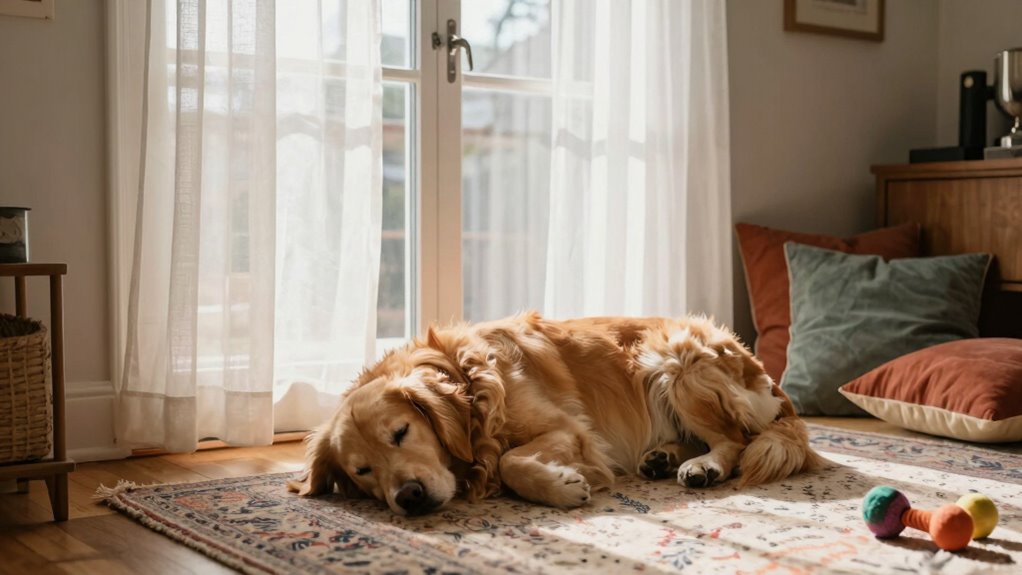

Pet odors don’t always mean your pet is dirty. They often come from natural oils, skin, or specific breed traits. Changes in smell can signal health issues like infections, dental problems, or diet sensitivities. Environmental factors like bedding or poor ventilation also contribute. Stronger odors might reveal underlying concerns rather than dirt, so paying attention to what your pet’s smell indicates helps keep them healthy. More insights await if you want to understand what those scents are really telling you.

Get pet supplies delivered free — and shop member deals
- Fast, free delivery on millions of items
- Access to Prime Big Deal Days deals on October 6–7
- Prime Video, Amazon Music and more included
Key Takeaways
- Natural pet odors often come from skin oils and coat, not dirt or neglect.
- Stronger smells may indicate health issues like infections or dental problems.
- Breed, coat type, and diet influence a pet’s natural scent, independent of cleanliness.
- Regular grooming and environment cleaning reduce odor but don’t eliminate natural scents.
- Odors can signal underlying health or environmental concerns needing attention.

Many pet owners assume that a strong odor means their home or pet is dirty, but that’s not always the case. Sometimes, the smell isn’t a sign of poor pet hygiene but rather an indication of specific odor sources that need attention. Understanding what pet odor actually signifies can help you better care for your furry friend and maintain a fresh home environment.
Strong pet odors aren’t always a sign of dirt — they often point to specific health or environmental factors.
First, it’s important to recognize that pets naturally produce smells due to their skin, fur, and bodily functions. For example, dogs and cats have scent glands that release oils and other substances, which can lead to a noticeable odor if not managed properly. Regular grooming, bathing, and brushing help keep these natural smells in check, but they don’t eliminate all odors entirely. If your pet’s scent seems stronger than usual, it might be a sign of an underlying issue rather than dirt.
Odor sources can stem from a variety of causes that aren’t necessarily related to cleanliness. For instance, certain breeds are more prone to specific smells due to their skin type or coat condition. Dogs with oily skin, for example, may develop a yeasty or musty smell if their skin isn’t regularly cleaned or if they have allergies. Similarly, cats that groom excessively might spread oils over their fur, creating a greasy smell. Even if your pet appears clean, these natural oils and secretions can produce odors that seem out of the ordinary.
Another common odor source is your pet’s diet. Certain foods can influence body odor, especially if they contain strong ingredients or artificial additives. A sudden change in smell might be linked to dietary adjustments or food sensitivities. Additionally, health problems like infections, dental issues, or skin conditions often manifest through unusual smells. Foul breath or a persistent musty odor could indicate dental disease, while skin infections might emit a sour or rotten smell. These signs shouldn’t be ignored, as they often require veterinary attention.
Crucially, pet hygiene routines play an essential role in managing odors. Regular bathing, ear cleaning, and dental care can greatly reduce unwanted smells. But it’s equally important to identify odor sources beyond surface dirt. Sometimes, the smell isn’t a hygiene issue but a health or environmental concern. For example, your pet’s bedding, toys, or living space might harbor odor-causing bacteria or mold, which can intensify the smell. Keeping these areas clean and well-ventilated is fundamental to prevent odors from building up. Additionally, understanding pet skin health is key, as skin conditions and gland activities significantly influence pet odors. Proper odor management involves identifying and addressing these underlying causes, rather than just masking the scent.
In the end, a strong pet odor doesn’t automatically mean your pet or home is dirty. Instead, it’s a signal that you should look deeper into pet hygiene practices, health status, and environmental factors. Proper odor management involves addressing these root causes to maintain a fresh and healthy environment for your furry friend. By understanding these odor sources, you can address the root cause and ensure your pet remains happy, healthy, and fresh-smelling.
As an affiliate, we earn on qualifying purchases.
Frequently Asked Questions
Can Pet Odors Be Completely Eliminated From My Home?
You can considerably reduce pet odors in your home, but completely eliminating them is tough. Focus on good pet hygiene and regularly clean odor sources like bedding, carpets, and litter boxes. Ventilate rooms often, use air purifiers, and wash pet accessories frequently. Remember, some lingering smell might remain, but with consistent effort, you’ll create a fresher environment that’s healthier for both you and your pets.
Do Certain Breeds Produce Stronger Odors Than Others?
Certain breeds do produce stronger odors than others, showcasing breed differences in scent intensity. While some dogs have oilier coats or sweat glands, which intensifies their smell, others remain relatively scent-free. You might notice that breeds with denser coats or those that shed more tend to emit stronger odors. Remember, scent strength isn’t a reflection of cleanliness but a natural trait, so understanding these differences helps you manage pet odors more effectively.
How Often Should I Clean My Pet’s Bedding?
You should clean your pet’s bedding at least once a week to maintain good pet hygiene and prevent odors. If your pet has allergies or if you notice a strong smell, increase the frequency. Regular bedding maintenance helps remove dirt, fur, and bacteria, keeping your pet comfortable and healthy. Use gentle detergents and make certain the bedding is completely dry before reuse to avoid mold and dampness.
Are There Safe, Natural Products to Reduce Pet Smells?
You can definitely find safe, natural remedies to reduce pet smells. Odor neutralizing sprays made from ingredients like baking soda, essential oils, or vinegar are effective and safe when used properly. These sprays help eliminate odors without harsh chemicals, making your home healthier. Always check ingredient labels and test on small areas first. Regular cleaning and good ventilation also support freshening your space naturally, ensuring your pet’s scent isn’t overwhelming.
Can Diet Affect My Pet’s Odor?
Yes, your pet’s diet impact can influence their odor. Certain foods can cause stronger or more noticeable smells, making odor detection easier or harder. When your pet eats high-quality, balanced meals, their body may produce less odor. Conversely, foods with strong ingredients or allergens might lead to increased smell. Monitoring how your pet reacts to different diets helps you manage their odor naturally, ensuring they stay fresh and healthy.
Conclusion
Remember, pet odor isn’t a sign of dirt — it’s more like a subtle whisper from your furry friend, telling you something’s just a little off. By understanding what the smell really means, you can address issues early and keep your home fresh without jumping to conclusions. Think of it like tuning into a radio station; with a little effort, you can clear the signal and enjoy the true harmony of your pet’s health and happiness.
Halloween Picks
halloween
As an affiliate, we earn on qualifying purchases.