
TL;DR

Get pet supplies delivered free with Prime
- Fast, free delivery on millions of items
- Prime Video, Amazon Music and more included
- Member-only deals all year
Researchers are advancing weight-loss drugs for overweight pets, potentially offering a new treatment option. The drugs are in development and awaiting regulatory review, with approval possible soon.
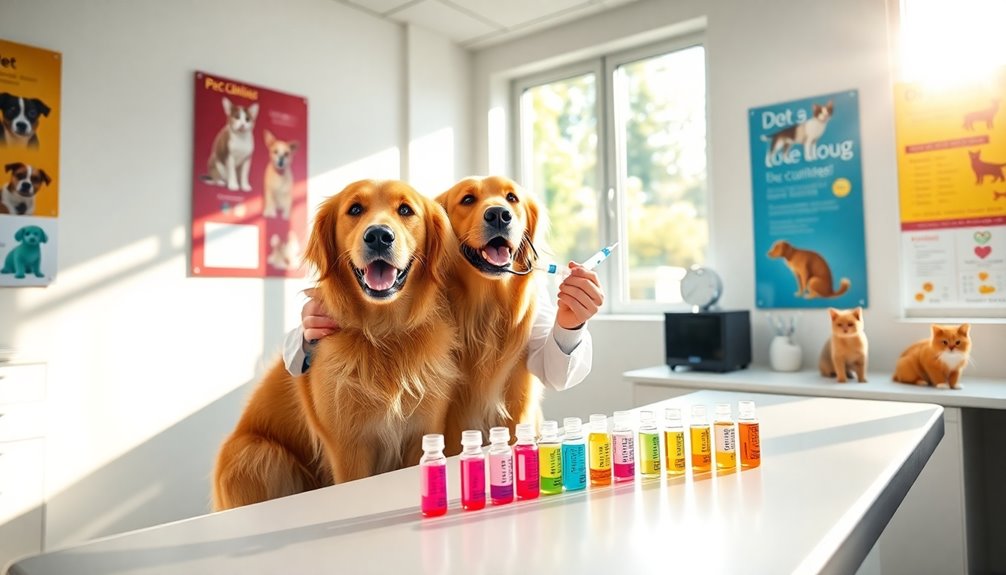
Veterinary researchers are nearing approval of weight-loss drugs designed specifically for overweight pets, a development that could transform pet obesity management. The medications are currently in the final stages of development and are awaiting regulatory review, with potential approval expected within the next year. This advancement aims to address the rising prevalence of obesity among pets, which poses health risks and increases veterinary costs.
Several pharmaceutical companies and research institutions have developed experimental weight-loss drugs targeting common issues in overweight pets, such as obesity-related diabetes and joint problems. These drugs work by suppressing appetite or altering metabolism, similar to some human weight-loss medications. According to sources familiar with the process, regulatory agencies are reviewing data from recent clinical trials, which show promising results in weight reduction and improved health markers.
While no specific drug has yet received approval, industry experts indicate that approval could come within the next 12 months, pending regulatory review. Veterinarians and pet owners are hopeful that such medications will provide an additional tool alongside diet and exercise, which remain the primary methods for managing pet weight.
Potential Impact on Pet Health and Owner Practices
If approved, these weight-loss drugs could significantly improve the health outcomes of overweight pets, reducing risks of diabetes, arthritis, and other obesity-related conditions. For pet owners, this could mean easier management of weight issues and potentially lower veterinary costs over time. However, experts caution that medication should complement, not replace, diet and exercise, and emphasize the importance of veterinary supervision.
As an affiliate, we earn on qualifying purchases.
Rising Pet Obesity Rates Drive Development of Medications
Pet obesity has become a growing concern worldwide, with studies indicating that up to 60% of cats and dogs are overweight or obese. This trend has prompted increased research into medical treatments, including appetite suppressants and metabolic modifiers. Historically, weight management relied heavily on diet control and increased activity, but these methods are not always effective for all pets. The development of pharmaceuticals offers a new avenue for addressing this issue more effectively.
Previous attempts at weight management drugs for pets have faced regulatory hurdles and safety concerns, but recent advances in veterinary pharmacology and better clinical data have renewed hope for approval of safe, effective options.
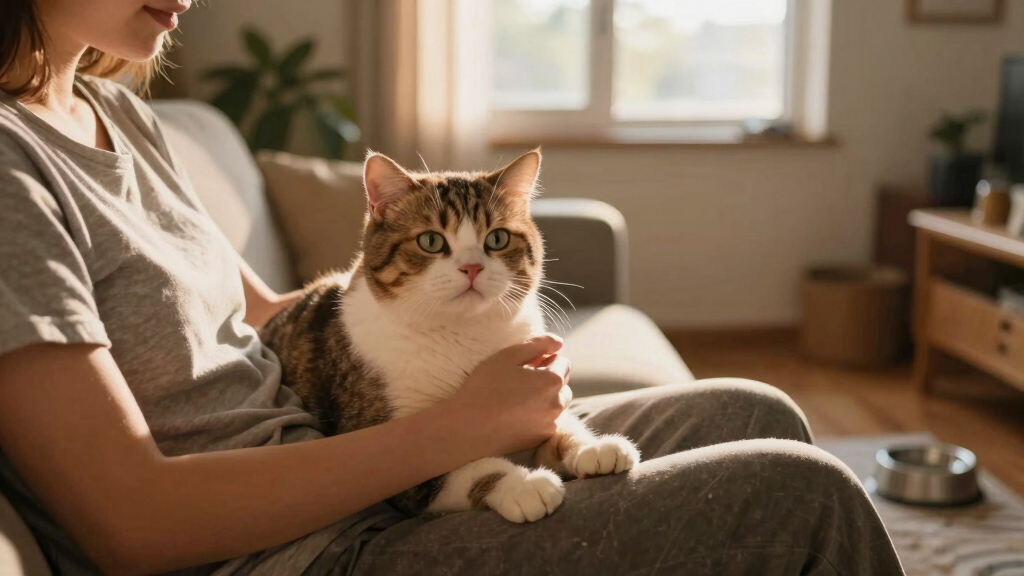
“If these drugs are safe and effective, it could really help my overweight cat lose weight without constant strict dieting.”
— Jane Doe, Pet Owner
Regulatory Approval and Safety Concerns Remain Unclear
While development progress is promising, it is not yet confirmed when regulatory agencies will approve these drugs or what safety standards they will impose. Long-term safety data are still being collected, and some experts caution that side effects or unforeseen risks could delay approval or limit usage.
It is also unclear how widely these medications will be adopted by veterinarians and pet owners once approved, or how they will be integrated into existing weight management protocols.
Final Regulatory Review and Post-Approval Monitoring Expected Soon
The next step involves regulatory agencies completing their review of clinical trial data, which could happen within the next 12 months. Following approval, manufacturers will likely initiate post-market surveillance to monitor safety and efficacy in real-world settings. Veterinarians and pet owners should stay informed about official guidelines and recommendations once the drugs are available.
Key Questions
Are weight-loss drugs safe for pets?
Safety depends on regulatory approval and proper veterinary supervision. Ongoing studies aim to demonstrate safety and efficacy, but long-term effects are still being evaluated.
When might these drugs become available for pets?
Regulatory review is expected to conclude within the next year, with potential approval soon after. Availability will depend on regulatory decisions and manufacturing timelines.
Will these drugs replace diet and exercise?
No. Experts emphasize that medications should be used alongside diet and activity modifications, not as a replacement.
What are the risks of using weight-loss drugs for pets?
Potential risks include side effects such as gastrointestinal issues or metabolic disturbances. Long-term safety data are still being collected.
How will veterinarians determine if a pet should receive these drugs?
Veterinarians will evaluate each pet’s health status, weight, and risk factors to decide if medication is appropriate, typically as part of a comprehensive weight management plan.
Source: rss
Halloween Picks
halloween
As an affiliate, we earn on qualifying purchases.