
When your dog won’t listen, start by identifying whether breed tendencies, environment, or emotional factors are causing the issue. Use consistent commands, positive reinforcement, and short, frequent training sessions to build focus. Gradually introduce distractions and practice in different settings to strengthen responsiveness. Be patient and calm, addressing any fear or anxiety. If problems persist, consider consulting a professional trainer—there’s more you can do to turn things around and improve obedience.
Key Takeaways
- Identify whether disobedience stems from breed traits, environment, or emotional factors to tailor effective training strategies.
- Use consistent routines, positive reinforcement, and varied environments to strengthen commands and improve focus.
- Minimize distractions, start training in calm settings, and gradually introduce stimuli to build resilience.
- Recognize persistent issues early and seek professional help if behavior does not improve with basic training.
- Create a supportive environment by selecting qualified trainers and incorporating calming aids to enhance obedience.
Identifying the Root Cause of Disobedience
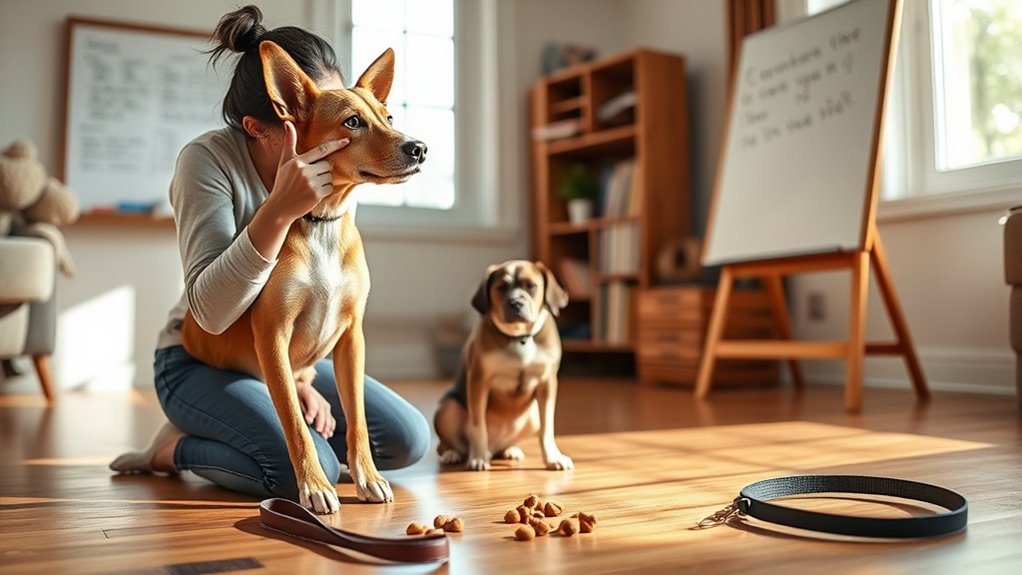
To effectively address your dog’s disobedience, you first need to identify what’s causing it. Consider your dog’s breed, as some breeds are naturally more independent or stubborn, which can influence their responsiveness. Also, evaluate your training environment; a noisy or chaotic space might distract or overwhelm your dog, making it harder for them to focus. Notice if your dog’s behavior varies in different settings—perhaps they obey at home but not outside. Understanding these factors helps you pinpoint whether your dog’s disobedience stems from breed tendencies, environmental distractions, or a combination of both. By recognizing these root causes, you can tailor your training approach and create a more effective, supportive environment for your dog to learn and obey.
Building a Stronger Recall and Focus
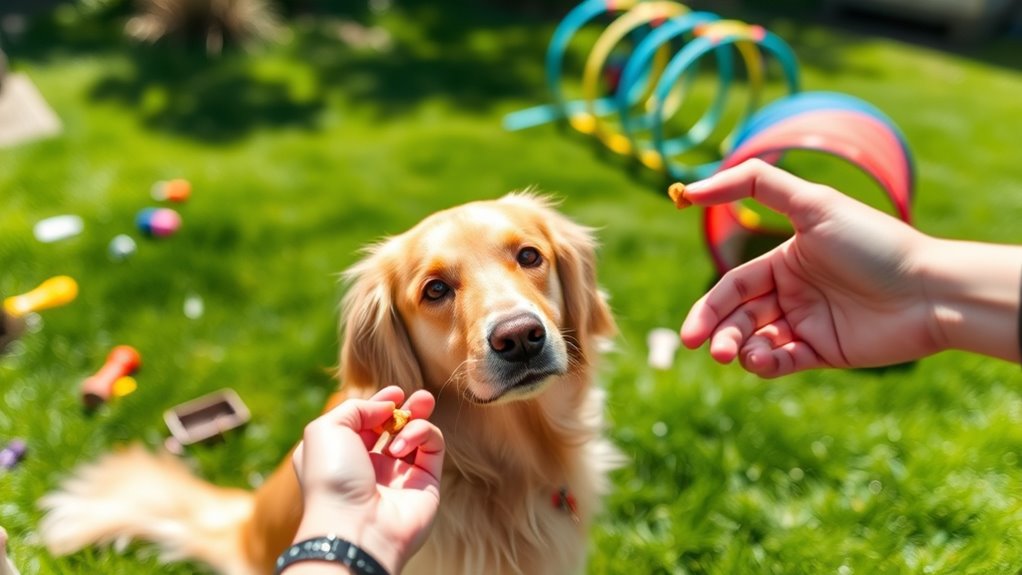
Building a stronger recall and focus starts with creating consistent training routines that reinforce your dog’s understanding and responsiveness. Incorporate advanced training techniques and behavioral modification exercises to gradually increase your dog’s attention span and reliability. Use short, frequent sessions to reinforce commands like “come” and improve focus during distractions. Reward your dog immediately when they respond correctly, building positive associations. Incorporate mental challenges, such as hide-and-seek or impulse control exercises, to strengthen focus. Regular practice in different environments helps generalize commands and resilience. Patience is key—progress may be slow, but persistence pays off. Additionally, understanding practical support options can help manage any health-related issues that might impact your dog’s responsiveness. Recognizing the importance of personal finance management can aid in budgeting for training supplies or professional behavior consultations. Staying informed about merchant services and their features can help you choose the best training tools and resources within your budget. Engaging in consistent practice is essential to reinforce learned behaviors and build your dog’s confidence. Incorporating training equipment like clickers or target sticks can also enhance your training sessions. Over time, these methods will help your dog become more responsive, reliable, and zealous to obey, laying a solid foundation for more advanced training.
Managing Distractions During Training
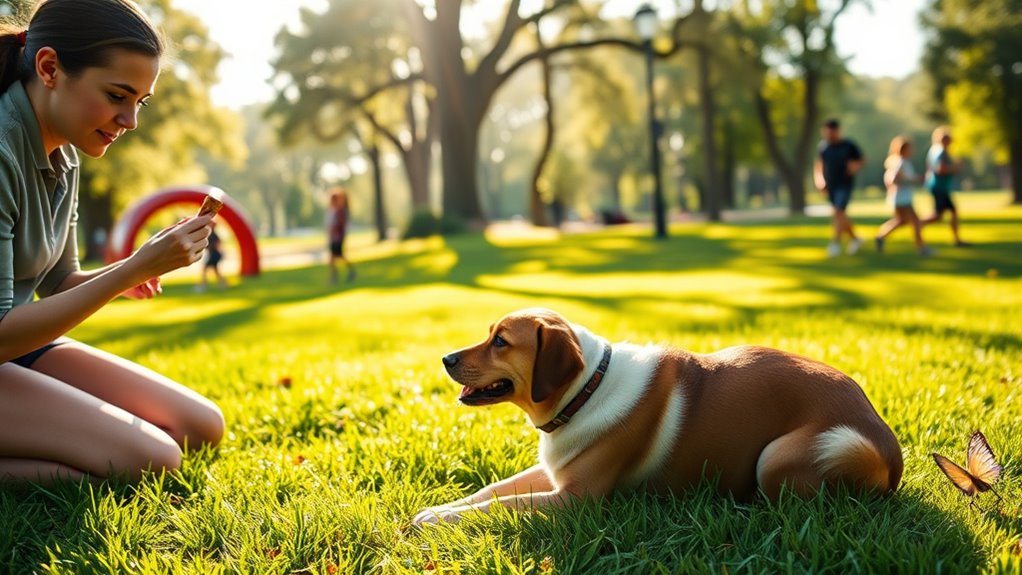
Distractions can considerably hinder your dog’s ability to focus and obey commands, especially in unfamiliar or noisy environments. To manage this, start with calming techniques to help your dog stay centered, such as gentle petting or calm verbal cues. Environmental modifications are also vital; choose a quiet, distraction-free area for training sessions, and gradually introduce more stimuli as your dog improves. Use barriers or visual cues to block out visual distractions, and consider training during less busy times. Keep training sessions short and positive to prevent your dog from becoming overwhelmed. Consistently reinforce commands in various settings, gradually increasing distractions, so your dog learns to stay focused regardless of the environment. Incorporating training with technology can also enhance your dog’s responsiveness in distracting settings. Additionally, understanding the impact of AI on everyday tech can help you select the most effective tools for training your dog. These steps help your dog develop better self-control and responsiveness, ensuring they stay attentive even amidst distraction-rich environments.
Addressing Fear and Anxiety in Your Dog

Managing distractions helps your dog stay focused during training, but sometimes fears and anxieties can undermine their ability to respond, even in calm environments. To address this, you can use calming techniques like gentle petting, soothing voice commands, or creating a quiet, safe space for your dog. Desensitization exercises are also effective—they gradually expose your dog to the source of their fear at a low intensity, helping them build confidence over time. Be patient and consistent, ensuring each exposure is positive and stress-free. Avoid forcing your dog into situations that cause overwhelming anxiety. Instead, you can incorporate specialized spray tips to create a more comfortable environment, reducing stress during training sessions. Work slowly, celebrating small successes. Additionally, incorporating proper lighting can help create a calm and inviting training atmosphere, which is especially helpful for anxious dogs. Incorporating security measures such as calming environments can further support your dog’s emotional health and responsiveness. Over time, these approaches can help your dog feel more secure, improving their responsiveness and overall obedience. Additionally, understanding the importance of cookie categories and consent management can help ensure your training environment remains comfortable and stress-free for your dog. Incorporating electric bike techniques can also be beneficial in creating a calm training atmosphere, as it emphasizes smooth, controlled progress.
Reinforcing Commands With Positive Techniques
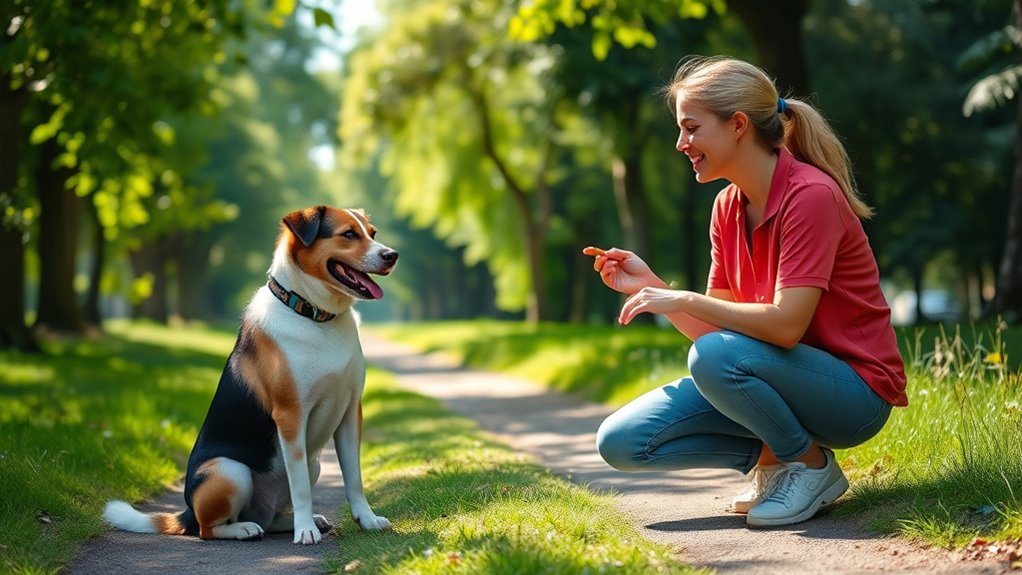
Reinforcing commands with positive techniques is essential for solidifying your dog’s understanding and encouraging enthusiastic responses. Using treat reinforcement and proper reward timing helps your dog connect the command with a positive outcome. When your dog performs a command correctly, immediately offer a treat to reinforce the behavior. Consistency in timing is key—delaying rewards can confuse your dog. To keep training engaging, use a variety of treats or praise. The table below highlights different reinforcement methods:
| Technique | Example | Effect |
|---|---|---|
| Treat reinforcement | Giving treats after commands | Builds positive association |
| Verbal praise | Saying “Good job!” | Boosts confidence |
| Physical affection | Petting or belly rubs | Reinforces bond |
| Play as reward | Favorite toy after success | Motivates with fun |
| Immediate response | Reward right after behavior | Strengthens learning |
Additionally, incorporating consistent training routines helps your dog learn faster and retain commands more effectively. Using noise levels of modern heat pumps as a reminder, minimizing distractions during training can enhance your dog’s focus and responsiveness.
Ensuring Consistency and Patience in Training

Consistent training is the foundation for your dog’s progress, ensuring that behaviors become reliable over time. Establish clear training schedules so your dog knows when to expect practice sessions, which helps build routine and understanding. Stick to the same commands and signals during each session to avoid confusion. Use reward systems consistently, rewarding good behavior immediately to reinforce learning. Patience is essential; progress may be slow, but persistence pays off. Avoid switching methods or schedules abruptly, as this can hinder your dog’s learning process. Celebrate small successes and stay calm when setbacks occur. By maintaining steady routines and a patient attitude, you create a stable environment where your dog feels secure, making obedience training more effective and enjoyable for both of you. Recognizing behavior patterns can also help you address specific obedience issues more effectively. Additionally, understanding training consistency as a key factor in behavior reinforcement can significantly improve your training outcomes. Being aware of reward timing ensures your dog makes the correct associations, further enhancing their learning experience. Maintaining awareness of symptoms of obedience problems allows you to identify potential issues early and adjust your training approach accordingly.
When to Seek Professional Help
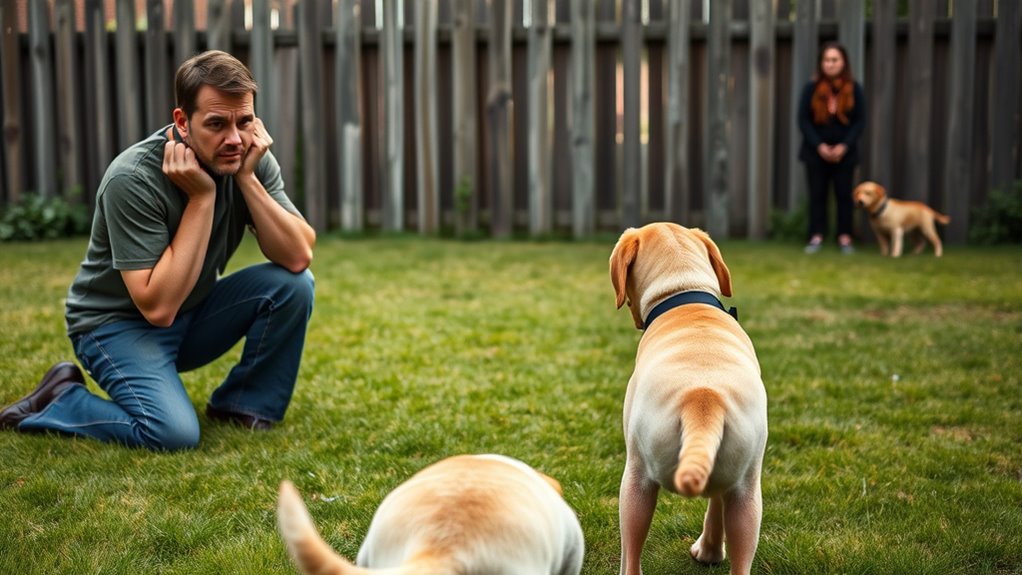
If your dog’s behavior issues persist despite consistent training, it’s time to think about professional help. Look for signs like ongoing disobedience or aggression that haven’t improved over time. Make sure to find qualified trainers with good reviews to ensure your dog gets the support it needs. Additionally, understanding the importance of relationship dynamics can help you better address underlying emotional factors affecting your pet’s behavior. Recognizing the role of specialized training tools can also enhance your approach and improve results. Incorporating essential oils for behavior support, such as lavender or cedarwood, may also assist in creating a calming environment during training sessions. Embracing creative practice techniques, such as using calming sounds or visual cues, can further support your dog’s emotional well-being during training. Being aware of angel numbers and their messages might help you gain insight about your pet’s needs and emotional state during challenging times.
Signs of Persistent Issues
Persistent obedience issues can be a sign that your dog needs professional help, especially when training efforts don’t seem to make progress despite your best efforts. If your puppy’s behavior doesn’t improve as they mature, or if breed tendencies—such as stubbornness or high energy—keep hindering training, it’s a red flag. Watch for signs like ongoing disobedience despite consistent reinforcement, aggression, or anxiety that interfere with daily life. If your dog seems to ignore commands even after age and maturity should have improved responsiveness, or if their behavior worsens, it’s time to seek expert help. Recognizing these persistent issues early can prevent long-term problems and ensure your dog receives the guidance they need. Additionally, consulting with a professional trainer can be particularly effective for obedience problems that are rooted in breed characteristics or behavioral tendencies. Being aware of breed tendencies can help you understand whether your dog’s behavior is typical or requires specialized training approaches.
Finding Qualified Trainers
Knowing when to seek professional help is essential if your training efforts aren’t producing results or if your dog’s behavior continues to cause concern. If you’re struggling with basic commands despite using appropriate training equipment, or if your dog shows poor socialization skills around other animals or people, a qualified trainer can make a difference. Look for trainers with proper certifications and positive reinforcement approaches. They can help you refine your training techniques, improve social skills, and address specific obedience problems effectively. Don’t hesitate to seek help early—professional guidance can save you time, reduce frustration, and ensure your dog develops good habits. Finding the right trainer is key to building a well-behaved, confident companion.
Frequently Asked Questions
How Long Does It Typically Take to See Improvements in Disobedient Behavior?
When you work on improving your dog’s obedience, you’ll likely see progress within a few weeks if you maintain training consistency. Remember, patience strategies are vital—some dogs learn faster than others. Stay committed, reinforce good behavior regularly, and avoid frustration. With steady effort, your dog will start responding better over time. Consistent training and patience are key to overcoming disobedience and building a stronger, trusting bond.
Can Medication Help With Obedience Issues Caused by Anxiety or Aggression?
Medication can help with obedience issues caused by anxiety or aggression by supporting your dog’s behavioral medication and anxiety management. When combined with training, it may reduce stress and improve focus, making your dog more receptive to commands. Always consult your veterinarian to determine if medication is appropriate, and follow their guidance closely. Remember, medication is a tool to enhance behavior therapy, not a standalone solution.
What Are Signs That My Dog’S Disobedience Is Due to a Medical Problem?
They say a healthy dog is a happy dog, so watch for signs that your dog’s disobedience may stem from health issues. If your dog shows sudden changes in behavior, limping, excessive scratching, or loss of appetite, these medical signs could be the cause. Keep an eye on any unusual fatigue, vomiting, or bathroom habits. If you notice these, consult your vet promptly to rule out underlying dog health problems.
How Do I Handle Stubborn or Highly Independent Dog Breeds?
When dealing with stubborn or highly independent breeds, you should focus on breed-specific training and independence management. You need to set clear boundaries, stay consistent, and use positive reinforcement to motivate your dog. Be patient, as these breeds may take longer to respond. Keep training sessions short and engaging, and always reward good behavior. Understanding their natural tendencies helps you develop effective strategies for better obedience and stronger bonds.
Is It Normal for Older Dogs to Struggle With Obedience Training?
They say “you can’t teach an old dog new tricks,” but that’s not always true. It’s normal for senior dog behavior to include some struggles with age-related training, as older dogs might have reduced hearing or slower responses. Patience and consistent positive reinforcement are key. With gentle, tailored training, your older dog can still learn and improve, proving that age is just a number in the world of obedience.
Conclusion
Remember, training is like tending a garden—you need patience, consistency, and attention. When your dog ignores commands, it’s like weeds trying to overpower your blooms. With persistent care and positive reinforcement, you’ll see progress blossom. Even if setbacks happen, don’t give up; every small step counts. Keep nurturing your bond, and soon, your dog will listen like the loyal companion you’ve worked so hard to grow.