To build a rotating enrichment box with household items, gather tools like scissors, a utility knife, and a glue gun or tape, along with a sturdy container such as a cardboard box or plastic container. Cut holes and add rotating or sliding parts, attaching plastic bottles or paper rolls secured with glue or tape. Fill with treats or toys, test for smooth movement, and make adjustments as needed. Keep exploring for more tips on creating a fun, engaging puzzle for your pet.

Get pet supplies delivered free — and shop member deals
- Fast, free delivery on millions of items
- Access to Prime Big Deal Days deals on October 6–7
- Prime Video, Amazon Music and more included
Key Takeaways
- Use household tools and containers like cardboard boxes, plastic bottles, and paper towel rolls to construct rotating puzzle compartments.
- Cut access holes and create sliding or rotating doors with cut sections and cardboard discs or bottle caps.
- Secure moving parts with glue or tape, ensuring smooth rotation or sliding for treat dispensing.
- Test mechanisms to confirm they operate smoothly and allow pet interaction with treats or toys.
- Customize difficulty by adding or rearranging compartments, and observe pet behavior for further adjustments.
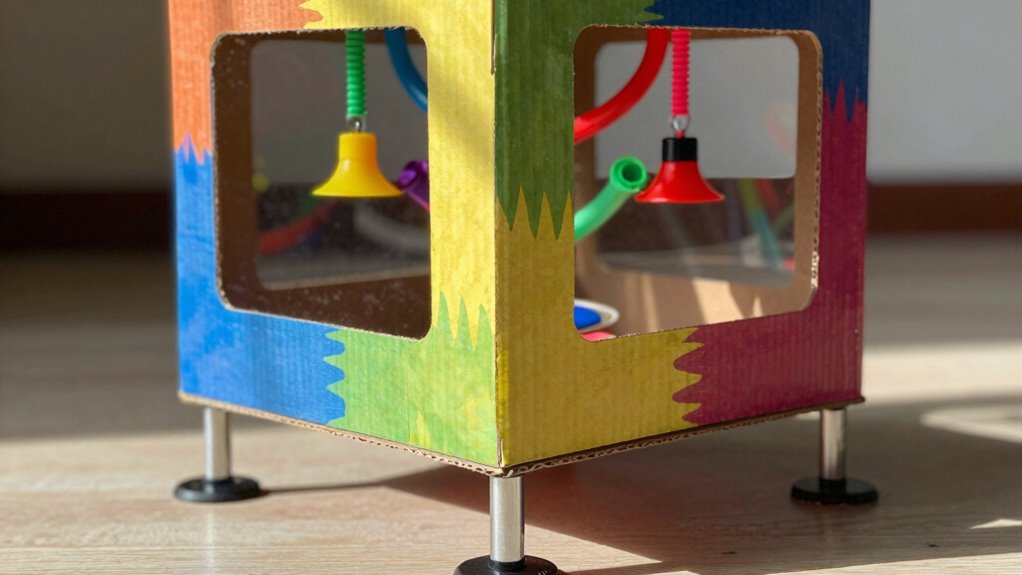
Building a rotating enrichment box from household items is a simple and effective way to keep your pet mentally stimulated. This DIY project requires minimal effort and makes use of tools and materials you already have around the house. The goal is to create a fun, interactive toy that encourages your pet to explore, problem-solve, and stay engaged. You don’t need fancy equipment—just some household tools, a bit of creativity, and a desire to enrich your pet’s environment.
Start by gathering basic household tools like scissors, a utility knife, and a hot glue gun or tape for assembly. You’ll also need a sturdy cardboard box or plastic container that’s large enough to hold treats or toys. Gather items like plastic bottles, paper towel rolls, or small cups, which will serve as compartments or obstacles in the box. The idea is to create multiple compartments that can rotate or slide, revealing hidden treats or toys when manipulated.
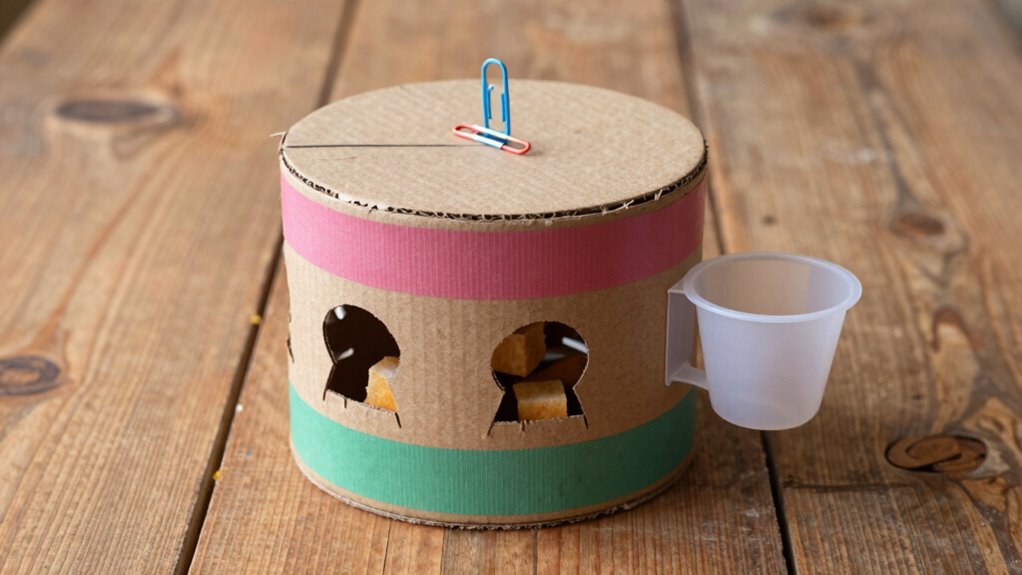
Next, cut holes into the box or container. Use your utility knife to make small openings that are just large enough for your pet to access treats or toys. You might also cut out sections to create sliding panels or rotating doors. Attach the plastic bottles or paper rolls inside the box, securing them with hot glue or tape, so they can spin or move freely. These components will serve as the puzzle elements that your pet has to figure out how to manipulate. Incorporating problem-solving skills into playtime helps to promote your pet’s cognitive development and keeps them mentally active. Adding cognitive stimulation to their play encourages natural behaviors and enhances their overall well-being.
Now, assemble the parts by attaching the rotating or sliding components to the main box. For example, you can create a rotating lid or wheel using a plastic bottle cap or a lightweight cardboard disc. Use household tools to attach these parts securely, ensuring that they rotate smoothly without falling apart. Fill the compartments with treats or toys, then close the box and test its functionality. Make sure the rotating elements move easily and that your pet can access the rewards once they manipulate the mechanisms.
Finally, introduce the enrichment box to your pet and observe how they interact with it. Adjust the difficulty by adding more compartments or changing the placement of treats. Over time, you can modify the box to keep your pet challenged and engaged. Building this rotating enrichment box from household items isn’t just a fun DIY project; it’s a smart way to stimulate your pet’s mind, encourage their natural problem-solving skills, and provide hours of entertainment—all with simple tools and materials you already own.
As an affiliate, we earn on qualifying purchases.
Frequently Asked Questions
What Safety Precautions Should I Take During Construction?
You should wear safety goggles and gloves to protect against construction hazards. Keep pets away from the work area to guarantee pet safety, preventing them from ingesting or getting hurt by tools or materials. Use sharp tools carefully and work in a well-ventilated space. Clear the area of clutter to avoid trips and falls. Always supervise your pet during construction to prevent accidents and ensure safety for everyone involved.
Can This Project Be Customized for Different Pet Sizes?
Yes, you can customize this project for different pet sizes. To do pet size adjustments, modify the box dimensions, making it larger or smaller as needed. Use customization options like adjustable compartments or varied toy placements to suit your pet’s activity level and size. By tailoring the design, you guarantee your pet remains engaged and safe, regardless of their size, making the enrichment box more effective and fun for any pet.
How Long Does It Typically Take to Build?
The assembly timeline for building your rotating enrichment box usually takes about 1 to 2 hours, depending on your skill level. If you’re handy and familiar with basic tools, you can complete it more quickly. Beginners might need extra time to follow instructions carefully. Overall, it’s a manageable project that allows you to customize the process based on your experience, ensuring your pet gets a fun, stimulating toy in a short amount of time.
What Materials Are Best for Durability?
Think of your DIY assembly like crafting a sturdy ship—only as strong as its best material. For durability, opt for hardwoods like oak or maple, which resist wear and tear. Reinforce with metal parts or heavy-duty plastic for added strength. Material selection is key; choose weather-resistant, non-toxic options to guarantee your enrichment box stands the test of time and keeps your pet happy and safe.
How Do I Clean and Maintain the Enrichment Box?
To clean and maintain your enrichment box, start with DIY cleaning by wiping it down regularly with a damp cloth and mild soap. Check for any wear or damage, replacing or repairing parts as needed. Keep it dry and store it in a cool, dry place when not in use. Follow these maintenance tips to make certain your enrichment box stays safe, clean, and engaging for your pet.
Conclusion
Now, you’ve created a rotating enrichment box that’s as clever as a fox and just as fun! With simple household items, you’ve turned everyday objects into a mesmerizing treasure trove that’ll keep your pet engaged for hours. Imagine your furry friend’s excitement as they discover new treats and toys inside this DIY marvel—it’s like revealing a secret world of endless entertainment. Get ready for happier, more stimulated pets that will thank you with endless tail wags and purrs!
Evergreen bestsellers Picks
bestsellers
As an affiliate, we earn on qualifying purchases.