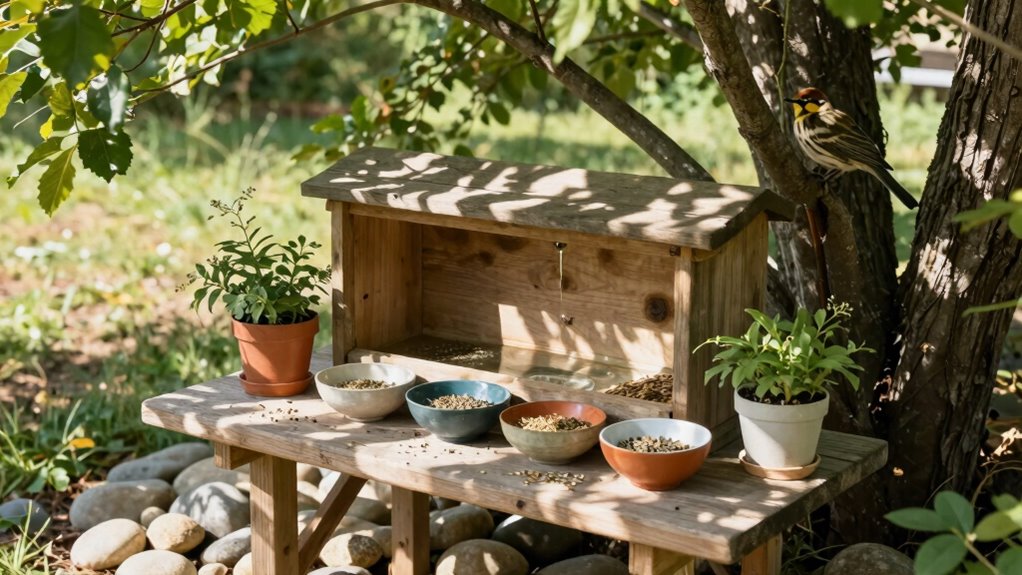

To create a low-stress feeding station, choose calm, quiet spots away from noise and high activity. Use pet-friendly, non-toxic materials like bamboo or silicone, and guarantee bowls are at a comfortable height for your pet to reduce anxiety. Keep the area clutter-free and secure, with non-slip mats to prevent spills. Maintain a consistent routine and a peaceful atmosphere with calm sounds to help your pet feel safe and relaxed during mealtimes. For more tips, keep exploring.
Listen free for 30 days with Audible
Thousands of audiobooks and originals — cancel anytime.
As an affiliate, we earn on qualifying purchases.
Key Takeaways
- Choose a quiet, low-traffic corner away from noisy appliances and high activity zones.
- Use non-toxic, easy-to-clean materials with smooth surfaces and no sharp edges for safety and comfort.
- Elevate small pets’ bowls and keep larger ones at ground level in stable, quiet areas.
- Maintain consistent feeding times and use calm, positive reinforcement to reduce anxiety.
- Incorporate calming sounds and ensure good ventilation to foster a peaceful, secure environment.
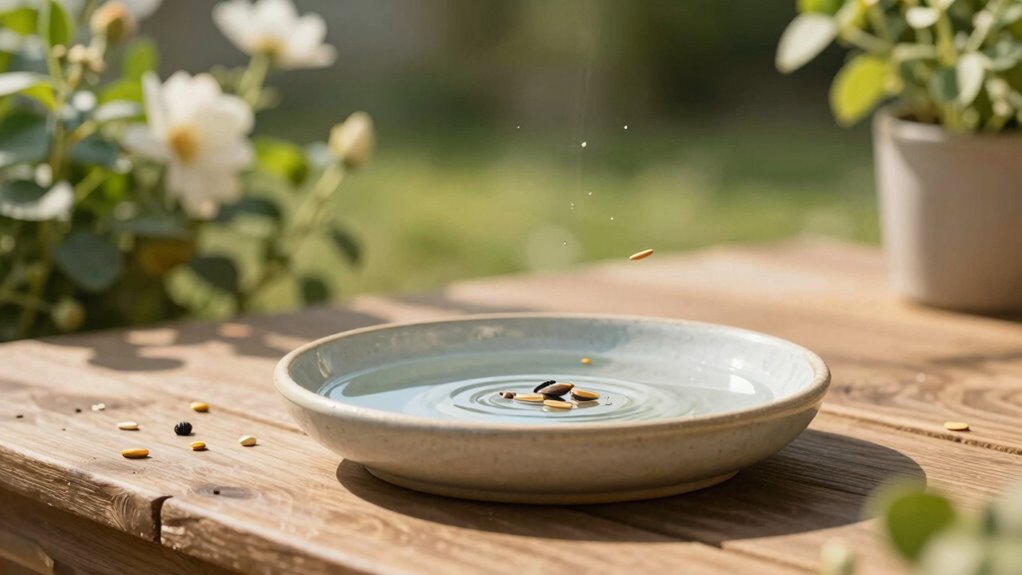
Creating a low-stress feeding station for your pets can make mealtime more enjoyable and less chaotic. The key is to design a space that minimizes stress and encourages calm behavior. To do this, start by selecting pet-friendly materials that are safe and comfortable for your furry friends. Use non-toxic, easy-to-clean surfaces like bamboo, silicone, or smooth plastic that won’t harbor bacteria or cause allergies. Avoid sharp edges or rough textures that could cause discomfort or injury. These materials guarantee your pets feel secure and relaxed during meals, making the experience smoother for everyone involved.
Next, focus on ergonomic bowl placement. Position the bowls at a height that suits your pet’s size and breed, preventing strain on their neck or back. For small dogs or cats, a slightly elevated spot can help improve digestion and make eating easier. Larger dogs might need their bowls at ground level, but still in a quiet, stable area where they won’t be disturbed. Keep the bowls spaced apart enough to avoid competition or crowding, especially if you have multiple pets. Proper placement helps your pets eat comfortably and reduces the likelihood of anxiety or aggressive tendencies during mealtime. Additionally, ensuring a quiet environment can further support a relaxed dining experience.
Proper bowl placement reduces stress and encourages comfortable, peaceful mealtimes for all your pets.
Designing the station with ease of access in mind is vital. Place the feeding area in a quiet corner of your home, away from high traffic zones or noisy appliances. This helps your pet associate mealtime with calmness, not chaos. Keep the area clutter-free, with everything your pet needs within reach—food, water, and any utensils. Consider adding a non-slip mat underneath the bowls to prevent movement and spills, which can add to your pet’s discomfort or cause messes that increase stress. Additionally, selecting secure and stable surfaces can further promote a calm and safe environment. Using appropriate lighting can also help create a tranquil space that encourages relaxed eating. Creating a consistent routine around feeding times can also enhance your pet’s sense of security during meals.
Routine also plays an important role in establishing a low-stress feeding environment. Stick to consistent feeding times and maintain a calm demeanor during meals. Avoid rushing or forcing your pet to eat, as this can create tension. Instead, use positive reinforcement to encourage relaxed behavior. Incorporating calming pet-safe elements, such as soothing sounds or gentle background music, can also help reduce anxiety during mealtime. Creating a healthy environment by maintaining good air quality and proper ventilation can further contribute to your pet’s overall comfort and well-being. By combining pet-friendly materials, ergonomic bowl placement, and a peaceful environment, you help your pet associate mealtime with comfort and security.
Creating a low-stress feeding station isn’t just about the physical setup—it’s about fostering a sense of safety and tranquility. When your pets feel at ease during meals, they’re more likely to eat well and enjoy their daily routine. With thoughtful placement and carefully chosen materials, mealtime becomes a peaceful, bonding experience rather than a source of stress.
pet feeding station mat non-slip
As an affiliate, we earn on qualifying purchases.
As an affiliate, we earn on qualifying purchases.
Frequently Asked Questions
What Materials Are Safest for Feeding Station Surfaces?
You should choose feeding station materials that are pet safe surfaces, like non-porous, easy-to-clean options such as stainless steel, ceramic, or BPA-free plastic. These materials resist bacteria buildup and are durable, making them safer for your pet. Avoid toxic or porous materials like untreated wood or low-quality plastics. Prioritize pet-safe surfaces to prevent health issues and make certain your pet’s feeding area remains hygienic and stress-free.
How Often Should I Clean the Feeding Station?
You should clean your pet’s feeding station daily—yes, daily! Imagine a mountain of pet hydration spills, crumbs, and bacteria building up overnight. A spotless feeding area keeps your pet safe, encourages a steady feeding schedule, and prevents illnesses. Regular cleaning not only maintains hygiene but also makes meal times stress-free. Keep it pristine, and your pet will happily enjoy every bite in a clean, healthy environment!
Can I Customize the Station for Multiple Pets?
Yes, you can customize your feeding station for multiple pets by considering pet feeding ergonomics and station customization options. Arrange bowls at different heights or use adjustable stands to accommodate each pet’s size and comfort. Incorporate separate mats or sections to prevent food mixing and reduce stress. Personalizing the layout ensures each pet has a comfortable, low-stress feeding experience, promoting better health and harmony in your household.
What Are Signs My Pet Is Stressed at the Station?
You’ll notice stress signals like pacing, whining, or refusing to eat, which are clear behavior cues your pet is stressed at the station. Watch for signs such as raised hackles, avoiding eye contact, or excessive licking. If you see these behavior cues, it’s a sign to evaluate the environment, maybe move the station to a quieter spot or add more space, helping your pet feel comfortable during mealtime.
How Do I Introduce the New Feeding Station to My Pet?
You introduce the new feeding station gradually by observing your pet’s pet behavior and using positive reinforcement training techniques. Start by placing the food bowl nearby and praise your pet for approaching calmly. Slowly move the station to the desired spot over several days, rewarding relaxed behavior. Consistency and patience help your pet associate the new station with positive experiences, reducing stress during meal times.
Conclusion
By setting up your feeding station with calm, inviting elements, you create a peaceful haven for your feathered visitors. Imagine the gentle rustle of leaves as birds hop onto the perch, their feathers catching the soft sunlight. With a few thoughtful touches, you turn a simple spot into a serene sanctuary where birds feel safe and stress-free. Soon, you’ll enjoy watching these lively creatures thrive in their tranquil retreat, bringing joy and harmony to your outdoor space.
NFL season / tailgating Picks
team gear
As an affiliate, we earn on qualifying purchases.