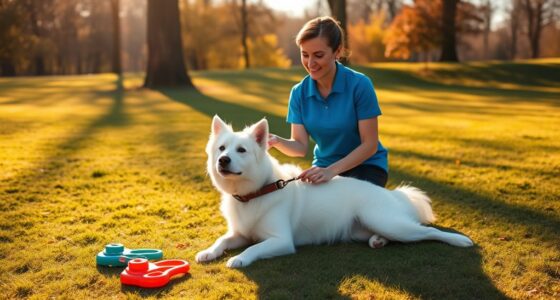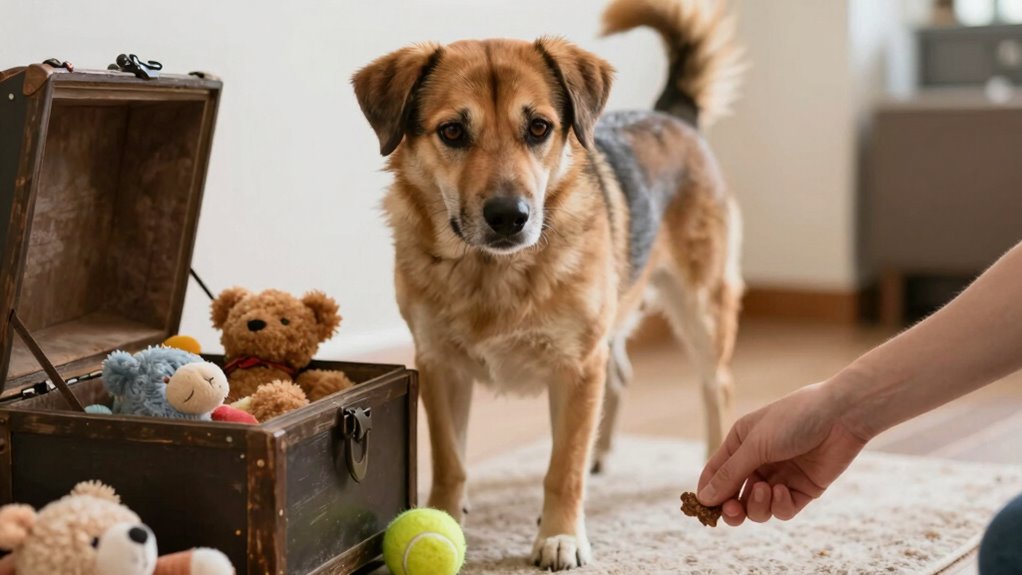

Resource guarding isn’t limited to food; dogs also guard spaces they see as theirs, like favorite spots or personal territory. They guard these areas through behaviors like staring, growling, or blocking access. Recognizing these signs early helps prevent escalating incidents. Using positive training methods, like “place” commands and gradual exposure, encourages trust and respect. To better understand how to manage space guarding effectively, keep exploring this topic further.
Key Takeaways
- Dogs may guard specific areas or personal spaces, not just food, as part of their natural territorial instincts.
- Recognizing subtle guarding behaviors, like intense staring or blocking access, helps prevent escalation.
- Training techniques such as “place” commands and positive reinforcement can reduce space guarding.
- Avoid punishment; instead, gradually desensitize dogs to others approaching their space.
- Respect personal boundaries and manage the environment to promote peaceful coexistence around spaces.
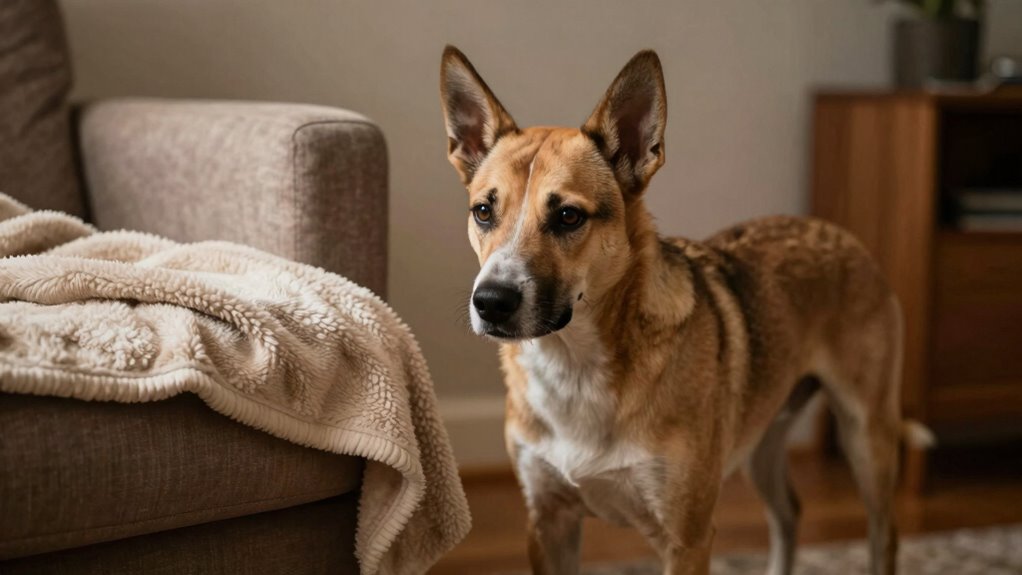
Have you ever noticed your dog guarding a favorite spot or space in your home? Maybe they bark or growl when someone approaches their bed or a particular corner. This behavior isn’t just about protecting food; it’s about safeguarding what they see as their territory. Dogs naturally establish personal boundaries, and when they feel these are threatened, they might react defensively. This form of resource guarding extends beyond just food—it includes spaces and objects they consider important or comforting.
Dogs guard spaces and objects they see as theirs, reacting defensively to protect their territory and personal boundaries.
When your dog exhibits guarding behaviors around specific areas, they’re fundamentally marking their territory. Dogs have an instinct to defend their space from intruders, whether those are other animals, people, or even new objects in the environment. This territorial marking isn’t always about scent; it’s about asserting ownership and control over a space they associate with safety or comfort. You might notice your dog lying heavily on a particular spot, growling at anyone who approaches, or even snapping if someone gets too close. These actions are their way of reinforcing personal boundaries and signaling what’s theirs.
Understanding that this behavior is rooted in natural instincts can help you approach it more effectively. Instead of punishing your dog, you can work on establishing clear boundaries so they learn that sharing their space, or at least respecting others, is okay. Training and positive reinforcement play big roles here. For example, teaching your dog a “place” command and rewarding calm behavior when someone approaches their spot can help them learn that others can be near without threatening their territory. Over time, this builds trust and reduces anxiety related to personal boundaries being crossed.
It’s important to recognize that resource guarding isn’t always aggressive. Sometimes, it’s subtle—your dog might just stare intensely or position themselves between you and the space they want to protect. Ignoring these signs can escalate the behavior into more serious guarding episodes. You should seek to manage the situation by gradually desensitizing your dog to people or other pets approaching their favorite spots, always rewarding calm and non-guarding behavior. Recognizing the natural instincts behind this behavior can help you develop more effective strategies to address it. Additionally, understanding that territorial behavior is a common canine trait can help owners respond with patience rather than frustration. Being aware of canine territorial instincts can also aid in preventing future issues by creating a more harmonious environment. Recognizing and respecting a dog’s personal boundaries can contribute significantly to a peaceful coexistence.
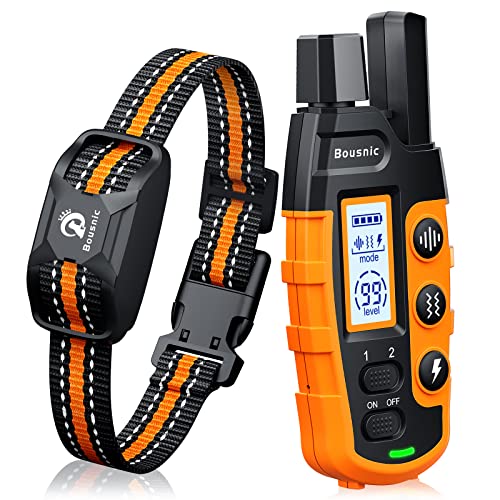
Bousnic Dog Shock Collar – 3300Ft Dog Training Collar with Remote for 5-120lbs Small Medium Large Dogs Rechargeable Waterproof e Collar with Beep (1-8), Vibration(1-16), Safe Shock(1-99) (Orange)
- Humane Training Modes: Beep, vibration, safe shock levels
- Extended 3300Ft Range: Long-distance training up to 3300 feet
- Dual-Channel for Two Dogs: Train two dogs simultaneously
As an affiliate, we earn on qualifying purchases.
As an affiliate, we earn on qualifying purchases.
Frequently Asked Questions
How Can I Tell if My Dog Is Resource Guarding a Space?
You can tell your dog is resource guarding a space if they become protective or defensive when someone approaches their territory. Watch for behaviors like growling, stiffening, or blocking access to personal boundaries. Your dog might also mark territory or posture defensively. These signs indicate they see the space as theirs, and they’re guarding it just like they would with food. Recognizing these cues helps you address the guarding appropriately.
What Are Common Signs of Space Guarding Behavior?
You’ll notice your dog acting like a territorial guard, growling or snapping when someone approaches a certain space. They might posture stiffly, with ears forward and tail high, like a fortress defending its walls. Watch for signs of territorial aggression, such as blocking access or guarding a spot with persistent staring. These behaviors signal that your dog sees that space as their territory, and they’re determined to mark it as theirs.
How Does Space Guarding Differ From Food Guarding?
Space guarding differs from food guarding because it involves your dog protecting personal boundaries or territory, rather than just food. When your dog exhibits space guarding, they may posture defensively, block access, or growl at anyone approaching their designated area. Unlike food guarding, which centers on possession of edible items, space guarding is about safeguarding their environment, making them more territorial. Recognizing these behaviors helps you manage and prevent conflicts effectively.
Are There Specific Breeds More Prone to Space Guarding?
Certain breeds are more prone to space guarding because of breed predispositions and territorial tendencies. For example, guard dog breeds like German Shepherds, Rottweilers, and Dobermans often display this behavior more than others. These breeds naturally have strong territorial instincts, making them more likely to guard their space. However, individual temperament and training also play essential roles, so not all dogs of these breeds will exhibit space guarding.
When Should I Consult a Professional for Space Guarding Issues?
You should consult a professional if your dog’s space guarding behavior worsens or doesn’t improve with basic training techniques. A behavior modification specialist can help develop a tailored plan to address the issue safely. If your dog shows aggressive signs, like growling, snapping, or biting, seek expert guidance immediately. Early intervention guarantees you use effective training techniques and prevent escalation, making your home safer for everyone involved.
Conclusion
Understanding that resource guarding extends beyond just food helps you better recognize your pet’s behavior around spaces. Did you know that nearly 60% of dogs display guarding behaviors related to personal spaces or belongings? By addressing these behaviors early, you create a safer, more trusting environment for both of you. Remember, patience and consistent training can make a big difference. So, stay attentive, and don’t hesitate to seek professional help if needed—your pet’s comfort depends on it.