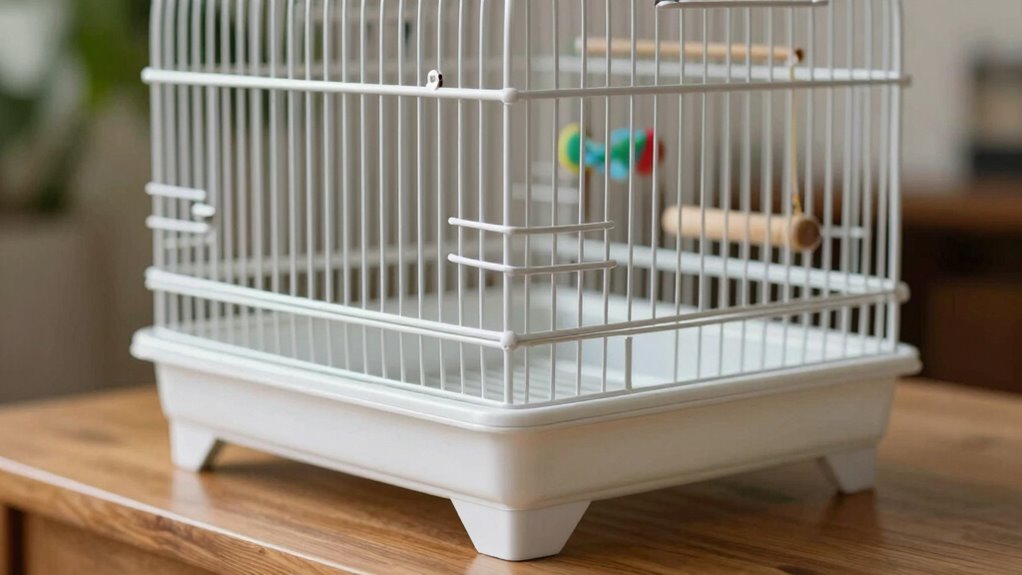

Many believe that a tall cage is enough for bird happiness, but height alone doesn’t mean a healthy environment. Birds need ample floor space for flying, hopping, and exploring, not just vertical height. A cage with enough width and length encourages movement and mental stimulation, reducing stress and health problems. If you keep thinking about cage design, you’ll discover how proper dimensions and layout truly support your bird’s well-being.

Get pet supplies delivered free — and shop member deals
- Fast, free delivery on millions of items
- Access to Prime Big Deal Days deals on October 6–7
- Prime Video, Amazon Music and more included
Key Takeaways
- Larger floor space is more important than height for promoting natural behaviors like flying and hopping.
- Tall cages may look impressive but can restrict horizontal movement, limiting bird activity.
- Adequate cage size prioritizes overall space, not just vertical height, to support health and mental stimulation.
- Proper cage design balances height with sufficient floor area for exercise and exploration.
- Focusing solely on height can lead to cramped environments that hinder natural behaviors and well-being.
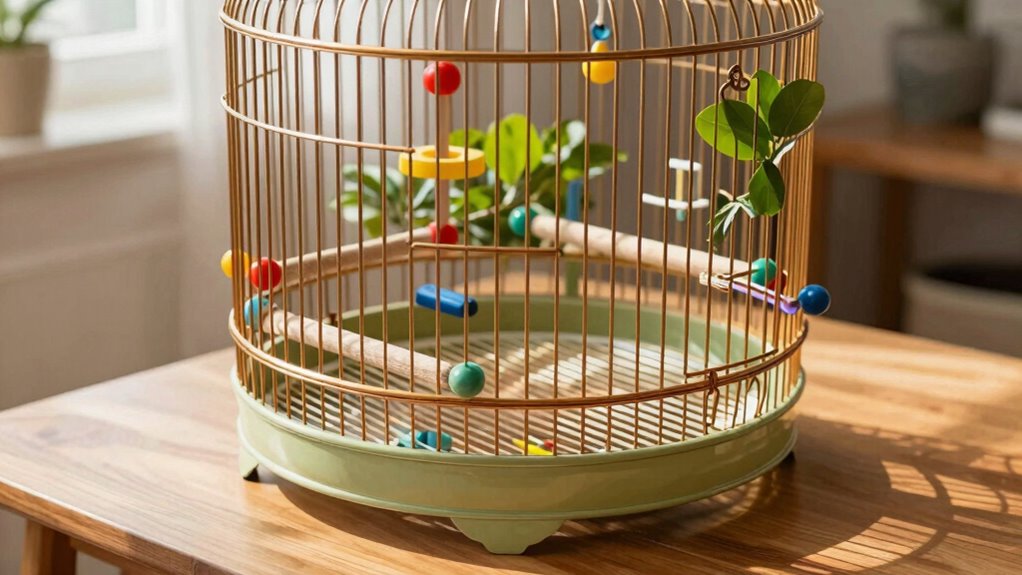
Many people believe that a bird’s cage size doesn’t matter as long as the bird has some space to move around, but this is a common misconception. When choosing a cage, it’s not just about height; the overall dimensions and layout considerably impact your bird’s well-being. A tall cage might seem impressive, but if it’s narrow or cramped, your bird won’t have enough room to stretch, fly short distances, or play comfortably. Adequate space supports bird health by allowing natural behaviors like hopping, climbing, and foraging. If the cage is too small, your bird could develop stress, obesity, or feather plucking, all signs of poor health linked to inadequate living conditions.
A cage’s overall size and layout are vital for your bird’s health and natural behaviors.
Cage aesthetics might catch your eye initially—sleek designs, matching colors, or fancy decorations can make a cage look attractive. However, focusing solely on aesthetics can lead to sacrificing space and functionality. A beautiful cage that looks good but is too small can harm your bird’s health, which is ultimately more important than appearance. A well-designed cage balances visual appeal with practical, spacious living conditions. You want a cage that’s easy to clean, provides enough room for toys and perches, and encourages movement. When the cage is thoughtfully designed, it becomes a functional piece of your home that benefits your bird’s physical and mental health. Additionally, proper cage ventilation is essential to ensure fresh air circulation and prevent respiratory issues, which is often overlooked in smaller or poorly designed cages. Good ventilation can also help reduce ammonia buildup, creating a healthier environment for your bird.
It’s tempting to prioritize height because tall cages often look more impressive, but height alone doesn’t guarantee a healthy environment. Your bird needs enough floor space to move freely, fly short distances, and engage with toys. Multiple perches at different levels are beneficial, but if the cage’s overall footprint is tiny, your bird’s activities will be limited. Remember, a larger cage with plenty of horizontal space allows your bird to exercise and explore, which is essential for maintaining strong muscles and mental stimulation. The right cage size is about more than just looks; it’s about creating an environment where your bird can thrive.
Additionally, the overall dimensions of the cage play a crucial role in supporting your bird’s health, emphasizing that height isn’t everything. Proper cage ventilation is also vital to ensure fresh air circulation and prevent respiratory issues, which is often overlooked in smaller or poorly designed cages. It’s equally important to consider the materials used in cage construction, as non-toxic, durable materials can prevent potential health hazards for your bird. Ultimately, you should view cage size as a crucial component of your bird’s overall health and happiness. Prioritize spacious, well-designed cages over simply tall or stylish ones. Your bird’s physical health depends on ample room to move, while its mental well-being benefits from a stimulating environment that mimics its natural habitat. By choosing a cage that’s both aesthetically pleasing and appropriately sized, you’re investing in your bird’s future happiness and health.
large bird cage with ample floor space
As an affiliate, we earn on qualifying purchases.
As an affiliate, we earn on qualifying purchases.
Frequently Asked Questions
What Are the Most Important Cage Features Besides Height?
Besides height, you should focus on perch variety and cage material. Offering different perch types keeps your bird’s feet healthy and prevents boredom. Choose cage materials like stainless steel or powder-coated metal for durability and safety, avoiding toxic plastics. Make certain the cage has proper bar spacing for your bird’s size, and includes toys and accessories to stimulate mental activity. Prioritizing these features helps promote your bird’s well-being beyond just the cage height.
How Does Cage Floor Space Impact Bird Health?
Think of your bird’s cage as their playground—more floor space means more room to move and stretch. A larger cage floor improves bird health by promoting activity and reducing stress. It also enhances bird safety by preventing overcrowding. Good cage ventilation is crucial, as it keeps fresh air circulating, reducing respiratory issues. Prioritizing ample floor space and airflow creates a healthier, happier environment for your feathered friend.
Are Larger Cages Always Better for Every Bird Species?
Larger cages aren’t always better for every bird species because individual needs vary. You should consider each bird’s natural behavior, size, and activity level. For ideal health, focus on cage customization—adding perches, toys, and space for movement—rather than just size. Some species thrive in smaller, well-equipped cages, while others need more room. Always tailor your cage setup to your bird’s unique requirements for their well-being.
How Often Should I Clean My Bird’s Cage?
You should clean your bird’s cage at least once a day to maintain proper cage hygiene. Regular cleaning helps prevent bacteria buildup and keeps your bird healthy. Spot clean any messes daily, and do a thorough clean, including perches and toys, at least once a week. Consistent cleaning frequency guarantees your bird stays comfortable and safe, promoting a happy, healthy environment.
What Are Common Cage Accessories That Improve Bird Well-Being?
Imagine a bird’s cage as a tiny world, bursting with life. You can boost your bird’s well-being with accessories like swings, perches, and toys, which serve as bird enrichment and keep them active. Adding colorful, engaging items also enhances cage aesthetics, making their environment inviting and lively. These accessories stimulate their mind and body, ensuring they stay happy, healthy, and mentally stimulated in their cozy habitat.
Conclusion
Remember, when choosing a bird cage, size isn’t just about height — it’s about creating a home where your bird can truly thrive. Don’t be fooled by tall cages that lack width or space to move. Think of the cage as a stage — your bird needs room to dance, stretch, and explore. By focusing on overall spaciousness, you’ll give your feathered friend a habitat that’s truly fit for a star performer.
Fall Picks
fall essentials
As an affiliate, we earn on qualifying purchases.