
Many handlers skip essential warmup routines like dynamic stretching and gentle exercises, which can lead to injuries and reduced performance. Jumping straight into intense activities prevents your dog’s muscles from warming up properly, causing slower reactions and increased risk of strains. Taking even a few minutes to activate key muscle groups boosts agility, safety, and confidence. Keep going, because you’ll discover simple warmup tips that can make a big difference for your dog’s agility.

Get pet supplies delivered free with Prime
- Fast, free delivery on millions of items
- Prime Video, Amazon Music and more included
- Member-only deals all year
Key Takeaways
- Many handlers skip dynamic stretching, increasing injury risk and reducing muscle readiness.
- Cold muscles from skipping warmups impair agility, reflexes, and quick turns.
- Neglecting warmups leads to slower reaction times and inconsistent performance.
- Handlers often overlook muscle activation exercises that prepare dogs for complex movements.
- Skipping warmups diminishes overall safety, increasing chances of strains and accidental injuries.
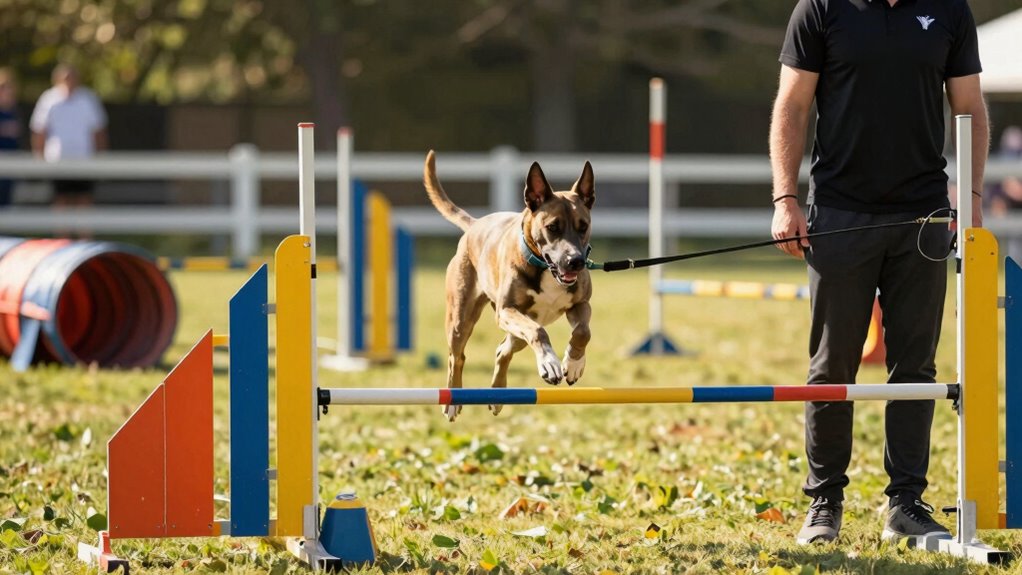
Many handlers overlook the importance of proper warmups before agility training, but skipping this step can lead to decreased performance and increased injury risk. When you neglect to warm up your dog, you miss out on a pivotal opportunity to prepare their muscles and joints for the physical demands ahead. Proper warmups aren’t just a ritual; they’re an essential part of injury prevention. Without them, your dog is more prone to strains, sprains, or even more serious injuries that could sideline them for weeks. A quick, well-structured warmup can greatly reduce these risks, ensuring your dog stays healthy and ready to perform at their best.
Proper warmups prevent injuries and boost your dog’s agility performance.
Often, handlers focus mainly on the main training drills, believing they save time or keep their dog fresh. However, jumping straight into high-intensity activities without a proper warmup diminishes your dog’s performance enhancement potential. When muscles aren’t prepared, they don’t function ideally, which can lead to slower reaction times and less precise movements. Warmups increase blood flow, raise body temperature, and loosen stiff muscles, all of which contribute to improved agility and quicker reflexes. It’s like priming an engine before a race—your dog performs better when they’re properly prepared. Additionally, incorporating dynamic stretching can further activate key muscle groups and improve coordination. Including muscle activation exercises can further enhance your dog’s readiness and reduce the likelihood of injury. Recognizing the importance of injury prevention strategies can help handlers develop more effective warmup routines. Incorporating physical readiness techniques can also make a significant difference in your dog’s overall performance and safety. Understanding proper warmup procedures is essential for maximizing your dog’s potential and well-being.
Many handlers also underestimate how much a warmup can improve overall safety. Dynamic stretching, light jogging, or simple exercises like leg swings and paw lifts activate key muscle groups used during agility. These movements help identify any areas of tightness or discomfort, allowing you to address them before they turn into injuries. When you incorporate a thorough warmup routine, you’re not just protecting your dog—you’re also setting the stage for smoother, more confident runs. Better warmups lead to less hesitation, fewer mistakes, and a more enjoyable experience for both of you.
Furthermore, skipping warmups can cause your dog to become tense or uncoordinated, diminishing their overall performance. When muscles are cold, they’re less responsive, making it harder for your dog to execute precise turns or jumps. Over time, this can hinder progress and even cause frustration. By dedicating just a few minutes to warmups, you’re enhancing your dog’s readiness, which translates to quicker learning and more consistent results. It’s a small investment of time that yields big dividends in safety and performance.
In the end, paying attention to warmup routines isn’t just about tradition; it’s a practical step toward injury prevention and performance enhancement. As a handler committed to your dog’s well-being and success, make warmups a non-negotiable part of every agility session. Your dog will thank you with faster, safer, and more confident runs.
As an affiliate, we earn on qualifying purchases.
Frequently Asked Questions
How Long Should an Agility Warmup Typically Last?
A typical agility warmup should last about 10-15 minutes. You’ll want to include dynamic stretching to loosen your muscles and increase blood flow, which helps prevent injuries. Don’t forget mental preparation—visualize your runs and focus your mind. This combination boosts your performance and confidence. Skipping warmups can lead to injuries or poor performance, so make time for a proper warmup to guarantee you’re ready and focused for your agility session.
Are Warmups Necessary for All Dog Breeds?
Warmups are essential for all dog breeds to prevent injury and improve performance. You should include breed-specific stretching and a warmup variation tailored to your dog’s size, age, and activity level. Even small or low-energy breeds benefit from gentle warmups before agility. By customizing warmup routines, you guarantee your dog’s muscles are prepared, reducing strain and making training sessions safer and more effective.
What Are the Signs of an Inadequate Warmup?
You’ll notice signs of an inadequate warmup if your dog shows stiffness, sluggishness, or reluctance to move confidently. Inconsistent training and poor equipment safety can make warmups less effective, increasing injury risks. To prevent this, make certain you maintain training consistency and check equipment safety before warmups. Properly warming up helps your dog loosen muscles, improve focus, and perform at its best, reducing the chance of strains or injuries during your agility session.
Can Warmups Prevent Agility-Related Injuries?
Think of warmups as the gentle sunrise before a busy day—they set the stage for success. Warmups definitely help prevent agility-related injuries by promoting muscle flexibility and preparing your dog’s body for demanding activity. When you invest time in proper warmups, you’re building a protective shield that reduces strain and injury risk. Ultimately, consistent warmups act as a crucial safety net, ensuring your dog stays healthy and ready for each challenge.
When Is the Best Time to Start Warmups Before a Run?
You should start your warmup routine about 15-20 minutes before your agility run. As a handler, it’s your responsibility to make sure your dog is properly warmed up to prevent injuries. Incorporate light cardio, stretching, and some basic obedience exercises to prepare both of you. This proactive approach helps improve performance, reduces strain, and keeps your dog safe during the run. Always prioritize warmups as part of your pre-competition routine.
Conclusion
Skipping warmups might seem like a small oversight, but it can subtly influence your dog’s performance and safety. By gently easing into your session, you’re nurturing a smoother, more confident run for your furry friend. Think of warmups as a quiet prelude—setting the stage for a more harmonious and enjoyable agility experience. When you take that extra moment, you’re truly investing in your dog’s well-being and the overall flow of your training, making each run a little brighter.
Halloween Picks
halloween
As an affiliate, we earn on qualifying purchases.