

To anticipate a dog’s reaction, watch their body language closely. Look for signs like tense posture, stiff tail, or pinned ears, which indicate discomfort or aggression. Pay attention to their eyes and facial expressions—dilated pupils, snarling, or showing teeth signal warning cues. A wagging tail can mean different things depending on its movement and position. Recognizing these subtle signals helps you respond early and prevent issues. Keep reading to discover more tips on staying safe around dogs.
Play games included with Prime
Start a Prime free trial and play with Amazon Luna on your devices.
As an affiliate, we earn on qualifying purchases.
Key Takeaways
- Observe the dog’s overall posture for signs of tension or relaxation.
- Watch ear and eye movements for alertness, fear, or aggression cues.
- Note tail position and movement to interpret excitement, insecurity, or submission.
- Recognize facial expressions like lip curls or snarling as warnings.
- Identify subtle body shifts or stiffening indicating potential escalation.
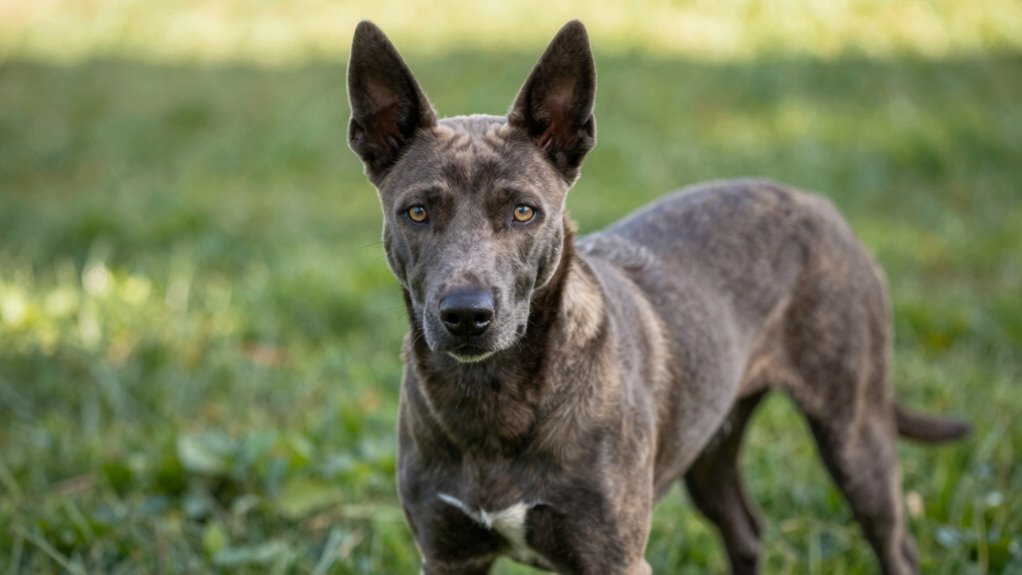
Understanding a dog’s body language before it happens can help prevent potential issues and guarantee safer interactions. By paying close attention to canine communication, you can often predict a dog’s next move before it actually happens. Dogs communicate primarily through their body language, and recognizing these signals allows you to respond appropriately, avoiding misunderstandings or even bites. When you understand dog body language, you become better equipped to gauge their mood and intentions, keeping both you and the dog safe.
Start by observing the dog’s overall posture. A relaxed dog will often have a loose, open stance, with a wagging tail and soft eyes. Conversely, if a dog’s body shifts into a tense or stiff position, it’s a sign they might be feeling anxious, threatened, or aggressive. For example, a dog with raised hackles, a stiff tail, and forward-leaning body is signaling discomfort or readiness to defend itself. Recognizing these signs early can help you step back before the situation escalates.
A relaxed stance with wagging tail signals calm; tense body and raised hackles warn of discomfort or aggression.
Pay attention to the dog’s ears and eyes, as these are key indicators of emotional state. Ears pinned back against the head often show fear or submission, while ears pinned forward indicate alertness or aggression. Similarly, dilated pupils and direct eye contact can be signs of dominance or challenge, while avoiding eye contact or averting gaze usually signals submission or fear. When you see a dog with an intense stare and stiff body, it’s best to give them space before they decide to act. Additionally, understanding canine communication can help you interpret these signals more accurately. Recognizing subtle cues like these is essential for effective dog behavior interpretation and safe handling. Developing a sense of reading canine signals can significantly improve your ability to anticipate their reactions.
The position of the tail also plays a significant role in canine communication. A wagging tail doesn’t always mean friendliness—consider the tail’s position and speed. A high, rapidly wagging tail can suggest excitement or dominance, while a low, slow wag might indicate insecurity. If the tail is tucked between the legs, it’s a clear sign of fear or submission. Recognizing these subtle cues helps you interpret what the dog is feeling and anticipate what might happen next.
Finally, observe the dog’s facial expressions and mouth. A relaxed, open mouth with a gentle pant usually indicates a calm dog. However, if the dog shows teeth, curls their lips, or snarls, they’re warning you of potential aggression. When you notice this, it’s best to calmly and slowly give the dog space. By understanding these nuances of canine communication, you can often predict a dog’s line before it happens, preventing conflicts and ensuring safer interactions. Developing this skill can also contribute to a more empathetic and respectful relationship with dogs, fostering mutual trust.
As an affiliate, we earn on qualifying purchases.
Frequently Asked Questions
Can All Dogs Show the Same Signs Before Acting Out?
Not all dogs show the same signs before acting out, as individual dog body language varies. Some might stiffen, growl, or show their teeth, while others may wag their tail nervously or avoid eye contact. Signal recognition is key; by observing your dog closely, you can identify subtle cues that indicate stress or agitation. Learning these signs helps you anticipate their actions and prevent potential issues.
How Early Can You Detect a Dog’s Impending Aggressive Behavior?
Think of your dog’s behavior like a brewing storm—you can often spot it early. Usually, you can detect an aggressive intent through subtle behavioral cues and dog body language about seconds to minutes before escalation. Watch for tense muscles, stiff posture, or hard stare. Recognizing these signs early helps you step back and prevent conflict, turning a potential storm into just a passing cloud.
Are There Specific Breeds More Prone to Certain Signals?
Yes, breed tendencies influence specific signals, but individual dogs may vary. For example, herding breeds often display alert signals like staring or stiffening, while terriers might show more vocal cues. Signal variations also exist within breeds based on personality and training. Recognizing these breed tendencies helps you better interpret their warning signs, allowing you to respond promptly and prevent escalation. Always consider the dog’s unique behavior alongside typical breed signals.
How Does a Dog’s Environment Influence Its Pre-Attack Signals?
Picture a garden where every plant reacts to the weather—your dog’s environment shapes its responses. Environmental cues and behavioral triggers become like shifting sunlight or sudden gusts that influence your dog’s signals. If the surroundings are tense or chaotic, your dog may become more alert or defensive, making pre-attack signals more obvious. Recognizing these cues helps you anticipate and prevent potential issues, creating a safer space for everyone.
Can Training Alter a Dog’s Pre-Attack Body Language?
Yes, training techniques can substantially alter a dog’s pre-attack body language. Through consistent positive reinforcement and socialization, you help your dog become more comfortable and confident, reducing signs of stress or aggression. Training teaches your dog appropriate responses and improves their body language, making warning signals clearer or less intense. Over time, your dog’s body language becomes a reliable indicator of their mood, helping you anticipate and prevent potential issues.
Conclusion
By paying close attention to your dog’s body language, you can often read their mind before their next move. It’s like revealing a secret language that deepens your bond and keeps both of you safe. Remember, every wag, tilt, or tense muscle tells a story waiting to be understood. When you listen with your heart and eyes, you’re not just observing—you’re communicating in a language that bridges the gap between humans and dogs, forging trust that lasts a lifetime.
Fall yard work Picks
leaf blowers
As an affiliate, we earn on qualifying purchases.