

In an emergency, stay calm to prevent your pet from becoming more anxious. Quickly assess injuries or illnesses, controlling bleeding by applying gentle pressure, and keep your pet comfortable. If they’re choking, carefully check the mouth and perform gentle Heimlich if needed. For poisoning, identify the substance and contact your vet or poison control immediately—do not induce vomiting unless instructed. Keep your pet in a safe, quiet spot and be prepared to follow steps that could save their life. More tips follow to guide you through each situation.
Key Takeaways
- Stay calm to prevent further stress and quickly assess the severity of your pet’s condition.
- Control bleeding with gentle pressure using a clean cloth or sterile gauze.
- If your pet is choking, carefully inspect and remove the object or perform a modified Heimlich if needed.
- Identify any toxic substances ingested and contact your veterinarian or pet poison control immediately.
- Keep your pet in a quiet, safe environment, monitor their condition, and seek urgent veterinary care when necessary.
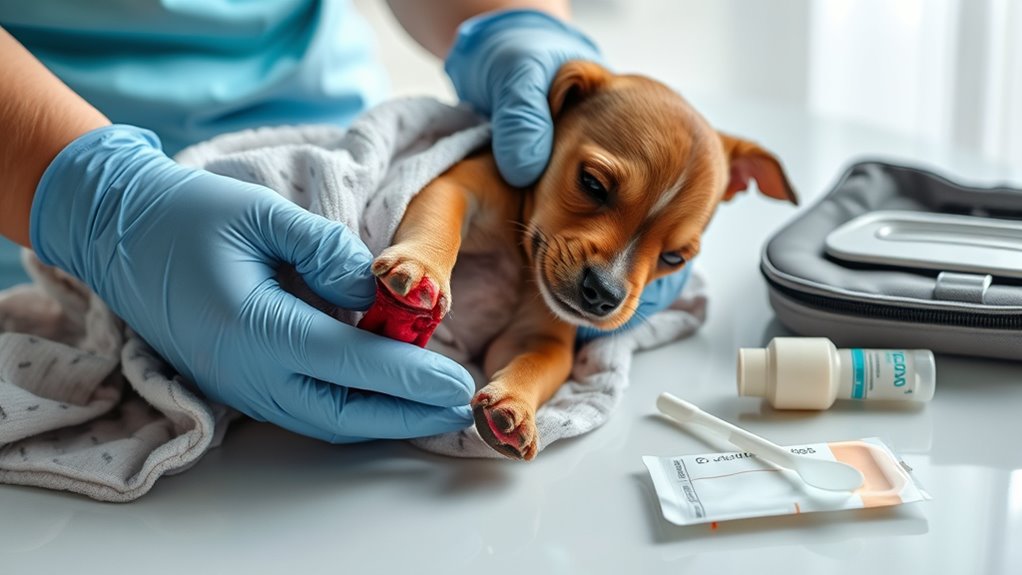
Have you ever wondered what you should do immediately after an injury or sudden illness? Knowing how to respond quickly can make a significant difference in your pet’s recovery. The first step is to stay calm. Your pet picks up on your anxiety, which can increase their stress. Take deep breaths and approach the situation with a clear head. Quickly assess the severity of the injury or illness—look for bleeding, difficulty breathing, unconsciousness, or signs of pain. This initial assessment helps you determine whether you can handle the situation at home or if immediate veterinary attention is necessary.
Stay calm and assess your pet’s condition quickly after an injury or illness.
If your pet is bleeding, try to control it with gentle pressure using a clean cloth or sterile gauze. Do not press too hard or use a tourniquet unless absolutely necessary, as this can cause further damage. Elevate the injured area if possible, but avoid moving your pet excessively if they seem severely injured or are in pain. For cuts or wounds, clean the area with warm water if available, but avoid disinfectants like hydrogen peroxide or alcohol, which can damage tissue. Cover the wound with a sterile bandage to prevent contamination.
If your pet is choking, stay calm. Open their mouth carefully and check if you can see the object blocking the airway. If you can see it and can safely remove it, do so with your fingers or tweezers. Be cautious not to push the object further down. If you can’t remove the blockage, perform a modified Heimlich maneuver by applying quick, firm pressure just behind the ribcage. This can dislodge the object and restore breathing. If your pet is struggling to breathe but isn’t choking, keep them calm and move to a well-ventilated area. Loosen tight collars or harnesses that might restrict airflow.
In the case of poisoning or ingestion of toxic substances, try to identify what your pet ate or drank, and contact your veterinarian or an emergency pet poison control center immediately. Do not try to induce vomiting unless instructed by a professional, as some substances can cause more damage if vomited back up. Being aware of common poisonous substances can help you respond more effectively in emergencies.
For sudden illnesses like seizures, keep your pet safe by removing nearby objects that could cause injury and gently cushioning their head. Do not restrain them forcibly or put your fingers in their mouth—they won’t swallow their tongue but could bite in panic. Focus on keeping them comfortable and calling your vet right away. Remember, your quick, calm actions before reaching the vet can make a *vital* difference in your pet’s outcome.

ARCA PET Cat & Dog First Aid Kit for Car – Pet Emergency Kit for Home Office Travel – Dog Camping Essentials with Digital Thermometer, Muzzle & Mini First Aid Pouch
ENSURE PET SAFETY ON THE GO with our dog travel accessories, dog must haves in pet travel. Our…
As an affiliate, we earn on qualifying purchases.
As an affiliate, we earn on qualifying purchases.
Frequently Asked Questions
How Can I Prevent Common Pet Injuries at Home?
You can prevent common pet injuries at home by keeping hazardous items out of reach, such as cleaning supplies and sharp objects. Regularly inspect your environment for potential dangers like loose wires or toxic plants. Provide safe spaces and supervise your pet during playtime. Make certain secure fencing to prevent escapes, and keep small objects or choking hazards away. Consistent training and pet-proofing your home greatly reduce the risk of injuries.
When Should I Attempt First Aid Versus Visiting the Vet Immediately?
Think of your pet’s injury like a ticking time bomb—you should seek immediate vet care if the injury is severe, bleeding heavily, or if your pet is unresponsive or in severe pain. For minor cuts, scrapes, or if your pet is stable and alert, you can try basic first aid first. When in doubt, it’s safer to visit the vet right away to rule out serious issues.
What Supplies Should Be in a Pet First-Aid Kit?
You should include essential supplies like sterile gauze, adhesive bandages, antiseptic wipes, tweezers, scissors, disposable gloves, and a digital thermometer. Also, add a list of emergency contacts, your pet’s medical history, and any medications your pet needs. Keep these items organized in a waterproof container, and regularly check to replenish supplies. Being prepared guarantees you’re ready to provide immediate care while waiting for veterinary assistance.
How Do I Recognize Signs of Serious Injury or Illness?
You recognize serious injury or illness signs by watching for sudden limping, bleeding, difficulty breathing, persistent vomiting, or unresponsiveness. If your pet shows extreme weakness, seizures, or unrelenting pain, these are urgent. Keep calm and act swiftly by calling your vet immediately. Monitor their breathing, check for visible injuries, and avoid giving them food or water until advised. Prompt recognition and action can save your pet’s life.
Are There Any First-Aid Tips Specific to Different Pet Species?
Yes, there are specific first-aid tips for different pet species. For example, with cats, handle injuries gently and watch for hiding or unusual behavior. For dogs, control bleeding with direct pressure and keep them calm. Small mammals like rabbits need careful handling to avoid stress, and birds require minimal movement to prevent further injury. Always tailor your approach to your pet’s species, and seek professional help promptly.
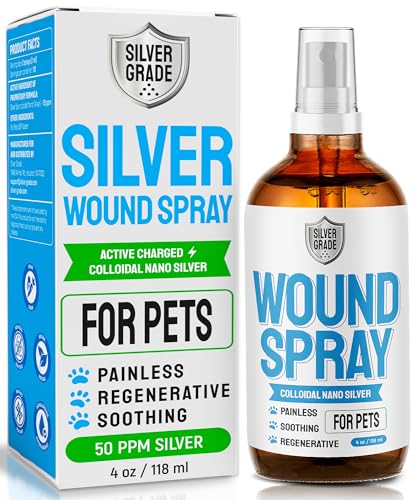
SILVER GRADE Wound Spray for Pets – Colloidal Silver Wound Care for Dogs & Cats – Helps with Skin Irritation, Hot Spots, Rashes, Scratching, Itch, Bites & Burns – Use a Dog Cone – 4 oz
COMPREHENSIVE HELP: The Wound Spray is ideal for cat & dog hot spot treatment. Helps with scratches, cuts…
As an affiliate, we earn on qualifying purchases.
As an affiliate, we earn on qualifying purchases.
Conclusion
Remember, acting quickly can make all the difference—your calm response is essential. While it’s easy to panic when your pet’s hurt, staying composed ensures you provide the best aid possible. Just as a steady hand guides a lost pet home, your confident actions can ease their pain. In emergencies, your calmness becomes their comfort. So, before the vet, be prepared, stay calm, and trust yourself—you’re their first line of defense.
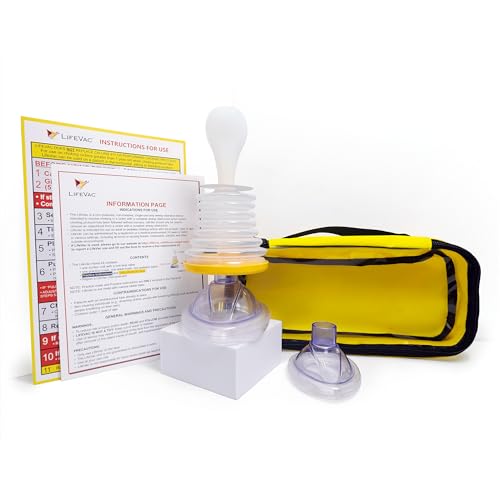
LifeVac Yellow Travel Kit – Portable Suction Rescue Device, First Aid Kit for Kids and Adults, Portable Airway Suction Device for Children and Adults
Airway Clearance Solution LifeVac is an anti-choking device designed to provide an airway clearance solution as a second…
As an affiliate, we earn on qualifying purchases.
As an affiliate, we earn on qualifying purchases.

PawMergency – Activated Charcoal First Aid Kit Emergency Rescue for Dogs, Cats, Puppy & Pet Poison Kit, Camping Survival Remedy Essential,Oral Anti Diarrhea Digestive Paste Ready Absorb Toxins
PREPARED HERO PEACE OF MIND – Pets are pets. They get into things, especially when you're not looking….
As an affiliate, we earn on qualifying purchases.
As an affiliate, we earn on qualifying purchases.