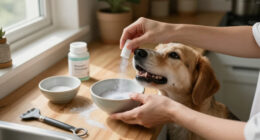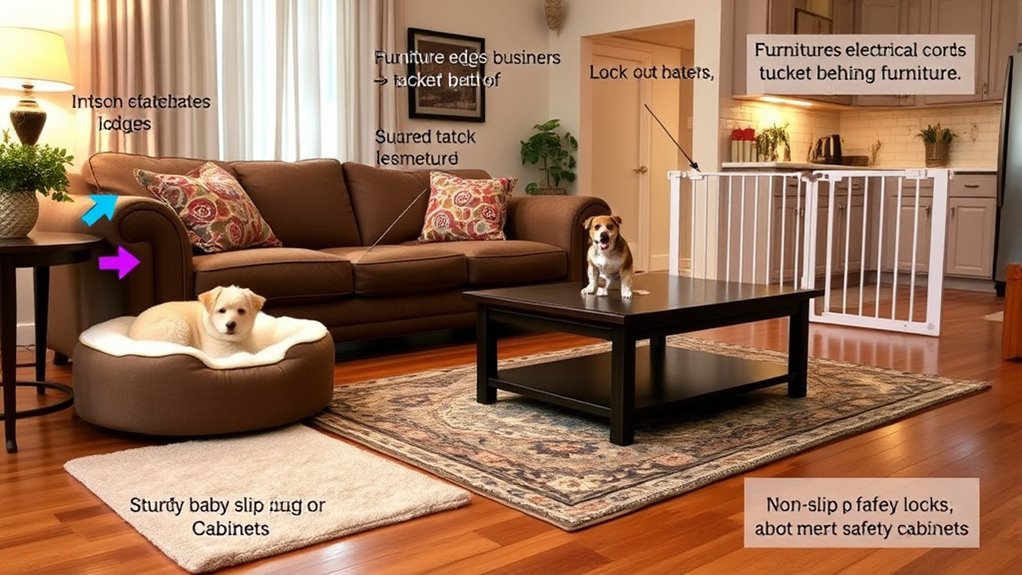

To pet-proof every room, start by inspecting for hazards like cords, small objects, and sharp edges, and secure or hide them out of reach. Remove toxic plants, store chemicals safely, and keep trash cans secured with lids. Place pet-friendly furniture and ensure windows and balconies are properly screened. Organize clutter and check toys and bedding regularly for damage. Staying vigilant helps maintain a safe environment—continue to explore for more expert tips to protect your furry friend.
Open a free Amazon Business account
Business pricing, bulk buying and tax-exempt orders.
As an affiliate, we earn on qualifying purchases.
Key Takeaways
- Secure electrical cords with protectors and hide or store small objects out of pets’ reach.
- Pad sharp furniture edges and remove or secure hazardous decor items and houseplants.
- Store chemicals, medications, and cleaning supplies in high, locked cabinets.
- Keep trash cans with secure lids and ensure food and water bowls are stable and clean.
- Install screens or guards on windows and balconies to prevent falls or escapes.
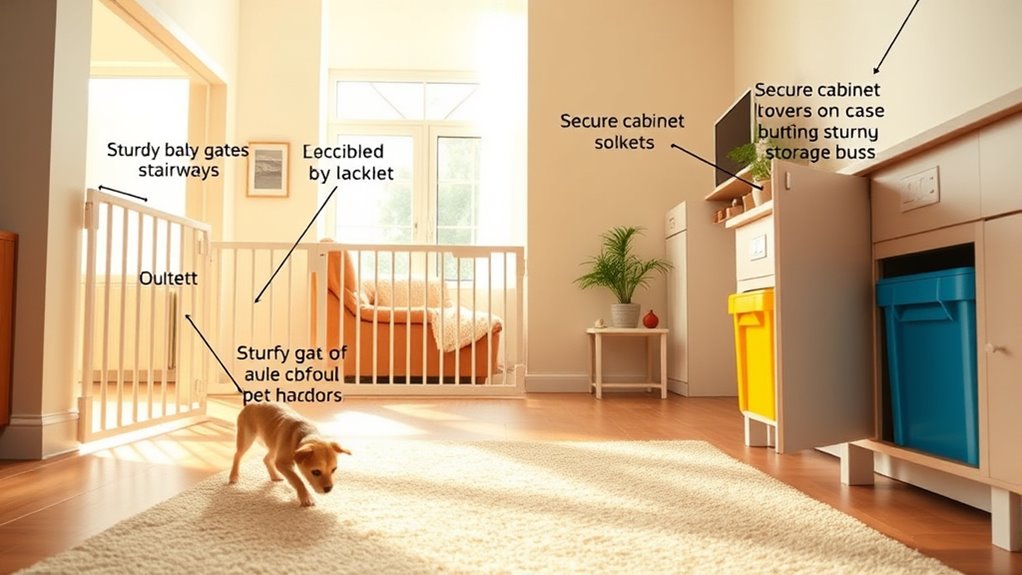
Are you confident your home is as safe as it can be? If you share your space with pets, it’s essential to ensure every room is pet-proofed to prevent accidents and keep your furry friends safe. Start by inspecting each room carefully, looking for hazards that could harm your pets. Small objects like rubber bands, loose strings, or tiny toys can be choking risks, so keep them out of reach or stored securely. Check that electrical cords are tucked away or covered, as curious pets might chew through them, risking electrocution or burns. Consider using cord protectors or baby-proofing clips to keep cords organized and out of paws’ reach.
Ensure your home is pet-safe by removing hazards and securing cords, small objects, and toxic plants.
Next, evaluate your furniture and household items for potential dangers. Sharp edges on coffee tables or furniture corners should be padded with corner protectors to prevent injuries. Remove or secure items that could fall or be pulled down, such as lamps, picture frames, or decorative objects, especially if your pet tends to jump or climb. Be mindful of plants; some common houseplants are toxic to pets, so research each one and remove any hazardous greenery from accessible areas. If you have cleaning supplies, medications, or other chemicals, store them in high cabinets or containers with child-proof locks, ensuring pets can’t get into them. Additionally, vacuum cleaners should be stored properly, as their cords and moving parts could pose safety issues or cause injury if accessed unexpectedly.
Pay attention to your pet’s access to food and water. Keep human food, especially toxic items like chocolate, grapes, or onions, out of reach. Use secure trash cans with lids that latch tightly to prevent pets from rummaging through garbage, which often contains dangerous scraps or spoiled food. Also, check that your pet’s food and water bowls are clean and placed in safe, stable locations. If your home has windows or balconies, make sure screens are secure and that there’s no way your pet can fall or slip through openings. Installing window guards or pet-proof screens provides an extra layer of safety.
Finally, think about your pet’s comfort and mental well-being. Make sure their designated zones are free from hazards and include safe toys and bedding. Regularly inspect these areas for wear or damage, replacing items as needed. By systematically pet-proofing every room, you create a safer environment where your pets can explore and play without constant worry. Staying vigilant and proactive ensures that your home remains a sanctuary for both you and your beloved animals.
pet-proof electrical cord protectors
As an affiliate, we earn on qualifying purchases.
As an affiliate, we earn on qualifying purchases.
Frequently Asked Questions
How Often Should I Reassess My Home for Pet Hazards?
You should reassess your home for pet hazards at least once every three to six months. Regular checks help you spot new dangers, like loose wires or toxic plants, and guarantee your pet’s environment stays safe. After major house projects, renovations, or if you get a new pet, do a quick hazard review too. Staying vigilant keeps your furry friend protected and your home secure.
What Are Common Overlooked Dangers in Pet-Proofing?
You might overlook small items like loose cords, which can tempt your pet to chew and cause choking. Hidden trash or cleaning supplies under sinks can also pose risks if your pet gets into them. Don’t forget about plants that are toxic to animals or small objects like coins or jewelry lying around, which can be swallowed. Regularly check these often-overlooked hazards to keep your pet safe and secure.
Can Certain Plants Be Safe for Pets Indoors?
Some plants can be safe for your pets indoors. You should select pet-friendly plants like spider plants, Boston ferns, or areca palms, which are generally harmless. Always double-check before bringing new greenery home, as even seemingly safe plants can pose risks if ingested in large quantities. Keep plants out of reach, maintain mindful monitoring, and make your home a haven of happiness and health for your furry friends.
How Do I Pet-Proof a Multi-Story Home Effectively?
To pet-proof your multi-story home, start by securing cords and small objects that pets might swallow. Install baby gates to block access to stairs or dangerous areas, and use non-slip rugs to prevent falls. Keep harmful substances like cleaning supplies out of reach. Also, make certain windows have secure screens and provide designated safe zones with toys and water. Regularly inspect each level for hazards to keep your pets safe throughout your home.
What Emergency Supplies Should Be Kept for Pet Accidents?
You should keep emergency supplies like clean towels, disinfectant, and paper towels for pet accidents. Have a first aid kit with bandages, antiseptic, and tweezers ready for injuries. Store enzyme cleaner to eliminate stains and odors, and keep a supply of essential medications and contact info for your vet. By having these supplies accessible, you guarantee quick, effective responses that protect your pet’s health and your home’s cleanliness.
Conclusion
By pet-proofing every room, you create a safer environment that reduces risks and gives you peace of mind. Some believe that a well-prepared home can even influence your pet’s behavior positively, making them calmer and more confident. While science isn’t definitive, evidence suggests that a secure, protected space helps pets feel more at ease. So, take these steps seriously—your furry friend’s safety and happiness might just depend on it.
NFL season / tailgating Picks
team gear
As an affiliate, we earn on qualifying purchases.