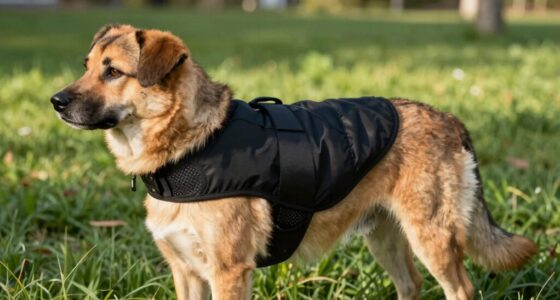
Before your pet’s spay or neuter, you’ll need to follow vet instructions, such as fasting and a health check, to guarantee safety. On surgery day, expect anesthesia, a brief procedure, and gentle monitoring afterward, with some grogginess normal. Post-surgery, keep your pet calm, prevent licking, and watch for signs of infection or complications. Proper care helps your pet heal quickly—continue on to learn how to support their recovery every step of the way.
Key Takeaways
- Pets must fast for several hours before surgery to ensure safety during anesthesia.
- The procedure typically takes 20 to 90 minutes, depending on the pet’s age and health.
- Post-surgery, keep the incision dry, monitor for signs of infection, and prevent licking with an Elizabethan collar.
- Recovery usually takes days to a week, with pets returning to normal activities once healed.
- Proper pre- and post-operative care minimizes risks and promotes quick, comfortable healing.
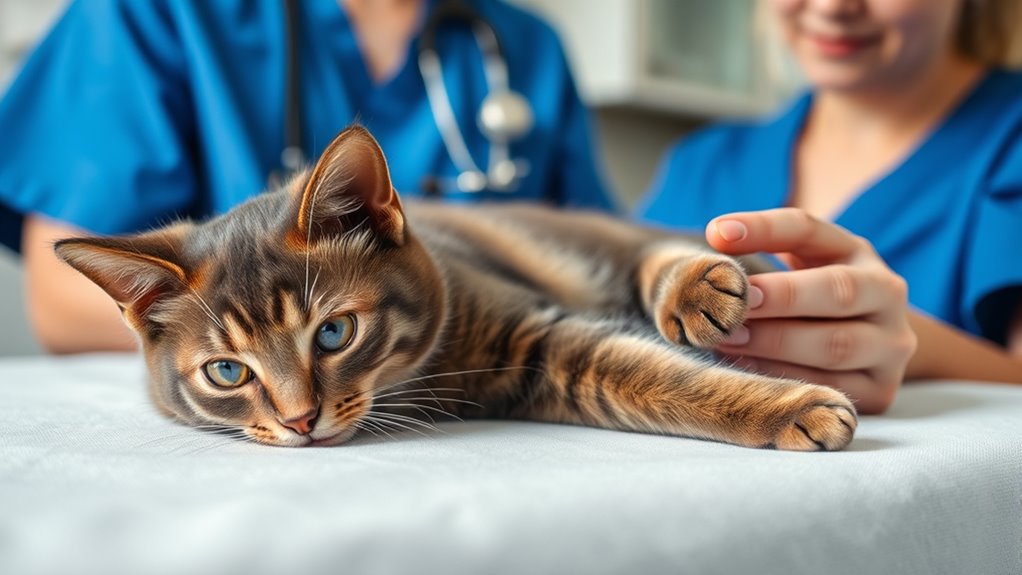
Spaying and neutering are essential procedures that help control pet populations and improve animal health. If you’re considering having your pet spayed or neutered, it’s natural to wonder what to expect before and after the surgery. Understanding the process can ease your concerns and help you prepare for a smooth experience.
Before the procedure, your veterinarian will likely perform a thorough health check to ensure your pet is fit for anesthesia. You’ll need to fast your pet for a few hours before the surgery, usually withholding food and water after midnight. This step helps prevent complications during anesthesia. During the pre-surgical exam, the vet may also discuss any concerns you have and review your pet’s medical history, including medications they’re on. It’s important to follow all instructions provided by your vet to minimize risks. Some clinics may require blood tests beforehand, especially for older pets or those with underlying health issues, to ensure they can safely undergo anesthesia.
A thorough health check and fasting are essential before your pet’s spay or neuter procedure.
On the day of the surgery, you’ll bring your pet to the clinic, where a skilled veterinary team will administer anesthesia and perform the spay or neuter. During the procedure, the vet will make a small incision—on the abdomen for spays, on the scrotum for neuters—and remove the reproductive organs. The operation typically lasts between 20 and 90 minutes, depending on your pet’s age and health. Afterward, your pet will be monitored closely as they wake from anesthesia. You might notice some grogginess or disorientation once they’re back in your care, but this is normal and should resolve within a few hours.
Post-surgery, your veterinarian will give you specific instructions for recovery. You’ll need to keep your pet calm and prevent them from licking or biting the incision site, which could cause infection. Using an Elizabethan collar, or “cone,” is often recommended. You should also limit physical activity and avoid baths or swimming until your vet clears your pet. It’s common for pets to experience mild swelling, soreness, or discomfort, which can usually be managed with prescribed pain medication. Keep an eye out for signs of infection, such as redness, swelling, or discharge, and contact your vet if you notice anything unusual.
Most pets recover quickly, returning to their normal routines within a few days to a week. Spaying and neutering not only help prevent unwanted litters but also reduce the risk of certain health problems, like infections and cancers. Knowing what to expect before and after the procedure allows you to provide the best care possible, ensuring your pet’s comfort and well-being throughout their recovery.

Depets Adjustable Recovery Pet Cone E-Collar for Cats Kittens Rabbits, Plastic Elizabeth Protective Collar Wound Healing Practical Neck Cover, Neck Girth 6.1 in
1> SIZE: Small size, Neck Circumference: 5.3-6.8 IN, Depth/ Width: 4.1 IN. This cat collar cone is most…
As an affiliate, we earn on qualifying purchases.
As an affiliate, we earn on qualifying purchases.
Frequently Asked Questions
How Long Does the Spay/Neuter Recovery Process Typically Take?
The recovery process for a spay or neuter typically takes about 10 to 14 days. During this time, you should monitor your pet closely, keep them calm, and limit activity to prevent complications. You’ll need to check the incision site daily for swelling or infection, and follow your vet’s instructions on medications and care. Most pets return to normal within a couple of weeks, feeling better and healthier.
Are There Any Long-Term Health Risks Associated With Spaying or Neutering?
You might worry about long-term health risks, but they’re rare and usually outweighed by the benefits. Spaying or neutering your pet is like planting a seed for a healthier future, reducing risks of certain cancers and infections. While some studies suggest slight behavioral changes, the overall health advantages far surpass potential concerns. Regular vet visits help keep your pet happy and healthy, making this decision a wise investment.
Can My Pet Still Reproduce After the Procedure?
No, your pet cannot reproduce after the spay or neuter procedure. Spaying removes the ovaries and usually the uterus, while neutering involves removing the testicles. These surgeries prevent pregnancy and eliminate the ability to reproduce. If you’re considering the procedure, rest assured it’s a permanent solution. If you change your mind later, reversal isn’t possible, so it’s important to be certain before proceeding.
Is Anesthesia Always Required for the Surgery?
Yes, anesthesia is always required for spay and neuter surgeries. It guarantees your pet stays pain-free and immobile during the procedure. Veterinarians carefully monitor your pet’s essential signs throughout to keep them safe and comfortable. Modern anesthesia techniques are very safe, and your vet will tailor the approach to your pet’s age and health. Rest assured, anesthesia is crucial for a smooth, stress-free surgery for your furry friend.
How Can I Prepare My Pet for Surgery Day?
To prepare your pet for surgery day, make sure they’re well-hydrated and fed a small meal a few hours beforehand, unless your vet advises otherwise. Keep them calm and comfortable, and avoid giving any medications unless directed. Bring your pet’s medical records and arrive on time. Follow your vet’s instructions carefully, and plan to stay with your pet until they’re safely anesthetized. This helps ensure a smooth, safe procedure.
Depets Adjustable Recovery Pet Cone E-Collar for Cats Kittens Rabbits, Plastic Elizabeth Protective Collar Wound Healing Practical Neck Cover, Neck Girth 6.1 in
1> SIZE: Small size, Neck Circumference: 5.3-6.8 IN, Depth/ Width: 4.1 IN. This cat collar cone is most…
As an affiliate, we earn on qualifying purchases.
As an affiliate, we earn on qualifying purchases.
Conclusion
Knowing what to expect before and after your pet’s spay or neuter helps you prepare confidently. Remember, over 90% of pets recover quickly and experience fewer health issues long-term. This simple surgery not only controls pet populations but also improves your pet’s quality of life. By understanding the process, you guarantee a smoother recovery and a happier, healthier life for your furry friend. It’s a small step with a big impact—your pet will thank you for it.

SunGrow Cat Self-Adhesive Bandage, Wound Care, Cuts, Post-Surgery, Hot Spots, 2”(W), Stretchable from 4” to 7”, Breathable Vet Wrap Gauze, 2 Rolls Per Color (Yellow, Blue, Green), 6 Pcs Per Pack
Versatile Cat Bandage — Ideal for sprains, cuts, swelling, hot spots, or post-surgery care, SunGrow's Cat Self-Adhesive Bandage…
As an affiliate, we earn on qualifying purchases.
As an affiliate, we earn on qualifying purchases.
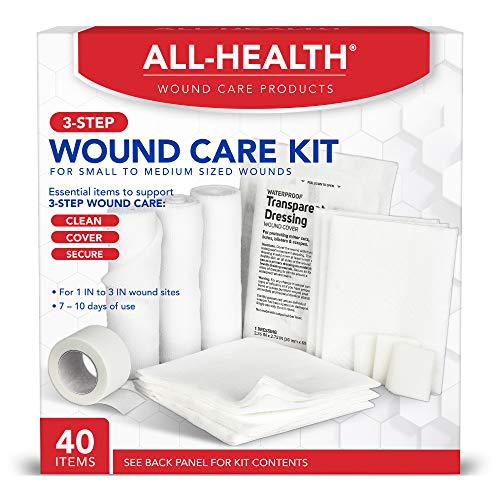
All Health Wound Care Kit & First Aid Supplies, 40 Piece | for Small to Medium Sized Wounds, Professional Use for Car, Home, Camping, Hiking and More
All-Purpose Wound Care Kit for Home, Travel & Work | Complete first aid set ideal for treating minor…
As an affiliate, we earn on qualifying purchases.
As an affiliate, we earn on qualifying purchases.