Shedding seasons are driven by natural cues like temperature and daylight, but they’re more flexible than myths suggest. Animals shed fur or feathers seasonally to adapt to changing climate conditions and manage temperature and parasites. Today’s climate changes and urban heat make these cycles less predictable, causing animals to shed earlier or later. These adjustments help wildlife survive in a shifting world, and understanding these processes reveals how adaptable they truly are—if you’re curious, there’s more to discover.

Get pet supplies delivered free — and shop member deals
- Fast, free delivery on millions of items
- Access to Prime Big Deal Days deals on October 6–7
- Prime Video, Amazon Music and more included
Key Takeaways
- Shedding is a natural process driven by environmental cues, not solely by fixed calendar seasons.
- Climate change and urban warming can cause animals to shed earlier or later than usual.
- Shedding helps animals adapt to temperature fluctuations and parasite management.
- Disrupted shedding cycles can negatively impact animal health, survival, and reproductive success.
- Recognizing environmental influences clarifies the biological purpose of shedding beyond common myths.
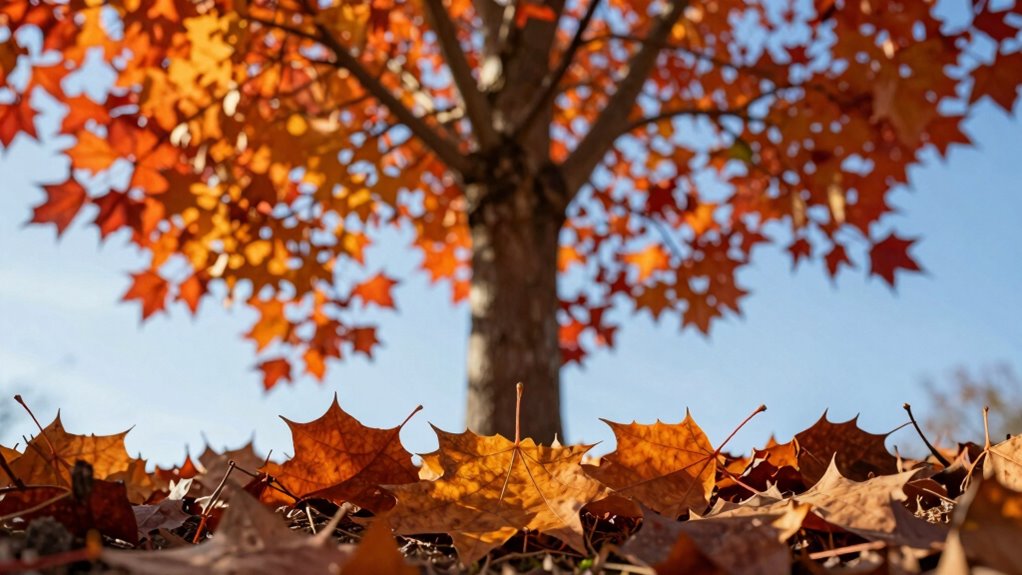
Have you ever wondered why some animals and plants shed their fur, feathers, or leaves at certain times of the year? Shedding is a natural process that helps them adapt to changing conditions, but it’s also influenced by the surroundings around them. In urban environments, for example, the usual cues for shedding may shift because of human activity and artificial heat sources. Instead of experiencing the cold winters that traditionally trigger animals to shed their thick winter coats, many now face milder temperatures due to climate change. This means their shedding cycles can become irregular, leading to confusion in their natural rhythms. Plants, too, respond to these changes by dropping leaves at different times, sometimes outside their typical seasons, because the climate no longer follows the predictable patterns it once did.
Climate change plays a significant role in disrupting these natural shedding cycles. As global temperatures rise, seasons become less distinct, blurring the lines between winter and summer. Animals that rely on the changing seasons to trigger shedding are left uncertain about when to lose or grow their fur or feathers. For instance, some birds may start molting earlier or later than usual, impacting their ability to find food or migrate effectively. Similarly, trees and shrubs may shed leaves at unexpected times, which can influence entire ecosystems. These shifts can cause animals to be less prepared for the cold or heat, affecting their survival and reproductive success. Additionally, climate variability can lead to more frequent and extreme weather events that further disrupt these natural cycles. Such unpredictable patterns make it harder for wildlife to adapt, which can threaten their long-term survival. Recognizing the influence of environmental cues is essential to understanding these complex interactions. Moreover, seasonal rhythms are closely tied to ecological balance and species interactions, emphasizing how delicate these processes truly are.
Climate change blurs seasonal cues, disrupting shedding and affecting animals’ survival and ecosystems worldwide.
In urban areas, the impact of climate change is compounded by the heat generated from buildings, vehicles, and infrastructure. This localized warming can cause animals to shed sooner or more frequently than they would in a natural setting. You might notice, for example, city-dwelling squirrels losing their fur earlier than their forest counterparts, or birds molting during unseasonal warm spells. These changes aren’t random; they’re responses to the altered environment. Shedding, in this context, becomes a survival tactic, helping animals manage their body temperature or reduce parasite loads when the usual cues are absent or delayed. Recognizing these urban-specific effects can help us better understand environmental adaptation and how species cope with human-induced changes. Being aware of these factors allows us to appreciate the resilience and flexibility of wildlife in changing environments, even when the natural order seems disrupted.
As an affiliate, we earn on qualifying purchases.
Frequently Asked Questions
Do All Animals Shed During the Same Seasons Worldwide?
No, animals don’t shed during the same seasons worldwide. Factors like fur color, climate, and species influence shedding times. For example, some animals shed in spring to prepare for warmer weather, while others shed in fall for winter coats. Shedding duration varies too, from a few weeks to several months. You’ll notice these differences based on an animal’s environment and their fur’s thickness, which adapts to seasonal changes.
How Does Shedding Differ Between Wild and Domesticated Animals?
Wild animals shed based on environmental cues like temperature and daylight, leading to more variable shedding patterns. Domesticated animals, however, have shedding influenced mainly by hormonal changes due to controlled environments and diets. Their fur density often remains more consistent, but hormonal influences like seasonally changing daylight still trigger shedding. This difference means wild animals adapt more naturally to seasons, while domesticated ones rely more on human-managed conditions for shedding cycles.
Can Shedding Cause Health Issues or Indicate Illness?
Shedding can signal health issues if you notice excessive hair loss or bald patches, much like a tree losing leaves prematurely. Genetic predispositions and hormonal fluctuations play a role, but sudden or abnormal shedding might hint at illness. Keep an eye on your pet’s overall condition—changes in behavior or coat health could be clues. If concerns arise, consult a veterinarian to rule out underlying issues and guarantee your animal’s well-being.
Are There Environmental Factors That Influence Shedding Timing?
Environmental factors like climate triggers and hormonal cues profoundly influence shedding timing. You’ll notice that changes in temperature, daylight hours, or seasonal shifts can prompt your body’s hormonal cues, signaling when shedding should occur. For example, shorter days in fall may trigger hormonal responses that initiate shedding, preparing your body for winter. Understanding these environmental influences helps you better anticipate natural shedding patterns without attributing them to health issues.
How Do Animals Prepare for Shedding Seasons Naturally?
You naturally prepare for shedding seasons through hormonal changes that signal your body to start fur regeneration. These hormonal shifts, triggered by environmental cues like daylight and temperature, help your coat grow back thicker or thinner as needed. Your body adjusts gradually, ensuring a smooth shift. By responding to these cues, you maintain a healthy coat, staying comfortable and protected throughout seasonal changes without the need for external intervention.
Conclusion
Now that you understand shedding seasons aren’t mythical monsters but natural processes, you’re better equipped to handle the hair changes with patience and care. Remember, your hair’s shedding is like a tiny volcano erupting—powerful but temporary. Embrace the cycle, nourish your scalp, and trust that new hair will emerge stronger and healthier. Before you know it, your hair will be back to full bloom, shining brighter than a thousand suns!
Fall Picks
fall essentials
As an affiliate, we earn on qualifying purchases.