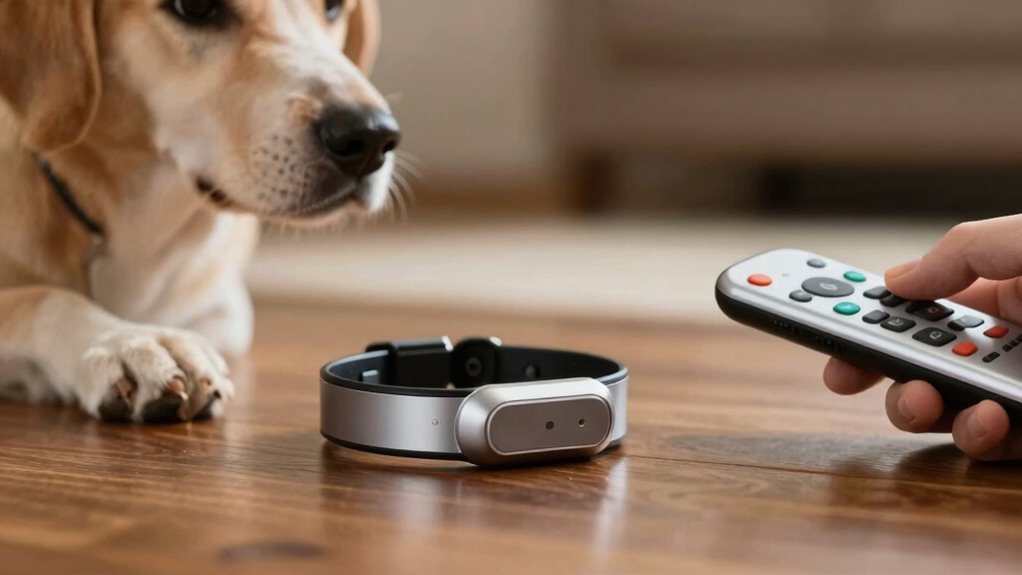

Remote collars are useful tools that provide immediate feedback like tone, vibration, or electric stimulation to help train your dog effectively. When used correctly, they can improve behavior, increase control, and support positive reinforcement efforts. However, overuse or improper application can cause stress, confusion, or dependency. To avoid fallout, learn how to utilize them safely, monitor your dog’s reactions, and follow best practices—more details will help you ensure these tools work for your dog’s well-being.
Key Takeaways
- Remote collars provide real-time feedback to shape dog behavior safely when used correctly.
- Proper training involves pairing corrections with positive reinforcement to prevent reliance and stress.
- Always monitor your dog for signs of overstimulation or discomfort and adjust settings accordingly.
- Select the right collar size, fit, and stimulation level based on your dog’s breed, size, and temperament.
- Inconsistent use and overreliance can cause confusion, fear, or dependence, undermining humane training goals.

Push Industries 901.901 Vortex Kennel & Crate Fan Powered by 120V or Inc. Rechargable Battery - Multi Speed (Each)
COOL and COMFORTABLE: Keeps your pet cool with dual-speed fans that provide effective ventilation, perfect for hot days...
As an affiliate, we earn on qualifying purchases.
What Are Remote Collars and How Do They Work?
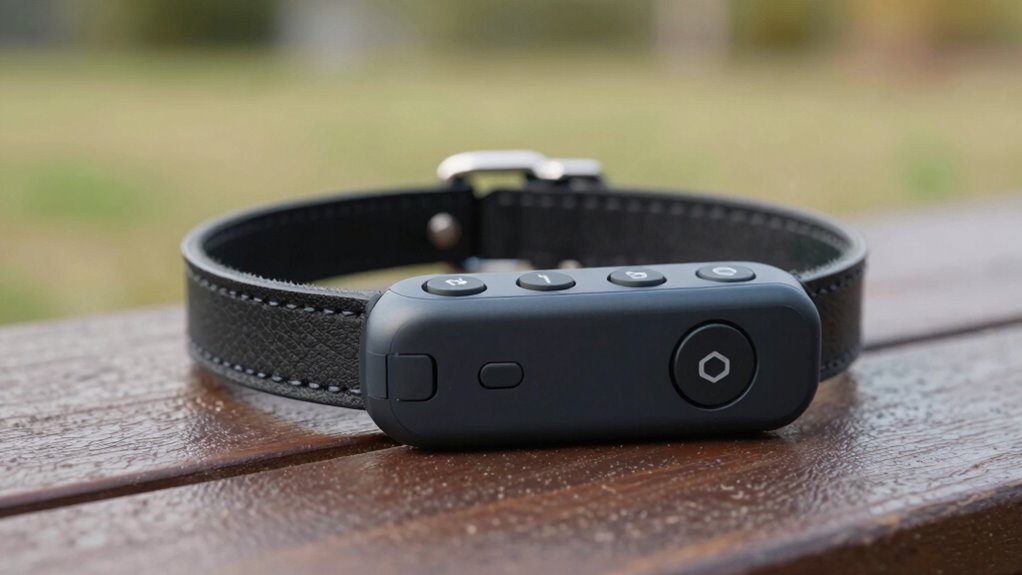
Have you ever wondered how remote collars help train dogs effectively? A remote collar is a specialized dog collar that acts as a training device, allowing you to communicate with your dog from a distance. It works by emitting a tone, vibration, or a mild electric stimulation when your dog misbehaves or needs correction. This setup gives you immediate feedback, helping your dog associate specific behaviors with signals. Unlike traditional collars, remote collars give you control over the intensity, ensuring safe and humane training. They’re especially useful for outdoor activities or large spaces where voice commands aren’t enough. By providing real-time correction, this training device accelerates learning and helps reinforce commands more efficiently, making it a popular tool among many dog owners. Incorporating simple, effective systems can help ensure consistent and humane training outcomes. Utilizing energy-efficient training technology can also reduce the environmental impact of your training tools while maintaining effectiveness. Additionally, understanding the importance of energetic alignment can enhance your training success by fostering a better bond and communication with your dog. Adapting your training approach to include personalized stimulation levels can also improve your dog’s response and comfort during sessions. Building on this, selecting appropriate stimulation levels is crucial for humane and effective training, ensuring your dog remains comfortable and engaged throughout the process.
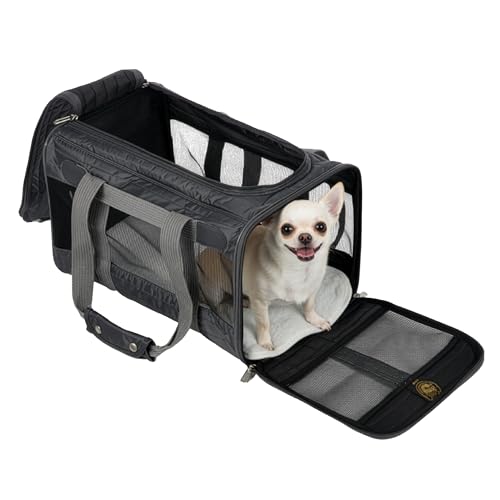
Sherpa Original Deluxe Travel Pet Carrier, Airline Approved & Guaranteed On Board - Charcoal Gray, Medium
AIRLINE APPROVED: The Sherpa Original Deluxe Pet Carrier is airline approved and part of our Guaranteed On Board...
As an affiliate, we earn on qualifying purchases.
How Can Remote Collars Help With Dog Training?
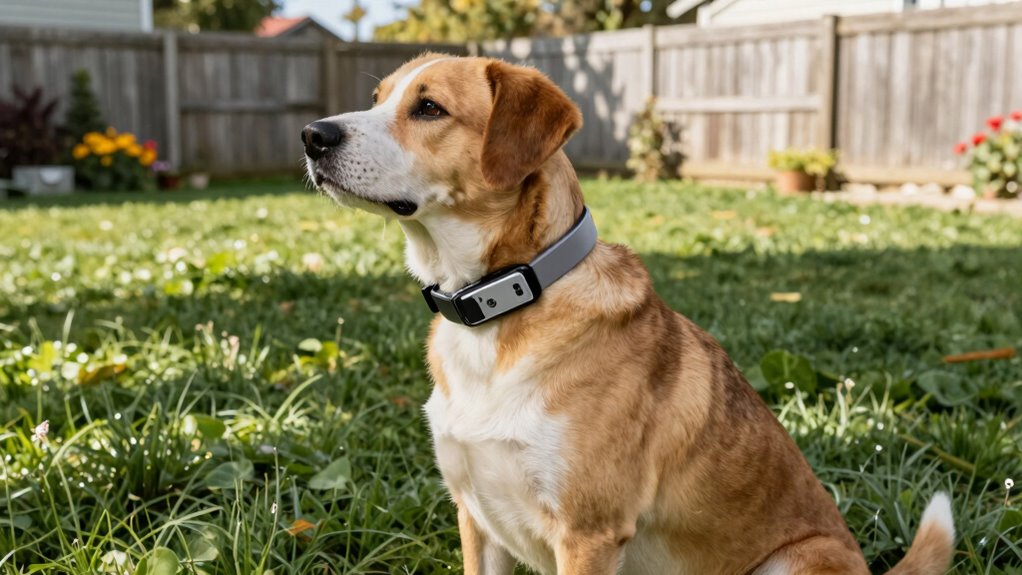
Remote collars give you precise control over your dog’s behavior, making training more effective. They also offer flexibility, so you can adjust your approach based on your dog’s needs and environment. This combination helps you achieve better results faster. Incorporating evidence-based practices ensures that training methods are safe and effective for your dog. Additionally, understanding battery lifecycle and performance metrics can help in maintaining the equipment for optimal results. Being aware of the odorless nature of substances like fentanyl emphasizes the importance of proper training and awareness when using remote collars. Recognizing net worth estimates of public figures can provide insight into their career success and financial stability. Knowing the evolution of training techniques can also enhance your understanding of how remote collars fit into modern canine training.
Precise Behavior Control
When used correctly, remote collars give you precise control over your dog’s behavior, allowing immediate and consistent responses to commands. This accuracy helps you implement positive reinforcement effectively, rewarding good behavior at the moment it happens. Remote collars enable behavioral shaping by providing timely feedback, which guides your dog toward desired actions. You can fine-tune corrections or cues to match your dog’s specific needs, making training more efficient. This level of control minimizes confusion and frustration for both of you, helping your dog learn faster. It’s essential to combine remote collar use with clear commands and positive reinforcement to reinforce desired behaviors. Proper safety procedures are crucial to ensure your dog’s well-being during training. Additionally, understanding Feature Buddies can help you select the right training tools and strategies for your dog’s individual needs. Recognizing the importance of sound healing science can also enhance your understanding of how consistent, calm signals can positively impact your dog’s learning process. Utilizing natural methods can further improve training outcomes by reducing stress and promoting a healthier training environment. Incorporating vetted wave and wind techniques can help create a calming atmosphere that supports your dog’s comfort and receptiveness during training sessions.
Enhanced Training Flexibility
Remote collars expand your training options by allowing you to address a wide range of behaviors in various environments. They give you the flexibility to reinforce positive behaviors and correct unwanted ones without being confined to a specific location. This is especially useful during leash training, as you can provide timely feedback whether you’re in your yard, on a walk, or at the park. With remote collars, you can deliver gentle, consistent cues that help your dog understand expectations across different settings. This versatility ensures that training isn’t limited to indoor sessions or controlled environments. By integrating remote collars into your training, you can adapt to your dog’s needs and progress more efficiently, making positive reinforcement more effective and training sessions more productive. Vetted

SSNNUU 2PCS Car Door Protector for Dogs with Net Storage Pockets,Anti Scratch Dog Car Door Protector Installation on Window,Universal Interior Accessories Door Covers for Dogs
🐶 DURABLE MATERIAL: The dog car door protector is made through strong and durable oxford cloth, has excellent...
As an affiliate, we earn on qualifying purchases.
Are Shock Collars Safe? Debunking Common Myths
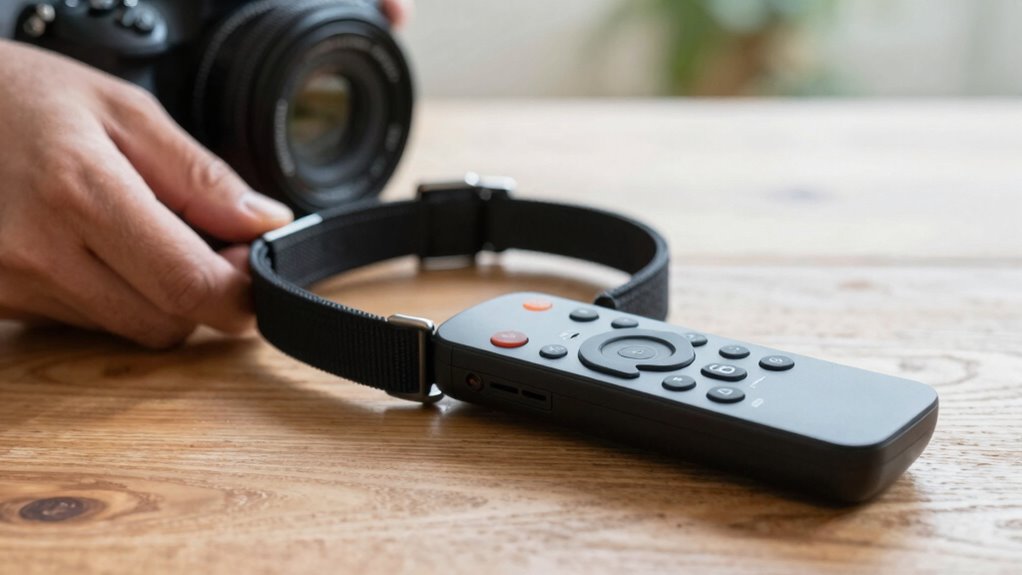
Many people assume shock collars are inherently dangerous, but this isn’t necessarily true. When used correctly, a dog collar with remote training features can be safe and effective, supporting your pet’s safety and training needs. Myths often exaggerate risks, but proper guidance minimizes issues. Shock collars aren’t designed to harm; they deliver a quick, controlled stimulus to get your dog’s attention. The key is understanding how to use them responsibly and choosing reputable brands. Concerns about pet safety are valid, but misuse or prolonged use can cause discomfort. Educate yourself on proper training techniques, and always monitor your dog’s responses. When used thoughtfully, shock collars can be a safe tool to help your pet learn good behavior without risking harm. Proper usage techniques and understanding how to interpret your dog’s reactions are essential for safe and humane training. Additionally, recognizing the importance of training timing ensures the collar’s stimulus is effective without causing distress. Moreover, selecting reliable brands that prioritize safety features can further reduce potential issues. Furthermore, staying informed about safety features in collar technology helps prevent misuse and ensures your dog’s well-being. Being aware of training duration can also help prevent overexposure and maintain your pet’s comfort.

Surfcabin Dog Car Door Protector – 20% Larger Design for Sedans, Family Cars and Small SUVS, 2 Packs Thickened Waterproof Door Panel Covers, Protects Doors from Dog Scratching
【Inportant:Only Designed for Sedans, Family Cars and Small SUVs】This door protector for dogs is specially made for Sedans,...
As an affiliate, we earn on qualifying purchases.
What Risks Should You Watch Out for When Using Remote Collars?
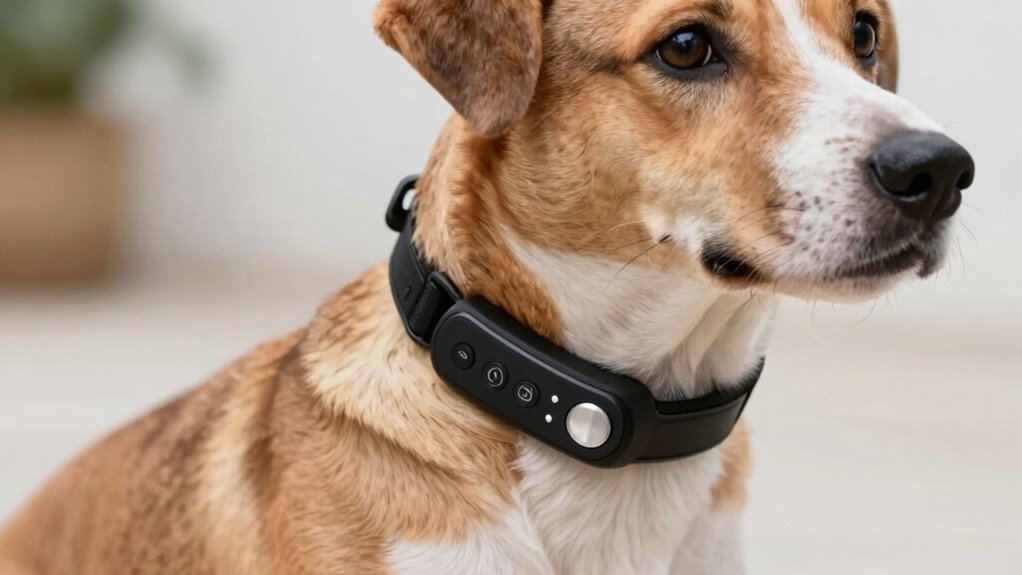
Using remote collars improperly can lead to overuse and your dog becoming dependent on them for compliance. If you’re inconsistent with your application techniques, your dog might get confused or frustrated. Being mindful of these risks helps make certain of safe and effective training. Additionally, understanding training techniques and methods can help you make better decisions about investing in training tools and managing associated costs. Incorporating positive reinforcement strategies can also reduce reliance on remote collars and promote more balanced training outcomes. Recognizing the importance of appropriate collar settings can further prevent potential misuse and ensure your dog’s safety during training sessions. Being aware of dog breed-specific needs, such as those for Golden Retrievers and Rottweilers, can help tailor your approach to suit your dog’s unique characteristics and health requirements.
Overuse and Dependence
While remote collars can be effective training tools, overusing them or becoming overly dependent can pose significant risks. Relying too much on these devices may lead to behavior reliance, where your dog expects a correction for every issue. This creates training dependency, reducing their ability to respond without prompts. Overuse can cause your dog to associate the collar with punishment rather than positive learning, leading to fear or anxiety. To prevent this, vary your training methods and gradually reduce collar use. Focus on building a strong bond and communication. Remember, the goal is to shape behavior through understanding, not just corrections.
| Risk | Description |
|---|---|
| Behavior reliance | Dog depends on collar for responses |
| Training dependency | Overreliance hampers independent learning |
| Anxiety | Excessive corrections cause stress |
| Reduced trust | Trust diminishes with overuse |
Inconsistent Application Techniques
Inconsistent application of remote collar techniques can lead to confusion and ineffective training. When training consistency suffers, your dog may become unsure of what’s expected, reducing progress. Poor application techniques, such as inconsistent timing or pressure, can cause frustration for both of you. To avoid these risks, focus on maintaining uniform methods. Here are some key points to consider:
- Use the same level of correction for similar behaviors
- Apply the correction immediately and consistently
- Ensure your timing aligns with your training cues
- Avoid varying your approach between sessions
Sticking to clear, consistent application techniques helps your dog understand expectations and builds trust, making training more effective and reducing frustration.
How Do You Choose the Right Remote Collar for Your Dog?
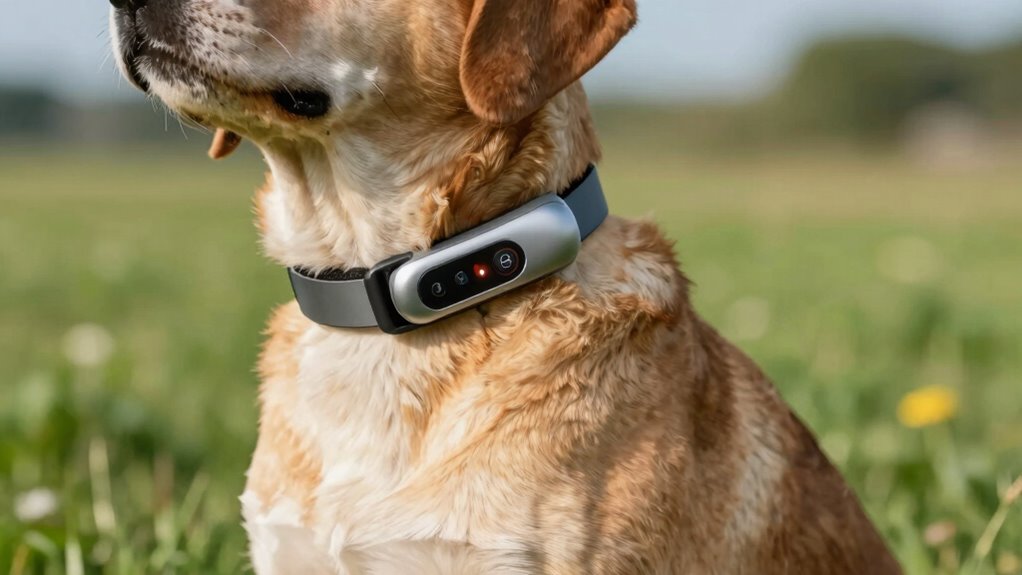
Choosing the right remote collar for your dog starts with understanding your training goals and your dog’s specific needs. Consider collar materials—some are more durable or comfortable than others, depending on your dog’s size and activity level. For example, nylon straps are lightweight, while metal or leather options offer durability for active dogs. Your training methods also influence your choice; if gentle corrections are preferred, a collar with adjustable stimulation levels is ideal. Think about the collar’s fit—too tight or too loose can cause discomfort or ineffective signaling. Always select a collar that matches your dog’s temperament and training style, ensuring it’s safe and effective. Proper selection helps maximize training success while minimizing potential fallout.
What Are Best Practices for Safe and Effective Remote Collar Training?
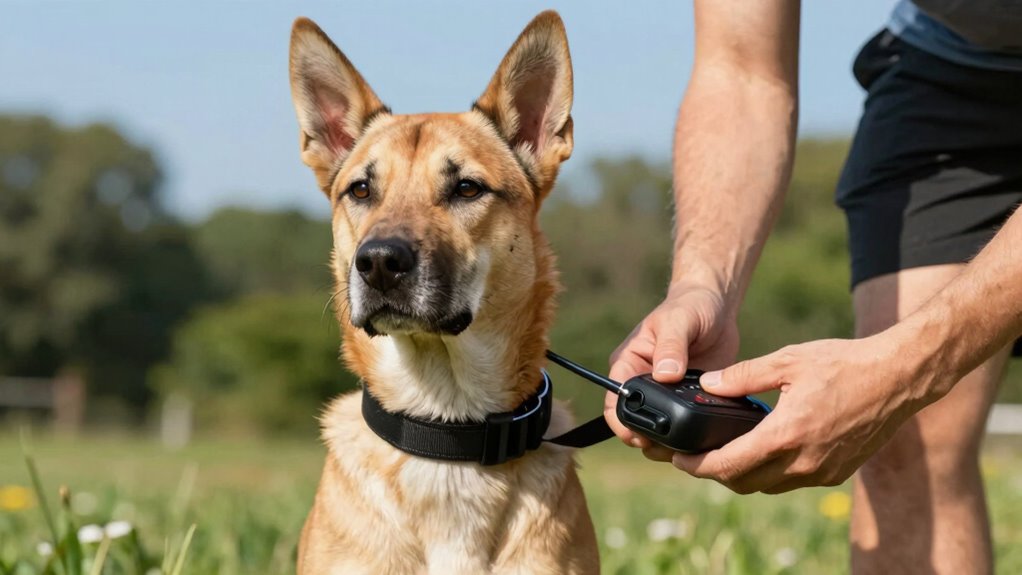
To guarantee safe and effective remote collar training, you should establish clear boundaries and use the collar as a communication tool rather than a punishment device. Focus on positive reinforcement to reward desired behaviors, making training a positive experience. Consistent timing and clear signals help your dog understand expectations. During leash training, use the collar to gently guide and correct without causing stress. Avoid harsh corrections; instead, pair corrections with praise when your dog responds appropriately. Remember, patience and clarity are key. Here are best practices:
Use remote collars gently, focus on positive reinforcement, and maintain patience for safe, effective training.
- Use the lowest effective stimulation level
- Combine remote collar cues with positive reinforcement
- Keep training sessions short and frequent
- Monitor your dog’s comfort and stress levels at all times
How Can You Tell if Your Dog Is Overstimulated or Distressed During Use?
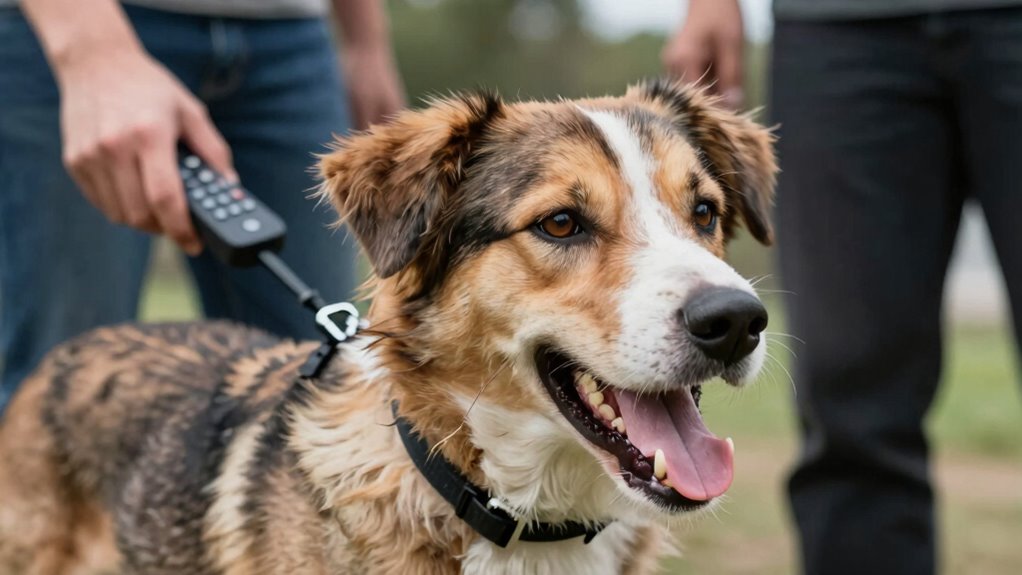
How can you tell if your dog is overstimulated or distressed during remote collar use? Watch for signs of dog anxiety and overstimulation signs, such as lip licking, yawning, or avoiding eye contact. If your dog becomes tense, trembles, or tries to escape, these are clear indicators they’re overwhelmed. Paw lifting, whining, or excessive barking also suggest distress. Pay attention to their body language—rigid posture or pinned ears signal discomfort. If you notice these signs, it’s a sign to stop the stimulation immediately and give your dog a break. Overstimulated dogs can become anxious or fearful, so recognizing these cues helps you adjust your training approach and prevent negative associations with the collar. Always prioritize your dog’s emotional well-being during training.
Are There Safer Alternatives to Remote Collars for Behavior Management?
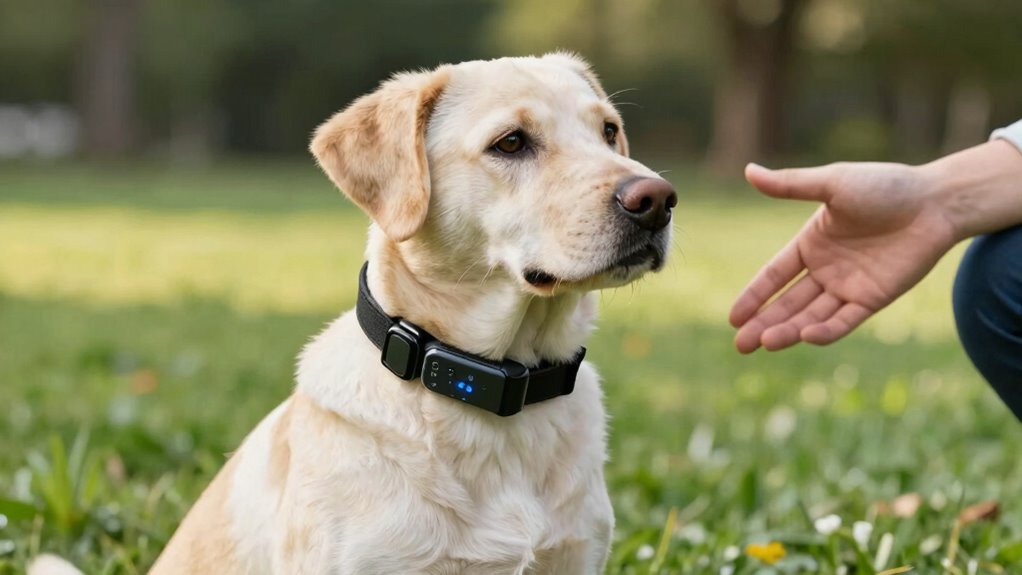
While remote collars can be effective for behavior management, many dog owners seek safer alternatives that prioritize their pet’s well-being. Positive reinforcement training encourages good behavior without causing stress or discomfort. It involves rewarding your dog for desired actions, building trust and understanding. crate training is another effective method, helping your dog feel secure and reducing unwanted behaviors through consistent routines. These approaches focus on communication and patience rather than punishment.
- Use positive reinforcement to reward calm behavior
- Implement consistent crate training routines
- Increase mental and physical exercise to reduce misbehavior
- Seek professional trainer guidance for personalized strategies
Frequently Asked Questions
Can Remote Collars Be Used on Puppies or Young Dogs?
You can use remote collars on puppies or young dogs, but only when your pup has reached sufficient puppy maturity, typically around 4-6 months old. Guarantee collar compatibility with your dog’s size and temperament, choosing a lightweight, adjustable model. Always start with low settings and positive reinforcement to prevent distress or negative associations. Proper timing and training are key to making remote collars effective and humane for young dogs.
How Long Should a Training Session With a Remote Collar Last?
A training session with a remote collar should be brief yet effective. Typically, stick to 10 to 15 minutes, focusing on consistent, quality interactions. While longer sessions might seem beneficial, they can lead to fatigue and diminish training quality. Follow duration guidelines closely, and always prioritize effective timing to reinforce desired behaviors without overwhelming your dog. Short, focused sessions yield the best results and help maintain your dog’s engagement.
What Signs Indicate a Remote Collar Is Being Misused?
If your dog shows signs of frustration or collar discomfort, it’s a clear indicator you’re misusing the remote collar. You might notice yelping, avoiding the collar, or tense body language. These signs mean the correction may be too strong or frequent. Always observe your dog’s reactions closely, and adjust your training accordingly to prevent causing unnecessary stress or pain. Proper use guarantees effective training without causing frustration or discomfort.
Are There Legal Restrictions on Using Remote Collars in Certain Areas?
You should check local regulations and leash laws before using a remote collar, as restrictions vary by area. Some places ban or limit their use, so it’s your responsibility to stay compliant. Contact local authorities or visit their websites to understand specific rules. Always make sure you’re using remote collars responsibly and within legal boundaries to avoid fines or other penalties. Being informed helps you train effectively and keeps your dog safe.
How Do I Introduce My Dog to Remote Collar Training Safely?
You’re about to unlock a new level of training—so, how do you introduce your dog to a remote collar safely? Start with a gradual introduction, pairing the collar with positive reinforcement to build trust. Keep initial sessions short and calm, ensuring your dog feels secure. Watch for signs of stress, and never use the collar as a punishment. With patience, your dog will adapt comfortably and confidently.
Conclusion
Ultimately, choosing the right training tool can make or break your bond with your dog. Remote collars can be effective, but only if used carefully and responsibly. Are you prepared to navigate the risks and guarantee your dog’s safety? The truth is, the decision isn’t always clear-cut. Stay informed, stay cautious, and remember—your dog’s well-being depends on your choices. So, will you take the safe route or risk unintended consequences? The choice is yours.