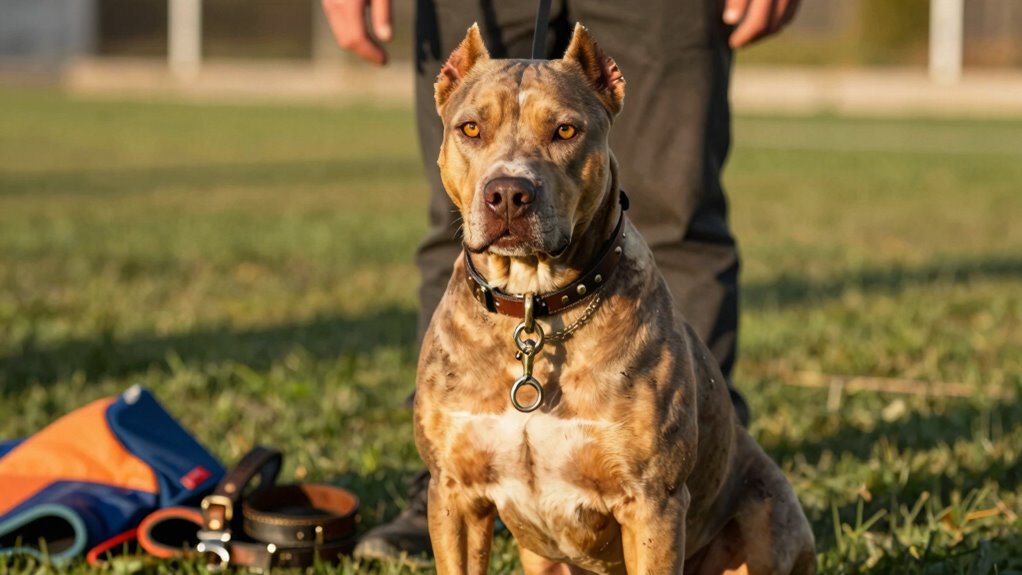

Understanding reinforcement history is key to creating reliable dogs. It started with trial and error, using rewards to shape behaviors based on conditioning principles. Over time, trainers refined methods with consistency, timing, and reward schedules, making behaviors dependable. Techniques like shaping and incremental learning harness natural learning, producing confident, well-behaved dogs. Recognizing this evolution shows how scientific ideas turned into trusted training strategies. Keep exploring, and you’ll uncover the secrets behind dependable canine behavior.
Key Takeaways
- Reinforcement learning, rooted in conditioning principles, shapes consistent, dependable behaviors in dogs over time.
- Systematic training methods using timing and consistency improve reliability in dog responses.
- Shaping and incremental learning break complex tasks into manageable steps for long-term behavior stability.
- Evidence-based approaches integrate behavioral science to refine reinforcement techniques for better results.
- The evolution from basic rewards to sophisticated shaping underpins the trustworthiness and responsiveness of modern dogs.
Have you ever wondered how reinforcement learning evolved over time? It’s a fascinating journey that reveals how humans and animals have learned to shape behavior patterns through various training methods. Early on, trainers relied heavily on trial and error, observing which actions led to desired outcomes and reinforcing those behaviors with rewards. This approach, rooted in basic conditioning principles, laid the groundwork for understanding how consistent reinforcement can modify behavior. Over time, trainers developed more systematic methods, recognizing that timing and consistency play essential roles in establishing reliable responses. This progression allowed for more predictable training outcomes and helped create the “reliable” dogs we see today.
Initially, the focus was on simple reward and punishment systems. Trainers would reward a dog immediately after it performed a desired action, strengthening the behavior through positive reinforcement. Conversely, undesirable behaviors were often ignored or met with mild correction. As the science of behavior patterns deepened, training methods became more refined, emphasizing reinforcement schedules that maintained motivation and clarity. For example, variable reinforcement schedules—where rewards are given unpredictably—proved particularly effective in creating enduring behaviors that persisted even without constant reinforcement. This shift marked a significant evolution in training approaches, making dogs more dependable and responsive over time.
As reinforcement learning advanced, trainers began to understand the importance of shaping behaviors incrementally. Instead of expecting a dog to perform complex tasks instantly, they broke down actions into smaller steps, reinforcing each successful attempt. This method, called shaping, leverages the natural learning process, making training more efficient and reliable. It also helped in establishing consistent behavior patterns, especially in complex commands or tasks. The development of these nuanced training methods allowed handlers to produce dogs that are not only obedient but also adaptable and confident, qualities that contribute to their reputation for dependability. Recognizing how behavioral science has informed modern training techniques highlights the importance of evidence-based approaches in achieving consistent results. Incorporating training consistency is essential for reinforcing desired behaviors and ensuring long-term reliability. Additionally, understanding the history of reinforcement provides valuable insights into how these techniques have become more sophisticated over time. Moreover, embracing scientific principles enables trainers to refine their methods continually, leading to better outcomes.
Today, the history of reinforcement learning highlights the importance of understanding behavior patterns and applying effective training methods. From basic reward systems to sophisticated shaping techniques, each step has contributed to producing dogs that can perform reliably in various situations. Your awareness of this evolution can help you appreciate the science behind your dog’s training and the effort it takes to build trustworthy, well-behaved companions. It’s a reflection of how consistent reinforcement and thoughtful training methods can transform natural instincts into dependable behaviors, making dogs true partners in our lives.
As an affiliate, we earn on qualifying purchases.
Frequently Asked Questions
How Does Reinforcement History Differ From General Training?
Reinforcement history differs from general training because it builds behavior consistency over time through repeated reinforcement. While training involves teaching commands, reinforcement history focuses on establishing reliable responses by consistently rewarding desired behaviors. The more frequently you reinforce certain actions, the more dependable they become. This ongoing reinforcement shapes your dog’s behavior, making it more predictable and reliable, especially in varied situations where consistent responses matter most.
Can Reinforcement History Be Developed With Adult Dogs?
Sure, you can develop reinforcement history with adult dogs—ironic, isn’t it? You’d think they’d be set in their ways, but building behavior consistency through gradual training progression is always possible. By repeatedly rewarding desired behaviors, you strengthen their reinforcement history. This leads to more reliable responses, even in challenging situations. So, don’t give up; with patience and persistence, adult dogs can become just as dependable as their younger counterparts.
What Are Common Mistakes in Building Reinforcement History?
You often make mistakes in building reinforcement history by rushing through behavior chaining or using inconsistent reinforcement schedules. If you skip steps or don’t reinforce each link properly, the behavior becomes unreliable. Also, changing reinforcement schedules unpredictably can weaken learning. To fortify reinforcement history, guarantee each step of behavior chaining is reinforced clearly, and stick to a consistent schedule to help your dog build a solid, dependable response over time.
How Long Does It Take to Establish a Strong Reinforcement History?
Building a strong reinforcement history takes about 4 to 8 weeks, depending on your consistency. Like planting a garden, your dog needs regular, predictable training sessions to grow reliable behavior. The key is behavior consistency; the more predictable your responses, the faster your dog learns. Keep training duration steady and positive, and you’ll cultivate a dependable companion who responds reliably over time.
Does Reinforcement History Impact a Dog’s Response to New Commands?
Yes, reinforcement history impacts your dog’s response to new commands. When your dog has a strong reinforcement history, they show more behavior consistency and are motivated to perform. This is because their previous experiences with rewards build trust and understanding. Motivation factors like consistent praise or treats reinforce their willingness to learn and respond reliably, making new commands easier for your dog to grasp and follow through with.
Conclusion
Now that you understand the power of reinforcement history, imagine the possibilities when training your dog. Every command, every treat, builds a hidden story in their mind—one that determines whether they’ll be reliable or hesitant. But what if there’s more to discover behind their behavior? The secret’s just beneath the surface, waiting to be uncovered. Are you ready to reveal the true potential of your loyal companion? The next step could change everything.