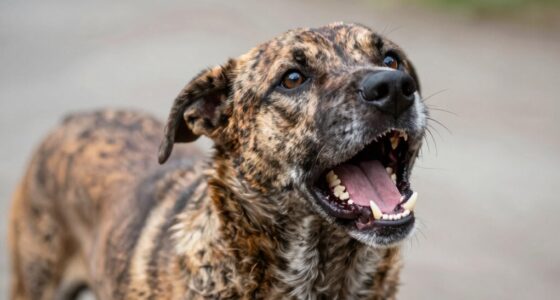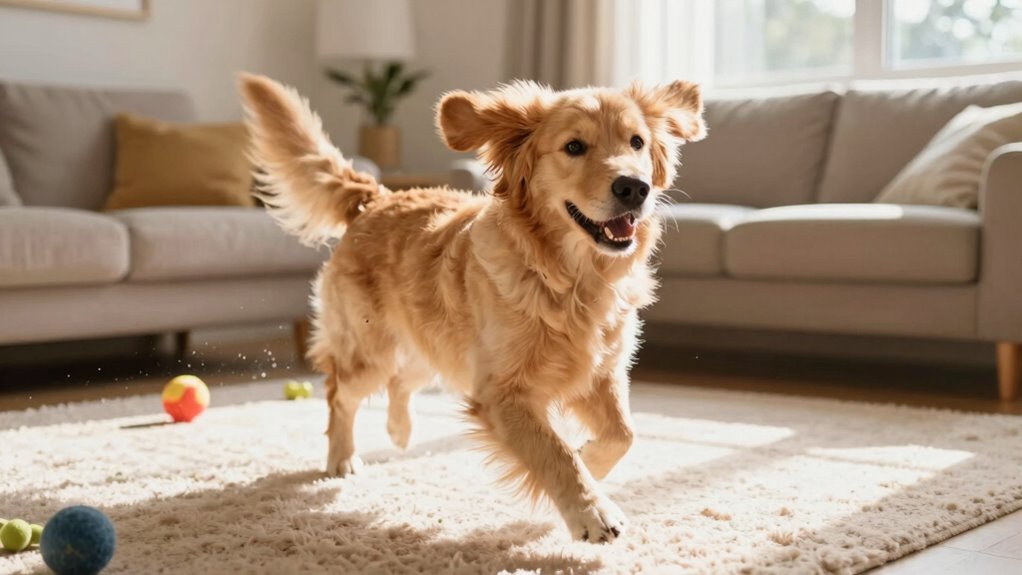
Post-groom zoomies happen as a healthy way for your pet to release leftover energy and process the emotional impact of grooming. They often result from a mix of excitement, relief, or even sensory overload from wetness and grooming noises. These bursts help your pet regain control and reset mentally. If you keep exploring, you’ll discover more about understanding these behaviors and how to support your pet’s emotional well-being after grooming.
Open a free Amazon Business account
Business pricing, bulk buying and tax-exempt orders.
As an affiliate, we earn on qualifying purchases.
Key Takeaways
- Post-groom zoomies result from releasing built-up energy after intense grooming or handling.
- They are a normal emotional response indicating relief, excitement, or exhaustion.
- Zoomies help pets process and recover from grooming-related stress or sensory overload.
- They demonstrate a healthy way for pets to regain control and reset emotionally.
- Recognizing zoomies as positive behaviors supports pet emotional well-being and reduces concern.
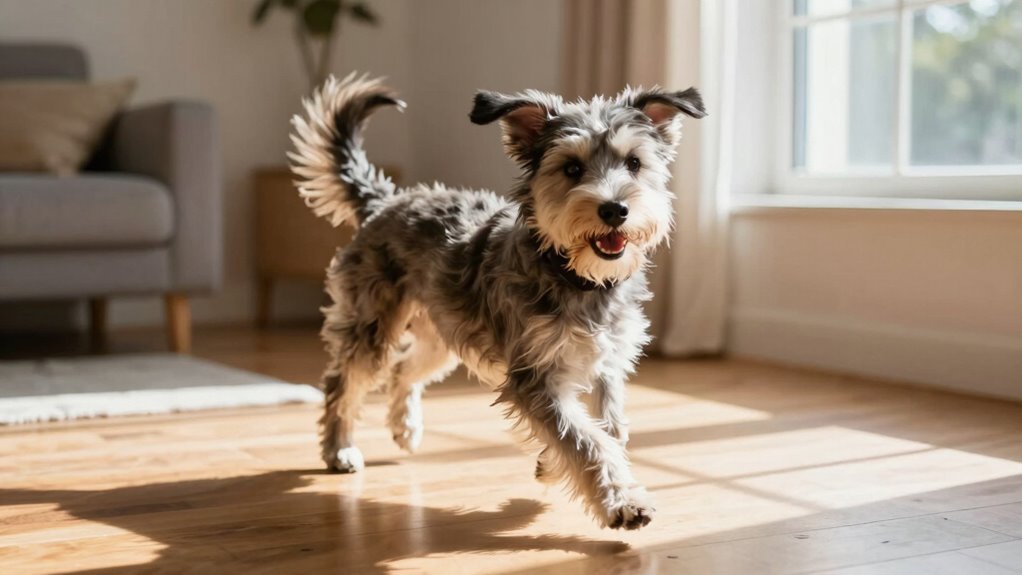
After the grooming session, many pets suddenly burst into high-energy bursts known as “zoomies,” and it’s often surprising to pet owners. These bursts of frantic activity can seem random or even concerning, but they’re usually a normal response to the intense experience of being groomed. Understanding why your pet exhibits these behaviors can help ease your worries and improve their overall well-being. One key factor is grooming anxiety, which is common in many pets. Some animals find grooming stressful because it involves handling sensitive areas, unfamiliar noises, or restraint. This grooming anxiety can build up during the grooming process, and the zoomies afterward are a way for your pet to release that tension.
Pet behavior is complex, and zoomies are a natural part of how animals cope with stress or excitement. When the grooming session ends, your pet might feel a mix of relief, exhaustion, and pent-up energy. The sudden burst of activity is a way for them to burn off leftover nervous energy and regain a sense of control after being physically restrained or manipulated. During these moments, you might notice your pet darting around the room, spinning in circles, or jumping onto furniture. These behaviors are not signs of distress but rather a spontaneous expression of their emotional state. Recognizing these emotional responses can help owners better interpret their pet’s behavior and provide appropriate comfort. Additionally, understanding animal emotional regulation can help you support your pet’s mental health during stressful situations.
It’s important to recognize that zoomies after grooming aren’t necessarily a sign of discomfort or dissatisfaction. Instead, they often reflect a happy, relieved, or even playful mood that’s been suppressed during the grooming process. If your pet tends to get anxious about grooming, these zoomies could be their way of resetting emotionally. Sometimes, the excitement is also linked to sensory overload — the smell of shampoos, the feeling of being wet, or the sound of clippers and dryers can be overwhelming. Once the grooming is over, your pet might feel energized and eager to shake off the residual stress. Being aware of grooming-related stress can help you better support your pet’s emotional health during and after grooming sessions. Additionally, desensitization techniques can be used to gradually accustom your pet to grooming routines, reducing their overall grooming anxiety and potentially decreasing the intensity of zoomies in the future. Over time, you can work on desensitizing your pet to grooming routines to reduce their stress levels, which may lessen the intensity of zoomies in the future. Remember, these energetic bursts are a normal part of pet behavior, signaling that your furry friend has processed the experience and is ready to move on. Instead of viewing the zoomies as a problem, see them as a natural, healthy way for your pet to handle the emotional rollercoaster of grooming.
As an affiliate, we earn on qualifying purchases.
Frequently Asked Questions
Do Post-Groom Zoomies Occur in All Dog Breeds?
No, post-groom zoomies don’t occur in all dog breeds. Breed behavior and grooming triggers influence whether your dog experiences these energetic bursts afterward. Some breeds, especially those with high activity levels, are more prone to zoomies after grooming, while calmer breeds may not show the same response. Understanding your dog’s breed traits and how grooming affects them helps you anticipate and manage these lively moments effectively.
How Long Do Post-Groom Zoomies Typically Last?
Post-groom zoomies usually last for about 5 to 15 minutes. Imagine your dog, after a grooming session, suddenly sprints around the house—this is their grooming behavior releasing pent-up canine energy. These zoomies are a natural way for your dog to burn off excess energy and feel relieved. The duration varies depending on your dog’s age and temperament, but typically, they’re a short, energetic burst.
Can Post-Groom Zoomies Indicate Underlying Health Issues?
Post-groom zoomies usually don’t indicate health issues; they’re mainly caused by behavioral triggers and the grooming impact on your pet’s excitement levels. If your pet suddenly exhibits excessive or prolonged zoomies, it’s wise to monitor for other signs of discomfort or distress. While these bursts are normal, persistent or unusual behavior may suggest underlying health concerns, so consult a vet if you’re worried.
Are Post-Groom Zoomies Related to Anxiety?
Imagine your pet suddenly darting around after grooming—those post-groom zoomies can be linked to anxiety signs, not just grooming stress. While they often appear as bursts of energy, they might coincide with your pet feeling unsettled or overwhelmed. These zoomies are a coincidence of emotional release, showing that your pet could be experiencing residual anxiety. Keep an eye on their behavior to better understand if stress or anxiety triggers these energetic episodes.
How Can Owners Safely Manage Post-Groom Zoomies?
You can safely manage your dog’s post-groom zoomies by creating a calm environment to ease grooming stress. Allow plenty of space for energy release through gentle play or a walk afterward. Keep interactions positive and soothing, and avoid overstimulating your pup during this time. Providing a cozy space helps them relax, reducing the likelihood of accidents or injuries. Consistent routines and patience will help your dog feel secure and comfortable post-groom.
Conclusion
So, next time your furry friend suddenly transforms into a tornado after a grooming session, remember—you’re witnessing the wild, unstoppable force of post-groom zoomies. It’s like a rocket launch in tiny paws, a celebration that defies all logic and physics! Embrace the chaos, because these zoomies are your pet’s way of saying, “Thanks for making me look fabulous,” with enough energy to power a small city. Prepare for the whirlwind and enjoy every wild second!
Flea & tick season Picks
flea and tick prevention
As an affiliate, we earn on qualifying purchases.