
To help a hesitant dog get used to a bike trailer, start by introducing the trailer in a calm, pressure-free environment. Let your dog sniff and explore, rewarding calm behavior with treats or toys. Gradually progress to observing slow movement and short, gentle rides in quiet areas, always watching for signs of stress. Consistency and patience are key—by steadily increasing exposure and using positive reinforcement, your dog can build confidence. If you keep at it, you’ll discover effective strategies to ease their fears.

Get pet supplies delivered free with Prime
- Fast, free delivery on millions of items
- Prime Video, Amazon Music and more included
- Member-only deals all year
Key Takeaways
- Introduce the trailer in a calm, pressure-free environment using treats and toys to build positive associations.
- Gradually expose the dog to trailer movement from a distance, rewarding calm behavior at each step.
- Attach the trailer to the bike and let the dog observe slow, stationary movement before riding.
- Start with short, slow rides in quiet areas, gradually increasing duration and speed as the dog becomes more comfortable.
- Monitor the dog’s behavior carefully, stopping immediately if signs of distress appear, and use consistent, patient training.
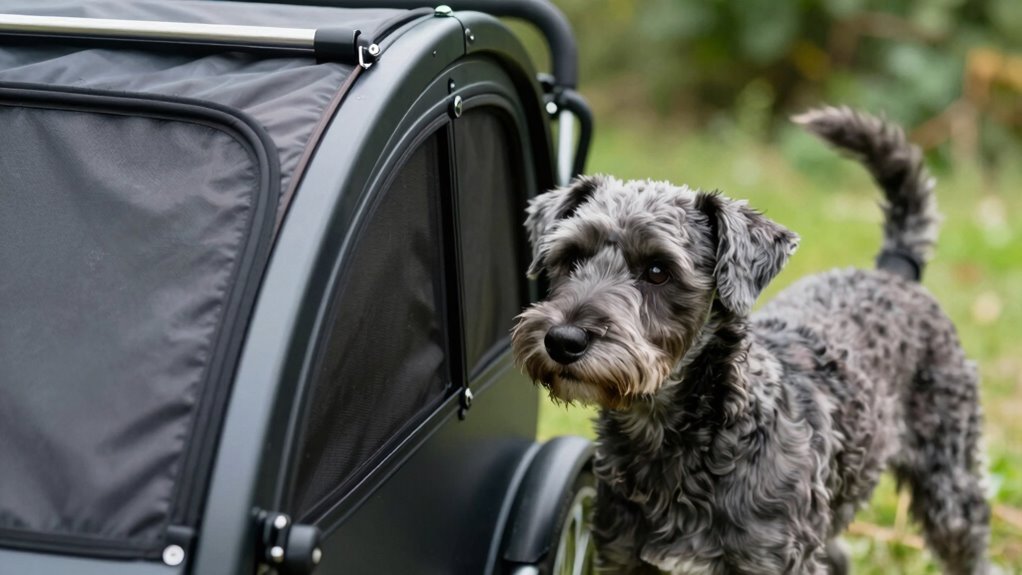
Many dogs that hesitate at motion can learn to enjoy bike trailer rides with patience and proper acclimation. Understanding your dog’s behavior is key. Some dogs naturally feel uneasy when they see or hear fast-moving objects, while others might be startled by the movement or unfamiliar sensations. Recognizing these signs can help you tailor your training techniques to ease their fears effectively. For example, if your dog cowers or tries to retreat at the sight of a bike or trailer, it’s a clear indicator that slow, positive exposure will be necessary.
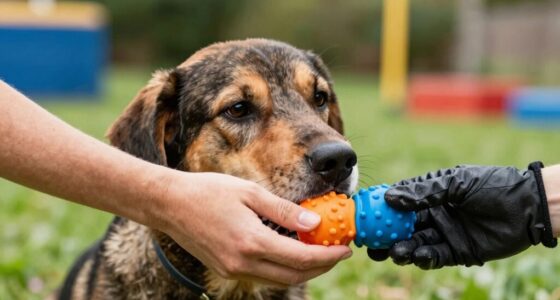
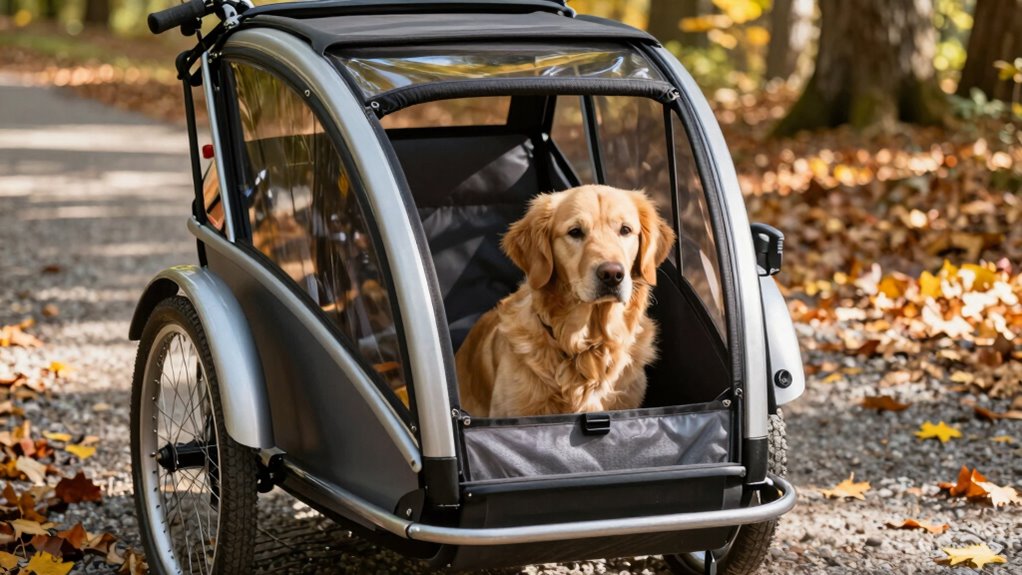
Start by introducing your dog to the trailer in a calm environment. Let them sniff and explore it without any pressure. Use treats or favorite toys to create positive associations, rewarding calm behavior around the trailer. Once your dog is comfortable with the trailer itself, you can gradually begin to incorporate motion. Attach the trailer to your bike but don’t start moving right away. Allow your dog to observe you pedaling slowly and see the trailer in motion from a distance, rewarding them when they remain calm. This step helps them associate the moving trailer with positive experiences rather than fear.
When you’re ready to start riding, begin with short, slow trips in a quiet area. Keep your speed low, and use a gentle, steady pace. During the ride, monitor your dog’s behavior closely. If they show signs of distress, like pulling back, whining, or trying to jump out, stop immediately and comfort them. Gradually increase the duration and speed of your rides as your dog becomes more comfortable. Consistency is critical—regular, short trips will help your dog adjust faster than sporadic outings.
Training techniques such as desensitization and counter-conditioning work well here. Desensitization involves exposing your dog to the trailer and motion in small, controlled steps, gradually increasing exposure. Counter-conditioning pairs the trailer and movement with positive reinforcement, changing your dog’s emotional response from fear to enjoyment. It’s also helpful to understand the importance of behavioral cues in recognizing your dog’s comfort level. Recognizing signs of stress or discomfort early can help you intervene and prevent setbacks in their training. Additionally, understanding dog body language can be a valuable tool in gauging their emotional state. Incorporating consistent training will further reinforce positive associations and help build your dog’s confidence over time. Remember, patience and gentle encouragement are key to making the process successful. Don’t rush the process; some dogs take more time to adapt than others. Always reward calm, relaxed behavior and avoid forcing your dog into stressful situations. With consistent effort and gentle training techniques, you’ll help your dog build confidence and learn to enjoy bike trailer rides, turning what once was a source of hesitation into a fun activity you both can share.
dog bike trailer for hesitant dogs
As an affiliate, we earn on qualifying purchases.
As an affiliate, we earn on qualifying purchases.
Frequently Asked Questions
How Long Does the Acclimation Process Typically Take?
The acclimation process usually takes about one to two weeks, but it varies based on your dog’s personality. During this time, you should focus on consistent dog training and behavior modification, gradually introducing your dog to the bike trailer. Keep sessions positive and brief, increasing exposure as your dog becomes more comfortable. Patience is key; with steady effort, your dog will get used to the motion and enjoy the rides.
Are There Specific Breeds More Prone to Hesitation?
They say “Birds of a feather flock together,” and this applies to breed tendencies and dog temperament. Some breeds, like hounds or terriers, are more prone to hesitation due to their cautious nature or high prey drive. Dogs with a more anxious temperament may need extra patience and gradual exposure. Understanding your dog’s breed tendencies helps you tailor the acclimation process, making it smoother and more successful.
What Signs Indicate a Dog Is Ready for Longer Rides?
You’ll know your dog is ready for longer rides when their dog behavior shows excitement rather than fear, such as wagging tails and relaxed body language. They may approach the trailer confidently and enjoy gentle training techniques like positive reinforcement. If your dog remains calm and interested during short trips, gradually increase the duration, ensuring they stay comfortable and engaged, signaling they’re prepared for extended adventures.
Can I Use Treats to Encourage Participation?
Yes, you can definitely use treats to encourage participation. Treat reinforcement provides positive motivation, helping your dog associate the trailer with good things. Offer small, tasty treats each time your dog approaches or steps into the trailer, gradually increasing their comfort level. Consistent praise and treats create a positive experience, making your dog more willing to join longer rides over time. Remember, patience and gentle encouragement are key.
How Do I Handle a Dog That Panics During Training?
Did you know that nearly 50% of dogs experience anxiety during new training techniques? When your dog panics, stay calm and avoid forcing them. Use gentle, positive reinforcement and gradually introduce motion at a comfortable pace. Focus on building trust with patience, and never punish. This approach helps modify dog behavior, making training sessions more effective and less stressful for your furry friend.
Conclusion
With patience and gradual exposure, you can help your dog become comfortable with the bike trailer, much like a gentle breeze easing through a calm sea. Keep sessions positive and short, offering treats and praise along the way. Over time, your dog will learn to see the trailer as a safe and inviting space rather than a source of fear. Before you know it, you’ll both be enjoying smooth rides together, building confidence step by step.
Columbus Day / Indigenous Peoples' Day Picks
long weekend sales
As an affiliate, we earn on qualifying purchases.