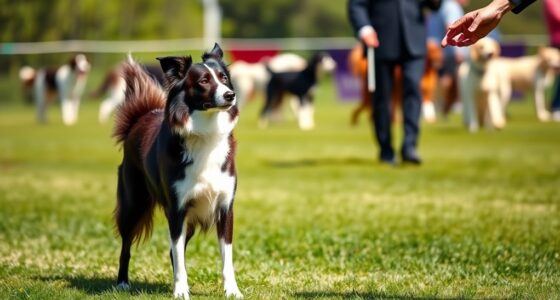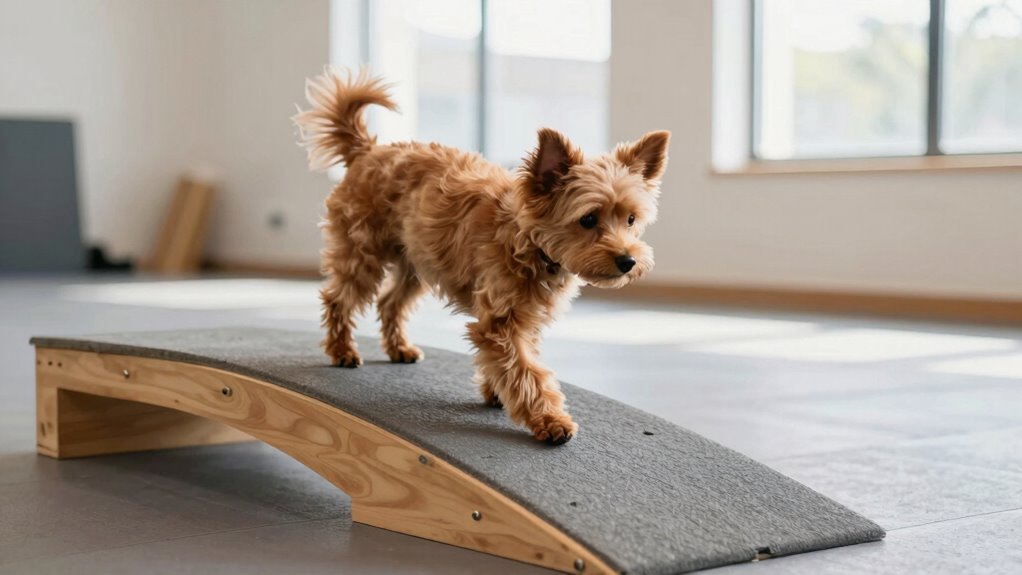

To train a hesitant dog to use a ramp, start by letting your dog sniff and explore the ramp without pressure, using treats and praise to create positive associations. Encourage gradual walking on the ramp with gentle guidance, rewarding progress along the way. Keep sessions short and consistent, adjusting your approach based on how your dog responds. With patience and positive reinforcement, you’ll help your dog gain confidence—learn more steps to make the process smoother.

Get pet supplies delivered free with Prime
- Fast, free delivery on millions of items
- Prime Video, Amazon Music and more included
- Member-only deals all year
Key Takeaways
- Allow gradual exploration using treats and positive reinforcement to build trust and reduce anxiety.
- Choose a stable, non-slip ramp suited to the dog’s size and comfort.
- Encourage the dog to sniff and explore the ramp at their own pace without rushing.
- Use cheerful commands like “up” or “climb” and reward progress consistently.
- Keep training sessions short, positive, and adapt to the dog’s comfort level for best results.
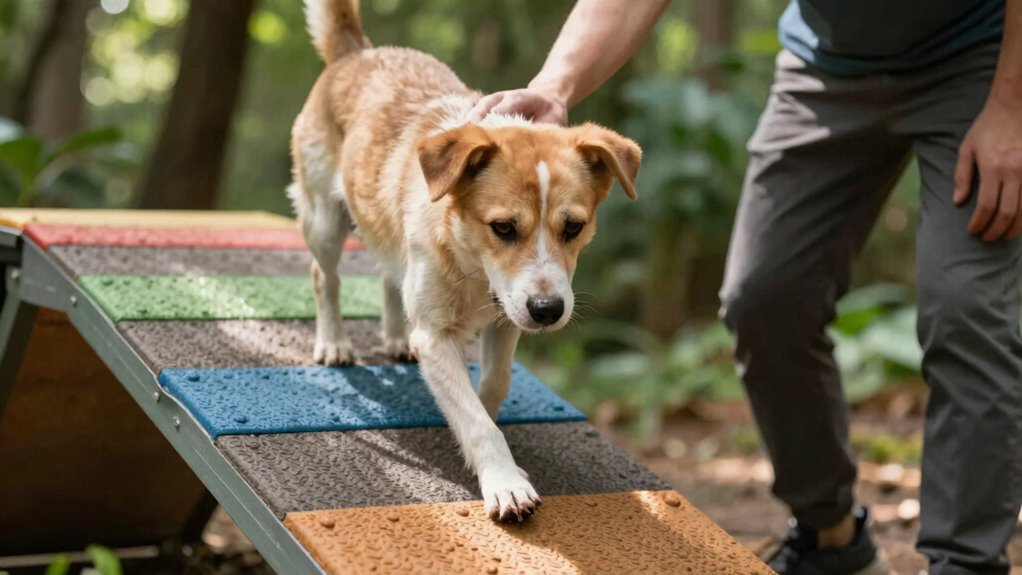
If your dog is hesitant to use stairs or jump onto furniture, ramp training can help build their confidence and make daily routines easier. Many dogs experience uncertainty or fear when faced with elevated surfaces, which can be linked to their dog behavior and past experiences. Using the right training equipment, like a sturdy ramp, can make a significant difference. The goal is to create a safe, comfortable environment that encourages your dog to explore and trust the ramp without feeling overwhelmed.
Ramp training builds confidence and eases your dog’s fear of elevated surfaces with patience and positive reinforcement.
Start by choosing a ramp that suits your dog’s size and weight. The right training equipment should be stable, non-slip, and gentle on their paws. Place the ramp on a flat surface near the area your dog needs to access, like the sofa or car. To ease your dog into the process, use treats and positive reinforcement from the beginning. Let your dog sniff and explore the ramp at their own pace. Don’t rush this initial step—allowing curiosity to develop naturally helps reduce anxiety. Building dog confidence early on can set a positive tone for their training. Incorporating proper training techniques ensures your approach remains effective and humane.
Once your dog shows interest, start encouraging them to walk on the ramp with treats. Use a cheerful voice and guide them with treats in your hand. If they hesitate, don’t force them; instead, give them time and praise their efforts. As they gain confidence, gradually increase the distance they walk on the ramp. Keep training sessions short and positive to avoid overwhelming your dog. Consistency is key—practice daily, but keep sessions fun. Incorporating positive reinforcement is crucial in helping your dog associate the ramp with positive experiences. Regular practice helps reinforce trust-building between you and your pet, which is essential for successful training.
You can also incorporate familiar commands, like “up” or “climb,” to help your dog associate the words with the action. Keep your tone encouraging and patient. Some dogs may need a little extra help, such as luring them with treats from behind or at the top of the ramp. Over time, your dog should start to see the ramp as a safe pathway rather than an obstacle. Remember, every dog learns at their own pace, so be prepared to adapt your approach to fit their comfort level.
Using positive reinforcement throughout the process reinforces good behavior and builds trust. As your dog becomes more confident, gradually reduce the treats, but continue offering praise. The key is to make the experience positive and stress-free, helping your dog overcome their hesitation. With patience and consistent practice, your dog will associate the ramp with safety and fun, turning what once seemed intimidating into an everyday routine. This approach not only improves their dog behavior but also enhances their overall confidence and independence. Recognizing and addressing dog behavior can lead to a happier, more well-adjusted pet.
As an affiliate, we earn on qualifying purchases.
Frequently Asked Questions
How Long Does Ramp Training Typically Take?
Ramp training usually takes a few days to a couple of weeks, depending on your dog’s hesitations. You’ll want to use effective training techniques and be patient, gradually increasing the ramp’s incline. Proper equipment selection is essential—choose a ramp with non-slip surfaces and appropriate height. Consistent, positive reinforcement helps your dog build confidence, so keep sessions short and encouraging. With time and patience, your dog will become comfortable using the ramp.
What if My Dog Refuses the Ramp Entirely?
If your dog refuses the ramp entirely, try a gentle approach using positive reinforcement and training techniques. For example, you might sit beside your dog, encouraging them with treats and praise, gradually guiding them onto the ramp. Sometimes, behavioral issues stem from fear or discomfort. Patience is key—make the experience positive and non-stressful. Over time, your dog will build confidence and accept the ramp comfortably.
Can Ramp Training Help With Dogs Afraid of Stairs?
Yes, ramp training can help dogs with fear of stairs by reducing dog anxiety and promoting confident movement. You start slowly, encouraging your dog with treats and praise, making the ramp a positive experience. Consistent, gentle exposure helps diminish fearful behavior over time. As your dog gains trust in the ramp, they’ll become more comfortable, easing their fear and making mobility easier and less stressful.
Are There Specific Ramps Recommended for Small or Large Dogs?
Yes, there are specific ramps for small and large dogs. Small dog ramps are lightweight, portable, and designed to suit their size, making them easy for your little pup to use comfortably. Large dog ramps are sturdier and longer to support bigger bodies and weight. Always choose a ramp that matches your dog’s size and weight, ensuring safety and ease of use during training.
How Do I Prevent My Dog From Slipping on the Ramp?
Imagine your dog unexpectedly slipping on the ramp—it’s a common concern. To prevent this, make sure the ramp has good dog traction, especially in wet conditions. Choose a ramp material like rubber or textured plastic that provides grip. You can also add non-slip mats or grip tape to the surface. Regularly check and clean the ramp to maintain traction, keeping your dog safe and confident during training.
Conclusion
By following this ramp training plan, you’ll help your hesitant dog gain confidence, just like a sunflower reaching toward the sun. Remember to be patient, consistent, and positive every step of the way. With time and gentle guidance, your dog will confidently navigate the ramp, making outdoor adventures safer and more enjoyable. Keep encouraging them, and you’ll both celebrate small victories that build a stronger, trusting bond. Your dedication makes all the difference!
Fall Picks
fall essentials
As an affiliate, we earn on qualifying purchases.