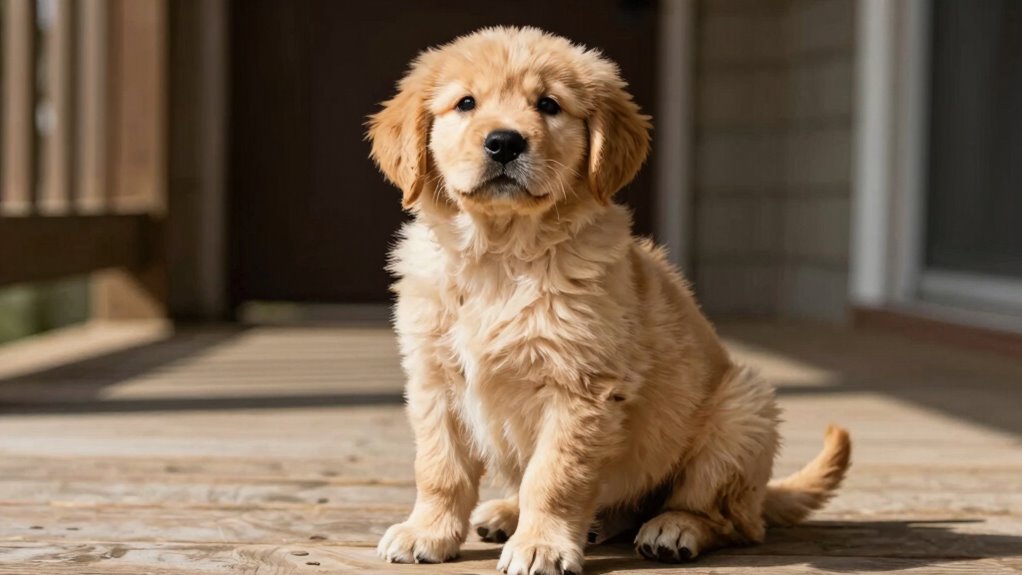

Puppy “stubbornness” is actually a sign of their natural curiosity and desire to test boundaries as they learn about their environment. It’s not about defiance or challenging your authority, but about developing independence and exploring their world. They may resist commands when tired or overwhelmed, so patience and consistency are key. Understanding this helps you guide their behavior positively. Keep exploring, and you’ll discover effective ways to support their growth and build a strong bond.

Get pet supplies delivered free with Prime
- Fast, free delivery on millions of items
- Prime Video, Amazon Music and more included
- Member-only deals all year
Key Takeaways
- Puppy “stubbornness” is often testing boundaries, not defiance; it reflects natural curiosity and independence.
- Behavior may be due to fatigue, confusion, or lack of clarity, not intentional resistance.
- Consistent, positive reinforcement training fosters cooperation and reduces perceived stubbornness.
- Understanding their developmental stage helps tailor training and patience levels effectively.
- Building trust through gentle guidance and routine creates a positive, cooperative relationship.
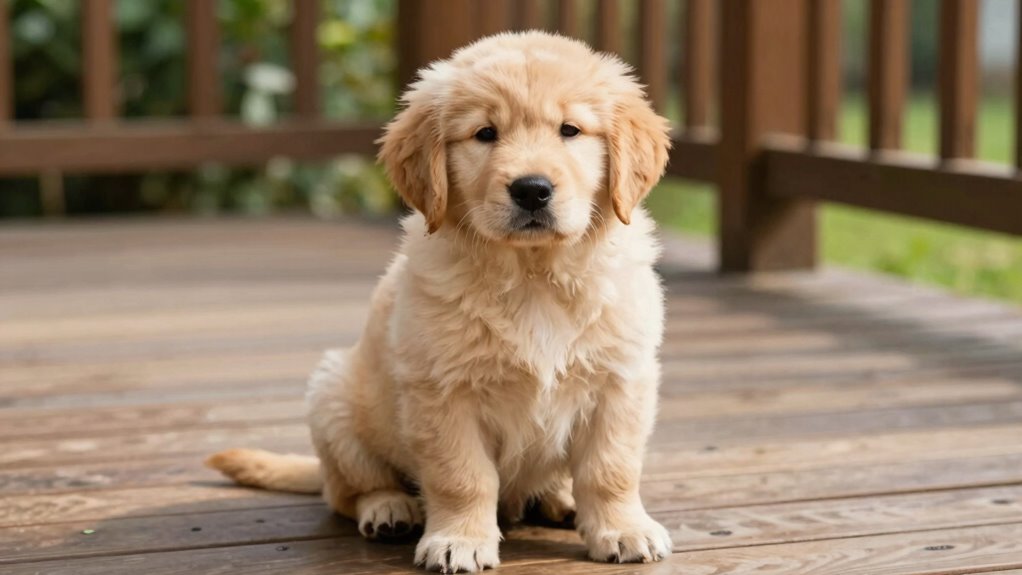
Many new puppy owners assume stubbornness is a sign of defiance, but in reality, what often appears as stubbornness is simply a puppy’s way of testing boundaries or trying to understand their environment. Puppies are naturally curious and eager to explore, which can sometimes be mistaken for stubbornness when they refuse to follow commands or resist training. It’s important to recognize that this behavior isn’t about defiance but about their developing independence. Your puppy’s desire for puppy independence is a healthy part of their growth, but it also means you need to be patient and consistent in your training efforts.
Puppy stubbornness is often testing boundaries, not defiance; patience and consistency foster understanding and independence.
When your puppy seems stubborn, it’s often because they’re asserting their independence or feeling overwhelmed by new experiences. They may test limits to see what they can get away with, which isn’t a challenge to your authority but a way for them to learn about their boundaries. This behavior calls for training patience on your part. You might feel frustrated when your puppy doesn’t listen or resists commands, but it’s essential to stay calm and avoid punishment. Instead, focus on gentle redirection and positive reinforcement, rewarding good behavior to encourage your puppy to keep trying.
Understanding your puppy’s need for puppy independence helps you develop a more effective training approach. For instance, giving your puppy opportunities for safe exploration can reduce their desire to test boundaries in undesirable ways. Providing designated play areas or supervised outdoor time satisfies their curiosity and supports their independence while keeping them within safe limits. Patience during training sessions is necessary because puppies learn at different rates. Some might pick up commands quickly, while others need more repetition and encouragement. Remember, consistency in training is key, and your patience will pay off as your puppy gradually understands what’s expected. Recognizing that training techniques should be tailored to your puppy’s individual learning style can make a significant difference in their progress.
It’s also essential to recognize that stubbornness often stems from confusion or fatigue. If your puppy seems resistant, consider whether they’re tired or overwhelmed and adjust your training sessions accordingly. Short, frequent training periods tend to be more effective than long, drawn-out ones. Additionally, understanding puppy behavior can help you tailor your training strategies to better support their development. Recognizing that some stubbornness may be caused by lack of clarity in commands or expectations allows you to improve your training methods. Over time, with patience and understanding, your puppy will learn to see your commands as part of their routine, not as obstacles. Building a positive training environment that aligns with their natural curiosity and learning style can help reduce resistance and foster better cooperation. Ultimately, nurturing your puppy’s independence with gentle guidance and patience helps build a trusting relationship and sets the foundation for good behavior as they grow.
As an affiliate, we earn on qualifying purchases.
Frequently Asked Questions
Can Stubbornness Indicate Underlying Health Issues in Puppies?
Stubbornness in puppies can sometimes signal underlying health issues, especially if it’s sudden or severe. Poor puppy nutrition might affect their energy and behavior, making them seem more resistant or irritable. Inadequate socialization techniques can also contribute to behavioral challenges. To address this, guarantee your puppy receives balanced nutrition and proper socialization, and consult a veterinarian if stubbornness persists, as it could indicate health problems needing attention.
How Does Breed Influence Stubborn Behavior in Puppies?
Breed influences stubborn behavior in puppies through breed traits and temperament differences. Some breeds, like Bulldogs or Afghan Hounds, naturally display more independent or strong-willed traits, making them seem stubborn. Others, like Labrador Retrievers, tend to be more enthusiastic to please. Understanding your puppy’s breed helps you tailor training methods, patience levels, and expectations, ensuring you build a positive relationship while managing stubborn tendencies effectively.
Is Stubbornness a Sign of a Disobedient Puppy or Just Personality?
Stubbornness isn’t necessarily disobedience; it’s often puppy independence shining through. You might see it as a challenge or a personality trait, but it’s a natural part of development. To navigate this, you need training patience and consistent guidance, reinforcing good behavior without frustration. Recognize that a stubborn puppy can learn, adapt, and respond—so, patience and understanding are key to turning independence into cooperation.
What Are Quick Tips for Managing Stubbornness During Training?
To manage your puppy’s stubbornness during training, stay consistent with commands and routines, reinforcing positive behaviors. Incorporate puppy socialization to boost confidence and reduce hesitation. Keep training sessions short and engaging to hold your pup’s attention. Be patient and avoid punishment—use treats and praise instead. Consistent training and socialization help your puppy understand boundaries, making stubborn moments easier to handle and fostering a well-behaved, confident dog.
When Should I Seek Professional Help for My Puppy’s Stubbornness?
You should seek professional help if your puppy’s stubbornness hampers essential training like crate training or socialization. When your puppy resists socialization, avoids crate training, or shows signs of anxiety despite consistent efforts, a trainer or behaviorist can provide tailored guidance. Early intervention helps address underlying issues, making future training smoother and ensuring your puppy develops confidence and good manners. Don’t hesitate to ask for expert advice when needed.
Conclusion
Remember, just like the hero’s journey in your favorite stories, your puppy’s stubbornness isn’t a flaw but a chapter in their growth. With patience, understanding, and a dash of perseverance, you’ll both emerge stronger—more like companions in a grand adventure than adversaries. So keep forging ahead, knowing that every stubborn moment is just another page in your shared story, one that’s bound to be filled with love, laughter, and countless memories.
Columbus Day / Indigenous Peoples' Day Picks
long weekend sales
As an affiliate, we earn on qualifying purchases.