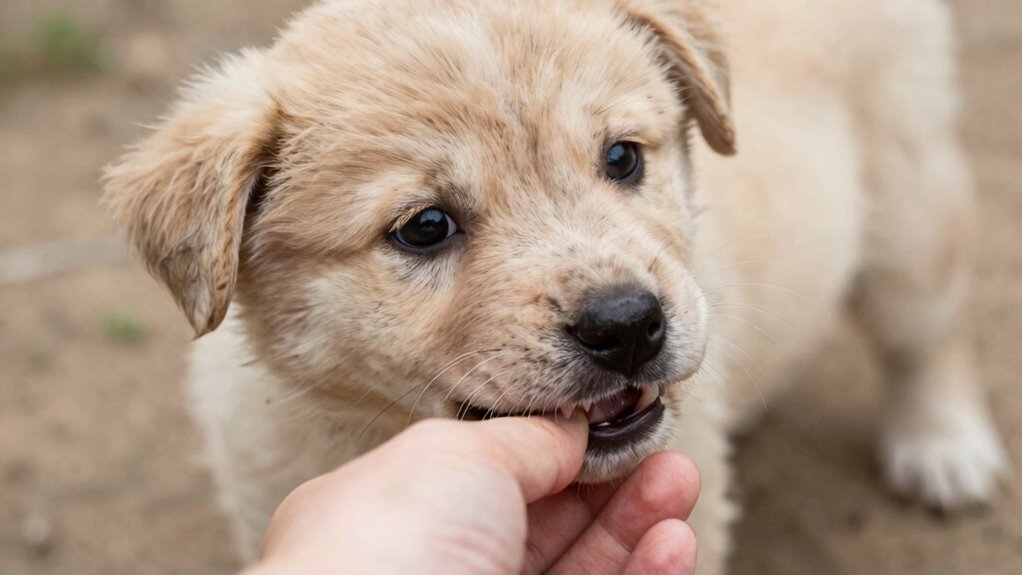

Understanding whether your puppy’s mouthing is playful or aggressive depends on their body language. Playful mouthing is gentle, with relaxed posture, wagging tail, and soft bites, while aggression involves stiff stance, growling, and hard bites. Recognizing these signals helps you respond appropriately and prevent escalation. If you want to learn how to tell the difference and respond effectively, keep exploring these important cues and strategies.
Key Takeaways
- Play biting involves gentle, relaxed mouthing with soft pressure and positive body language, unlike aggressive behavior which is stiff and threatening.
- Recognize cues like wagging tails and play bows for playful mouthing, versus growling, snarling, and intense staring for aggression.
- Puppies mouth naturally for exploration, teething, or social bonding, but harsh biting or hard bites signal potential aggression.
- Intervene early by redirecting excessive biting to toys and using commands like “gentle” to promote proper behavior.
- Building social skills through positive reinforcement and routine helps prevent rough play and fosters a trusting relationship.
As an affiliate, we earn on qualifying purchases.
Is Your Puppy’s Mouthing Playful or Aggressive? How to Tell
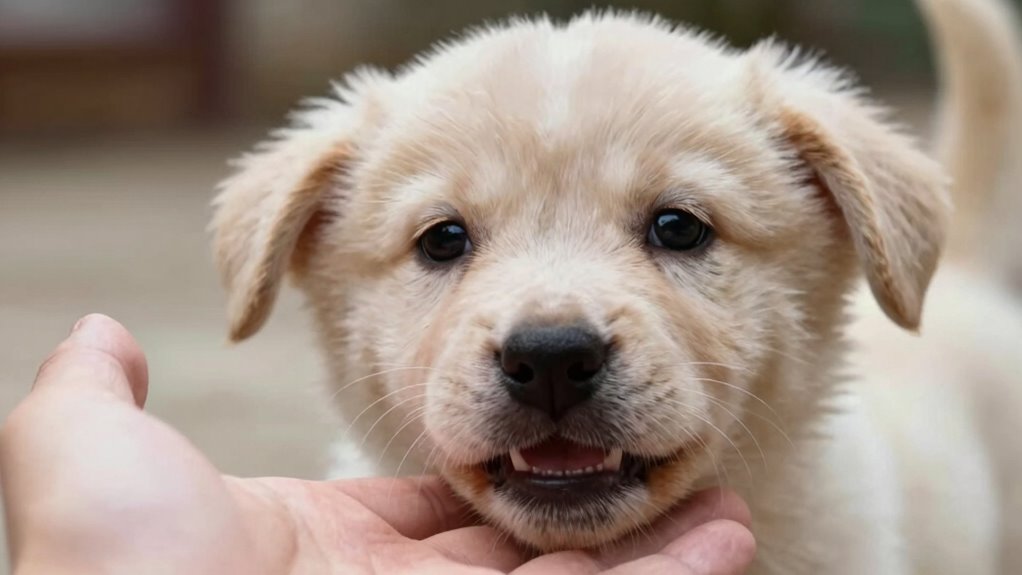
When your puppy starts mouthing or biting, it can be hard to tell if they’re just playing or showing signs of aggression. Understanding puppy communication is key. Playful mouthing usually involves gentle bites, relaxed body language, and a wagging tail. Your puppy may also use soft, high-pitched yelps to signal playfulness. In contrast, aggressive behavior often includes stiff posture, growling, baring teeth, and intense staring. Recognizing these cues helps you respond appropriately. Early bite inhibition is essential; it teaches your puppy to control their bite strength during play. If they nip too hard, calmly redirect their attention and stop play briefly. This teaches them that gentle mouthing is acceptable, while rough biting isn’t. Clear signals help prevent confusion and promote healthy communication. Additionally, understanding the lifecycle of your puppy’s behavior can guide you in training and socialization efforts. Proper socialization during the early stages helps your puppy learn appropriate mouthing behavior and reduces the likelihood of future aggression. Incorporating training techniques that promote positive interactions further supports healthy development.
Why Do Puppies Mouth? What Are They Trying to Communicate?
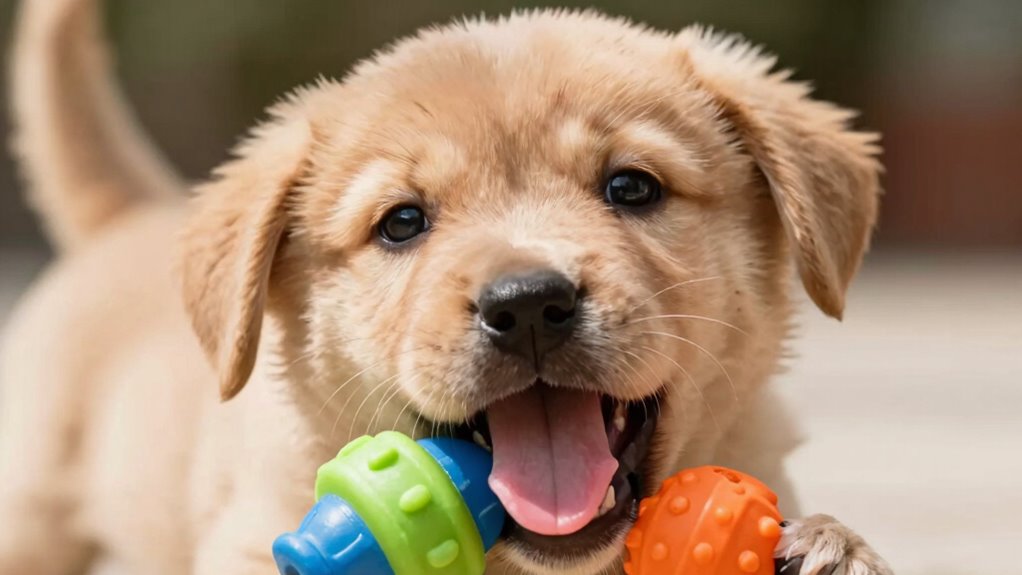
Puppies mouth for a variety of reasons, primarily as a way to explore their environment and communicate their needs. Mouthing is a natural part of puppy communication, helping them learn about objects and people around them. Their mouthing motivations often include teething discomfort, curiosity, or seeking attention. When they gently mouth, they might be trying to initiate play or show affection. Sometimes, puppies use mouthing to express frustration or overstimulation. Recognizing these behaviors helps you interpret what your puppy is trying to say. Understanding that mouthing is a form of communication allows you to respond appropriately, guiding them toward acceptable behaviors. Additionally, proper projector setup can help create a calm environment that reduces overstimulation and encourages positive interactions. Creating a calm environment can significantly reduce overstimulation and promote positive interactions. Remember, their mouthing motivations are rooted in learning and interaction, not aggression.
How Can You Tell If Your Puppy Is Play Biting? Recognizing Gentle Mouthing
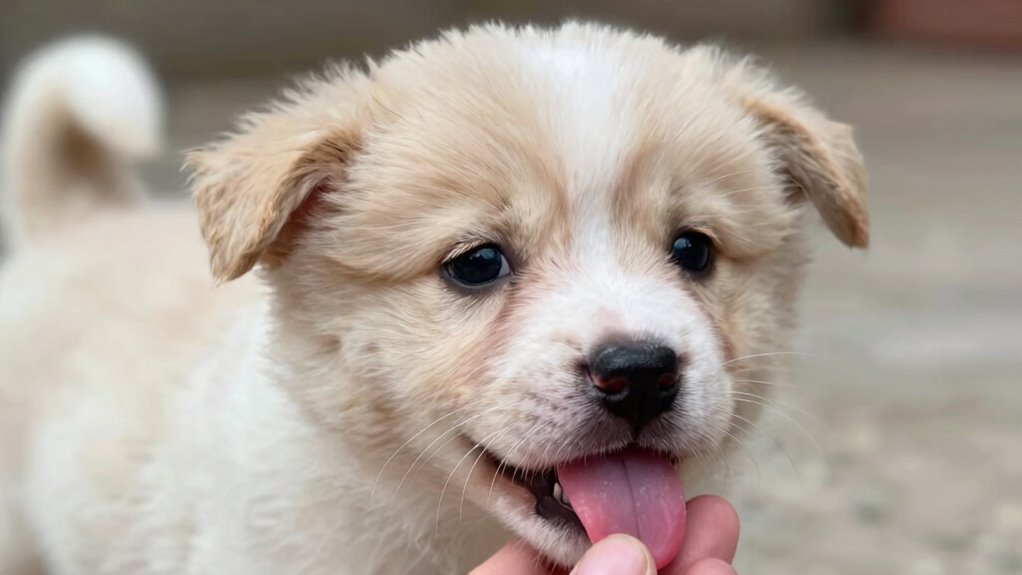
You can tell your puppy is play biting when they use gentle mouthing instead of hard nips. Look for signs like relaxed body language and soft pressure on your skin. Understanding the context of your puppy’s play helps distinguish friendly mouthing from aggression. Additionally, observing their interactions during interactive experiences can provide insight into whether their behavior is playful or hostile. Recognizing social cues is also essential to interpret your puppy’s intentions accurately. Being aware of precious metal investment options can help you better understand the nuances of your puppy’s behavior and environment.
Playful Biting Signs
Recognizing playful biting involves observing your puppy’s body language and the context of their behavior. Playful mouthing often occurs during puppy teething or socialization sessions. Signs include relaxed posture, wagging tail, and open mouth, showing no signs of aggression. Your puppy may gently nibble or mouth your hand, often accompanied by soft, high-pitched sounds. They might also take a break and then resume play, indicating they’re enjoying interaction without harm. Being aware of your puppy’s body language cues can help differentiate between play and aggression. Monitoring their social signals can further clarify whether the behavior is friendly or if it requires redirection. Understanding puppy communication can improve your ability to respond appropriately and foster positive interactions. Recognizing play behavior is essential for guiding your puppy toward appropriate social manners.
Gentle Mouthing Behaviors
Gentle mouthing is a common behavior during puppy play that often gets confused with aggression. When your puppy gently nibbles or mouths without applying pressure, it’s usually a sign of comfort or teething discomfort. This soft mouthing often occurs during socialization opportunities, helping your puppy learn bite inhibition and appropriate play. You’ll notice their teeth are just barely touching, and they soften their bite if you respond calmly. Unlike aggressive biting, gentle mouthing involves relaxed body language, loose tail wagging, and no growling or stiff movements. Recognizing these signs helps you differentiate innocent play from more serious behaviors. Understanding bite inhibition is an important part of training your puppy to interact safely. Use these moments to reinforce positive interactions, providing your puppy with confidence and healthy social skills.
Context of Puppy Play
When observing your puppy during play, it’s important to understand the context in which biting occurs. Playful mouthing usually involves gentle bites and soft pressure, showing your puppy is practicing social skills. Recognizing these behaviors helps differentiate between play and aggression. During positive interactions, your puppy might display relaxed body language, wagging tail, and open mouth. Use training techniques to reinforce gentle mouthing while discouraging rough biting. Here’s a quick overview:
| Play Behavior | Body Language | Response |
|---|---|---|
| Gentle mouthing | Loose body, wagging tail | Praise and redirect |
| Hard biting | Stiff body, pinned ears | Withdraw attention |
| Play signals | Play bow, relaxed stance | Encourage continued play |
Understanding these cues guides your response and helps nurture healthy social skills. Being aware of the emotional needs of your puppy can further improve their social interactions and overall well-being. Recognizing the importance of balanced design elements in training environments can also create a more effective learning space for your puppy. Additionally, interpreting a puppy’s body language correctly can prevent misunderstandings and promote positive training experiences, especially when considering social development to foster good habits early on.
What Are the Signs That Your Puppy’s Mouthing Is Aggressive?

If your puppy’s mouthing is paired with behaviors like growling, stiff body posture, or intense staring, these are clear signs that their play might be turning aggressive. Pay close attention to their puppy body language and bite intensity. Signs of aggression include:
- Growling or snarling during play
- Rigid, tense body posture
- Prolonged, fixated eye contact
- Harder bites that cause discomfort
These cues indicate your puppy’s mouthing is more than playful; it’s a warning signal. If you notice these signs, it’s essential to step back and assess the situation. Recognizing these early indicators helps prevent escalation and ensures safe, positive interactions.
How to Discourage Play Biting Without Causing Fear

Recognizing the difference between playful mouthing and aggressive biting helps you respond appropriately. To discourage play biting without causing fear, focus on positive reinforcement during puppy socialization. When your puppy bites gently during human interaction, praise and reward calm behavior. If they bite too hard or become too rough, immediately redirect their attention to a toy or chew item. Consistently using commands like “gentle” helps them understand acceptable play. Avoid yelling or harsh corrections, as these can create fear and hinder trust. Keep interactions calm and predictable, helping your puppy learn boundaries without feeling threatened. Regular socialization with other puppies and people also teaches bite inhibition naturally. Patience and consistency are key to guiding your puppy toward gentle, enjoyable play. Incorporating positive reinforcement techniques that emphasize patience and reward-based training can significantly enhance your puppy’s learning experience. Additionally, understanding dog communication signals can help you interpret your puppy’s mood and prevent escalation. Being aware of body language cues can further improve your ability to respond appropriately to your puppy’s feelings and intentions.
When Should You Seek Help for Aggressive Puppy Behavior?
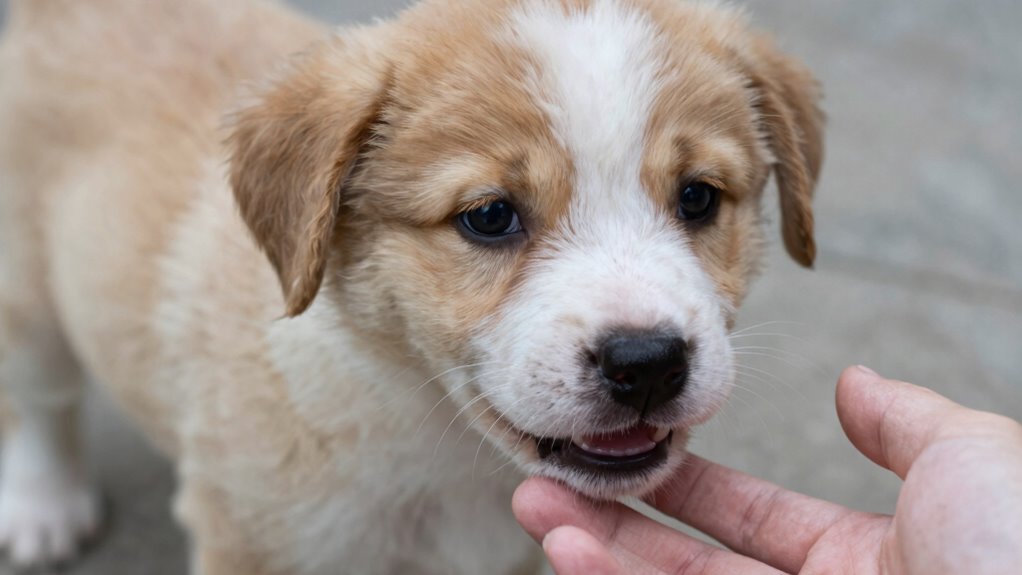
Aggressive behavior in puppies can escalate quickly and pose safety risks for both your dog and those around them. If your puppy shows signs of persistent growling, biting, or lunging, it’s time to seek help. Early intervention is vital, especially if your puppy isn’t responding to basic cues or seems fearful during puppy socialization or crate training. Consider consulting a professional trainer or behaviorist if you notice these warning signs:
- Aggression persists despite consistent training
- Your puppy shows fear or anxiety during socialization
- Biting becomes intense or uncontrollable
- You feel unsure about managing their behavior safely
- Understanding dog behavior and how to interpret your puppy’s signals can make a significant difference in addressing issues early. Recognizing early signs of aggression can help you intervene before behaviors become more ingrained. Getting expert guidance can help you address aggression effectively and prevent future issues, ensuring your puppy develops into a well-adjusted dog.
Building a Trusting, Well-Trained Relationship With Your Puppy
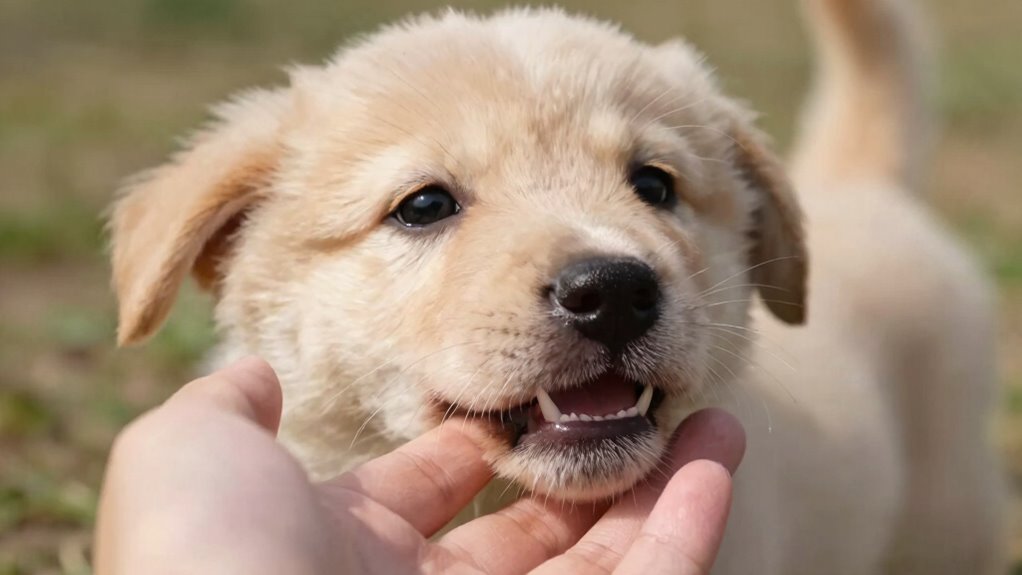
Building a trusting, well-trained relationship with your puppy starts with consistent, positive interactions that foster safety and understanding. Focus on developing your puppy’s social skills through gentle exposure to people, other animals, and new environments. Use training techniques like reward-based methods to reinforce good behaviors, making learning enjoyable for both of you. Clear communication helps your puppy understand boundaries and builds confidence. Patience is key; avoid harsh corrections that can erode trust. Establish routines so your puppy knows what to expect, which reduces anxiety and promotes cooperation. By consistently applying these training techniques and encouraging social skills, you create a strong bond rooted in trust and respect, setting the foundation for a well-behaved, happy companion.
Frequently Asked Questions
Can Play Biting Lead to Future Aggression in Dogs?
Play biting can lead to future aggression if not managed properly. You should emphasize socialization importance and use consistent training techniques to teach your puppy bite inhibition. Redirect their biting to toys and reward gentle play. By setting boundaries early, you help your puppy distinguish play from aggression, reducing the risk of behavior escalation. Proper training and socialization are key to preventing play biting from developing into more serious issues.
Are There Specific Breeds More Prone to Mouthing Behavior?
Certain breeds, like retrievers, terriers, and shepherds, are more prone to mouthing behavior due to breed tendencies. You might notice their mouthing patterns are more intense or frequent, especially during play or teething. While breed can influence this behavior, consistent training and redirection help manage mouthing in all dogs. Understanding your puppy’s breed tendencies allows you to respond appropriately and prevent future issues.
How Does Age Affect a Puppy’s Mouthing Behavior?
Think of your puppy’s mouthing as a young tree reaching for sunlight—it’s part of their growth. As they go through different stages of puppy development, their mouthing behavior shifts. During early behavioral milestones, they might bite more as they explore. With age, they usually outgrow this phase, learning appropriate play. Consistent training helps them understand boundaries, guiding their development into a well-mannered adult dog.
What Are Effective Toys to Redirect Mouthing?
You can redirect your puppy’s mouthing with effective toys like an interactive tug or a squeaky chew. These toys keep their attention focused and satisfy their need to chew. When your puppy starts mouthing, offer these toys instead of your hands or clothes. Consistently using interactive tug and squeaky chew toys helps teach your pup which items are acceptable to chew, reducing unwanted mouthing behaviors over time.
Is It Normal for Puppies to Bite During Teething?
Biting during teething is completely normal, just like a baby’s first steps. You’ll notice your puppy experiencing teething discomfort, which leads to mouthing as a way to soothe their gums. During this stage of puppy development, they explore the world with their mouth and may bite more than usual. Providing safe chew toys helps ease their discomfort and redirect their biting behavior, making this phase more manageable for both of you.
Conclusion
Understanding your puppy’s mouthing helps you nurture a harmonious bond. By recognizing the subtle nuances between playfulness and underlying concerns, you guide them gently along the path of trust and good manners. With patience and attentive guidance, your puppy learns to express themselves appropriately, deepening your connection. Embrace these moments as opportunities to shape their social skills, fostering a lifelong friendship rooted in mutual respect and understanding.