TL;DR
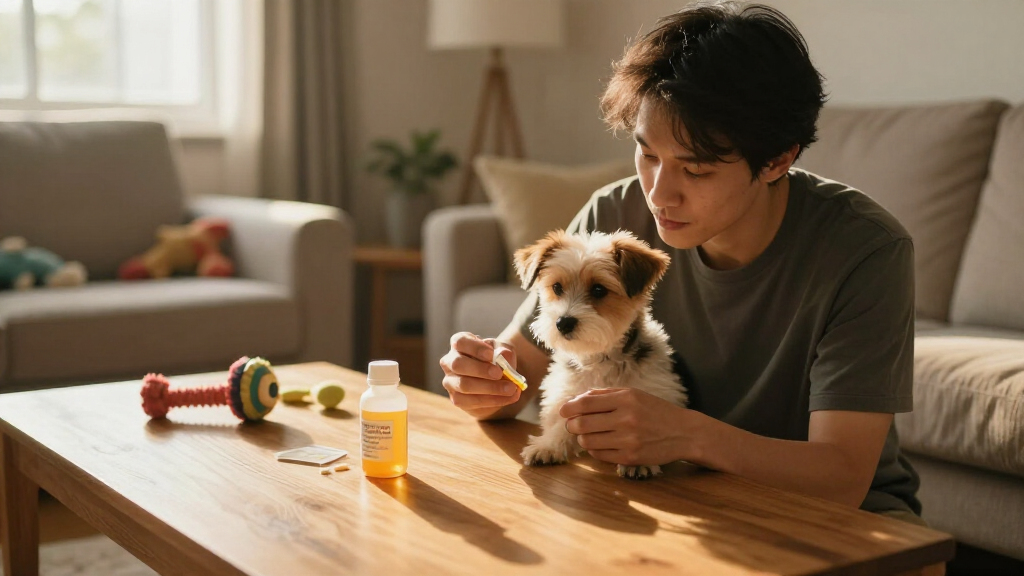
Pet antidepressant toxicity is a serious concern, especially when pets accidentally ingest medications. Experts warn pet owners to keep drugs out of reach and recognize early symptoms. This issue highlights the importance of proper medication management for pet safety.
Recent cases and veterinary warnings confirm that accidental ingestion of antidepressant medications by pets can cause severe toxicity, posing significant health risks. Understanding seizure treatments is crucial for pet safety. This development underscores the urgent need for pet owners to understand the dangers and take preventive measures to protect their animals.
Veterinary professionals and animal poison control centers have reported an increase in cases where pets, particularly dogs, ingest antidepressant medications such as SSRIs and SNRIs. Symptoms of toxicity include agitation, tremors, rapid heart rate, seizures, and in severe cases, coma. Pet owners should consult resources like the best dog seizure treatments guide for more information. According to the American Veterinary Medical Association, prompt treatment is critical for recovery, and early recognition of symptoms can save lives.
Experts emphasize that most incidents occur because medications are left within reach of curious or impulsive pets. The medications are sometimes prescribed for humans for depression or anxiety, but accidental ingestion by pets can have dangerous consequences. Veterinary toxicologists advise pet owners to store all medications securely and to seek immediate veterinary attention if ingestion is suspected. For more detailed guidance, see our article on seizure treatments.
Why Pet Antidepressant Toxicity Is a Growing Concern
This issue matters because antidepressant toxicity in pets can lead to serious health complications or death if not treated promptly. As more households include pets and antidepressant prescriptions increase, the risk of accidental ingestion rises. Raising awareness and educating pet owners about medication safety can prevent tragedies and reduce emergency veterinary visits.
As an affiliate, we earn on qualifying purchases.
Recent Trends and Common Causes of Pet Medication Poisoning
Over the past few years, reports from veterinary clinics and poison control centers indicate a rise in pet poisonings related to human medications, especially antidepressants. These drugs are often prescribed for mental health conditions in humans but are not safe for pets if ingested. The problem is compounded by the widespread availability of medications and the tendency for pets to explore household items.
Previous incidents have led to increased calls for better medication storage practices and public education campaigns. Despite these efforts, accidental ingestion remains a leading cause of pet poisoning, with antidepressants being among the most common culprits.
“Keeping medications out of reach is the simplest and most effective step to prevent accidental poisoning in pets.”
— Pet Poison Helpline
Uncertainties About Long-Term Effects and Treatment Protocols
While immediate treatment protocols are well-established, there is limited data on the long-term effects of antidepressant toxicity in pets. It is also unclear how different dosages or specific medications influence recovery outcomes. Researchers are still studying the full scope of potential lasting impacts and the most effective treatment approaches.
Next Steps in Prevention and Veterinary Response
Veterinary organizations and public health agencies plan to launch educational campaigns to raise awareness about medication safety. Additionally, researchers aim to develop clearer guidelines for treating antidepressant poisoning and understanding long-term effects. Pet owners are advised to review medication storage practices and consult veterinarians immediately if ingestion is suspected.
Key Questions
What are the most common symptoms of antidepressant toxicity in pets?
Symptoms include agitation, tremors, rapid heartbeat, seizures, vomiting, and in severe cases, coma. Immediate veterinary attention is essential if these signs appear.
How can I prevent my pet from ingesting medications?
Store all medications, especially antidepressants, in secure cabinets out of pets’ reach. Never leave pills unattended on counters or tables.
What should I do if I suspect my pet has ingested antidepressants?
Contact your veterinarian or an emergency pet poison control center immediately. Do not attempt to induce vomiting unless instructed by a professional.
Are all antidepressants equally dangerous to pets?
No, different medications and dosages can vary in toxicity. Some drugs may cause more severe symptoms, so prompt veterinary evaluation is critical regardless of the specific medication involved.
Is there any long-term risk for pets after recovering from toxicity?
Research is ongoing, but some pets may experience lingering effects depending on the severity of poisoning and treatment timing. Follow-up veterinary assessments are recommended.
Source: rss