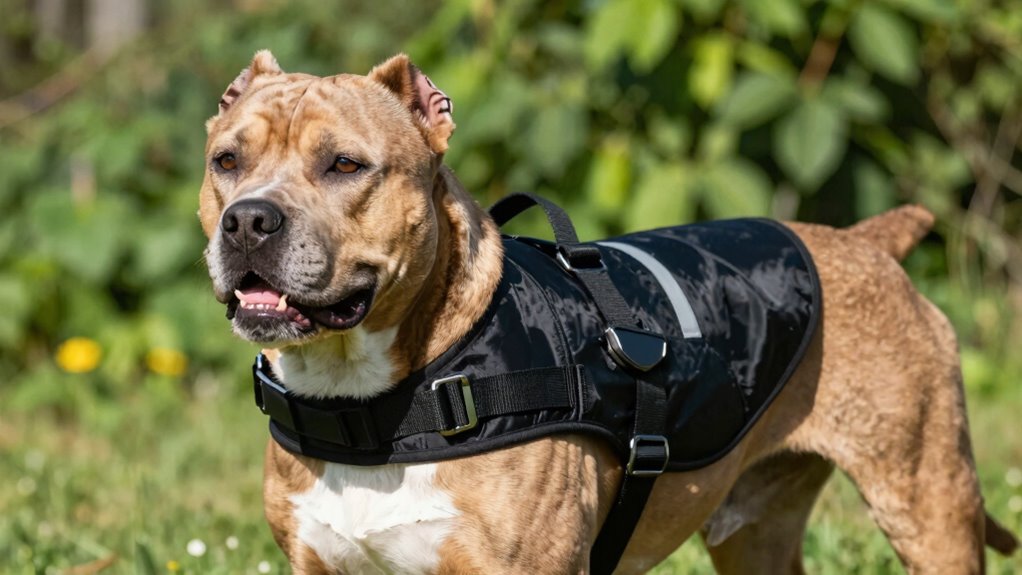

Weighted vests for dogs can be a great conditioning tool if used properly, helping boost strength, endurance, and muscle tone. However, if you overload or don’t guarantee a proper fit, you risk joint strain, discomfort, or injury, especially for small or aging dogs. To keep your pet safe, follow guidelines for weight, fit, and duration. Want to understand safer practices and alternatives? Keep exploring to help your dog stay healthy and happy.
Key Takeaways
- Properly fitted and used within 5-10% of the dog’s body weight, weighted vests can safely enhance conditioning.
- Overloading or improper fit may cause joint strain, injury, or discomfort, especially in small or older dogs.
- Gradual weight increase and short sessions help prevent excessive joint stress during training.
- Alternative exercises like swimming and hill climbing offer low-impact resistance benefits with less joint risk.
- Regular veterinary consultation and monitoring are essential to ensure safe and effective use of weighted vests.

ONETIGRIS Dog Backpack for Medium & Large Dogs, Nylon Backpack for Dogs Tactical Pet Backpack with Side Pockets for Hiking Walking Training Running (Black, Medium)
OneTigris MAMMOTH Dog Pack: Durable 1000D nylon with mesh lining for breathability to maximize function and comfort on…
As an affiliate, we earn on qualifying purchases.
As an affiliate, we earn on qualifying purchases.
What Are Weighted Vests for Dogs and How Do They Work?
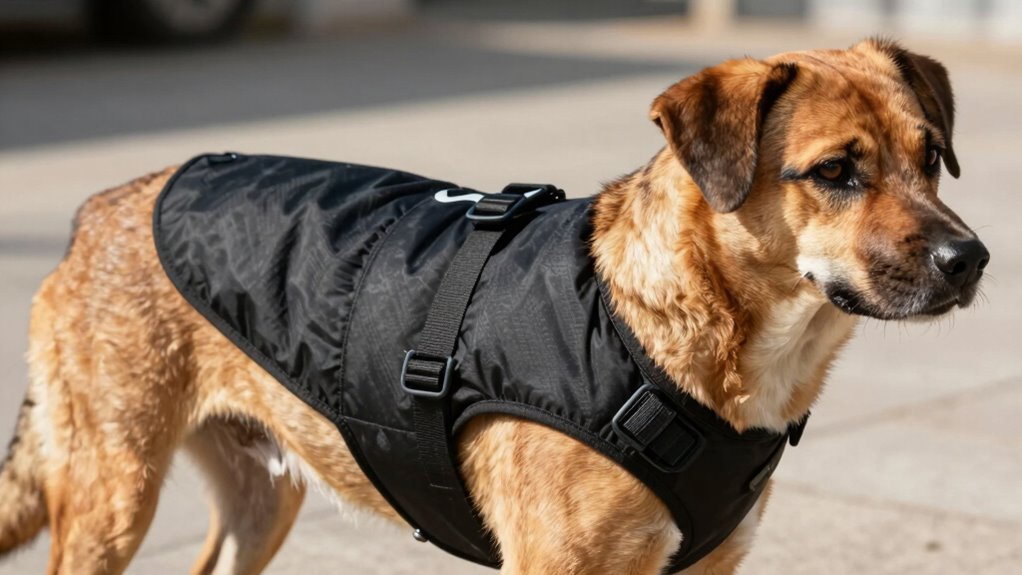
Weighted vests for dogs are specially designed harnesses that add extra weight to your pet’s body. They are used to enhance training techniques, such as strength building and endurance, but safety concerns should always come first. When used correctly, these vests can help improve your dog’s muscle tone and stamina. However, improper use or overloading can lead to stress or injury, so it’s essential to monitor your dog closely. Start with light weights and gradually increase as your dog adapts. Always observe their behavior for signs of discomfort or fatigue. Incorporate these vests carefully into your training routine, and consult with a veterinarian if you’re unsure about the appropriate weight or duration. Proper use guarantees your dog benefits safely from this conditioning tool.
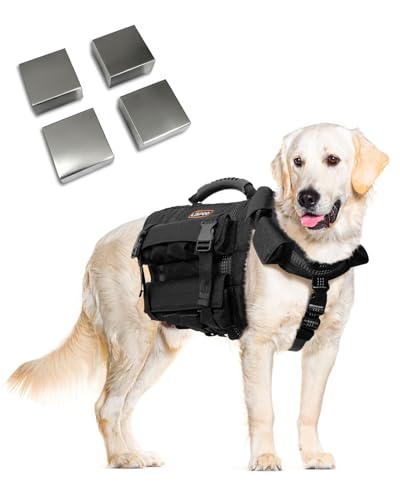
LISPOO Weighted Dog Vest & Collar Set with Pockets, Includes 4 Removable 0.88 lb Weight Blocks, Dog Training Gear for Exercise Walking & Conditioning, Muscle Building with Medium & Large Dogs (L)
WEIGHTS INCLUDED, READY TO TRAIN: This dog weighted vest includes 4 removable carbon steel weight blocks (each 1.77…
As an affiliate, we earn on qualifying purchases.
As an affiliate, we earn on qualifying purchases.
Are Weighted Vests Safe for Dogs? Risks and Precautions

Using a weighted vest can be safe if you choose the right weight for your dog, but selecting too heavy can cause issues. You should also be aware of potential joint strain, especially in smaller or older dogs. Always consult your vet before introducing a vest to make sure it’s suitable and safe for your pet. Proper fit and adjustment are crucial to prevent discomfort or injury. Additionally, understanding the lifecycle and performance metrics of the vest can help ensure it remains safe and effective over time. Regular maintenance and inspection can further extend the lifespan and safety of the equipment. Being aware of Piercing Care and Hygiene can help prevent infections related to improper use of body accessories and ensure your dog’s comfort and health over time.
Proper Weight Selection
Choosing the right weight for your dog’s vest is essential to guarantee safety and effectiveness. You should aim for a weight that enhances training without risking injury. Experts recommend starting with 5-10% of your dog’s body weight, adjusting gradually based on comfort. Avoid common training myths that heavier means better; overloading can cause joint strain and discomfort. Consider your dog’s size, age, and fitness level for proper weight selection. Remember, dog nutrition also influences their ability to handle added weight—healthy dogs respond better. Use this table as a quick guide:
| Dog Size | Recommended Weight | Notes |
|---|---|---|
| Small (under 20 lbs) | 1-2 lbs | Light, for training support |
| Medium (20-50 lbs) | 2-5 lbs | Gradually increase |
| Large (50+ lbs) | 5-10 lbs | Focus on comfort |
| Senior dogs | Less than 5 lbs | Consult vet first |
| Overweight dogs | Consult vet | Avoid added weight initially |
Potential Joint Strain
While weighted vests can be beneficial for training, they also pose potential risks if not used properly. One major concern is joint stress, which can lead to injury risk, especially if the vest is too heavy or worn incorrectly. To minimize this risk, you should:
- Monitor your dog’s behavior and stop use if they show signs of discomfort or limping.
- Ensure the vest fits snugly without restricting movement or causing chafing.
- Limit wearing time to prevent overloading joints, especially during strenuous activities.
- Consider using energy-efficient cloud solutions to optimize training data management and reduce environmental impact.
- Regularly assess your dog’s joint health and consult your veterinarian for personalized recommendations. Additionally, using proper training techniques can help prevent unnecessary strain.
Ignoring these precautions can increase injury risk and cause long-term joint strain. Always consult your veterinarian before starting weighted vest training and prioritize your dog’s safety to prevent joint issues.

LISPOO Tactical Weighted Dog Vest for Exercise with Adjustable Weighted Collar, Pocketed Design, Dog Weight Vest Suitable for Walking, Strength Training, Muscle Building with Medium & Large Dogs (S)
DUAL-MODULE DESIGN: This weighted vest for dogs adopts a two-part structure featuring a stand-alone tactical dog collar and…
As an affiliate, we earn on qualifying purchases.
As an affiliate, we earn on qualifying purchases.
What Are the Benefits of Using Weighted Vests in Dog Fitness?

Weighted vests can substantially enhance your dog’s fitness by providing additional resistance during exercise, which helps build strength and endurance. They can improve overall conditioning when used correctly, supporting better stamina and muscle development. This added challenge encourages more effective workouts, especially for active breeds. Keep breed considerations and dog nutrition in mind to prevent overexertion. Using a vest thoughtfully can lead to noticeable gains in your dog’s performance. Visualize this transformation:
| Before Using Vest | After Using Vest |
|---|---|
| Lower stamina | Increased endurance |
| Softer muscles | Firmer, stronger muscles |
| Less resistance | Greater resistance during walks |
| Moderate activity | Enhanced strength training |
| Basic fitness | Advanced conditioning |
This simple addition can *release* new levels of your dog’s fitness potential. Additionally, understanding proper usage techniques can help maximize benefits while minimizing risks. Incorporating safety precautions is essential to ensure your dog’s well-being during training sessions. Proper training protocols can further optimize results and reduce the risk of injury. For best results, consider integrating progressive overload to gradually increase resistance and challenge your dog safely. Implementing training consistency can also promote steady improvements and prevent setbacks.

Walktime, Dog Harness for Small Medium Large Dogs No Pull, Dog Weighted Vest, Tactical Dog Harness for Pit Bulls with Pockets (Adjustable Weight) – Weight Loss, Exercise, Walking, Muscle
Adjustable Weights, Distributed Training – The service dog vest allows you that individually add / reduce weight ingots…
As an affiliate, we earn on qualifying purchases.
As an affiliate, we earn on qualifying purchases.
How Do You Choose the Right Dog Weighted Vest? Key Factors
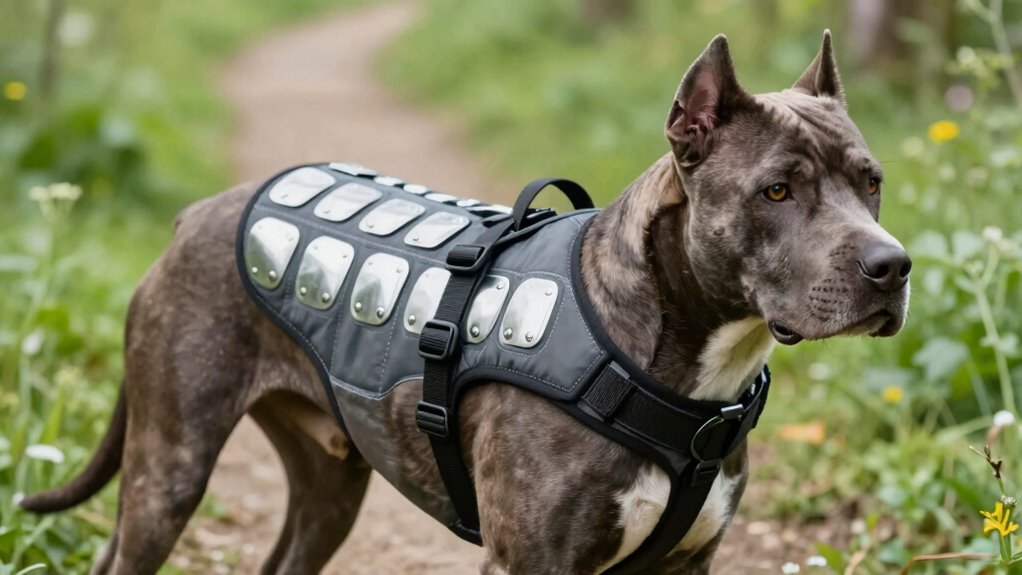
Choosing the right dog weighted vest means considering the proper weight range to keep your dog safe and effective. You’ll also want a vest that fits well and feels comfortable during wear. Finally, pick a durable material that can withstand your dog’s activity level and last over time.
Proper Weight Range
Determining the appropriate weight for your dog’s vest is essential for safe and effective training. An overly heavy vest can strain your dog’s joints, while too light may not provide enough benefit. To find the right balance, consider these key points:
- Dog weight: Aim for a vest that weighs no more than 10% of your dog’s total weight to ensure safety.
- Activity level: More active or larger dogs may handle slightly heavier vests, but always prioritize safety.
- Veterinarian advice: Consult your vet to confirm the ideal weight range, especially if your dog has existing joint issues or health concerns.
Following these guidelines helps maintain vest safety and promotes effective conditioning without risking injury.
Fit and Comfort
To guarantee your dog’s comfort and safety, selecting a vest that fits properly is essential. A well-fitting vest prevents discomfort and ensures your dog can move freely. Measure your dog’s chest, neck, and length, then compare these to sizing charts. Look for adjustable straps for a snug fit without pinching. Remember, pet fashion isn’t just about style—comfort matters. A poorly fitted vest can cause chafing or restrict movement. Consider these key factors:
| Fit Factor | Importance | Tips |
|---|---|---|
| Proper Sizing | Comfort and safety | Measure accurately and check size charts |
| Adjustability | Custom fit for movement | Use adjustable straps |
| Material Flexibility | Ease of movement | Choose soft, stretchable fabric |
| Weight Distribution | Evenly spread load | Ensure balanced weight placement |
| Style & Design | Pet fashion appeal | Opt for functional, stylish options |
Additionally, selecting a vest made from flexible materials can greatly enhance your dog’s comfort during activity. It is also beneficial to consider the breeds and sizes of your dog, as different breeds may have unique needs for weight distribution and fit.
Material and Durability
Selecting the right materials for your dog’s weighted vest is essential for durability and safety. You want materials that withstand wear and tear through durability testing and guarantee material safety for your pet. To make an informed choice, consider these factors:
- Fabric Quality: Choose high-denier nylon or polyester for strength and resistance to ripping.
- Padding and Lining: Opt for non-toxic, breathable materials that prevent chafing and promote comfort.
- Weight Embedding: Ensure weights are securely fastened with durable stitching, preventing shifting or breakage during use.
Prioritize products tested for durability and confirmed to meet safety standards. A well-constructed vest will last longer, resist damage, and keep your dog safe during training sessions.
How to Safely Use a Weighted Vest During Dog Training
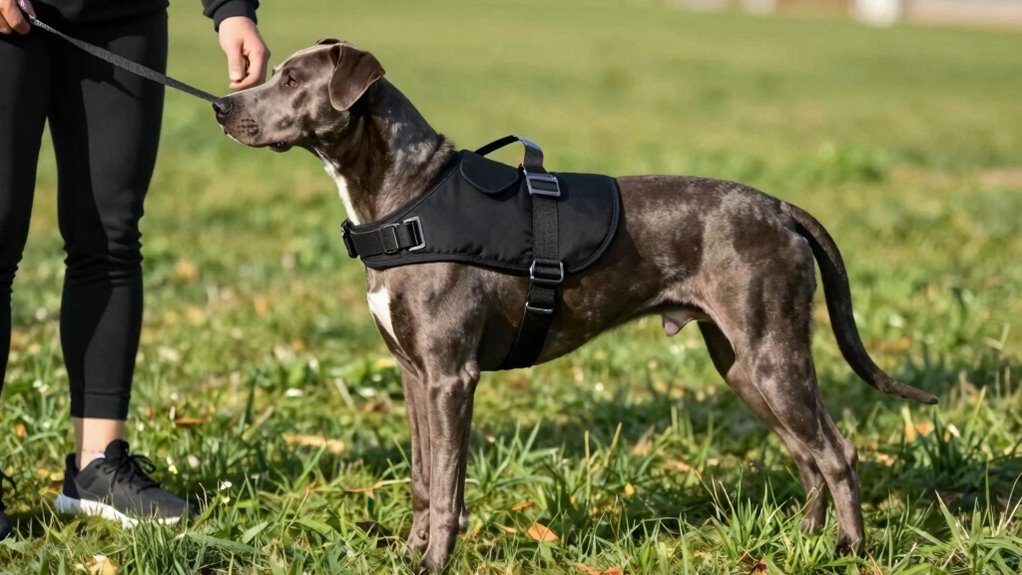
Using a weighted vest during dog training can be beneficial, but it’s essential to prioritize safety from the start. Begin by selecting the right size and weight, ensuring the vest fits snugly without restricting movement. Always choose high-quality pet accessories that are designed specifically for dogs, avoiding makeshift solutions that could cause discomfort. Introduce the vest gradually, allowing your dog to get used to wearing it for short periods before adding weight. Monitor your pet closely for signs of stress or discomfort, stopping immediately if needed. Use positive reinforcement to associate the vest with good experiences. Never force your dog into wearing the vest or push beyond their comfort level. Ensuring proper fit and gradual adaptation helps prevent injury and promotes safe, effective training.
How Can You Tell If Your Dog Is Overexerted or Uncomfortable?
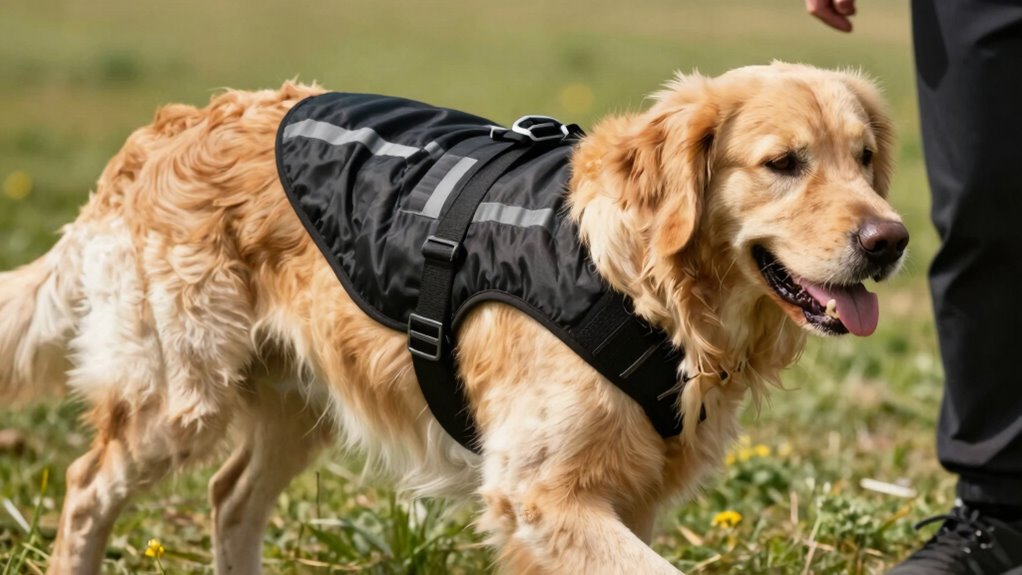
Monitoring your dog’s behavior during weighted vest training helps guarantee they stay safe and comfortable. Signs of overexertion or discomfort include:
- Excessive dog stress, such as whining, panting, or avoiding movement.
- Increased leash pulling or resistance, indicating fatigue or frustration.
- Sudden stops or reluctance to continue, showing they’re overwhelmed.
Pay attention to these cues to prevent injury or discouragement. If your dog shows signs of distress, remove the vest immediately and allow them to rest. Keep training sessions short and gradually increase intensity. Remember, a stressed or overworked dog may develop behavioral issues or joint problems over time. Always prioritize your dog’s well-being over completing a session and consult your vet if you notice persistent signs of discomfort. Additionally, ensuring proper safety checklists such as CO alarms, cords, and placement can help prevent accidental injuries during training sessions.
What Do Experts Say About Using Weighted Vests for Dogs? Guidelines and Tips
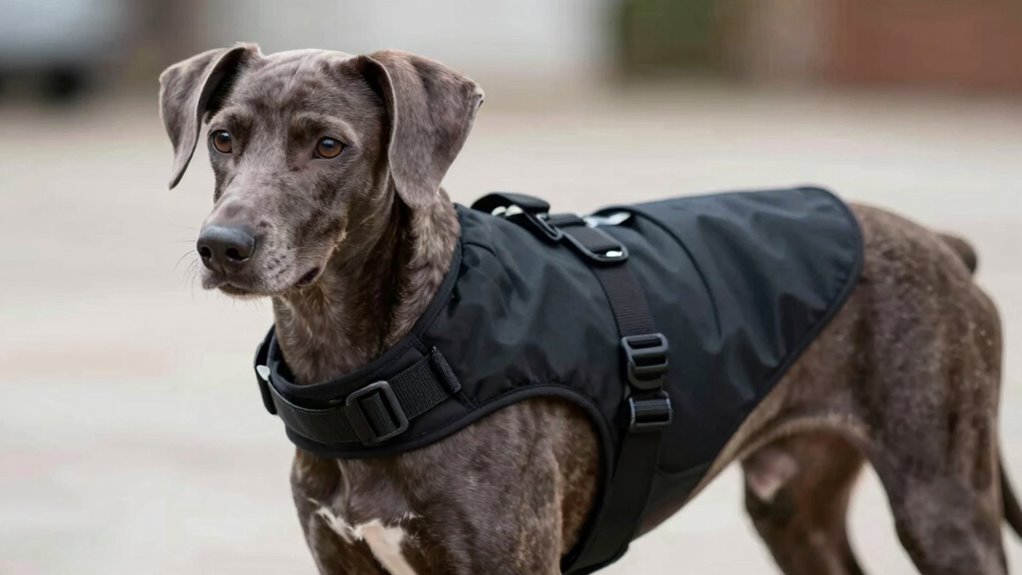
Experts agree that weighted vests can be beneficial for dogs when used correctly, but they emphasize the importance of following specific guidelines to guarantee safety. Before introducing a vest, you should prioritize dog weight management and consult your veterinarian to determine if your dog is a good candidate. Proper fit is vital — the vest shouldn’t restrict movement or cause discomfort. Start with light weights and gradually increase as your dog builds strength, always monitoring for signs of fatigue or stress. Keep training sessions short initially, and stop if your dog shows any signs of overexertion. Regular veterinary consultation helps guarantee you’re using the vest appropriately and safely, making it a useful conditioning tool rather than a risk. Additionally, maintaining awareness of dog health conditions can help prevent potential issues related to weighted vest use. Being aware of dog fitness levels ensures that the vest is used as a safe and effective conditioning aid. Incorporating appropriate training techniques can enhance the benefits while minimizing risks. Recognizing the importance of ear wax odor can also be useful if your dog exhibits unusual behaviors or signs of discomfort. Monitoring your dog’s overall behavioral responses can provide early indications of discomfort or adverse effects.
Are There Alternatives to Weighted Vests for Dog Strength? Other Options
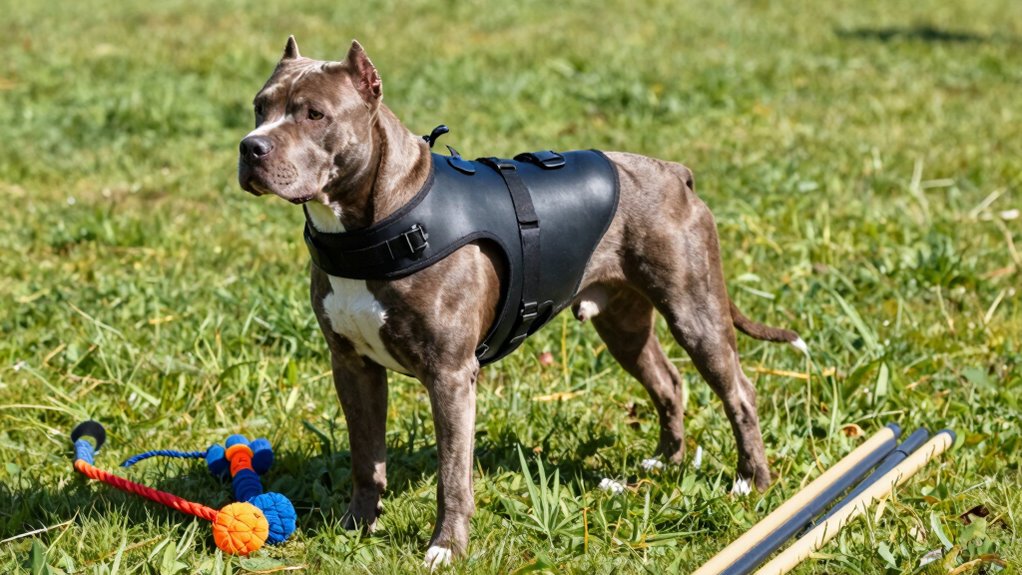
If you’re looking for alternatives to weighted vests, bodyweight exercises can be very effective for building your dog’s strength. Natural play activities like tug-of-war and fetch also encourage muscle development without special equipment. Additionally, resistance training options can provide targeted workouts to help your dog stay strong and healthy.
Bodyweight Exercises Benefits
While weighted vests are a popular way to add resistance during dog training, bodyweight exercises alone can also effectively build strength without any equipment. These exercises promote safe, natural weight training and enhance canine agility. You can incorporate:
- Hill Sprints – Increase strength and stamina on inclines, boosting overall power.
- Jumping Drills – Improve leg muscles and coordination through controlled jumps.
- Balance Exercises – Use stability training to strengthen core muscles and prevent injury.
These activities engage multiple muscle groups, improve flexibility, and promote functional strength. They’re especially beneficial for dogs with joint concerns, as they avoid added weight stress. Bodyweight exercises serve as excellent alternatives to weighted vests, delivering effective strength gains while minimizing joint risks. Understanding muscle engagement can help optimize training routines for safety and effectiveness.
Natural Play Activities
Instead of relying solely on equipment like weighted vests, you can harness natural play activities to boost your dog’s strength. Engaging in playful agility exercises encourages your dog to jump, climb, and weave, building muscle and coordination naturally. These activities also keep your dog mentally stimulated and physically active without added risks. Scent work is another excellent option, where you hide treats or toys and encourage your dog to find them. This not only stimulates their mind but also promotes controlled movement and endurance. Incorporating these natural activities into your routine can improve strength and agility gradually while strengthening your bond. Plus, they’re safer than some equipment, reducing joint strain and avoiding overexertion. Additionally, natural exercise methods support overall health and can be tailored to your dog’s individual needs.
Resistance Training Options
When exploring resistance training options for your dog, there are several effective alternatives to weighted vests that can help build strength safely. These methods focus on enhancing dog agility and supporting overall health through proper canine nutrition. Consider the following options:
- Hill or stair climbing: This natural resistance exercise boosts leg strength and endurance, improving agility and muscle tone.
- Tug and pull games: Engaging in controlled tug-of-war can strengthen jaw muscles and core stability without risking joint stress.
- Water-based activities: Swimming or water treadmill sessions provide low-impact resistance training, ideal for dogs with joint concerns or recovering from injury.
- Proper training and equipment: Incorporating resistance training strategies that align with your dog’s individual health needs can optimize strength development while minimizing injury risks.
These alternatives promote safe strength building while supporting your dog’s agility and nutritional needs.
Do Weighted Vests Help or Harm Dogs? Real-Life Experiences
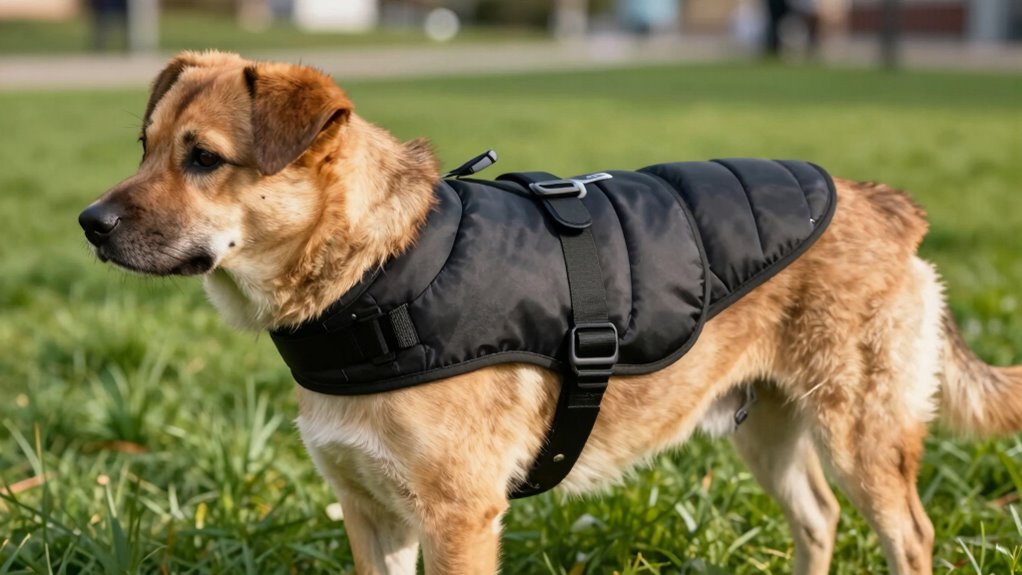
Many dog owners have turned to weighted vests, hoping they can strengthen their pets’ muscles and improve overall fitness. In real-life experiences, some dogs show noticeable improvements in stamina and muscle tone, especially when their diet supports good dog nutrition. However, breed suitability plays a significant role; smaller or older dogs may struggle with added weight, risking joint strain or injury. Owners report quick fatigue or discomfort if they don’t select the right vest or monitor their dog’s response. While some dogs adapt well and benefit from targeted training, others experience adverse effects. These experiences highlight that weighted vests aren’t a one-size-fits-all solution and require careful assessment of your dog’s health, breed, and individual tolerance before use.
Final Tips for Responsible and Safe Use of Weighted Vests
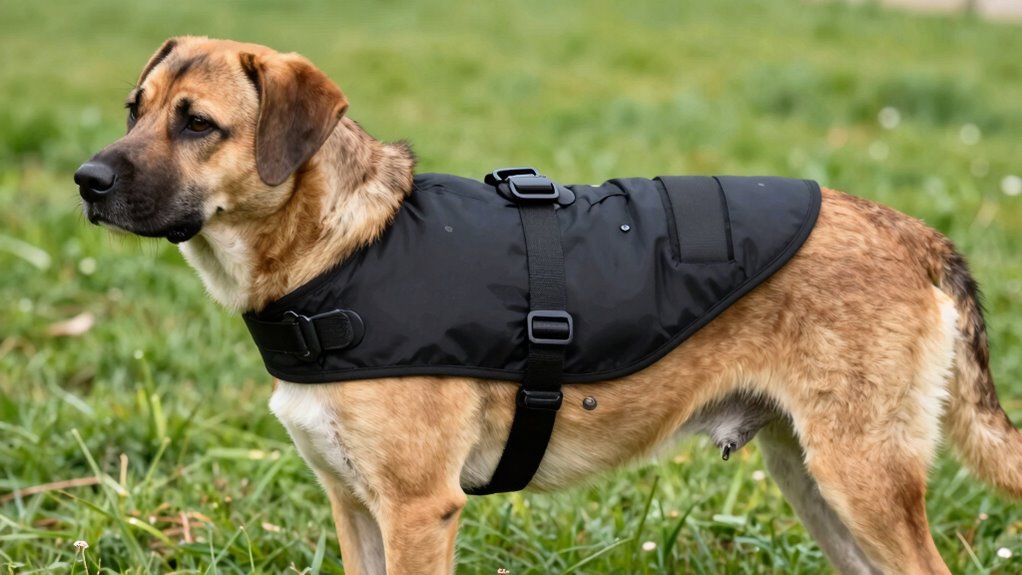
To guarantee your dog’s safety while using weighted vests, it’s essential to follow responsible practices and monitor their response closely. Always start with light weights and gradually increase as your dog adapts. Consult veterinary advice before incorporating vests into your dog training routine, especially if your dog has existing health issues. Keep these tips in mind:
- Observe your dog for signs of discomfort or fatigue during use, and discontinue if needed.
- Limit sessions to short durations, gradually increasing as tolerated.
- Ensure proper fit to avoid chafing or restricted movement, and always check with your vet for personalized guidance.
Frequently Asked Questions
Can Weighted Vests Improve My Dog’s Athletic Performance?
Yes, weighted vests can improve your dog’s athletic performance when used properly. They add resistance, boosting fitness benefits and encouraging muscle development. However, verify training safety by gradually increasing weight and monitoring your dog’s response. Consult a veterinarian or professional trainer to prevent injury. When used correctly, weighted vests can enhance strength, stamina, and overall performance, making your dog more agile and resilient during activities.
How Often Should My Dog Wear a Weighted Vest?
Think of your dog’s training schedule as a delicate dance—balance is key. You should limit weighted vest use to 2-3 times a week, ensuring proper training frequency without overloading. Always prioritize safety considerations by monitoring your dog’s response and consulting your vet. Gradually increase wearing time, starting with short sessions, so your dog builds strength safely without risking joint strain or discomfort.
Are There Specific Breeds That Benefit Most From Weighted Vests?
Certain breeds, like athletic or high-energy dogs, benefit most from weighted vests due to their breed suitability for exercise and strength training. Small or fragile breeds, however, may face health considerations that make vests risky. Always assess your dog’s breed and health status before using a weighted vest, and consult your veterinarian to make sure it’s a safe and effective conditioning tool tailored to your dog’s needs.
What Signs Indicate My Dog Needs a Break From the Vest?
Imagine your dog’s like a vintage radio—if it starts crackling, it’s time to stop. Watch for fatigue signs like heavy panting, lagging behind, or reluctance to continue. Discomfort indicators include whining, yelping, or limping. If you notice any of these, give your pup a break from the vest. Your dog’s well-being comes first, so listen closely and guarantee they’re comfortable during workouts.
Is Professional Veterinary Advice Necessary Before Using a Weighted Vest?
You should definitely seek professional veterinary advice before using a weighted vest on your dog. A vet can evaluate your dog’s weight and overall health to guarantee vest safety. They can recommend the appropriate weight and duration, reducing the risk of joint strain or injury. Consulting a professional helps you make informed decisions, ensuring your dog benefits from the vest without risking their well-being.
Conclusion
Using weighted vests can boost your dog’s fitness, but safety is key. Studies show that proper use can improve strength and endurance, yet improper use may cause joint strain. Always choose the right vest and follow expert guidelines. Remember, only about 10% of your dog’s body weight should be added. By staying informed and cautious, you help guarantee your furry friend’s workouts are safe, effective, and enjoyable.