Weather greatly influences whether a roofed or open run works best for your animals. If it’s hot and humid, roofed enclosures can trap heat and moisture, risking health issues, so good ventilation is essential. Open runs offer natural light and airflow but need shade and weather protection during rain or cold to keep animals comfortable. Understanding how seasonal changes impact these setups can help you create a healthier environment—stick around to find out more.
Key Takeaways
- Weather conditions determine whether animals need shelter from rain, sun, or wind, influencing the choice between roofed and open runs.
- Hot and humid weather requires good ventilation in roofed enclosures to prevent overheating and respiratory issues.
- Open runs offer natural light and airflow but need shading and weather protection during extreme weather.
- Seasonal changes may require modifications like insulation or windbreaks to maintain animal comfort.
- Properly designed enclosures adapt to weather variations, ensuring safety, health, and comfort year-round.

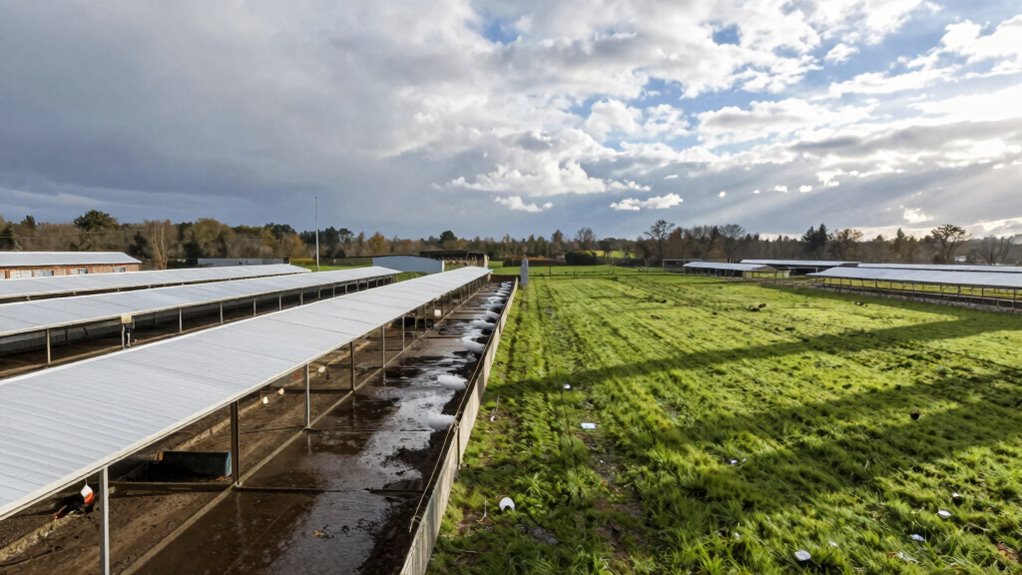
When choosing the right outdoor enclosure for your animals, understanding the differences between roofed runs and open runs is essential. Your decision impacts not only their comfort but also their health, especially when weather conditions change. Roofed runs provide shelter from rain, snow, and direct sunlight, but they also present unique challenges related to ventilation and lighting. Open runs, on the other hand, offer natural airflow and sunlight, which are vital for your animals’ well-being, yet they leave them exposed to the elements. Recognizing how weather influences these factors helps you create a safe, comfortable environment regardless of the forecast.
Choosing between roofed and open runs affects your animals’ comfort and health amid changing weather conditions.
Ventilation challenges are a major concern, particularly in roofed enclosures. When you have a roof overhead, it can trap heat and moisture, especially during hot or humid days. Without proper ventilation, your animals risk overheating or developing respiratory issues. To prevent this, you need to ensure your roofed run has sufficient airflow, such as vents, open sides, or fans, which help circulate fresh air and reduce humidity buildup. On rainy or snowy days, poor ventilation can cause dampness and mold, making your animals uncomfortable and potentially sick. Therefore, it’s crucial to plan your roofed run with ventilation in mind, especially in climates with unpredictable weather. Proper ventilation not only helps regulate temperature and humidity but also reduces the risk of respiratory problems caused by poor air quality. Additionally, adjusting ventilation based on seasonal changes can further improve your animals’ comfort and health. Incorporating climate considerations into your enclosure design ensures your animals stay comfortable year-round, regardless of weather fluctuations.
Lighting considerations are equally important and vary significantly between roofed and open runs. In a roofed enclosure, natural light may be limited, especially if the roof is solid or if there’s minimal side exposure. During overcast days or in winter months, this can lead to a dim environment, which might affect your animals’ activity levels and mood. You might need to supplement with artificial lighting, ensuring it’s safe and provides adequate brightness without causing stress. Conversely, open runs bask in natural sunlight, which promotes vitamin D synthesis and encourages natural behaviors. However, during intense sun or heatwaves, too much direct sunlight can cause overheating or sunburns. Providing shaded areas within open runs helps balance these lighting considerations, allowing your animals to enjoy the benefits of sunlight while staying protected from excessive heat. Proper lighting also influences your animals’ overall well-being and activity patterns, making it an essential factor to consider when planning your enclosure. Being mindful of seasonal changes can help you adapt lighting and shading strategies to maintain a comfortable environment throughout the year.
Weather truly changes the dynamics of outdoor enclosures, influencing ventilation needs and lighting conditions. A roofed run offers shelter but demands thoughtful airflow solutions to keep your animals healthy and comfortable. Open runs maximize natural light and airflow but require strategic shading and weather protection to prevent overheating and sun damage. Additionally, seasonal changes can influence how you need to adapt your enclosure, such as adding insulation or windbreaks in colder months. Ultimately, your choice depends on your climate, the specific needs of your animals, and your ability to adapt the environment to changing weather conditions. Being aware of these factors allows you to design an enclosure that’s both functional and comfortable, no matter what the weather throws your way.

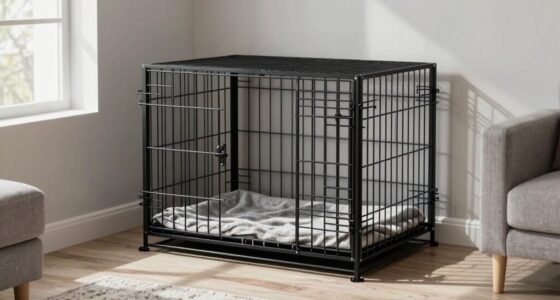
NUGRIART Metal Chicken Coop 86"×40"×40" Chicken Run with Waterproof Cover Portable Poultry Cage Walk in Hen House Outdoor Backyard Farm Animal Enclosure Crate Pet Playpen Exercise Pen for Rabbit Duck
More Secure Door Lock Design: Different from the traditional door lock the chicken cage with automatic gravity lock…
As an affiliate, we earn on qualifying purchases.
As an affiliate, we earn on qualifying purchases.
Frequently Asked Questions
Do Roofed Runs Reduce Overall Stress for Animals?
Yes, roofed runs can reduce overall stress for animals. By providing shelter, you improve animal comfort, shielding them from harsh weather like rain, snow, or excessive sun. This environment minimizes stress caused by weather fluctuations, helping animals feel safer and more relaxed. With less environmental stress, animals tend to be healthier and more active, making roofed runs an effective way to promote their well-being and overall comfort.
How Does Wind Impact Open Runs Differently Than Roofed Runs?
You notice how wind effects on open runs can be unpredictable, stirring dust and chilling animals unexpectedly. Without a roof, gusts force you to manage run ventilation carefully, preventing drafts that stress animals or cause health issues. Roofed runs shield animals from harsh wind effects, maintaining a calmer environment. The difference is clear: open runs are vulnerable to wind’s whims, while roofed ones offer a controlled, comfortable space.
Are Roofed Runs More Cost-Effective Long-Term?
Roofed runs are generally more cost-effective long-term because, despite higher initial construction costs, they reduce maintenance expenses caused by weather damage. You’ll spend less on repairs and upkeep since a roof protects your animals from rain, snow, and harsh sun. Over time, this saves you money and effort, making roofed runs a smart investment for consistent, low-maintenance animal housing, especially in variable climates.
What Specific Weather Conditions Cause the Most Disruption?
Weather throws the biggest curveballs with temperature fluctuations and humidity levels, disrupting your animals’ comfort and health. Sudden cold snaps or heatwaves can stress them out, while high humidity fosters disease and mold growth. These conditions act like a storm on your operation, forcing you to adjust ventilation, heating, or cooling systems constantly. Being prepared for such weather swings helps keep your animals safe and your farm running smoothly.
Can Animals Adapt Equally Well to Both Run Types Over Time?
Animals can adapt to both run types over time, but their behavior and adaptation strategies differ. In open runs, they develop resilience to weather changes like wind and rain, adjusting their activity levels. In roofed runs, they rely less on environmental cues, focusing more on social interactions and internal routines. Your animals’ ability to adapt depends on their species, individual traits, and how consistently they’re exposed to varying weather conditions.

Cat House Outdoor Weatherproof Feral Shelter Indoor with Openable Asphalt Roof for Cats & Small Animals
Weatherproof Cat House: Built to withstand nature's toughest challenges, our cat shelter features a premium asphalt roof that…
As an affiliate, we earn on qualifying purchases.
As an affiliate, we earn on qualifying purchases.
Conclusion
When choosing between roofed and open runs, weather truly plays a pivotal role. Did you know that in rainy climates, roofed runs can reduce your pet’s stress by up to 60%, keeping them dry and comfortable? It’s clear that shelter can make a significant difference in your pet’s well-being. So, consider your local weather patterns carefully—investing in roofed runs might just be the best decision you make for your furry friend’s comfort and safety.

IMSGVIFO 90% Shade Cloth, Chicken Coop Shade Cover, Sturdy Sunblock Mesh Tarp with Grommets for Patio Plants Greenhouse Kennel Porch Pergola Sun Protection Neting Cover, 5x10FT
80%-90% SHADING RATE: Our shading nets boast an impressive shading rate of 80%-90%, making them highly effective in…
As an affiliate, we earn on qualifying purchases.
As an affiliate, we earn on qualifying purchases.

Fundamental Knowledge on Forgotten Species: An Exploration of Data from Rarely Studied Captive Animals
As an affiliate, we earn on qualifying purchases.
As an affiliate, we earn on qualifying purchases.