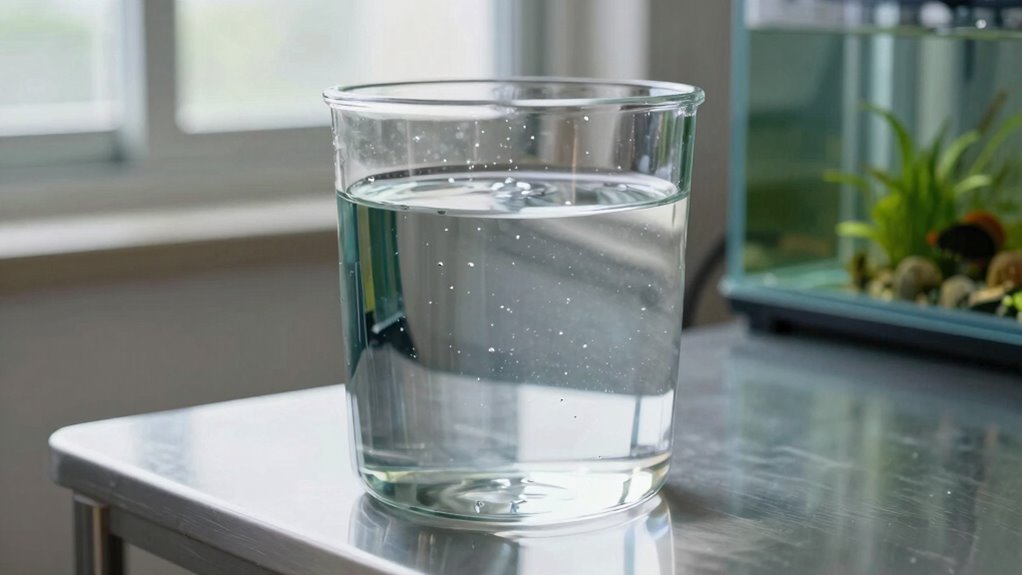
You should use RO/DI water in your aquarium whenever you notice water quality issues like high nitrate or fluctuating pH, or if your source water has high mineral content or contaminants. It’s crucial for saltwater mixes, water top-offs, and regular water changes to guarantee your tank stays clean, stable, and healthy. Continuing this way, you’ll discover how to select the right system and avoid common mistakes for ideal results.
Key Takeaways
- Use RO/DI water to achieve optimal water quality by removing impurities and contaminants.
- Employ RO/DI water during saltwater mixing, water top-offs, and water changes for better stability.
- Monitor water parameters regularly; elevated or fluctuating readings indicate the need for RO/DI water.
- Select an RO/DI system based on filtration stages, capacity, and water source to meet your tank’s demands.
- Regular maintenance and testing ensure consistent water purity and prevent equipment issues.
What Is RO/DI Water and Why Is It Essential for Your Aquarium?
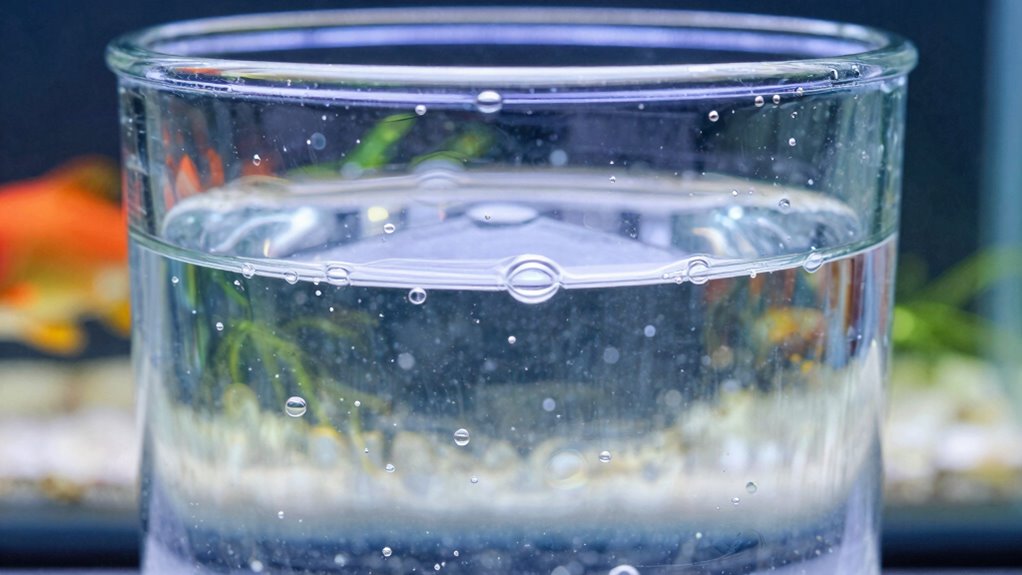
Have you ever wondered why pure water is so important for a healthy aquarium? The answer lies in maintaining ideal water quality, which directly impacts your fish and plants. RO/DI water, or reverse osmosis/deionized water, is specially purified to remove impurities, contaminants, and minerals. This pure water offers significant filtration benefits, helping you control water parameters precisely. Using RO/DI water minimizes pollutants, algae growth, and harmful substances that can stress or harm aquatic life. It creates a stable environment, making it easier to manage your tank’s conditions. By starting with this high-quality water, you ensure your aquarium remains clean, healthy, and vibrant. Proper filtration is essential in maintaining water clarity and safety for your aquatic inhabitants. That’s why so many serious hobbyists rely on RO/DI water as the foundation for their aquatic ecosystems. Incorporating water testing regularly helps monitor water quality and ensures your setup remains optimal. Additionally, understanding water parameters and how they influence your tank’s health is crucial for successful aquarium keeping. Regularly using quality water sources can significantly reduce maintenance time and prevent issues before they arise.
How Can You Tell If Your Aquarium Needs RO/DI Water?
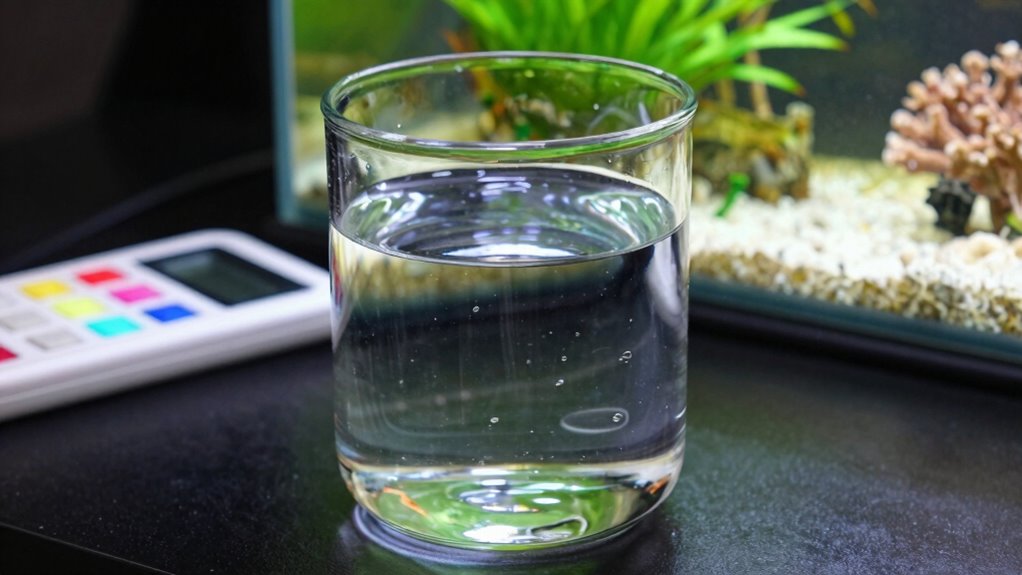
Determining if your aquarium needs RO/DI water involves checking water quality and how your tank responds to current conditions. Regular water testing is essential—you want to monitor parameters like TDS, pH, and nitrate levels, which can indicate if your water has accumulated impurities. If you notice consistent elevated readings or fluctuations, it may be time to switch to RO/DI water for better control. Additionally, equipment maintenance plays a role; if filters, reactors, or other filtration systems aren’t performing *best*, your water quality could decline. Using RO/DI water can help stabilize tank conditions, especially if your current water source is high in minerals or contaminants. It’s also important to consider the natural filtration systems used in natural pools, which can influence your decision. Regularly assessing your water testing protocols ensures you stay ahead of potential issues and maintain optimal water quality. Keep a close eye on your test results and maintain your equipment to determine if RO/DI water is needed. For instance, ear wax odor or other unusual smells in your tank could suggest buildup of impurities that RO/DI water helps prevent. Additionally, understanding the composition of your source water can help you decide when RO/DI water is necessary for your aquarium’s health. Monitoring water mineral levels regularly can also prevent buildup and support a healthy aquatic environment.
When Should You Use RO/DI Water in Your Tank?

Knowing when to use RO/DI water in your tank is essential for maintaining ideal water quality. Use it during saltwater mixing to ensure purity and prevent introducing contaminants that could harm corals and fish. RO/DI water also plays a crucial role in algae prevention, as it lacks nutrients that promote unwanted algae growth. If you notice algae outbreaks or inconsistent water parameters, switch to RO/DI water immediately. Additionally, when preparing top-offs or water changes, opting for RO/DI guarantees your tank stays clean and stable. Proper water management is vital for long-term success in reef keeping. Here’s a quick emotional reminder:
| When to Use RO/DI Water | Why It Matters |
|---|---|
| Saltwater mixing | Ensures purity and stability |
| Water top-offs | Prevents algae and contaminants |
| Water changes | Keeps your tank healthy and clear |
How to Choose the Best RO/DI System for Your Aquarium
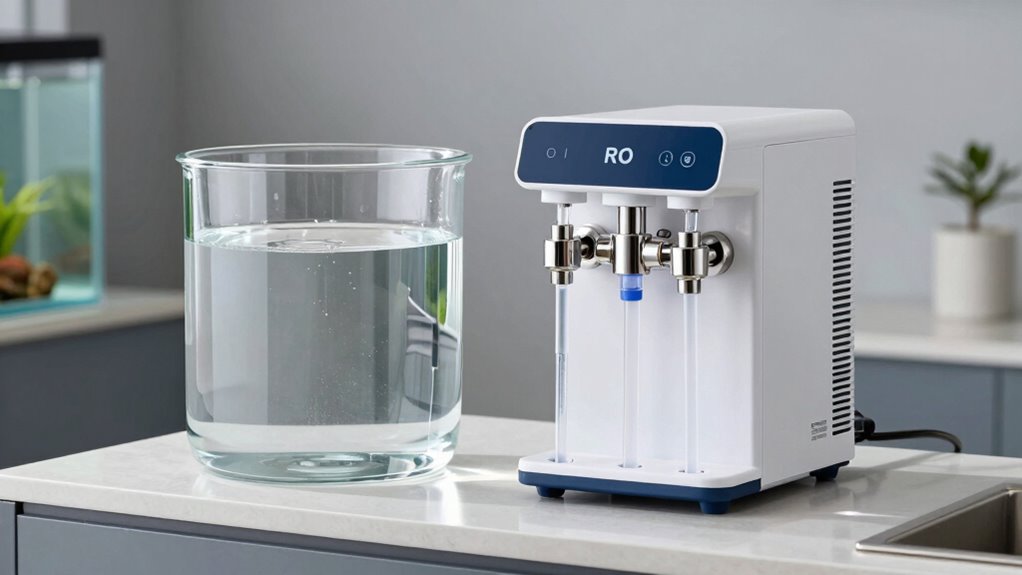
Choosing the right RO/DI system for your aquarium depends on your specific needs, budget, and tank size. To guarantee effective water purification and simplify aquarium maintenance, evaluate system features carefully. Look for filters with multiple stages for thorough purification, and contemplate flow rate to meet your water demand. Durability and ease of filter replacement are also important. Here are some factors to consider:
- Number of filtration stages
- Filter lifespan and replacement costs
- System flow rate
- Build quality and durability
- Compatibility with your water source
- Be aware of cryptid mysteries and other folklore phenomena that can influence perceptions of water sources and their purity. Additionally, understanding filtration technologies can help you select a system that provides consistent quality over time. Knowing about water chemistry and how different systems alter parameters like pH and mineral content can further optimize your aquarium’s health. Moreover, assessing the system maintenance requirements will ensure you choose a setup that fits your willingness and ability to perform regular upkeep. Incorporating monitoring tools can also help you maintain optimal water quality and detect issues early.
Common Mistakes to Avoid When Using RO/DI Water
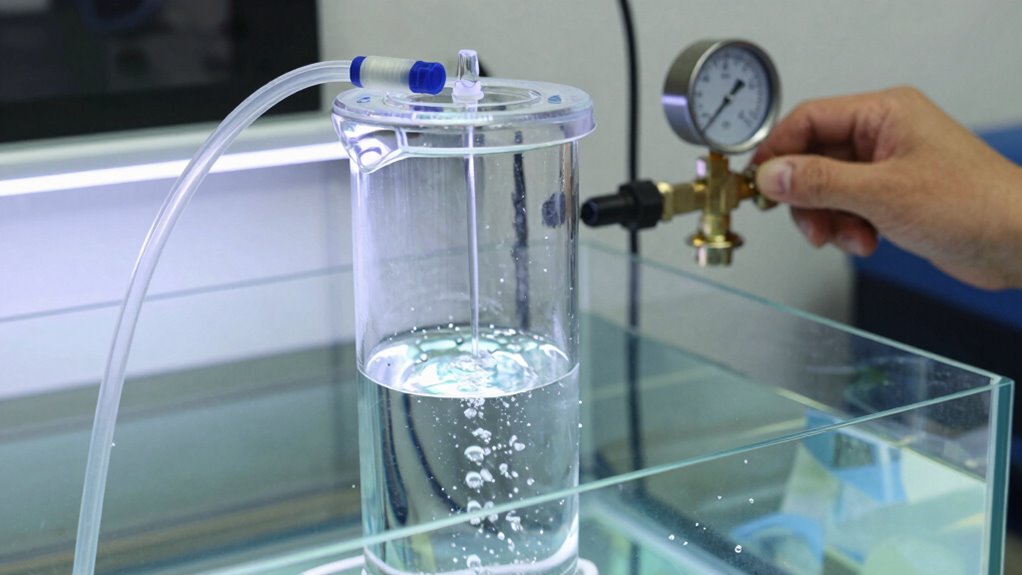
Using an RO/DI system correctly can greatly improve your aquarium’s health, but it’s easy to make mistakes that compromise water quality. One common error is neglecting regular water testing; without it, you won’t know if your water is pure or contaminated. Always test your water before adding it to your tank to catch issues early. Another mistake is skipping equipment maintenance—filters and membranes need periodic replacement to guarantee the best performance. Failing to maintain your system can result in poor water purity and harm your aquatic life. Also, avoid storing RO/DI water in unclean containers, which can introduce pollutants. By staying diligent with water testing and routine equipment maintenance, you guarantee your water remains clean and your aquarium stays healthy.
Frequently Asked Questions
How Often Should I Replace the Filters in My Ro/Di System?
You should replace the filters in your RO/DI system every 6 to 12 months to ensure peak filter performance. Regularly changing the pre-filters and DI resin extends your system’s lifespan and maintains water purity. Keep an eye on flow rates and water quality—if they decline, it’s time for replacements sooner. Proper maintenance guarantees your system runs efficiently, providing clean, safe water for your aquarium.
Can Ro/Di Water Be Used for Freshwater Aquariums?
Yes, you can use RO/DI water for freshwater aquariums. It provides excellent water quality by removing impurities, ensuring a healthy environment for your fish and plants. Just make sure your system is well-maintained, and replace filters regularly to keep the water pure. Proper system maintenance guarantees the water remains free of contaminants, giving your freshwater aquarium the most suitable conditions it needs to thrive.
What Are the Signs of a Failing Ro/Di System?
You’ll notice your RO/DI system is failing when water quality declines, showing increased TDS levels or visible contaminants. Regular system maintenance is essential; if filters aren’t replaced on schedule, they become clogged, reducing effectiveness. You might also hear strange noises or see leaks, indicating issues. Monitoring TDS regularly helps catch problems early, ensuring your water stays pure for your aquarium. Keep up with maintenance to prevent system failure and maintain ideal water quality.
Is It Safe to Mix Tap Water With Ro/Di Water?
Think of mixing tap water with RO/DI water like blending two different paints—you need to guarantee water compatibility first. Mixing safety depends on your tap water’s purity; if it contains contaminants, it can compromise your aquarium’s health. To keep your aquatic environment safe, test your tap water and, if necessary, dilute it gradually. Always prioritize water compatibility to prevent unseen harm and maintain a healthy, balanced ecosystem.
How Does Temperature Affect the Filtration Process?
Temperature effects can considerably impact filtration efficiency. When water is too cold, the filtration process slows down because the chemical reactions and biological activity decrease. Conversely, higher temperatures can speed up filtration but may also stress certain organisms or damage equipment. To maintain ideal filtration efficiency, keep water within the recommended temperature range for your specific filtration system, usually between 75-78°F (24-26°C).
Conclusion
Using RO/DI water is like giving your aquarium a pure, untouched canvas—free from impurities that could cloud its beauty. When you understand when and why to use it, you’ll nurture a vibrant underwater world that flourishes with clarity and health. Avoid shortcuts and trust in the purity it offers. With this gentle foundation, your tank becomes a shimmering jewel, reflecting your dedication and the pristine harmony of nature itself.