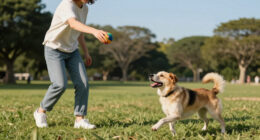
Caring for a dog is a long-term relationship built on daily choices. Food, exercise, preventive care, training, rest, grooming, and emotional security all influence how comfortably a dog moves through life. The challenge is that there is no universal routine: a puppy has different needs from a senior, an energetic working breed differs from a quiet companion, and health history can change what is appropriate.
This hub offers a practical framework for making those choices. Use it to identify your dog’s priorities, establish reliable routines, and recognize when professional guidance is needed. The linked guides provide deeper help with specific products and planning decisions, while your veterinarian remains the best source for advice tailored to your dog’s health.
Start With Your Dog, Not a Generic Checklist
Good care begins with an individual profile. Record your dog’s age, weight, breed or likely mix, activity level, medical history, medications, food, allergies, and typical behavior. Note practical factors too, such as your climate, home environment, walking routes, travel habits, and access to outdoor space.
These details shape almost every decision. A short-coated dog in a cold climate may need different outdoor support from a double-coated breed. A dog with joint limitations may benefit from several gentle walks rather than one demanding outing. A noise-sensitive rescue may need a calmer home routine than a confident, well-socialized adult.
Revisit the profile when circumstances change. Weight gain, reduced stamina, new fears, digestive changes, or difficulty settling can indicate that an established routine no longer fits. A simple written baseline also makes it easier to give a veterinarian accurate information.

Swihauk Self Cleaning Slicker Brush – Skin Friendly Deshedding Grooming Tool for Dogs & Cats, Suitable for Shedding & Haired Pets, with Pet Supplies Accessories, Blue
- Effortless Shedding Removal: Self-cleaning with release bottom
- Pet-Friendly Design: Soft, protective plastic bristles
- Durable Construction: Stainless steel and sturdy design
As an affiliate, we earn on qualifying purchases.
As an affiliate, we earn on qualifying purchases.
Nutrition and Meal Planning
A dog’s food should be appropriate for its life stage and provide complete, balanced nutrition. Beyond that foundation, the right choice depends on calorie needs, body condition, health considerations, preferences, and household logistics. Marketing language alone cannot establish whether a diet is suitable.
Build a Consistent Feeding Routine
Measure portions rather than estimating them, and include treats, chews, table food, and food used during training when considering total intake. Feeding at predictable times can help owners monitor appetite and may make changes easier to notice. Fresh water should remain readily available unless a veterinarian provides different instructions for a medical reason.
Body condition matters more than a generic number on a package. You should generally be able to feel the ribs without pressing through a heavy layer of fat, while seeing a waist behind the ribs when viewed from above. Because ideal condition varies, ask your veterinary team to demonstrate how to assess your individual dog.
Owners comparing structured feeding approaches can explore these dog meal plans for different nutritional needs. The guide can help organize options, but any major diet change should account for age, health, and current calorie intake.
Evaluate Specialized Diets Carefully
Terms such as natural, holistic, premium, or limited ingredient can mean different things across products. Look beyond the front of the package and consider nutritional adequacy, life-stage suitability, ingredient tolerances, feeding instructions, and the manufacturer’s transparency. The guide to holistic dog foods provides a starting point for comparing this category without treating the label itself as proof of quality.
Change foods gradually when possible, watching for vomiting, diarrhea, itching, appetite changes, or unusual lethargy. Dogs with recurring digestive or skin problems may need veterinary assessment rather than repeated food experimentation.
Exercise, Enrichment, and Safe Walks
Exercise supports physical conditioning, healthy weight, mental engagement, and appropriate outlets for natural behavior. The goal is not simply to tire a dog out. A balanced routine combines movement, sniffing, exploration, play, training, and recovery.
Match Activity to the Individual
Puppies need age-appropriate activity that does not overload developing bodies. Healthy adult dogs may enjoy brisk walks, hiking, running, swimming, or dog sports, depending on their build and conditioning. Senior dogs often still benefit from regular movement, but pace, duration, surfaces, and recovery time may need adjustment.
Increase activity gradually. Watch for lagging behind, excessive panting, limping, reluctance to continue, or soreness afterward. Heat, humidity, cold, pavement temperature, elevation, and access to water can turn an ordinary outing into a risk, so adjust plans to the conditions.
Choose Walking Equipment for Control and Comfort
A leash should suit the setting and the dog’s behavior. Fixed-length leashes provide predictable distance and can make close control straightforward. Retractable models offer variable range but require attentive handling, sufficient space, and awareness of nearby people, animals, traffic, and obstacles.
If variable-length equipment fits your walking environment, compare handle comfort, braking controls, line visibility, length, and compatibility with your dog’s size in this guide to retractable dog leashes. Whatever style you choose, inspect it regularly for fraying, cracks, weak clips, or unreliable locking.
Include Mental Enrichment
Sniff walks, food puzzles, short training sessions, hide-and-seek games, safe chewing, and supervised exploration can enrich a dog’s day without requiring intense exercise. Rotate activities to preserve novelty, but keep enough routine that the dog knows when to expect meals, walks, play, and rest.
Preventive Health and Supplements
Preventive care is easier when it follows a schedule. Veterinary examinations, vaccinations, dental care, parasite prevention, weight monitoring, grooming, and age-appropriate screening can help identify problems before they become more difficult to manage.
Use Supplements With a Clear Purpose
Supplements should address a defined need rather than substitute for balanced food, diagnosis, or medical treatment. Ingredients can interact with medications, duplicate nutrients already present in a diet, or be inappropriate for certain conditions. Ask a veterinarian what outcome you are targeting, whether evidence supports the ingredient, how long a trial should last, and what side effects to monitor.
For active dogs or owners concerned about stamina, this overview of dog energy supplements can help frame the available category. However, a noticeable drop in energy deserves attention first: pain, infection, anemia, endocrine disease, heart problems, and many other conditions can cause lethargy.
Similarly, products marketed for cardiovascular support are not replacements for examinations or prescribed treatment. Owners researching supportive options can review these dog heart supplements and then discuss relevant ingredients with their veterinarian. Coughing, collapse, breathing difficulty, or reduced exercise tolerance warrants prompt professional advice.
Stay Ahead of Ticks and Other Parasites
Parasite risk varies by location, season, travel, habitat, and the dog’s health. A prevention plan may include veterinary products, environmental management, coat checks, and quick removal of attached ticks. Inspect the head, ears, neck, armpits, groin, feet, and spaces between the toes after time in brush, tall grass, or wooded areas.
When comparing topical products, collars, sprays, or other approaches, consider species safety, the dog’s age and weight, application directions, household pets, water exposure, and local parasite patterns. This guide to tick repellents for dogs can support that comparison. Never apply a product intended for another species, and contact a veterinarian if your dog develops weakness, tremors, vomiting, irritation, or other concerning symptoms after exposure.
Grooming, Cleaning, and Outdoor Adventures
Grooming is both maintenance and observation. Brushing can reveal lumps, tender areas, parasites, mats, skin changes, or damaged nails. The appropriate schedule depends on coat type, shedding, lifestyle, and medical needs.
Check ears, paws, nails, teeth, and skin regularly. Avoid inserting objects into the ear canal, and do not clip nails beyond your skill level if the quick is difficult to identify. A groomer or veterinary professional can demonstrate safer techniques.
Plan for Mud, Sand, and Travel
Dogs that hike, camp, swim, visit beaches, or play in muddy parks may need cleaning before entering a vehicle or home. Portable rinsing equipment can remove surface dirt and debris when a fixed water source is unavailable. Owners planning frequent outings can compare capacity, portability, pressure controls, power requirements, and cleaning needs in this guide to portable dog showers.
Use lukewarm water when practical and keep spray away from the eyes and inside of the ears. Dry the coat and paws thoroughly, especially in cool weather or between skin folds. Rinsing after questionable water exposure does not replace veterinary care if a dog later develops skin irritation, vomiting, diarrhea, or illness.
Rest, Stress, and Emotional Security
Dogs need substantial uninterrupted rest as well as activity. Create a comfortable sleeping area away from constant foot traffic, and teach household members to leave the dog alone there. A predictable rhythm can be especially helpful during adjustment periods, schedule changes, travel, storms, or nearby construction.
Recognize Signs of Stress
Stress signals may include pacing, panting when not hot, trembling, hiding, vocalizing, refusing food, destructive behavior, excessive vigilance, or difficulty settling. Some dogs also lick their lips, turn away, lower their posture, or seek more distance. These behaviors provide information; punishing them can intensify fear without resolving the trigger.
Reduce the intensity of the situation, provide a safe retreat, and use gradual, reward-based training. For persistent fears, separation-related distress, aggression, or sudden behavioral change, consult a veterinarian and a qualified behavior professional.
Use Sound as Part of the Environment
Steady background sound may help mask unpredictable household or outdoor noises for some dogs. Placement, volume, and the individual dog’s response matter. A sound source should not be so loud that it adds stress or prevents the dog from hearing important cues.
The guide to dog noise machines for relaxation and security explains options for owners creating a calmer rest space. Introduce any device at a low level while the dog is comfortable, and discontinue use if the dog avoids the area or appears more unsettled.
Training and Household Communication
Training is most effective when expectations are clear, rewards are meaningful, and everyone uses consistent cues. Begin with skills that improve daily safety: responding to a name, coming when called, waiting at doors, walking without pulling, dropping objects, settling on a mat, and tolerating gentle handling.
Keep sessions brief and achievable. Reward the behavior you want, manage the environment to prevent repeated mistakes, and increase difficulty in small steps. A skill practiced in the kitchen may not transfer immediately to a busy park, so rebuild it gradually around distractions.
Children should be supervised around dogs and taught not to disturb eating or sleeping animals, climb on them, take valued items, or corner them. Dogs and other pets also need controlled introductions, separate resources, and escape routes until their interactions are reliably comfortable.
When to Seek Veterinary Help
Contact a veterinarian when you notice a meaningful change in appetite, thirst, urination, bowel movements, weight, breathing, mobility, energy, skin, or behavior. Emergency signs can include breathing difficulty, collapse, uncontrolled bleeding, repeated unproductive retching, severe abdominal swelling, seizures, major trauma, suspected poisoning, inability to urinate, or profound weakness.
Keep your regular clinic, nearest emergency hospital, and poison-control resource accessible. Store medications and hazardous foods securely, know your dog’s approximate weight, and maintain a transport plan. Do not induce vomiting or give human medication unless a veterinary professional specifically directs you to do so.
Create a Sustainable Dog-Care System
The best routine is one your household can follow consistently. Organize care into daily, weekly, monthly, and seasonal tasks.
- Daily: measured meals, fresh water, appropriate exercise, enrichment, rest, medication if prescribed, and a brief health check.
- Weekly: grooming appropriate to the coat, equipment inspection, bedding care, and review of appetite, stools, mobility, and behavior.
- Monthly: weight or body-condition review, preventive treatments as directed, supply checks, and cleaning of frequently used gear.
- Seasonal: reassess weather risks, parasite exposure, travel plans, exercise timing, identification details, and veterinary needs.
Reliable dog care is not about buying every available product or pursuing a perfect schedule. It is about observing the individual dog, meeting core needs consistently, and responding early when something changes. Build a sound foundation of nutrition, movement, preventive care, training, comfort, and companionship; then use focused guides and professional advice to refine the details.