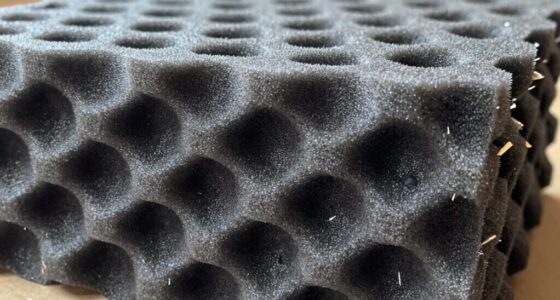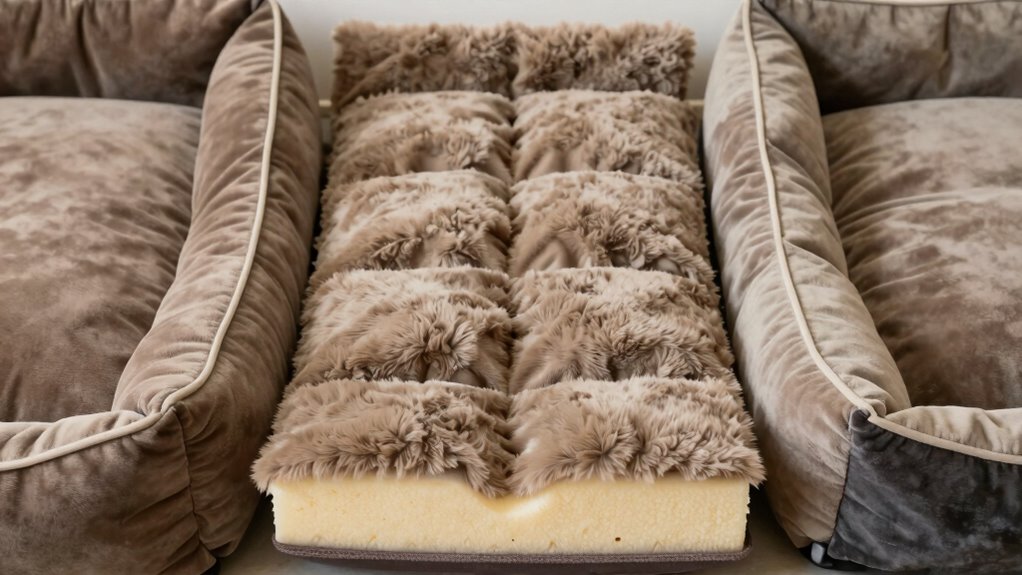
Foam density in dog beds is how much supportive foam is packed into a specific space, measured in pounds per cubic foot. Higher-density foam is firmer, lasts longer, and offers better support for your dog’s joints, making it ideal for orthopedic beds. Lower-density foam is softer and plush but wears out faster. Choosing the right foam depends on your dog’s size and needs, and if you keep exploring, you’ll find tips to pick the best support for your pup.
Key Takeaways
- Foam density measures how much material is packed into the bed, affecting firmness and support.
- Higher-density foam is firmer, more durable, and better for supporting aging or larger dogs.
- Lower-density foam feels softer but wears out faster and offers less long-term support.
- The right foam density ensures the bed maintains shape, supports joints, and lasts longer.
- Proper foam density improves comfort, aiding in pressure relief and spinal alignment for your dog.
What Is Foam Density in Dog Beds?

Have you ever wondered what foam density really means in dog beds? Foam density refers to the material composition of the foam used inside the bed, which directly affects its durability and support. Higher-density foams contain more material per cubic foot, making them firmer and longer-lasting. Manufacturing standards ensure that this foam meets specific quality and safety criteria, so you can trust that your pet’s bed provides reliable comfort. Cheaper, low-density foams may break down quickly, losing support and comfort over time. In contrast, quality orthopedic dog beds use higher-density foam to offer better joint support and longevity. Knowing how foam density ties into material composition and manufacturing standards helps you choose a bed that truly benefits your dog’s health and comfort. Understanding foam specifications can also guide you in selecting a product that meets safety and durability expectations, especially when considering material standards set by industry regulations. Additionally, awareness of foam testing procedures can help ensure the foam used is safe and performs as promised, and this testing often checks for density consistency to guarantee uniform support throughout the bed.
How Is Foam Density Measured?
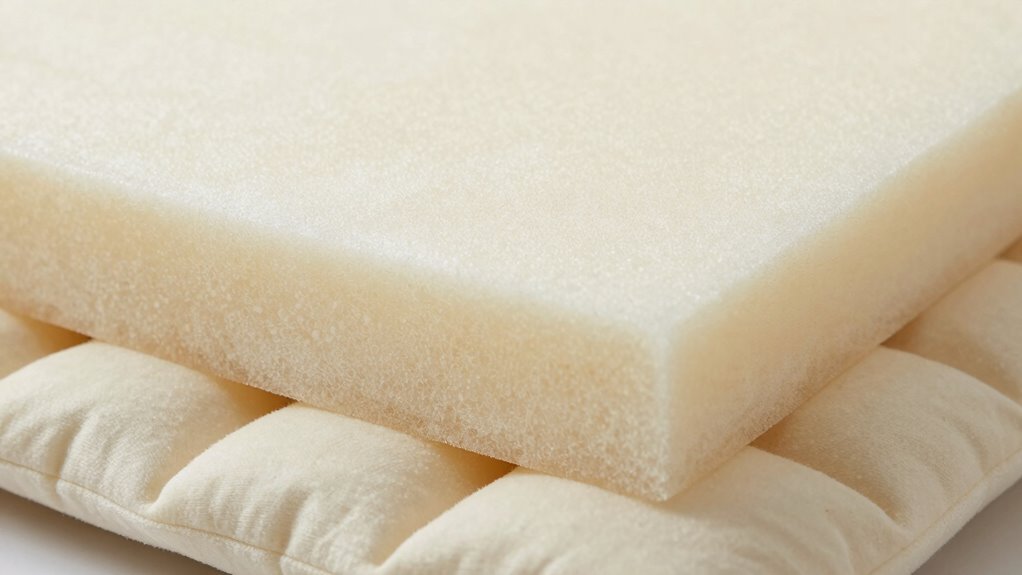
Foam density is measured by calculating the weight of a specific volume of foam, typically expressed in pounds per cubic foot (lb/ft³). To do this, manufacturers perform density testing, which involves cutting a sample of foam and weighing it precisely. This process helps determine how much material is packed into a given space. Foam compression is also tested during density testing, as it shows how well the foam returns to its original shape after pressure is applied. Higher density foam generally indicates a more durable and supportive material. Additionally, understanding the ear wax odor can provide insights into the health and condition of the foam and its environment. By understanding how foam density is measured, you can better assess the quality of an orthopedic dog bed and its ability to provide lasting comfort for your pet. Recognizing the net worth of related personalities can also give you perspective on the value placed on quality materials in various industries. Furthermore, knowing the testing standards used by manufacturers can help ensure you select a high-quality product.
Why Does Foam Density Matter for Your Dog’s Comfort?
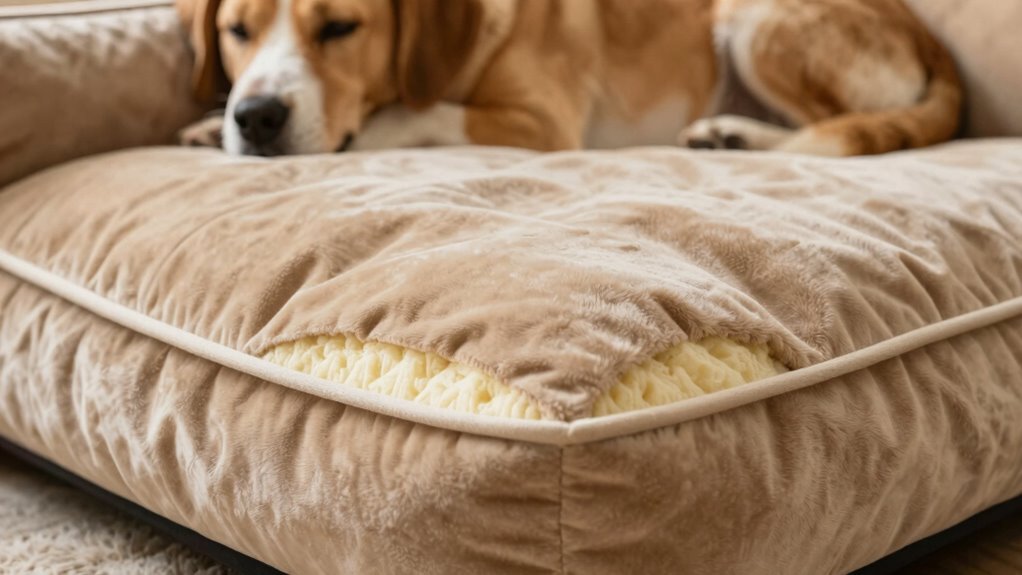
Since foam density directly influences how well a dog bed supports and comforts your pet, choosing the right density is essential. A higher-density foam offers better support, which is especially important for senior dogs that need extra cushioning for their joints. It also helps maintain puppy comfort by preventing the bed from becoming too soft or saggy too quickly. Low-density foam may feel plush initially but can lose shape over time, leading to discomfort and inadequate support. For your dog’s overall well-being, selecting the appropriate foam density ensures the bed provides stability and pressure relief, whether your dog is young or old. Proper support encourages restful sleep, helping your dog stay healthy and comfortable longer.
What Are the Pros and Cons of High- and Low-Density Foam?

Choosing between high- and low-density foam involves weighing their distinct advantages and disadvantages. High-density foam offers better support and durability, making it ideal for larger beds or if your dog needs extra joint relief. However, it can be heavier and less flexible, which may impact bed size considerations and ease of cleaning. Low-density foam tends to be softer and more lightweight, providing a plush feel that some dogs prefer. But, it generally wears out faster and may lack the long-term support needed for orthopedic benefits. Additionally, if your dog has allergy concerns, low-density foam can sometimes trap more allergens, so choosing hypoallergenic options is wise. Interestingly, foam density is a key factor in determining the longevity and comfort of the bed. Ultimately, your choice depends on your dog’s size, health needs, and your ability to maintain the bed over time.
How Does Foam Density Affect Support and Durability?
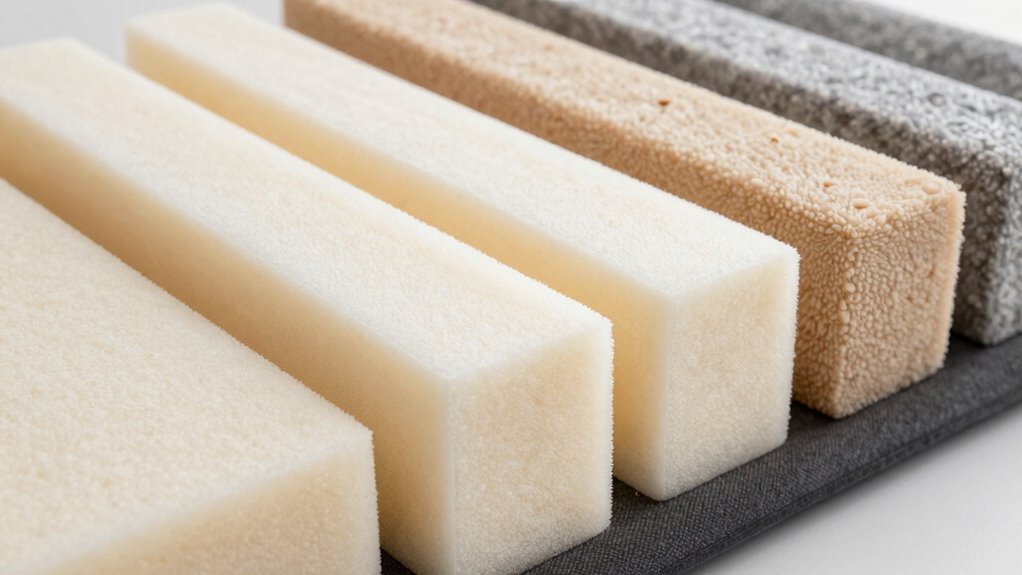
Higher foam density directly enhances support and durability because denser foam compresses less under your dog’s weight, maintaining proper spinal alignment over time. This improved support makes the bed mattress more effective at relieving pressure points and preventing discomfort. Additionally, a higher foam density increases foam comfort by providing a stable, supportive surface that adapts to your dog’s shape. As a result, the bed retains its shape longer, resisting sagging and indentations that can develop with lower-density foam. This durability ensures your dog’s orthopedic bed stays supportive and comfortable through years of use. In short, choosing a foam with higher density means investing in a bed that offers consistent support and lasts longer, keeping your dog comfortable and well-supported over time. Understanding foam properties can help you make the best choice for your pet’s needs. Furthermore, selecting the appropriate foam density can contribute to your pet’s overall health and well-being by reducing discomfort and promoting better sleep. Recognizing the importance of foam density can guide you in selecting a product that provides optimal support and longevity, especially as foam characteristics influence the long-term performance of the bed. A quality foam material also ensures the bed maintains its shape and supportive features even after extended use.
How to Choose the Right Foam Density for Your Dog?
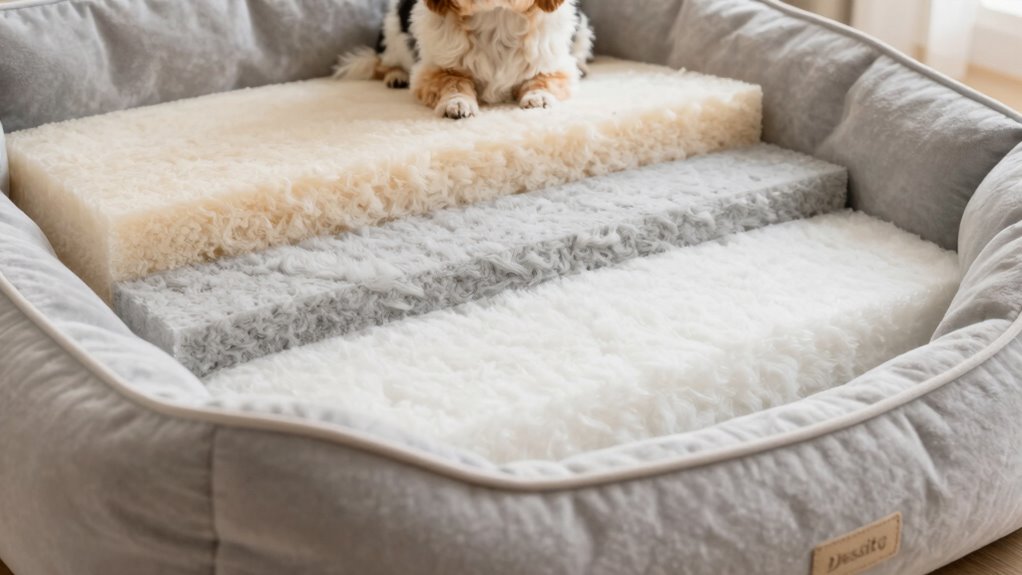
To choose the right foam density for your dog, start by evaluating their specific needs, like age, size, and any health issues. Understanding foam density levels will help you pick a bed that offers the right balance of comfort and support. Once you know what your dog requires, selecting the appropriate foam becomes much easier. Additionally, consider the durability and material quality of the foam, as piercing care and hygiene are crucial for maintaining a clean and safe sleeping environment for your pet. Being aware of Floating on Water concepts can also inform you about moisture resistance and ventilation in foam materials, which can impact your dog’s comfort and the bed’s longevity. Recognizing how foam density influences durability can further guide your selection process. Furthermore, understanding the different density levels will help you choose a bed that maintains support over time.
Assess Your Dog’s Needs
Understanding your dog’s specific needs is essential when selecting the right foam density for their bed. Consider your dog’s age, as puppies and seniors often require softer, more supportive foam to accommodate their developing or aging joints. If your dog has health conditions like arthritis or joint issues, a higher-density foam can provide better support and pressure relief. Conversely, healthy, active dogs may do well with a medium-density foam that offers a balance of comfort and durability. Pay attention to your dog’s sleep habits—if they tend to curl up or stretch out, choose a foam density that offers enough support in their preferred sleeping position. Evaluating these factors helps ensure your dog’s bed provides the right level of comfort and support. Additionally, understanding foam density can help you select a bed that lasts longer and maintains its shape over time. Being aware of foam compression properties can further assist in choosing a durable, supportive bed that accommodates your dog’s sleeping style and activity level. Recognizing material resilience can also be beneficial in selecting a bed that withstands regular use and maintains its supportive qualities. Furthermore, considering the density range suitable for your dog’s specific needs can optimize comfort and longevity.
Understand Foam Density Levels
Choosing the right foam density for your dog’s bed depends on understanding how different levels provide varying degrees of support and comfort. Higher foam densities, like 40-60 pounds per cubic foot, offer firmer support, ideal for larger or active dogs. Lower densities, around 20-30 pounds, provide softer cushioning suitable for smaller or older dogs. When selecting based on bed size, ensure the foam supports the entire area without sagging. Also, consider the cover material; a durable, breathable cover complements the foam’s support. Keep in mind:
- Larger beds benefit from higher-density foam
- Soft foam suits smaller or senior dogs
- Denser foam lasts longer
- Cover material impacts overall comfort and durability
Matching foam density to your dog’s needs guarantees lasting comfort and proper support.
Tips for Caring for Your Dog’s Foam Bed

Properly caring for your dog’s foam bed guarantees it stays comfortable and supportive for years to come. Regular cleaning helps minimize pet allergies and keeps the bed fresh. Start by vacuuming the surface weekly to remove hair, dirt, and allergens. Follow cleaning tips by spot cleaning any stains with mild detergent and water, avoiding harsh chemicals that could damage the foam. If the cover is removable, wash it according to the manufacturer’s instructions to prevent buildup of pet dander. Keep the bed in a well-ventilated area to prevent mold or mildew growth. Rotate or flip the bed periodically to ensure even wear. Additionally, understanding foam density can help you select the most supportive option for your dog’s needs. Being aware of proper bed maintenance practices can extend the lifespan of your dog’s foam bed and maintain its comfort. Regularly inspecting your dog’s foam bed for signs of wear or damage can help you address issues early and preserve its quality. By maintaining your dog’s foam bed properly, you’ll prolong its lifespan and ensure your furry friend remains comfortable and healthy.
Frequently Asked Questions
Can Foam Density Impact My Dog’s Allergies or Skin Sensitivities?
Foam density can impact your dog’s allergies or skin sensitivities, especially if they’re sensitive to certain materials. Higher-density foams often contain fewer chemicals and allergens, helping with allergy prevention. Lower-density foams might trap dust or irritants more easily, potentially aggravating skin sensitivity. To keep your pup comfortable, choose a bed with hypoallergenic, high-density foam that minimizes skin irritation and supports allergy prevention efforts.
Is Higher Foam Density Always Better for Older or Arthritic Dogs?
You might think higher foam density always benefits older or arthritic dogs, but foam density myths can be misleading. For example, a senior dog with joint issues might prefer a medium-density bed that offers enough support without being too firm. When choosing, focus on pet comfort considerations like pressure relief and softness. Higher density isn’t always better; it’s about finding the right balance for your dog’s specific needs.
How Does Foam Density Influence the Bed’s Heat Retention?
Higher foam density can increase heat retention because dense foam acts as better insulation, trapping your dog’s body heat more effectively. This means the bed stays warmer, which is especially beneficial for older or arthritic dogs needing extra warmth. However, if your dog tends to overheat, a bed with lower foam density might prevent excessive heat buildup. Consider your dog’s comfort and warmth needs when choosing foam density for ideal heat retention.
Can Foam Density Change Over Time With Use and Cleaning?
You might wonder if foam density changes over time, but generally, it doesn’t substantially. Regular use and cleaning can cause some foam breakdown, leading to slight softening and reduced bed durability. This wear might feel like a change in density, but the core foam usually remains stable. To keep your dog’s bed supportive longer, choose high-quality foam and follow cleaning instructions carefully.
Are There Specific Brands Known for Optimal Foam Density Quality?
You should look for brands with a strong reputation for quality and adherence to foam manufacturing standards. Top brands like Kuranda, Big Barker, and PetFusion are known for their consistent foam density, ensuring durability and support. These companies prioritize high-quality materials, so you can trust their orthopedic dog beds to maintain ideal foam density over time, providing your pet lasting comfort and support.
Conclusion
Choosing the right foam density guarantees your dog gets the comfort and support they deserve. Remember, it’s all about finding the sweet spot that balances durability and softness. Don’t put all your eggs in one basket—consider your dog’s size, age, and sleeping habits. When you pick wisely, you’ll keep your furry friend happy and comfortable for years to come. After all, a well-chosen bed can make all the difference in their daily well-being.