
TL;DR

Get pet supplies delivered free with Prime
- Fast, free delivery on millions of items
- Prime Video, Amazon Music and more included
- Member-only deals all year
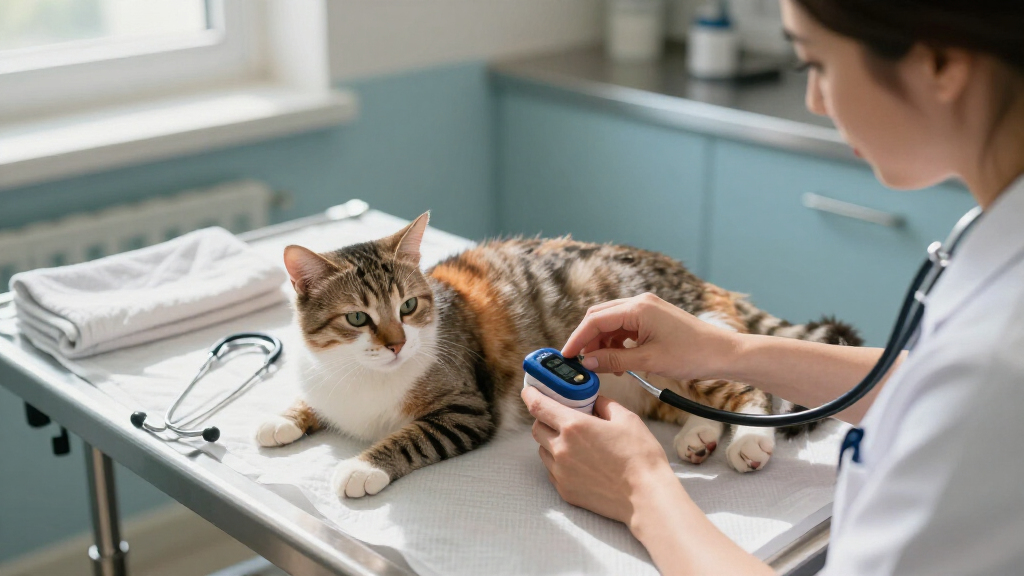
A Veterinary Practice News report by veterinary technician Beth Armstrong outlines low-stress practices for handling cats with known or suspected heart disease. It recommends quiet observation, minimal restraint and prioritizing oxygen for cats in respiratory distress before pursuing diagnostics.
Veterinary Practice News has published guidance for veterinary technicians on handling cats with known or suspected heart disease, emphasizing minimal restraint, a calm environment and oxygen support before diagnostics when a cat is struggling to breathe. The report, written by Beth Armstrong, says routine handling can add physiological stress for these patients and recommends adapting care to limit stimulation while prioritizing stabilization.
The report describes stress as a physical concern for cardiac cats, not only a behavioral one. It says stress responses can raise heart rate and blood pressure and increase the heart’s oxygen demand. Cats with hypertrophic cardiomyopathy, identified in the report as the most common feline cardiac disease, may have difficulty adapting to increased demand. The article warns that some cats with heart disease may not yet have been diagnosed.
Armstrong recommends beginning with environmental changes: reduce noise and lighting, limit traffic, and move the cat out of a busy waiting area promptly. Rather than immediately removing a cat from its carrier, staff can first observe its breathing, effort and posture from a distance. The report identifies dilated pupils, tail movement, ear rotation, faster breathing and body tension as possible early signs of stress.
For handling, the guidance favors gentle, controlled support of the chest and hindquarters, slow movements, and towel use to provide containment or block visual stimulation. It advises avoiding scruffing where possible and keeping a cat in a sternal, chest-down position when feasible. Procedures should be grouped to reduce repeated handling. For respiratory compromise, the report says oxygen should take priority: an oxygen cage can limit contact, while flow-by oxygen may be used initially. Nasal oxygen is described as an option only when tolerated.
Reducing Risk During Routine Care
The guidance matters because veterinary teams may need to assess cardiac patients while those patients are vulnerable to the effects of stress and exertion. The report frames handling choices as part of clinical care: restraint, positioning and the timing of tests can affect how much stimulation a cat experiences.
Its practical focus is on making immediate adjustments in general practice and emergency settings. Quiet observation may provide useful information before a hands-on examination, while delaying non-urgent procedures can allow a distressed patient to receive support first. These are recommendations from the report, not a substitute for a veterinarian’s assessment or a patient-specific treatment plan.
Products Worth Considering

PETLIBRO Granary 2 Vision Duo Automatic Cat Feeder for Two Cats

PETLIBRO Automatic Cat Feeder for Two Cats with AI Recognition Camera

PetSafe Microchip Cat Door, Interior/Exterior, Multi-Pet, 4-Way Lock
As an affiliate, we earn on qualifying purchases.
The Guidance Behind the Recommendations
Armstrong’s article addresses cats with diagnosed or occult cardiac disease, including patients that may appear stable until stress or respiratory trouble develops. It links stress responses with increased cardiac workload and notes that a cat with hypertrophic cardiomyopathy may have reduced ventricular compliance. The report does not provide new research findings or quantify how often handling triggers deterioration; it offers practice guidance for veterinary teams.
For diagnostics, the report recommends a quiet setting and minimal restraint for blood pressure measurement, noting Doppler methods may be faster and more reliable in cats. It advises taking radiographs after stabilization and considering pre-oxygenation. Blood collection should be performed by experienced staff using a low-stress site, with attempts limited. The supplied source text ends during its discussion of blood draws, so further recommendations from the original article are not available here.
Limits of the Available Guidance
The supplied material does not give a publication date, patient outcome data or evidence comparing specific handling methods. It also does not define thresholds for deciding when a cat is stable enough for imaging, blood collection or other diagnostics. Those decisions depend on clinical assessment and should be made by the veterinary team.
The source excerpt stops mid-sentence in its discussion of blood draws. It is therefore unclear what additional recommendations appeared in the full article. The guidance also does not specify a single protocol for every cardiac patient; it stresses adapting handling to the cat’s condition and tolerance.
Applying the Advice in Practice
The report presents steps veterinary technicians can use during intake, examination and stabilization: reduce stimulation, observe before handling, watch for signs of escalating distress, and limit restraint. Teams can then adapt diagnostic timing and methods to the patient’s condition, with respiratory support taking precedence when compromise is present.
No further study, policy change or follow-up announcement is identified in the supplied source. The immediate next step described is clinical judgment at the point of care, including reassessing handling if breathing worsens and involving the veterinarian in decisions about oxygen and diagnostics.
Key Questions
What is the main advice for handling a cat with heart disease?
Use a quiet setting, observe before touching, and keep handling and restraint to a minimum. Support the cat gently and avoid unnecessary repeated procedures.
Why does the report recommend delaying tests for a cat in respiratory distress?
The report says handling and procedures such as radiographs or blood draws may add stress before the patient is stable. It recommends oxygen support first when respiratory compromise is present, with diagnostics considered afterward by the veterinary team.
What signs of stress should technicians watch for?
Possible early signs listed include dilated pupils, tail movement, ear rotation, faster breathing and body tension. Open-mouth breathing, blue-tinged coloration, labored breathing with vocalization or collapse are described as advanced warning signs requiring reassessment.
Should a cardiac cat be taken out of its carrier immediately?
Not necessarily. The report recommends leaving the cat in the carrier initially when possible and making a quiet visual assessment of breathing, effort and posture before deciding whether more handling is needed.
Source: rss