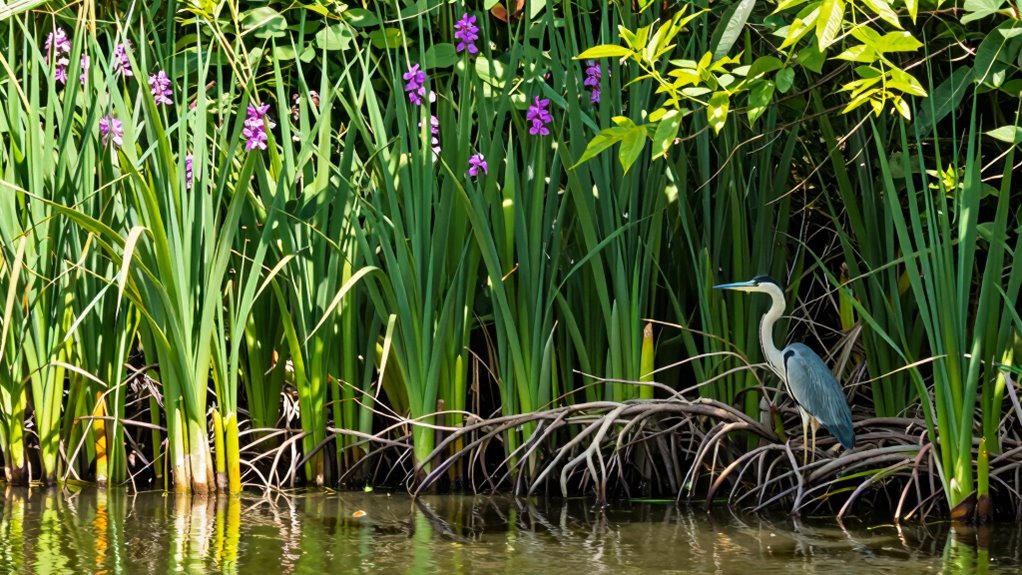

You might find that a beautiful landscape often hides ecological imbalances caused by limited microbial diversity. Aesthetically pleasing designs focus on appearance but can neglect essential microbial communities that support nutrient cycling, soil health, and ecosystem resilience. Without a balanced microbial population, habitats become fragile and less able to recover from disturbances. By understanding the role of microbes, you’ll see why true habitat health goes beyond looks, and there’s more to uncover about creating resilient, balanced environments.

Get pet supplies delivered free — and shop member deals
- Fast, free delivery on millions of items
- Access to Prime Big Deal Days deals on October 6–7
- Prime Video, Amazon Music and more included
Key Takeaways
- Aesthetic appeal often prioritizes visual beauty over the ecological health and microbial diversity necessary for habitat balance.
- Habitats designed solely for aesthetics may lack the microbial communities vital for nutrient cycling and resilience.
- Rich microbial diversity is essential for ecosystem stability but is not always visible or considered in aesthetic-focused design.
- Overemphasis on appearance can lead to fragile ecosystems that are less capable of recovering from disturbances.
- Balancing visual appeal with microbial health ensures sustainable, resilient habitats that support long-term ecological functions.
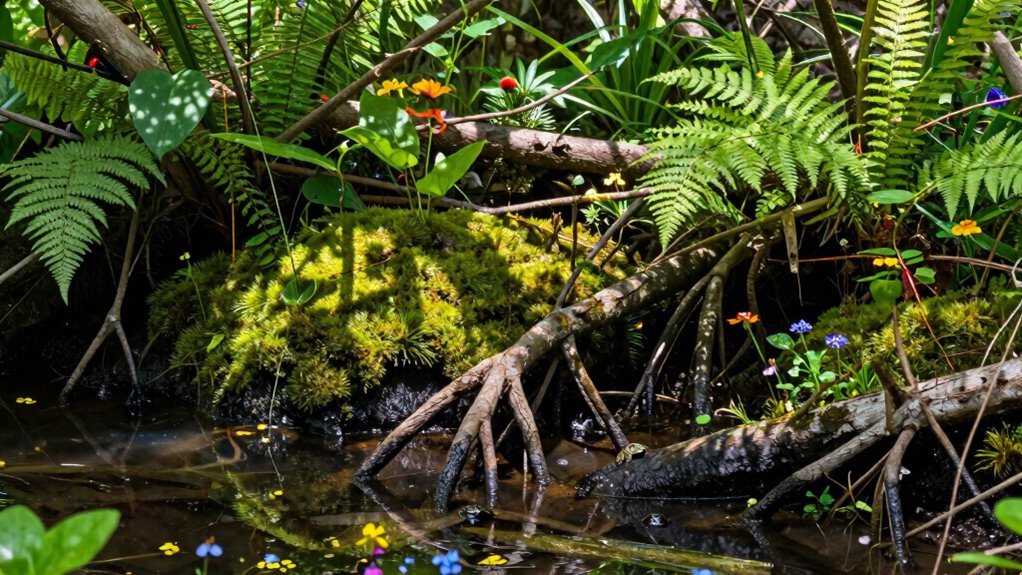
Have you ever wondered how ecosystems can be designed to support both human needs and natural life simultaneously? When you think about creating habitats that are not just visually stunning but also sustainable, understanding the role of microbial diversity becomes essential. Microbial communities are the unseen engineers of healthy ecosystems. They break down organic matter, recycle nutrients, and help maintain soil and water quality. By fostering a rich microbial diversity, you can enhance the resilience of the entire ecosystem. This resilience means that the habitat can withstand environmental stresses like droughts, pollution, or invasive species without collapsing.
Designing bioactive habitats isn’t just about planting beautiful landscapes; it’s about creating a living system where every component plays a crucial role. When you incorporate diverse microbial populations into the soil and water, you actively boost the habitat’s ability to bounce back from disturbances. These microbes form complex networks that support plant health, improve nutrient uptake, and suppress harmful pathogens. As a result, the habitat becomes more self-sustaining, reducing the need for external inputs like fertilizers or pesticides. This balance is essential because it aligns with natural processes rather than fighting against them, making the habitat more sustainable in the long run. Additionally, fostering microbial diversity can help mitigate the effects of environmental stresses, contributing to a more resilient ecosystem.
Healthy microbial communities also contribute to the biogeochemical cycles that sustain life within the habitat, emphasizing their importance beyond just soil health. Incorporating microbial diversity into habitat design can also help prevent soil degradation, which is a common threat to ecological stability. However, just because a habitat looks beautiful doesn’t mean it’s balanced. Many designed landscapes prioritize aesthetics over ecological function, leading to fragile systems that can easily become disrupted. A visually appealing habitat may lack the microbial diversity necessary for true resilience. Without microbial diversity, the ecosystem’s ability to recover from disturbances diminishes, leaving it vulnerable to degradation over time. You need to think beyond just the visual appeal and focus on creating environments where microbial life thrives, supporting the overall health and stability of the habitat.
In essence, building bioactive habitats requires a mindful approach that respects and integrates natural processes. By promoting microbial diversity, you help create a resilient ecosystem capable of supporting both human activity and the needs of native flora and fauna. It’s a conscious effort to balance beauty with functionality, ensuring that the habitat remains vibrant and sustainable over the long term. When you understand the importance of these tiny yet powerful organisms, you realize that a truly balanced habitat isn’t just about appearance—it’s about fostering a living system that can adapt, recover, and thrive in harmony with nature.
microbial soil inoculants for healthy gardens
As an affiliate, we earn on qualifying purchases.
As an affiliate, we earn on qualifying purchases.
Frequently Asked Questions
How Do Bioactive Habitats Impact Local Ecosystems Long-Term?
You impact local ecosystems long-term by creating bioactive habitats that support native species and enhance habitat connectivity. These habitats promote biodiversity, helping native plants and animals thrive, and they connect fragmented ecosystems, allowing species to migrate and reproduce more effectively. Over time, this fosters a balanced environment, reducing invasive species risks and supporting ecosystem health. Your efforts can lead to resilient, sustainable habitats that benefit both wildlife and the broader ecosystem.
What Are Common Challenges in Maintaining Bioactive Habitats?
You know what they say, “A chain is only as strong as its weakest link.” Maintaining bioactive habitats is challenging because of habitat stability issues and fluctuating biological resilience. Pests, invasive species, and environmental changes threaten balance, demanding constant management. You need to monitor conditions regularly, adapt strategies, and promote native diversity to guarantee your habitat remains resilient and stable over time. Without this, imbalance can quickly take hold.
Can Bioactive Habitats Adapt to Climate Change?
Yes, bioactive habitats can adapt to climate change, but it takes deliberate efforts like enhancing climate resilience and ongoing habitat restoration. By actively managing these habitats, you help them adjust to shifting conditions, ensuring they remain balanced and functional. Regular monitoring and adaptive strategies allow you to respond to climate impacts, fostering resilient ecosystems where plants, animals, and microorganisms thrive despite changing environmental factors.
How Do Bioactive Habitats Influence Biodiversity?
Bioactive habitats boost biodiversity by increasing species diversity and habitat complexity. You’ll find a variety of plants, animals, and microorganisms thriving there, creating interconnected ecosystems. These habitats offer multiple niches, supporting different species and encouraging resilience. As you observe, the structural diversity of a bioactive habitat allows species to coexist and adapt, ultimately promoting a healthier, more balanced environment. This dynamic interaction enhances overall ecosystem stability and biodiversity.
What Are the Economic Benefits of Creating Bioactive Habitats?
Creating bioactive habitats offers you economic incentives by reducing maintenance costs and enhancing property value. These habitats promote sustainability gains through natural water filtration, pest control, and climate regulation, which can lower your long-term expenses. Additionally, they attract eco-conscious visitors and clients, boosting tourism and business opportunities. Embracing bioactive habitats not only benefits the environment but also supports your financial growth and community well-being.
Conclusion
Think of a bioactive habitat as a delicate dance, where each step must be carefully balanced to keep the rhythm alive. Beauty alone isn’t enough; true harmony comes from understanding and nurturing every element, even the unseen ones. When you embrace this complexity, you’re not just creating a pretty scene—you’re fostering a living symphony. Remember, a habitat’s true beauty lies in its balance, like a finely tuned orchestra working together in perfect harmony.
Fall Picks
fall essentials
As an affiliate, we earn on qualifying purchases.