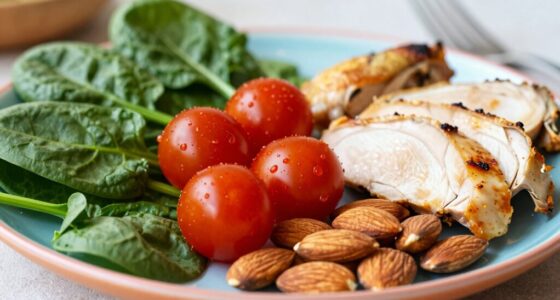

Supporting your aging dog with proper nutrition is key to keeping them healthy, mobile, and comfortable. Focus on easily digestible high-quality proteins like chicken or fish to preserve muscle, and include nutrients like glucosamine and chondroitin to support joint health. Monitoring weight and offering fiber-rich foods helps prevent obesity, while ensuring fresh water and Omega-3s promote hydration and brain health. For more tips on creating a balanced senior diet, keep exploring ways to enhance their well-being.
Key Takeaways
- Choose easily digestible, high-quality proteins like chicken, fish, or eggs to maintain muscle mass in aging dogs.
- Balance calcium and phosphorus levels and include joint-support nutrients like glucosamine and chondroitin.
- Manage weight with portion control, fiber-rich ingredients, and nutrient-dense foods to prevent obesity and support mobility.
- Ensure adequate hydration through fresh water and consider wet foods to promote water intake.
- Incorporate omega-3 fatty acids to support brain health, reduce inflammation, and improve overall well-being.

Have you ever wondered how your diet changes as you age? Just like humans, dogs experience shifts in their nutritional needs as they grow older. As your aging dog approaches senior status, their body undergoes various physical and metabolic changes that require adjustments in their diet. You might notice less energy, changes in weight, or even dental issues, all of which influence what and how they should be eating. Providing the right nutrition helps maintain their health, supports their immune system, and keeps them comfortable.
Older dogs often need diets that are easier to digest. Their digestive systems tend to slow down, making it harder for them to process certain ingredients. This means you should look for foods that are rich in high-quality proteins but also gentle on their stomach. Proteins are essential to preserve muscle mass, which naturally declines with age, but the source and digestibility of those proteins matter. Opt for easily digestible options like chicken, fish, or eggs, and avoid overly processed or artificial ingredients that could upset their stomach.
Calcium and phosphorus levels need to be balanced carefully in senior diets to support healthy bones and joints. As dogs age, they are more prone to joint issues like arthritis, so foods fortified with joint-supporting nutrients such as glucosamine and chondroitin can be very beneficial. These supplements help reduce inflammation and improve mobility, making your senior dog feel more comfortable and active.
Another indispensable aspect is weight management. Many older dogs tend to gain or lose weight unexpectedly. Obesity puts extra strain on their joints and organs, while weight loss might indicate underlying health issues. Adjusting portion sizes and choosing low-calorie, nutrient-dense foods can help maintain a healthy weight. Incorporate fiber-rich ingredients like sweet potatoes or pumpkin to promote satiety without overfeeding.
Hydration also becomes increasingly important. Aging dogs may be less inclined to drink water, which can lead to dehydration and kidney problems. Offer fresh water regularly, and consider adding wet food to their diet if they’re not drinking enough. Omega-3 fatty acids, often found in fish oils, support brain health and reduce inflammation, so including these in their diet can provide additional health benefits. Additionally, ensuring adequate hydration can help support kidney function and overall well-being in senior dogs.

Purina ONE High Protein Dry Senior Dog Food Plus Vibrant Maturity Adult 7 Plus Formula – 31.1 lb. Bag
Purina dog food for senior dogs with MCT-rich vegetable oil to nourish and promote mental sharpness and shows…
As an affiliate, we earn on qualifying purchases.
As an affiliate, we earn on qualifying purchases.
Frequently Asked Questions
How Do I Know if My Senior Dog Needs a Special Diet?
You can tell if your senior dog needs a special diet by watching for changes in weight, energy levels, or coat condition. If your dog shows signs of health issues like joint stiffness, digestive problems, or dental concerns, it’s time to think about a tailored diet. Regular vet check-ups are essential—they’ll help identify nutritional needs and ensure your dog gets the right support to stay healthy and comfortable.
Are Homemade Diets Suitable for Aging Dogs?
Homemade diets can be suitable for aging dogs if you guarantee they’re well-balanced and meet your dog’s nutritional needs. You should consult your veterinarian or a pet nutritionist to develop a proper meal plan, as homemade diets can lack essential nutrients if not carefully prepared. Always monitor your dog’s health and adjust the diet as needed, prioritizing high-quality ingredients and appropriate portion sizes.
What Signs Indicate Nutritional Deficiencies in Senior Dogs?
Think of your senior dog as a delicate garden needing careful tending. Signs of nutritional deficiencies include weight loss, dull coat, lethargy, poor appetite, and dental issues. You might also notice behavioral changes or digestive problems. These symptoms are like warning signs on a map, guiding you to adjust their diet. Regular vet check-ups and attentive observation help you catch deficiencies early, keeping your furry friend’s health blooming beautifully.
How Often Should I Change My Senior Dog’s Diet Plan?
You should review your senior dog’s diet plan every 6 to 12 months or whenever their health or activity level changes. Regular check-ups with your vet help determine if adjustments are necessary. As your dog ages, their nutritional needs evolve, so staying attentive to weight, energy, and health issues ensures their diet remains balanced and appropriate. Always consult your vet before making significant dietary changes.
Can Dietary Changes Improve My Senior Dog’s Mobility and Energy?
Like a well-oiled machine, your senior dog can move more freely with the right diet. Dietary changes can markedly improve their mobility and energy levels, especially when you include joint-supporting nutrients like glucosamine and omega-3 fatty acids. Feeding them high-quality, tailored foods helps boost their vitality, making daily activities easier and more enjoyable. Consult your vet to customize a plan that best supports your dog’s specific needs.

Nutramax Cosequin for Dogs Joint Health Supplement, Contains Glucosamine for Dogs, Plus Chondroitin and MSM, Supports Healthy Joints, For All Breeds and Sizes, Chewable Tablets, 132 Count
Joint Health Supplement for Dogs – Cosequin is the #1 vet recommended retail joint health supplement brand▼, supporting…
As an affiliate, we earn on qualifying purchases.
As an affiliate, we earn on qualifying purchases.
Conclusion
As your dog ages, prioritizing their nutrition becomes essential for a happy, healthy life. Did you know that 60% of senior dogs suffer from some form of health issue related to diet? By adjusting their meals with the right nutrients, you can help manage age-related conditions and improve their quality of life. Remember, a well-balanced senior diet isn’t just about food—it’s about giving your loyal companion the best years possible.

Blue Buffalo Life Protection Formula Chicken & Brown Rice Senior Dry Dog Food, Supports Immunity with Antioxidant-Rich LifeSource Bits, Promotes Healthy Muscle Development, Skin & Coat Health, 5 lbs.
REAL CHICKEN FIRST: Blue Buffalo senior dry dog food starts with real chicken as the first ingredient to…
As an affiliate, we earn on qualifying purchases.
As an affiliate, we earn on qualifying purchases.
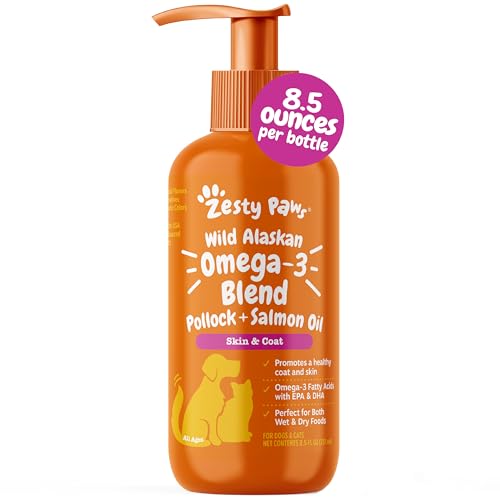
Zesty Paws Wild Alaskan Omega-3 Blend Pollock + Salmon Oil for Dogs and Cats- Skin and Coat Support, Omega 3 Supplement for Pets, 8.5oz
SKIN & COAT NOURISHMENT: Fish oil for dogs and cat like Wild Alaskan Salmon Oil provides omega-3 fatty…
As an affiliate, we earn on qualifying purchases.
As an affiliate, we earn on qualifying purchases.